Plizio Visual Lab

Tyrolean Lech River
Plizio editorial teamData Sources
River
—°9
Tyrolean Lech River (Austria)

Weather…

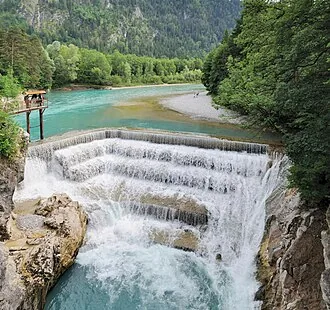
The Tyrolean Lech is considered one of the last near-natural wild river landscapes in the Northern Alps and forms the centerpiece of the nature park of the same name in the Außerfern region. Along a stretch of approximately 60 kilometers, the river is allowed to spread out in a wide gravel bed, leading to the formation of dynamic side channels and extensive gravel banks. This ecological niche provides a habitat for specialized species such as the German tamarisk and the rattle grasshopper, which have almost completely disappeared elsewhere. The river landscape is subject to constant changes caused by flood events, which create new habitats and reshape old ones through natural erosion. Since 2004, the area has been protected as a nature park and also serves as an important Natura 2000 protected area. Besides its ecological significance, the Lech is a central factor for soft tourism in the Tyrol region, with the Lechweg trail guiding hikers through untouched nature. Preserving this alpine wild river landscape requires continuous protection measures against development and regulation to ensure the natural dynamics of the water in the long term.

Best time to visit & climate

The most pleasant time to visit is Jul–Sep.

JanFebMarAprMayJunJulAugSepOctNovDec
Avg °C-4-316101415151172-3
Rain mm83658184149175172185119917074

📋 Practical info

🧭
Getting there
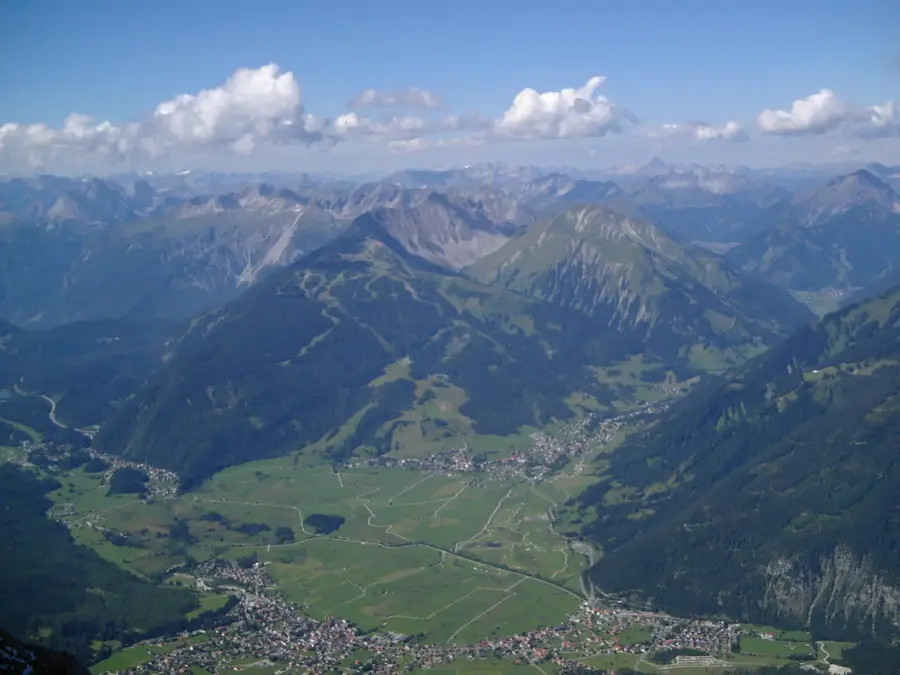
The Tyrolean Lech river is most wonderfully explored through the expansive Lechtal valley, with villages such as Elbigenalp or Holzgau acting as handy base camps. A brilliantly maintained network of paths, notably the famous Lechweg trail, allows hikers and cyclists to closely shadow the river's winding path.
📅
Best season
The most appealing time frame for extensive exploration along and on the river generally falls between late spring and the early stages of autumn. While the summer months offer great conditions for hiking and cycling, the high meltwaters of spring frequently attract enthusiastic whitewater sports aficionados.
⛰️
Terrain & paths
The Lech truly captivates with its remarkable natural dynamics; the broad, gravelly riverbed constantly forks and reforms, beautifully bordered by vast alluvial forests. The paths tracing the banks are predominantly flat and very easy to navigate, making them exceptionally appealing for long strolls and family outings.
🎒
What to bring
When exploring the riverside trails, comfortable trekking shoes, light rain gear, and adequate sun protection are usually entirely sufficient for a pleasant trip. However, anyone planning to tackle the untamed waters in a canoe or kayak absolutely must utilize specialized whitewater safety gear, including a helmet and vest.
🅿️
Parking
Visitors will typically locate well-signposted parking facilities within the villages of the Lechtal, as well as near prominent bridges and official starting points of the Lechweg. During peak holiday seasons, however, these areas can fill up rapidly near popular trail sections, making an early arrival quite worthwhile.
⚠️
Safety
Although the gravelly shorelines may often appear gentle and inviting, the underlying current of the Lech is exceptionally strong in places and should never be underestimated. Paddlers must carefully check water levels beforehand, and swimming outside of designated calm eddies is mostly dangerous due to cold and currents.
⏱️
Time needed
A leisurely afternoon stroll along a shorter, accessible segment of the Lechweg often requires no more than two to three hours of your time. Those who wish to deeply immerse themselves in this impressive wild river landscape can easily plan several full days to conquer various hiking stages or enjoy cycling tours.

Geography

Coordinates
47.45000, 10.75000

Facts

  • The length of the near-natural river section is about 60 kilometers.
  • The Tyrolean Lech Nature Park was officially established in 2004.
  • Home to the German tamarisk, a rare alpine pioneer plant species.
  • The gravel bed reaches a width of up to 100 meters in some places.
  • Important breeding ground for over 150 different bird species.
  • The Lechweg is a certified long-distance trail totaling 125 km.

Explore nearby

Notable places around
Route planner — Car & Motorhome

Where do you start? We build the route here, with stops and country notes along the way.

Vehicle
Only stops with (optional):

© OpenStreetMap contributors · OpenRouteService

Sights in the town Tyrolean Lech River (9)

Burgruine Ehrenberg🏰 castle

A significant castle ruin in the Tyrolean Lech Valley, part of the Ehrenberg fortress ensemble.

🆓

Festung Schlosskopf🏰 castle

A high-altitude fortress located above Burg Ehrenberg, offering panoramic views of the Lech Valley.

Ruine Fort Claudia (Hochschanz)🏰 castle

The ruins of a 17th-century fortification, part of the historical Ehrenberg defense system.

Kohlbergspitze📍 landmark

A prominent mountain peak in the Ammergau Alps, located near the Tyrolean Lech River.

Achseljoch📍 landmark

A mountain peak located in the scenic Tyrolean Lech River region.

Thaneller📍 landmark

A striking mountain peak in the Lechtal Alps, known for its distinctive shape and panoramic views.

Sport- und Freizeitpark Bichlbach🎡 recreation

This theme park along the Tyrolean Lech River gives various outdoor activities and attractions for active visitors.

Bärenbad🎡 recreation

Bärenbad is a water park in the Tyrolean Lech region, offering refreshment and water fun in an alpine setting.

🕒 Mo-Su 09:30-19:00

Alpentherme🎡 recreation

Alpentherme along the Tyrolean Lech River features relaxation in thermal pools and various wellness services.

🕒 Mo-Su,PH 10:00-22:00

Sights nearby

Frequently asked questions

What is the Tiroler Lech?
An alpine river known for its pristine wild river landscape.
Can you hike along the Lech?
Yes, the 125 km long Lechweg leads from the source all the way to Füssen.
Are there rare plants by the river?
Yes, the German Tamarisk in particular is a rarity found on the gravel banks.
Is the river suitable for paddling?
Yes, for experienced paddlers and rafters, the Lech is a top location.
When do the Lady's Slipper orchids bloom?
Usually between late May and mid-June near Elmen.
Tyrolean Lech River: where is it located?
Tyrolean Lech River is located in Tyrol, Austria.
Tyrolean Lech River: what is there to see?
Highlights include Burgruine Ehrenberg, Festung Schlosskopf, Ruine Fort Claudia (Hochschanz).
Tyrolean Lech River: when is the best time to visit?
The most pleasant time to visit is Jul, Sep.
Tyrolean Lech River: why is it worth visiting?

The Tyrolean Lech is considered one of the last near-natural wild river landscapes in the Northern Alps and forms the centerpiece of the nature park of the same name in the Außerfern region.
View on map → The Top 50 Attractions → OpenStreetMap →
Europe
Explore with Plizio Discover more places in Europe
More places in Austria →

Nearby cities