Plizio Visual Lab

Great Rieserferner Glacier
Plizio editorial teamData Sources
Mountain
—°3
Great Rieserferner Glacier (Austria)

Weather…

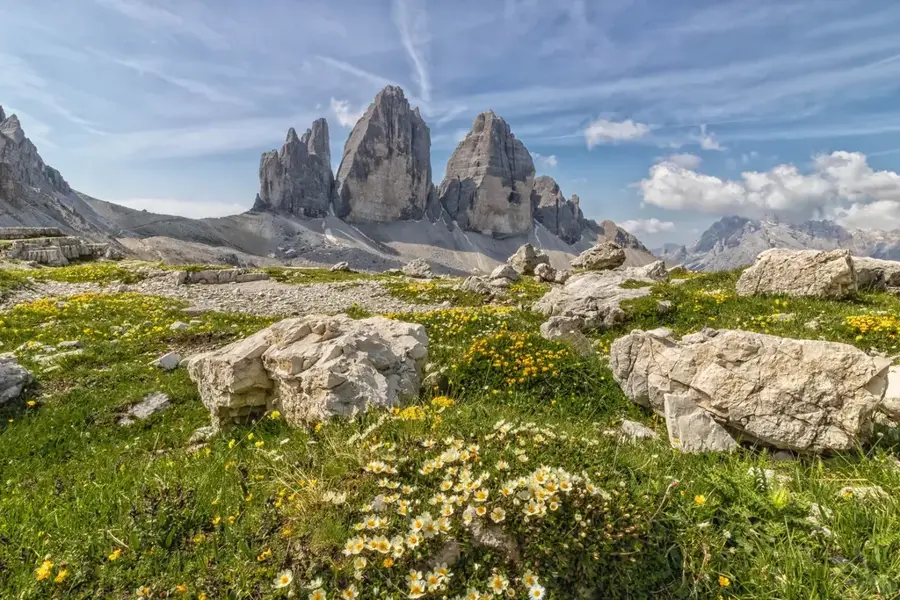
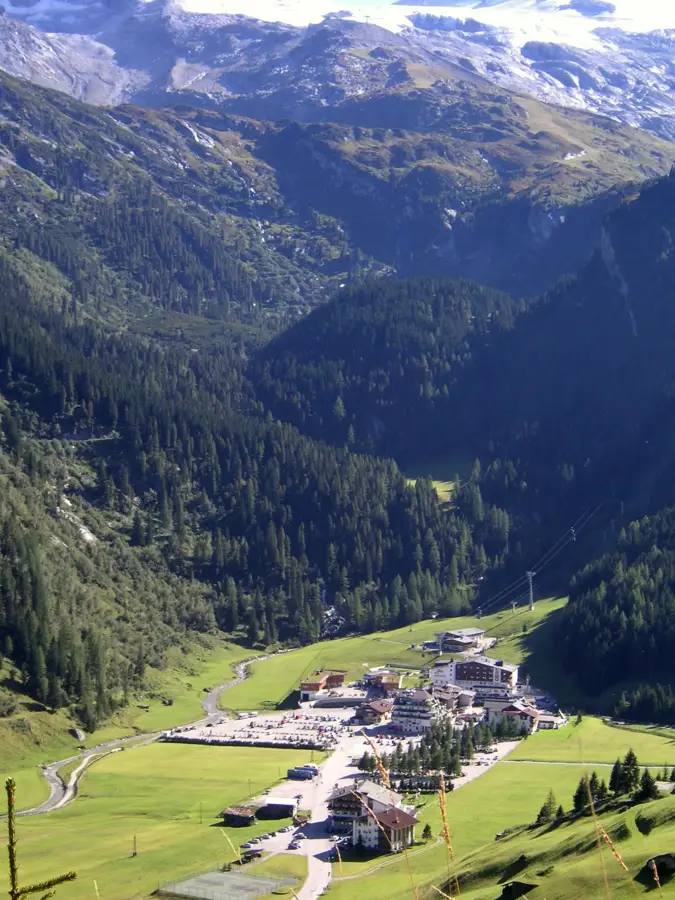
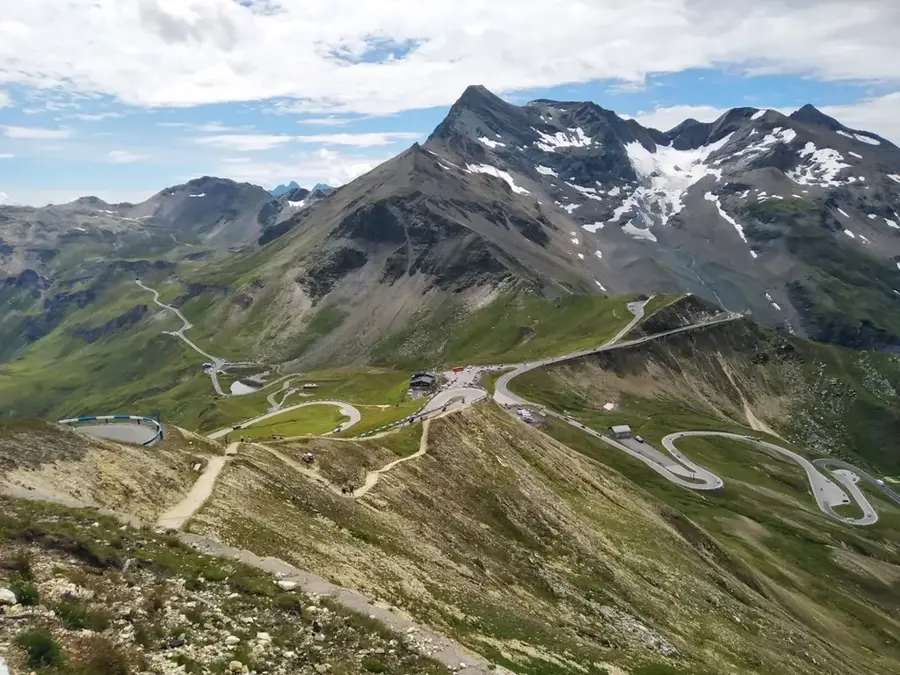
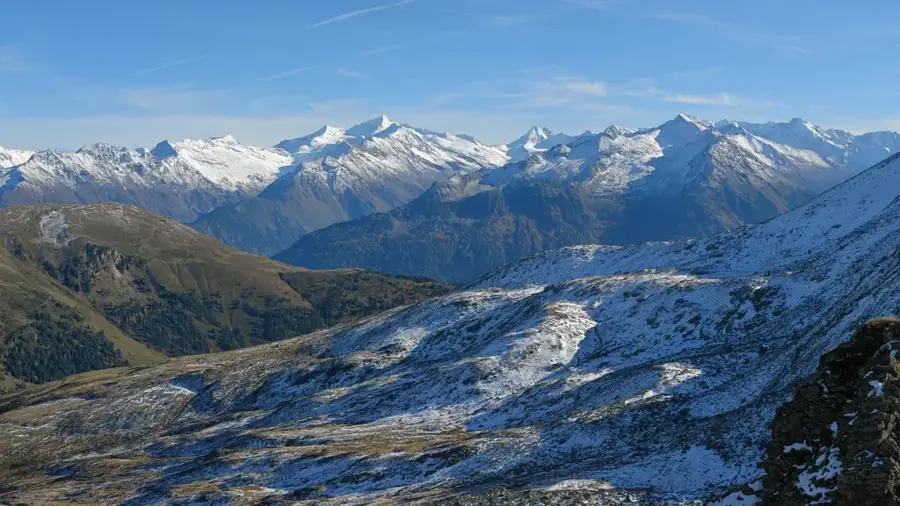
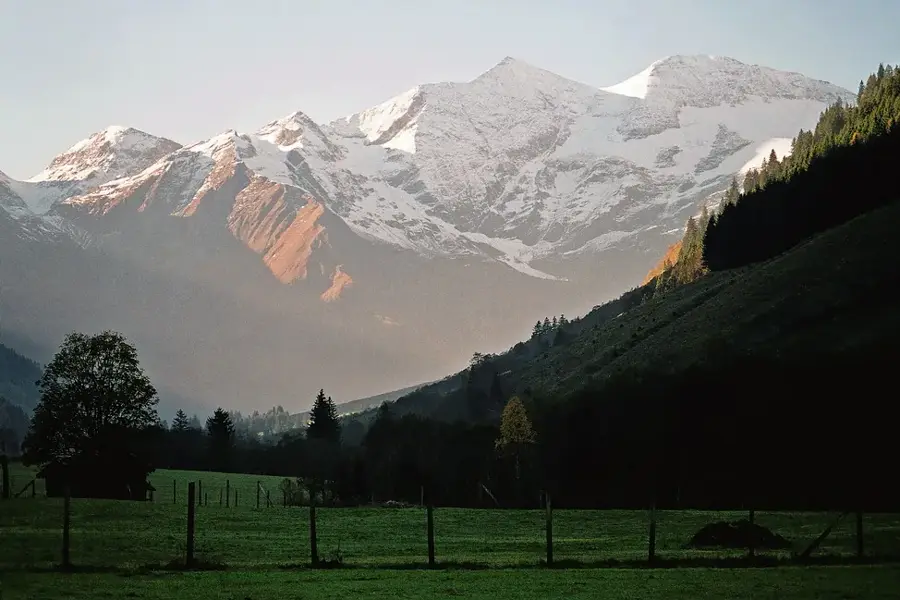
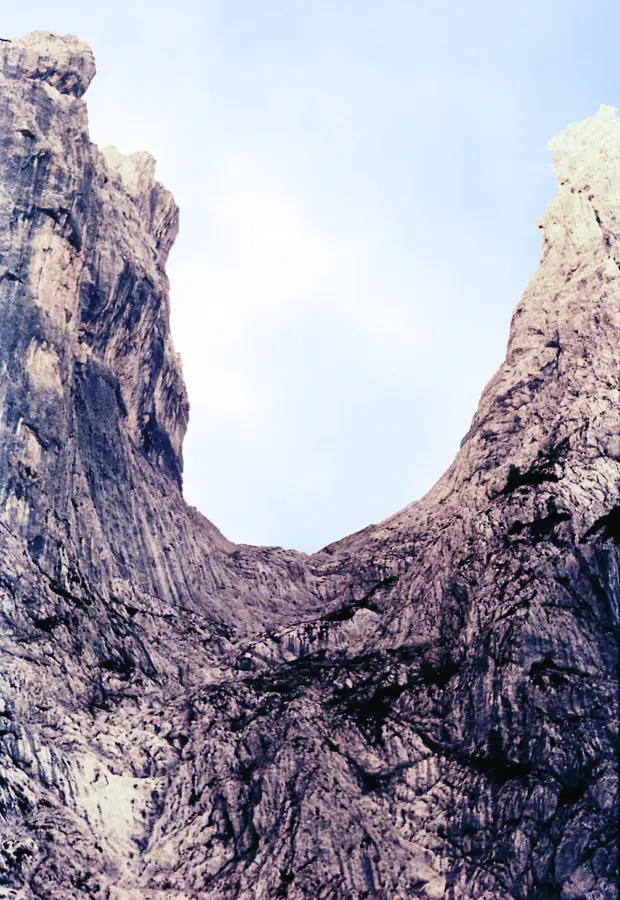
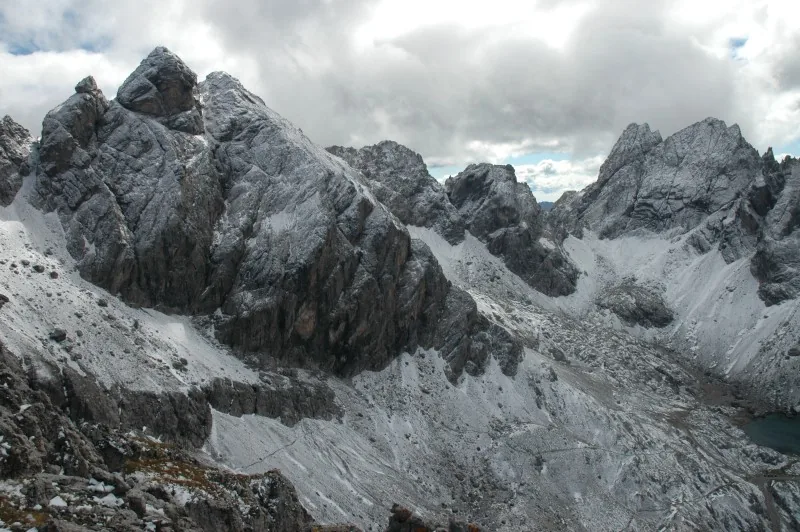
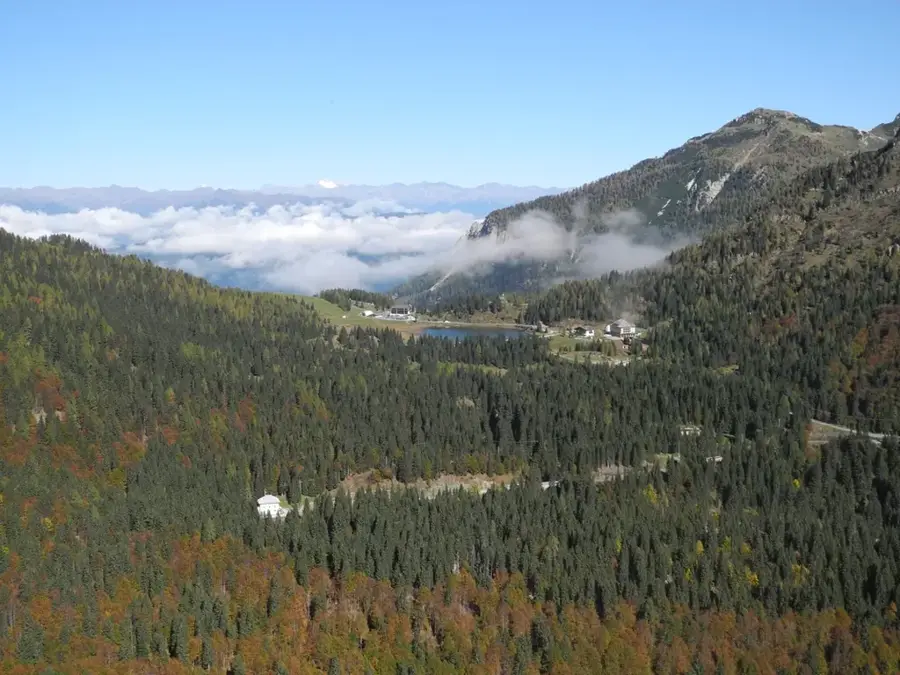
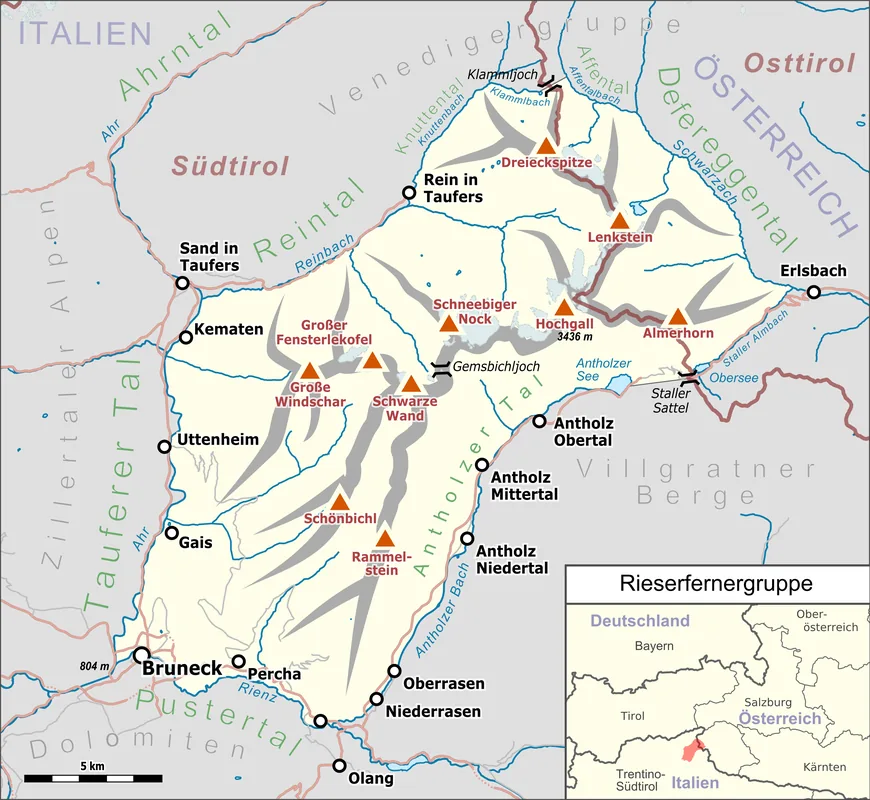
The Great Rieserferner (Großer Rieserferner) is a prominent glacier located in the Rieserferner Group of the Central Alps, situated on the border between Austria and South Tyrol. It lies beneath the Hochgall, which stands at 3,436 meters as the highest peak in the range. The glacier is a core component of the Rieserferner-Ahrn Nature Park, renowned for its pristine high-alpine landscapes and rich biodiversity. In recent decades, like many other Alpine glaciers, the Rieserferner has experienced a significant reduction in ice mass due to climate change, altering the visual landscape of the high peaks. Geologically, the area is characterized by crystalline rocks such as tonalite and gneiss. The meltwater from the glacier feeds mountain streams that are vital to the regional ecosystem. For mountaineers, traversing the glacier represents a serious challenge that requires specialized equipment and extensive high-altitude experience.

Best time to visit & climate

The most pleasant time to visit is Jun–Aug.

JanFebMarAprMayJunJulAugSepOctNovDec
Avg °C-9-8-42610121273-2-7
Rain mm57496577121143157162107927761

📋 Practical info

🧭
Getting there
Advancing into the glaciated high regions near the South Tyrolean border usually requires navigating via narrow and highly remote mountain roads deep within East Tyrol. The final approaches take place strictly on foot and mostly begin at high-altitude waypoints or completely solitary mountain huts.
📅
Best season
Expeditions onto the ice surfaces are almost exclusively carried out in the mid-to-late summer months when the rough access paths are mostly free of deep winter snow. Excellently trained ski mountaineers occasionally venture here in very late winter under demonstrably and absolutely stable conditions.
⛰️
Terrain & paths
The barren landscape captivates with absolute high-alpine extremes, dominated by loose moraine rubble, deeply crevassed glacial ice, and the prominent border peaks of the Rieserferner Group. Direct movement on the glacier means constant navigation through dangerous crevices and across bare, steep ice.
🎒
What to bring
Complete and fully professional glacier equipment is not merely recommended here but absolutely mandatory, including crampons, a sturdy ice axe, a climbing harness, and safety ropes. Extremely robust, completely waterproof mountain boots and thick insulating clothing are vital for surviving these freezing temperatures.
🅿️
Parking
Small, very rough, and unpaved parking niches can sometimes be found at the extreme ends of the secluded access valleys, still far below the actual glacial basin. The extremely limited space conditions perfectly reflect the wild and isolated character of this demanding mountain region near the border.
⚠️
Safety
Unsecured crossing of the ice without a protecting rope team or a knowledgeable mountain guide is simply suicidal due to the omnipresent danger of hidden, bottomless glacial crevices. The weather at this extreme altitude can often deteriorate into a life-threatening, blinding blizzard within a matter of minutes.
⏱️
Time needed
Approaching the glacier and somewhat safely traversing its icy surface is an enormously extensive project that practically always fully requires a multi-day high-alpine expedition. Merely the very steep push from the distant valley up to an adequate support hut frequently takes many agonizing hours of steady climbing.

Geography

Coordinates
46.91670, 12.13330

Facts

  • Hochgall is the highest peak near the glacier, reaching 3,436 meters.
  • The Rieserferner-Ahrn Nature Park was officially established in 1988.
  • The Rieserferner massif is geologically composed of tonalite and gneiss.
  • The glacier's surface area has decreased significantly over the last 30 years.
  • The first successful ascent of the Hochgall peak took place in 1868.
  • The meltwater primarily drains into the Ahrntal and Reintal valleys.

Explore nearby

Notable places around
Route planner — Car & Motorhome

Where do you start? We build the route here, with stops and country notes along the way.

Vehicle
Only stops with (optional):

© OpenStreetMap contributors · OpenRouteService

Sights in the town Great Rieserferner Glacier (3)

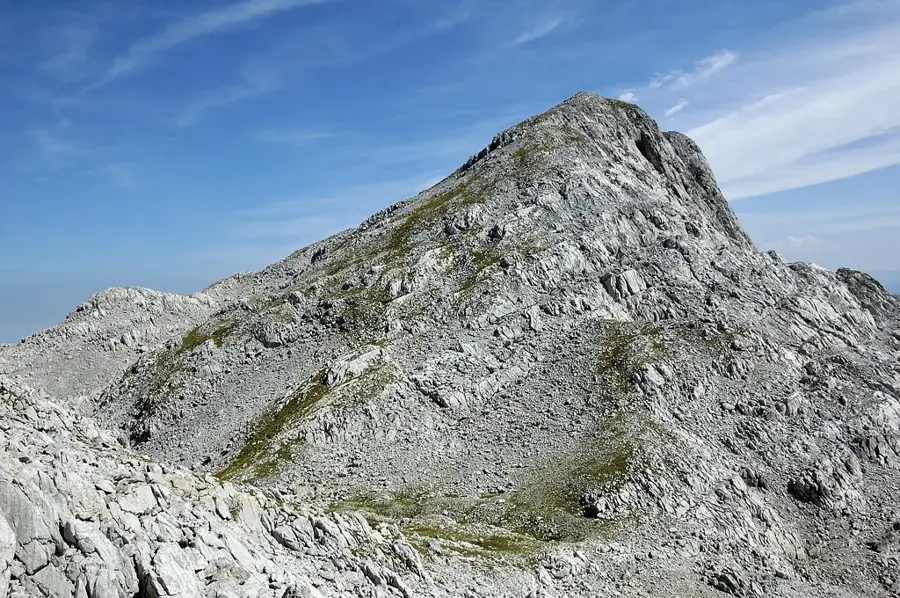
Monte Nevoso - Schneebiger Nock📍 landmark

A prominent peak in the Rieserferner group, offering an impressive view of the glacier.

Große Ohrenspitze - Grande Orecchio📍 landmark

A high mountain peak on the border between South Tyrol and East Tyrol in the Hohe Tauern.

Fenneregg📍 landmark

An imposing mountain in the Villgraten Mountains, which is part of the main Alpine ridge.

Sights nearby

Frequently asked questions

What is the Großer Rieserferner?
It is one of the largest glaciers in the Eastern Alps, on the border with Italy.
Is climbing equipment necessary for the ascent?
Yes, glacier equipment is mandatory for high-altitude tours on the glacier.
When is the best time for a tour?
The summer months from July to September are best suited.
Are there mountain huts nearby?
The Rieserferner hut serves as an important base for mountaineers.
How high is the summit of Hochgall?
The main summit of the group reaches a height of 3,436 meters.
Great Rieserferner Glacier: where is it located?
Great Rieserferner Glacier is located in Hohe Tauern National Park, Austria.
Great Rieserferner Glacier: what is there to see?
Highlights include Monte Nevoso - Schneebiger Nock, Große Ohrenspitze - Grande Orecchio, Fenneregg.
Great Rieserferner Glacier: when is the best time to visit?
The most pleasant time to visit is Jun, Aug.
Great Rieserferner Glacier: why is it worth visiting?

The Great Rieserferner (Großer Rieserferner) is a prominent glacier located in the Rieserferner Group of the Central Alps, situated on the border between Austria and South Tyrol.
View on map → The Top 50 Attractions → OpenStreetMap →
Europe
Explore with Plizio Discover more places in Europe
More places in Austria →

Nearby cities

History & landmarks
Nature
More places