Plizio Visual Lab

Venediger Group
Plizio editorial teamData Sources
Mountain
—°3
Venediger Group (Austria)

Weather…

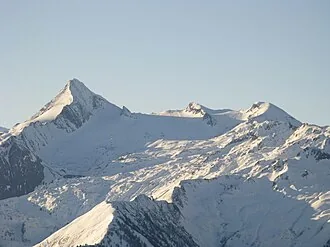
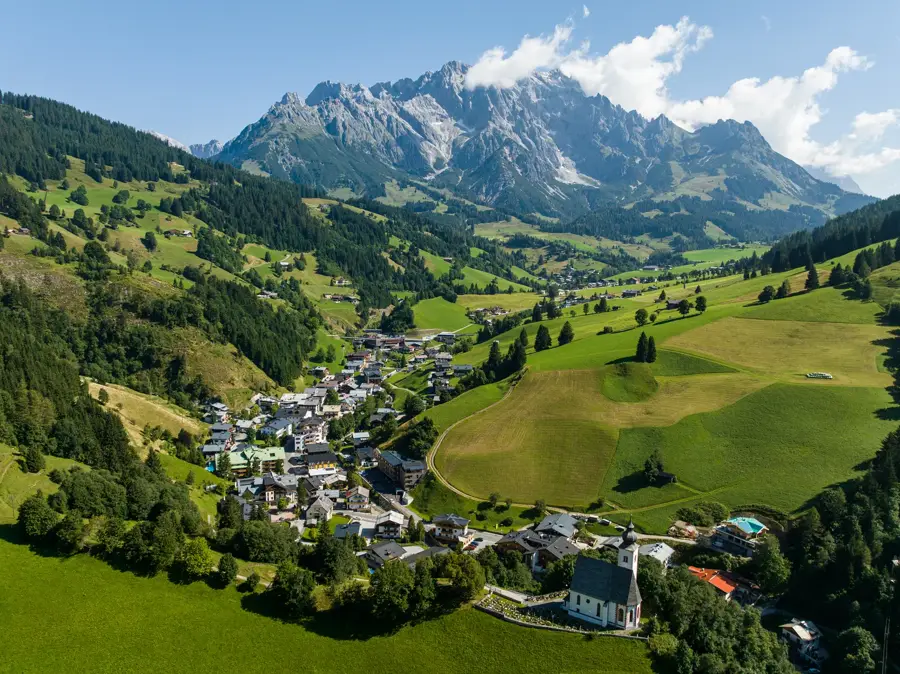
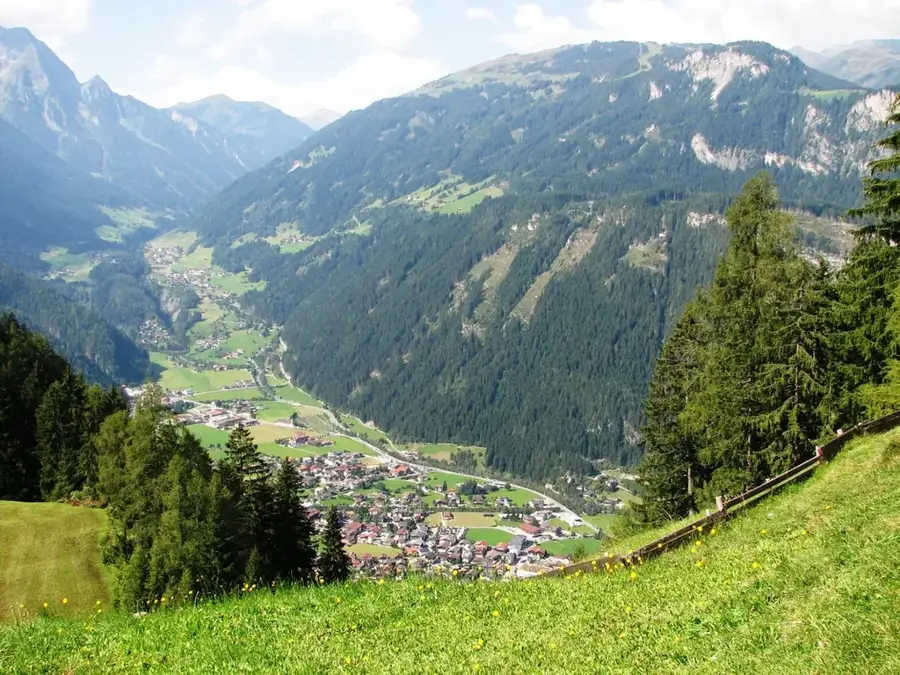
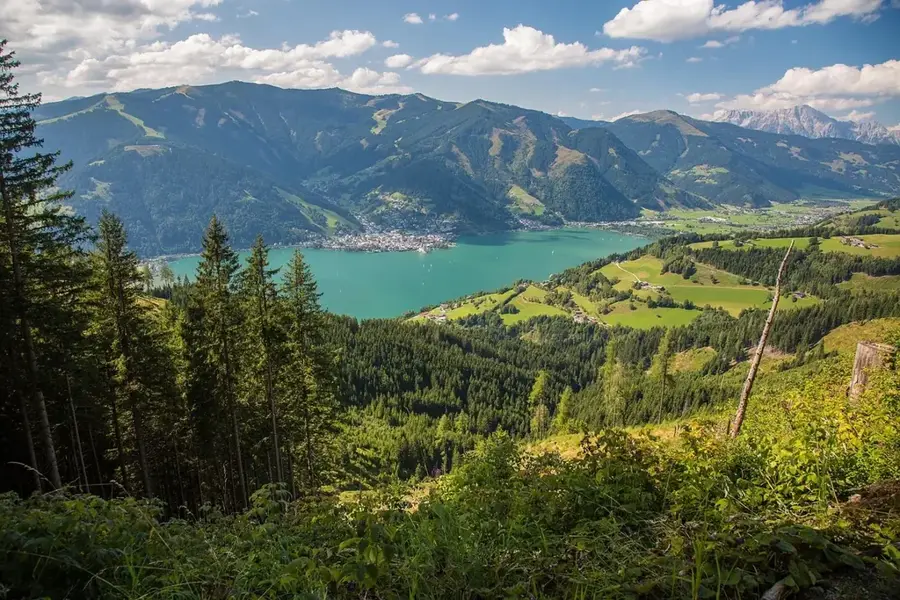
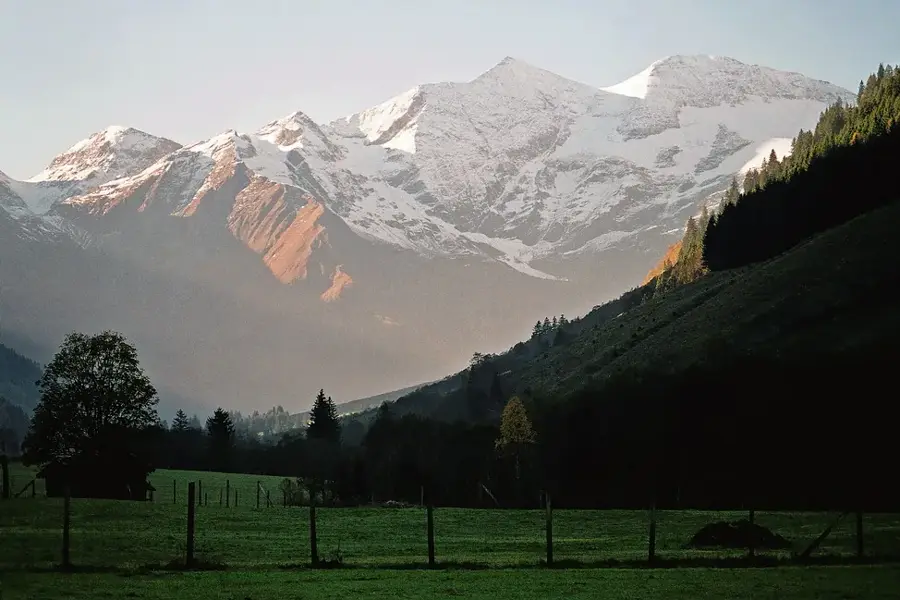
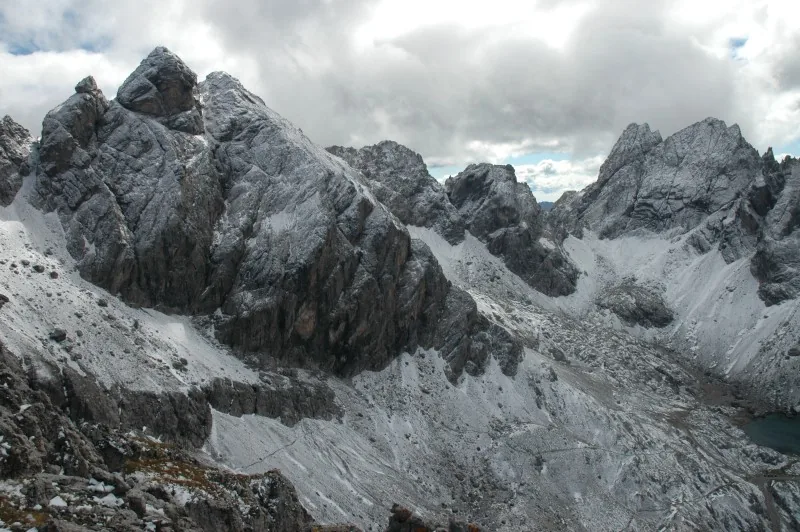
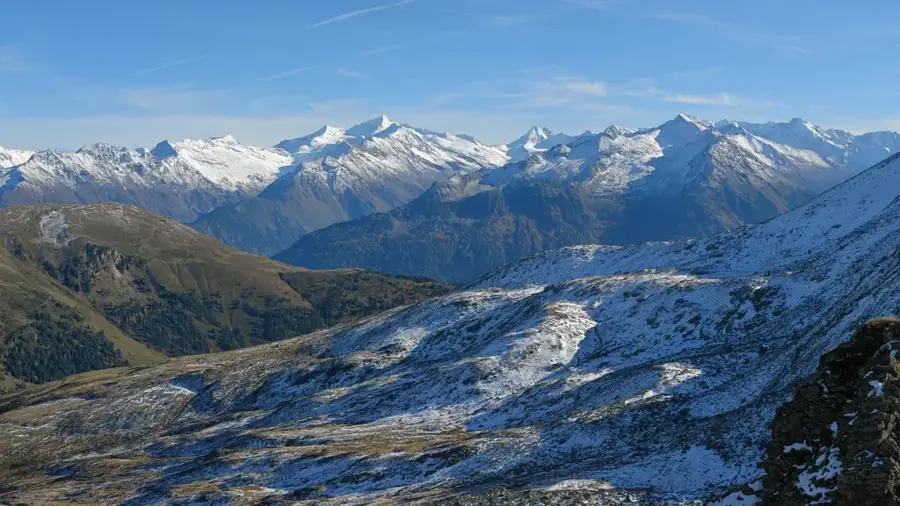
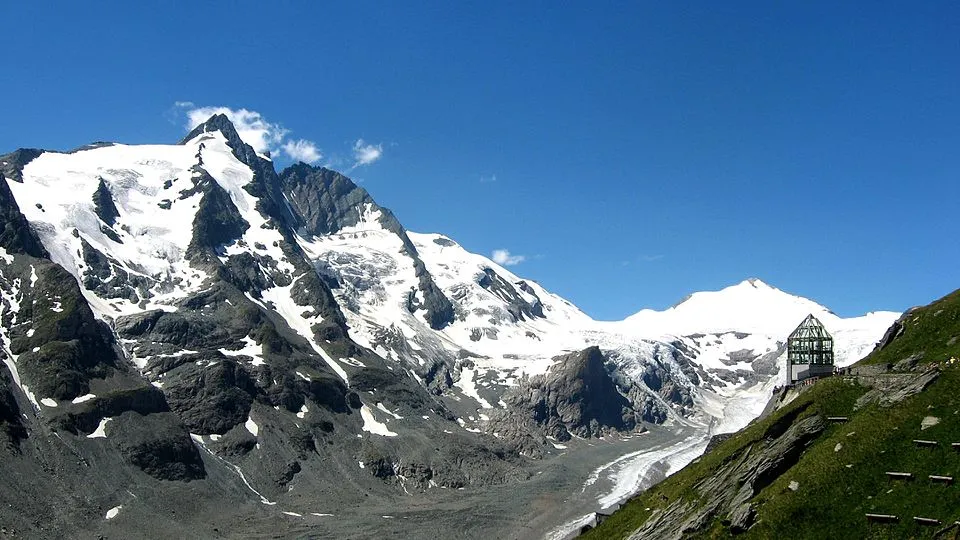
The Venediger Group is a prominent mountain range within the High Tauern, spanning the Austrian states of Tyrol and Salzburg. Its highest peak, the Großvenediger, stands at 3,657 meters and is widely regarded as one of the most elegantly shaped mountains in the Eastern Alps. The region is heavily glaciated, with the Schlatenkees being one of the most significant glacier fields in the area. Geologically, the group belongs to the Tauern Window, characterized by a complex composition of crystalline schists and gneisses. The first successful ascent of the main summit was achieved in 1841 by an expedition led by Ignaz von Kürsinger, following several failed attempts in earlier years. Today, the Venediger Group is a core part of the Hohe Tauern National Park, serving as a major destination for high-altitude mountaineering and a vital site for glaciological research and climate monitoring.

Best time to visit & climate

The most pleasant time to visit is Jun–Aug.

JanFebMarAprMayJunJulAugSepOctNovDec
Avg °C-8-8-42611121284-1-7
Rain mm625572831281511671711191018769

📋 Practical info

🧭
Getting there
The majestic Venediger Group is classically accessed either from the valleys of East Tyrol, such as the Virgental, or from the Pinzgau valleys to the north. Typical staging points for ambitious high-alpine tours include villages like Prägraten or Neukirchen, where specialized mountain taxis often help shorten the lengthy approaches.
📅
Best season
The most reliable timeframe for undertaking classic high-alpine tours across the glaciated zones typically falls during the peak summer months of July and August. In the spring, when the dangerous crevasses are often still solidly bridged by thick winter snow, the region transforms into a massively popular destination for ski mountaineering.
⛰️
Terrain & paths
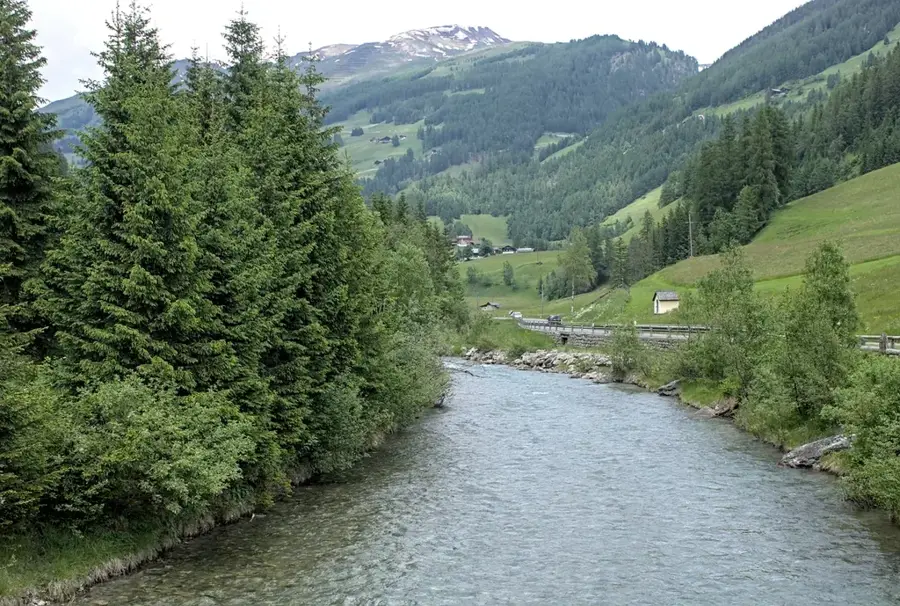
The Venediger Group is a quintessential high-alpine, heavily glaciated realm featuring vast, crevasse-riddled ice fields and striking, often rocky summit pyramids. While the lower valleys offer wonderful, moderate hiking trails, the higher elevations are entirely dominated by demanding, highly exposed, mixed terrain of rock and ice.
🎒
What to bring
Successfully scaling the main peaks absolutely mandates complete and modern glacier travel equipment, fundamentally consisting of crampons, an ice axe, a harness, and a rope. For hikes approaching the glacier snout, rigid mountain boots, warm, weatherproof alpine clothing, and sufficient trail provisions are naturally expected.
🅿️
Parking
Adequate designated parking areas, which very frequently require a daily fee, can generally be found in the main valley towns and at the terminii of the tolled access roads. Nevertheless, on heavily frequented summer weekends, arriving in good time remains highly advisable to secure a convenient spot close to the respective trailheads.
⚠️
Safety
Navigating the expansive glaciers carries significant objective hazards due to snow-hidden crevasses, sudden icefall, and incredibly rapid, dramatic deteriorations in the weather. High-altitude tours in this specific environment should fundamentally only be attempted by skilled roped parties or under the direct leadership of a certified guide.
⏱️
Time needed
A classic summit ascent of the prominent Großvenediger is typically structured as a highly demanding two-day expedition, featuring an overnight stay at either the Kürsinger or Defregger mountain hut. Those wishing to simply explore the valleys can easily fill an entire week with relaxed day hikes or multi-day trekking on the high trails.

Geography

Coordinates
47.10000, 12.33330

Facts

  • Großvenediger is the fourth highest mountain in Austria at 3,657 meters.
  • The first successful ascent of the main peak occurred on September 3, 1841.
  • Schlatenkees is the largest glacier within the Venediger Group range.
  • The mountain group contains approximately 20 peaks exceeding 3,000 meters.
  • Geologically, the area is part of the crystalline Tauern Window.
  • The name likely refers to early traders traveling toward Venice.

Explore nearby

Notable places around
Route planner — Car & Motorhome

Where do you start? We build the route here, with stops and country notes along the way.

Vehicle
Only stops with (optional):

© OpenStreetMap contributors · OpenRouteService

Sights in the town Venediger Group (3)

Großer Geiger📍 landmark

Großer Geiger is a shapely, glaciated mountain peak in the Venediger Group of the Hohe Tauern.

Großvenediger📍 landmark

At 3,657 meters, the Großvenediger is the highest peak in the Venediger Group and a landmark of the Eastern Alps.

Rainerhorn📍 landmark

Rainerhorn is a significant peak in the Venediger Group, often climbed as part of a Großvenediger tour.

Sights nearby

Frequently asked questions

What is the main peak of this group?
The Großvenediger at 3,657 m is the highest and most famous mountain in the group.
Why is it called Großvenediger?
There are legends that you can see as far as Venice from the summit, though this is geographically unlikely.
Does the region belong to a national park?
Yes, a large part of the Venediger Group is located in the Hohe Tauern National Park.
What is the character of the mountains?
They are heavily glaciated and offer classic high-alpine landscapes for experienced alpinists.
When was the first ascent?
The Großvenediger was first climbed on September 3, 1841, by a large expedition.
Venediger Group: where is it located?
Venediger Group is located in Hohe Tauern National Park, Austria.
Venediger Group: what is there to see?
Highlights include Großer Geiger, Großvenediger, Rainerhorn.
Venediger Group: when is the best time to visit?
The most pleasant time to visit is Jun, Aug.
Venediger Group: why is it worth visiting?

The Venediger Group is a prominent mountain range within the High Tauern, spanning the Austrian states of Tyrol and Salzburg.
View on map → The Top 50 Attractions → OpenStreetMap →
Europe
Explore with Plizio Discover more places in Europe
More places in Austria →

Nearby cities

History & landmarks
Nature
More places