Plizio Visual Lab

Gailtal Alps
Plizio editorial teamData Sources
Mountain
—°6
Gailtal Alps (Austria)

Weather…

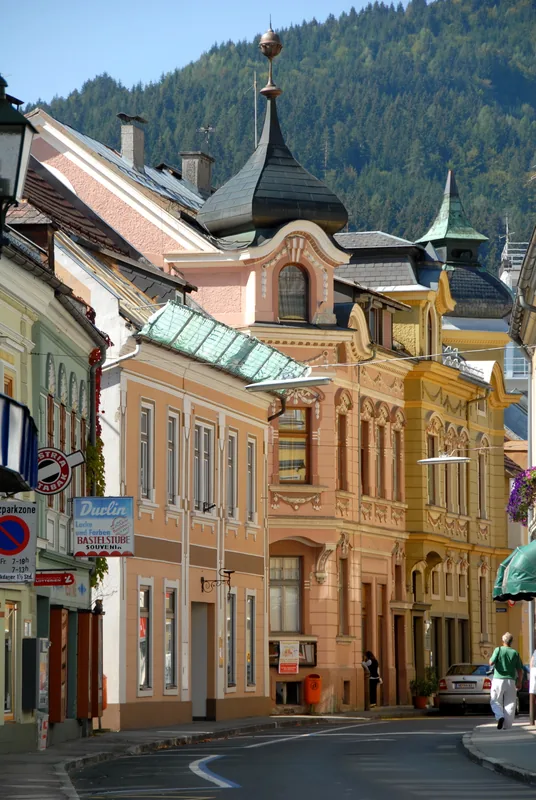
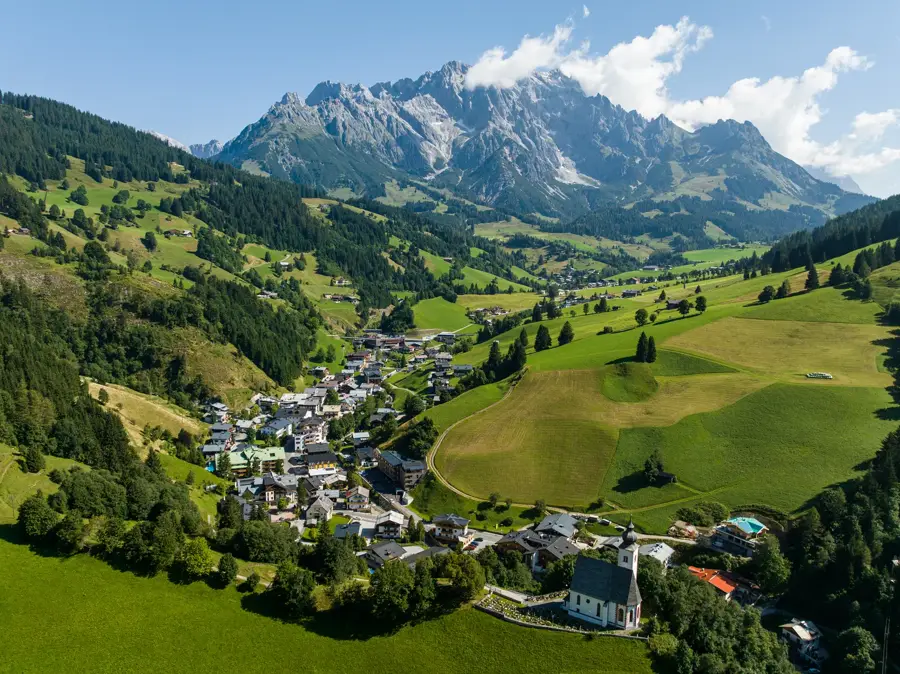
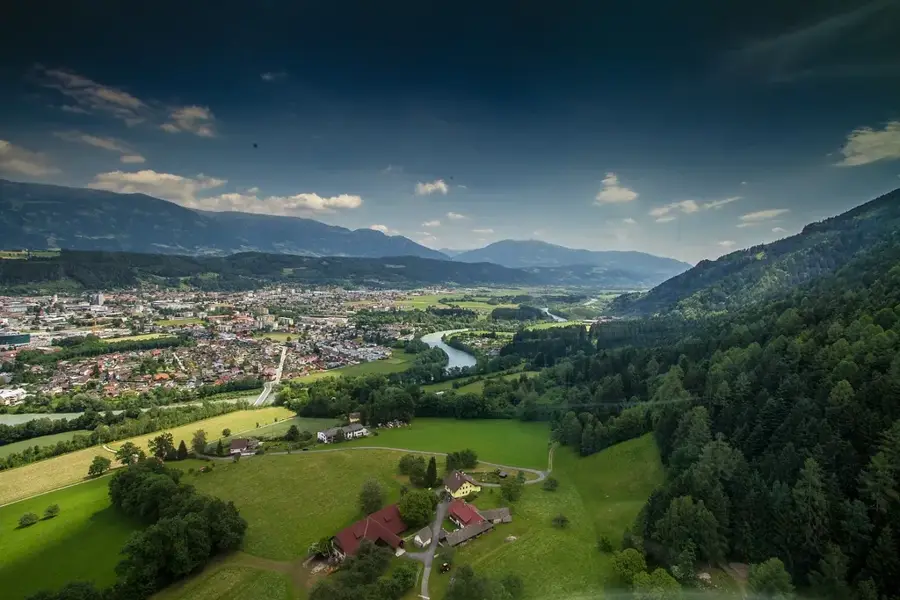
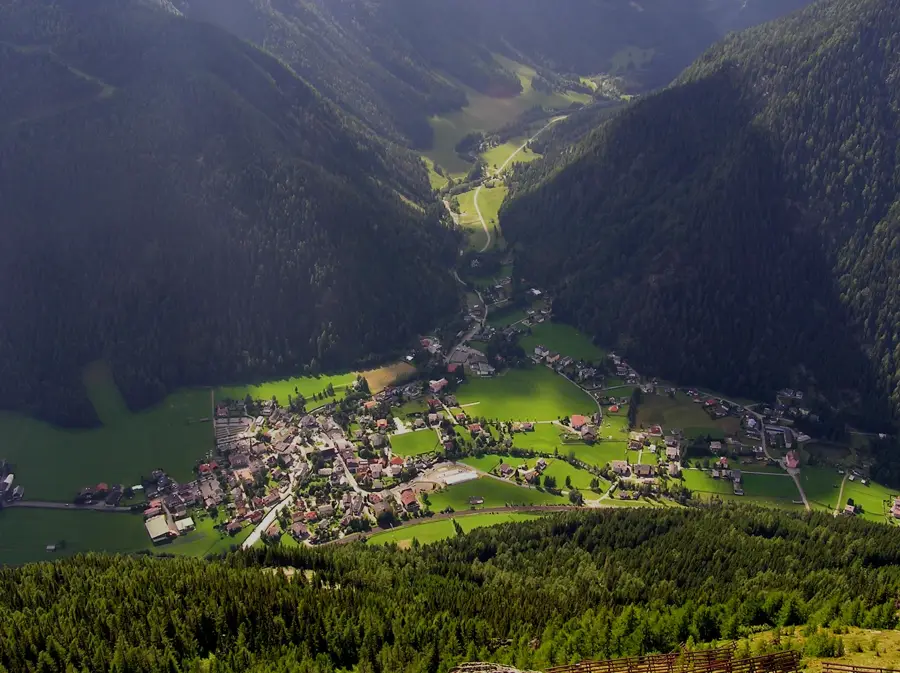
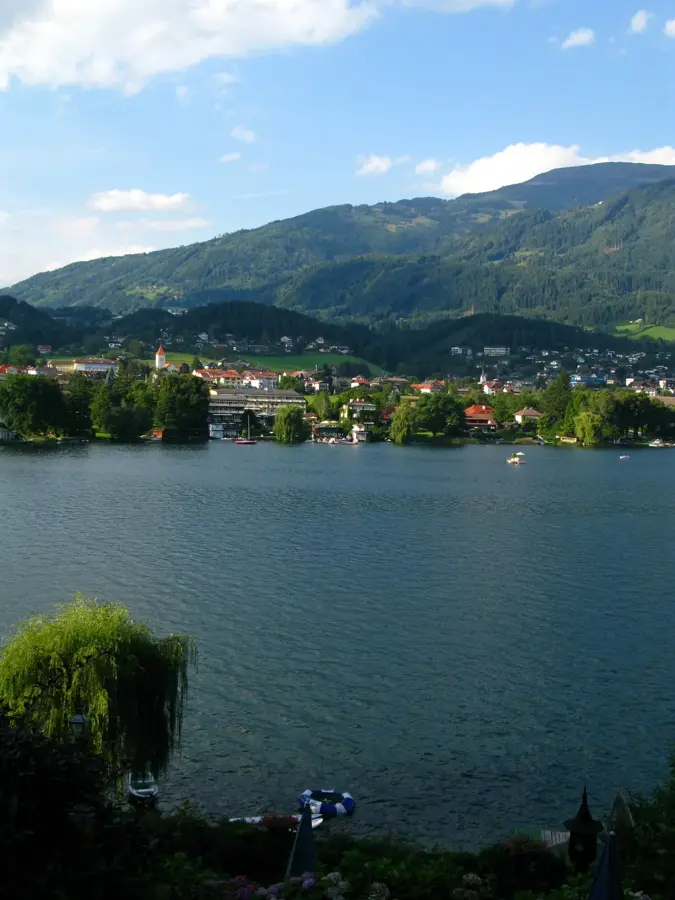
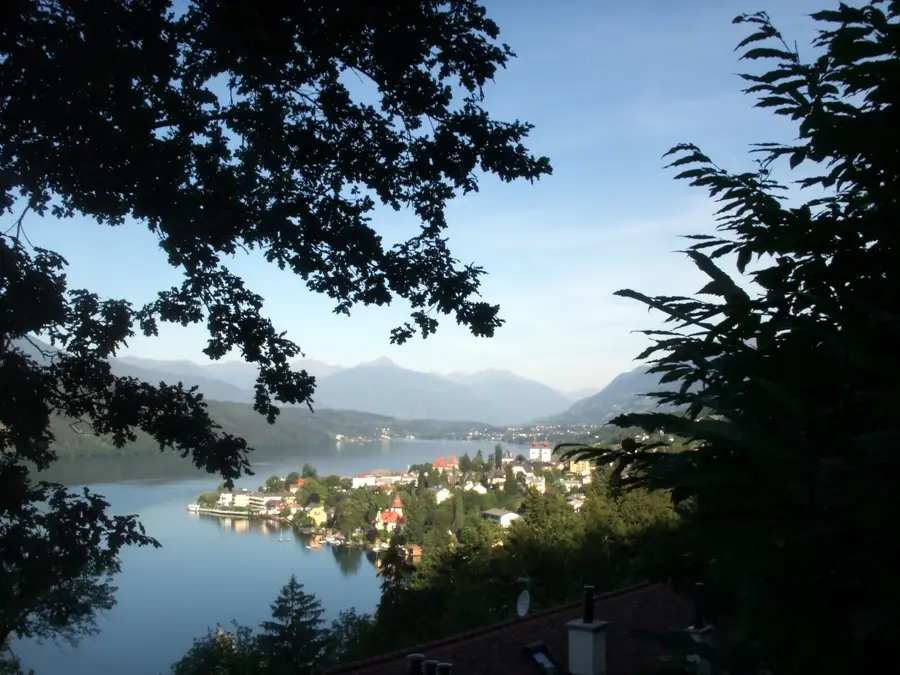
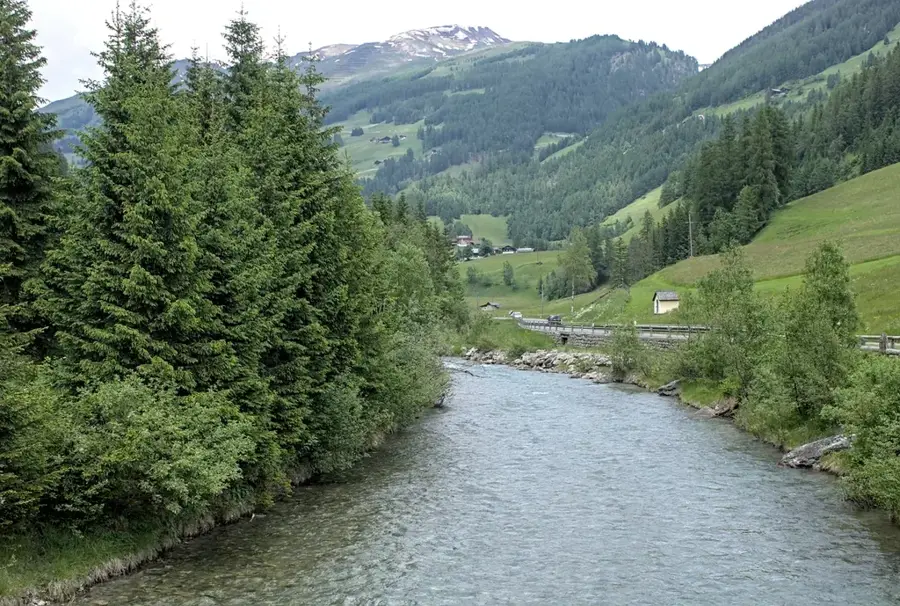
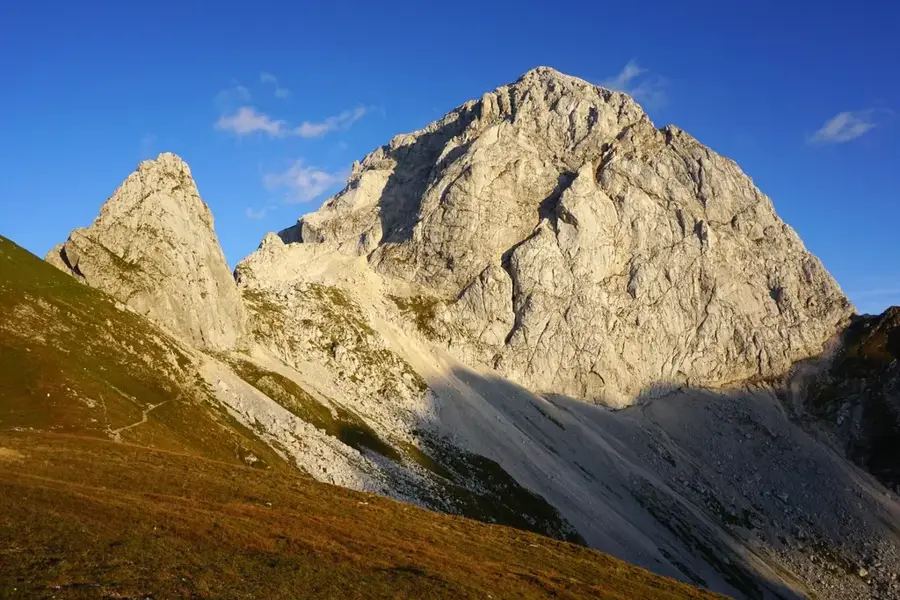
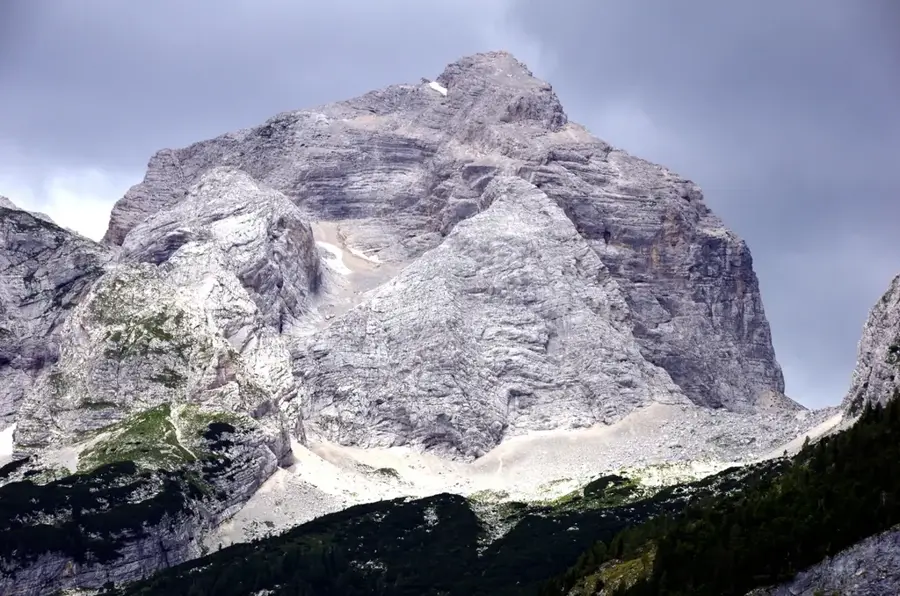
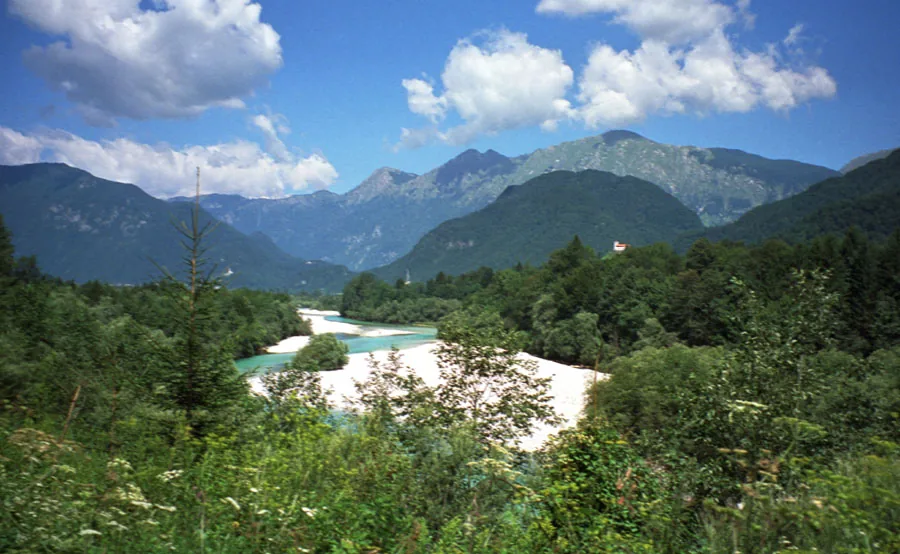
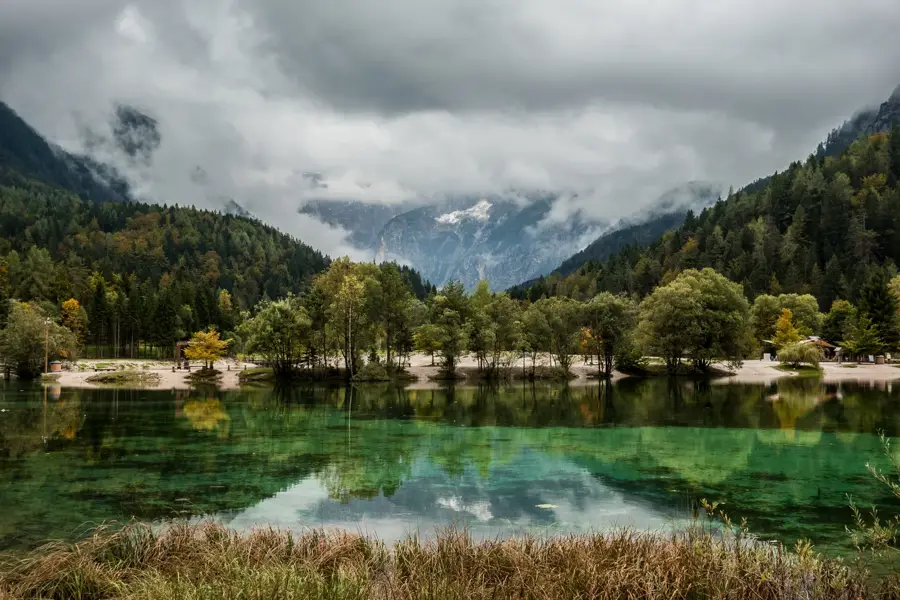
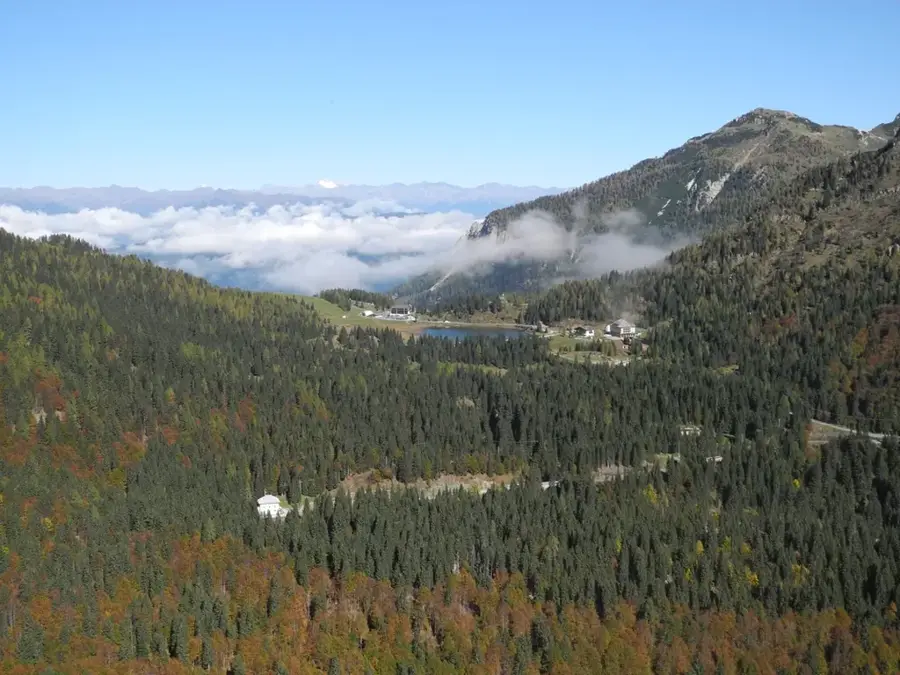
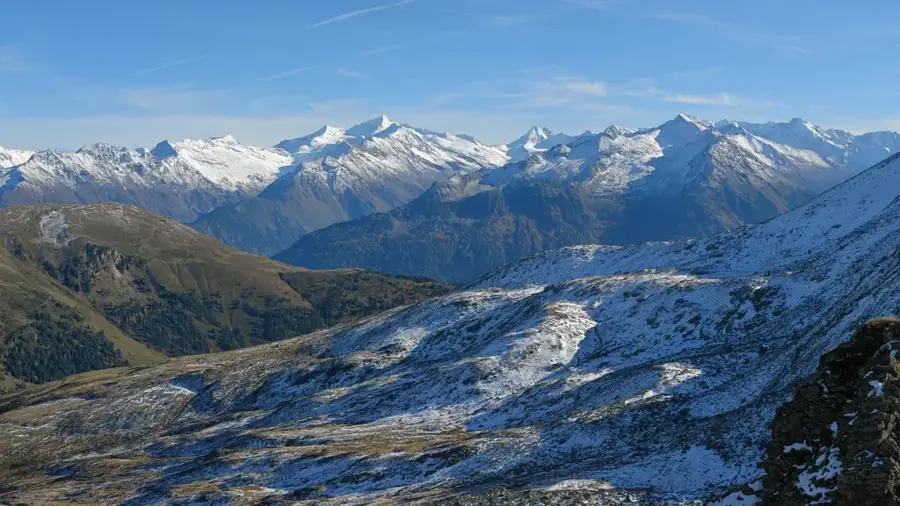
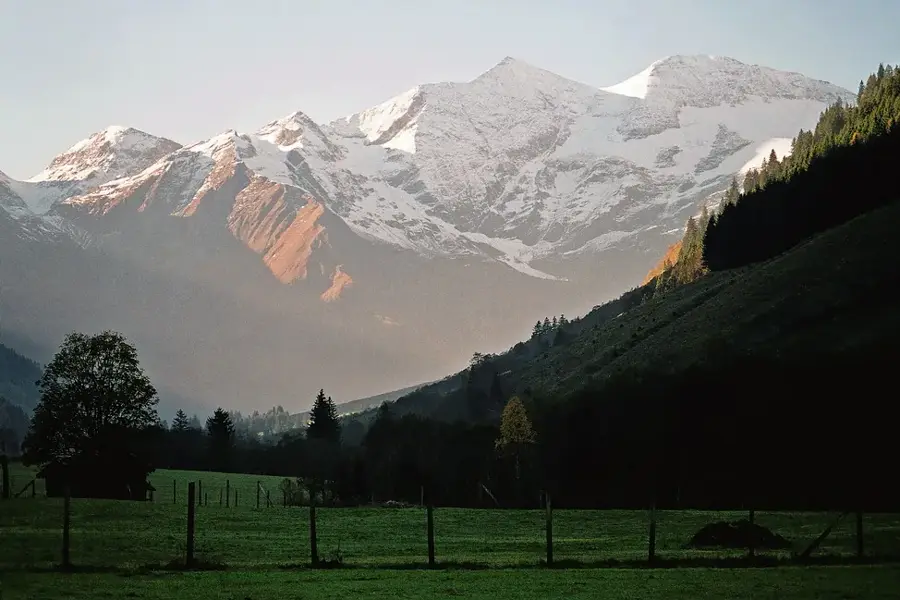
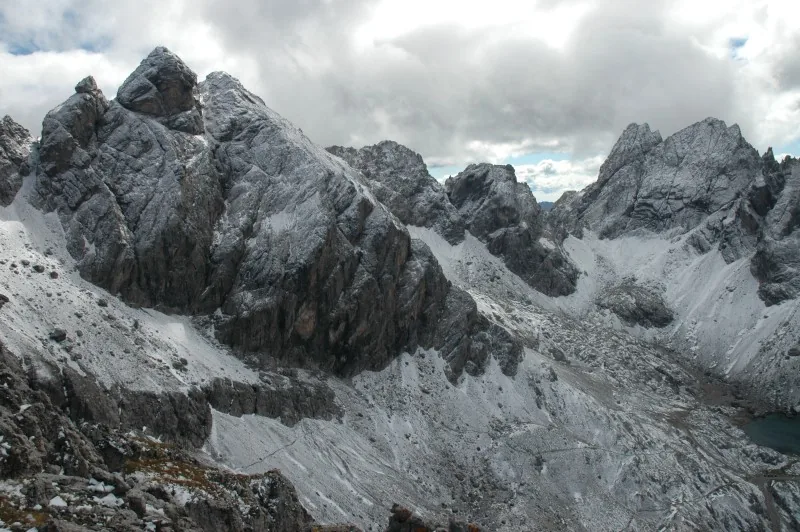
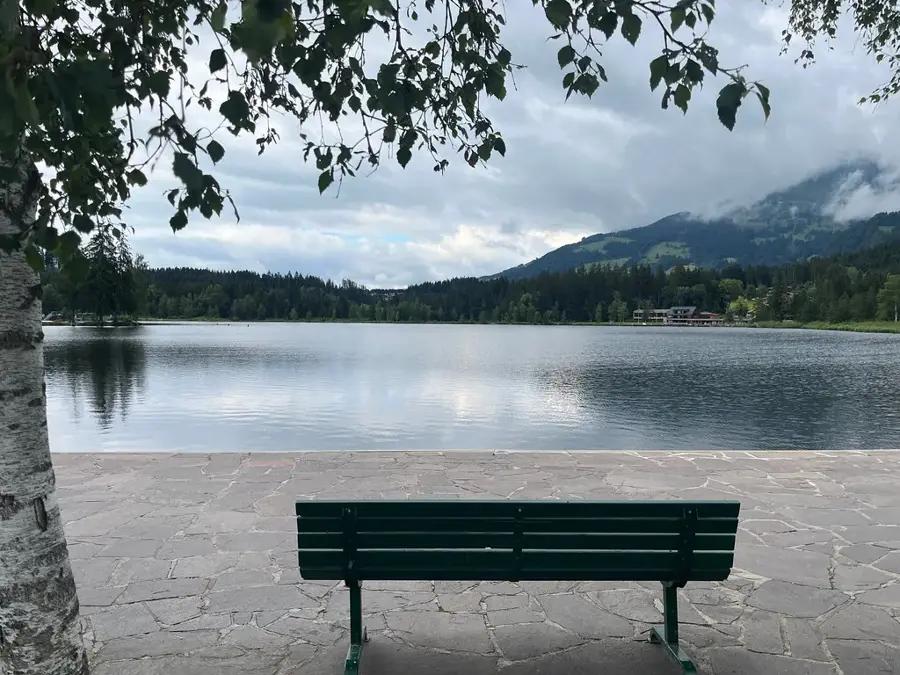
The Gailtal Alps are a mountain range in the Southern Limestone Alps, located in the federal states of Carinthia and East Tyrol. The group is bounded to the north by the Drava Valley and to the south by the Gail Valley, with the striking Lienz Dolomites forming its western part. The highest elevation is the Große Sandspitze at 2770 meters, located in the Lienz Dolomites and known for its spectacular rock faces. Geologically, the range is characterized by a mix of limestone and dolomite, leading to a rugged and varied topography. A special highlight of the region is the Weissensee, the highest among the large Carinthian swimming lakes, famous for its purity and reliable ice in winter. The flora is distinguished by a high density of endemic species, attributable to its southern location and ice-age refugia. Historically, the region was shaped by mining and alpine farming, with many alpine pastures now serving tourism. For hikers, the Gailtal Ridge Walk (Gailtaler Höhenweg) has a demanding multi-day tour with grandiose views of the opposing Carnic Alps. The region is an important local recreation area, providing a wide range of activities in both summer and winter.

Best time to visit & climate

The most pleasant time to visit is Jun–Aug.

JanFebMarAprMayJunJulAugSepOctNovDec
Avg °C-4-227111618171283-2
Rain mm5964778711612012914712212312887

📋 Practical info

🧭
Getting there
Access to the Gailtal Alps is mostly facilitated by winding mountain passes and smaller secondary roads that branch off from the large valleys of the Drava and Gail. Numerous well-marked hiking trails begin directly at the higher-altitude mountain villages or the regional alpine roads.
📅
Best season
High summer and early autumn offer the most reliable and stable conditions for extended long-distance hikes across this prominent mountain range. Heavy snowfall in winter makes the region interesting for ski touring, but many of the high passes become completely impassable then.
⛰️
Terrain & paths
The landscape in this border region is enormously diverse, ranging from forested slopes to razor-sharp limestone peaks and steep mountain ridges. Hikers frequently encounter a demanding mix of broad alpine meadows and very rough, stony paths that require absolute surefootedness.
🎒
What to bring
High-quality, sturdy mountain boots, breathable clothing layers, and absolutely reliable weather protection are fundamental requirements for explorations here. In the steeper sections of the Gailtal Alps, specific via ferrata equipment may also be necessary for advanced and challenging routes.
🅿️
Parking
Small to medium-sized parking areas are frequently found directly at the end of public mountain roads or in close proximity to cozy local alpine huts. These unpaved trailheads fill up very rapidly during the main hiking season, which is why an early start to the day is warmly recommended.
⚠️
Safety
The weather in these southern mountain groups can change extremely abruptly, rapidly bringing severe thunderstorms or dense fog to the narrow ridges. Hikers must plan their routes conscientiously and be fully aware of the physical strain caused by long, isolated ascents in the rocky terrain.
⏱️
Time needed
The extensive exploration of this elongated alpine chain generally requires multi-day trekking tours, moving steadily from mountain refuge to mountain refuge. A standardized day trip targeting a prominent peak typically demands an average of five to roughly nine hours of pure walking time.

Geography

Coordinates
46.70000, 13.10000

Facts

  • The Große Sandspitze is the highest peak at 2770 meters.
  • Lake Weissensee is situated at 930 meters above sea level.
  • The Gailtal Ridge Walk extends over approximately 150 kilometers.
  • The Lienz Dolomites geologically belong to the Gailtal Alps.
  • The Drava Valley separates the Gailtal Alps from the Central Alps.
  • There are over 100 actively managed alpine pastures in the region.

Explore nearby

Notable places around
Route planner — Car & Motorhome

Where do you start? We build the route here, with stops and country notes along the way.

Vehicle
Only stops with (optional):

© OpenStreetMap contributors · OpenRouteService

Sights in the town Gailtal Alps (6)

Archäologiepark Gurina🏺 historical

An archaeological park featuring ancient remains in the Gailtal Alps.

Reißkofel📍 landmark

Reißkofel is the highest peak in the Gailtal Alps.

Torkofel📍 landmark

Torkofel is a mountain in the Gailtal Alps, near the Nassfeld ski area.

Spitzkofel📍 landmark

Spitzkofel is a pointed peak in the Gailtaler Alps.

Aussichtsplattform DrAUENland🌿 nature

DrAUENland observation platform built in 2007 in the Gailtal Alps.

Waldbad🎡 recreation

A swimming pool in the Gailtal Alps, scenically located near the forest.

Sights nearby

Frequently asked questions

Where are the Gailtal Alps located?
This mountain group is located in Carinthia and East Tyrol, between the Drau and Gail valleys.
What is the highest mountain in the range?
The Große Sandspitze (2,770 m) in the Lienz Dolomites is the highest peak.
Are there lakes in this region?
Yes, Weissensee, the highest swimming lake in the Alps, is located in the heart of the Gailtal Alps.
How difficult are the hiking trails?
Trails vary from family-friendly valley hikes to challenging via ferratas.
Is the region attractive in winter?
Yes, Weissensee in particular is famous for ice skating on natural ice and small ski areas.
Gailtal Alps: where is it located?
Gailtal Alps is located in Hohe Tauern National Park, Austria.
Gailtal Alps: what is there to see?
Highlights include Archäologiepark Gurina, Reißkofel, Torkofel.
Gailtal Alps: when is the best time to visit?
The most pleasant time to visit is Jun, Aug.
Gailtal Alps: why is it worth visiting?

The Gailtal Alps are a mountain range in the Southern Limestone Alps, located in the federal states of Carinthia and East Tyrol.
View on map → The Top 50 Attractions → OpenStreetMap →
Europe
Explore with Plizio Discover more places in Europe
More places in Austria →

Nearby cities

History & landmarks
Nature
More places