Plizio Visual Lab

Jesuit Block
Plizio editorial teamData Sources
Historical site
—°17
Jesuit Block (Argentina)

Weather…

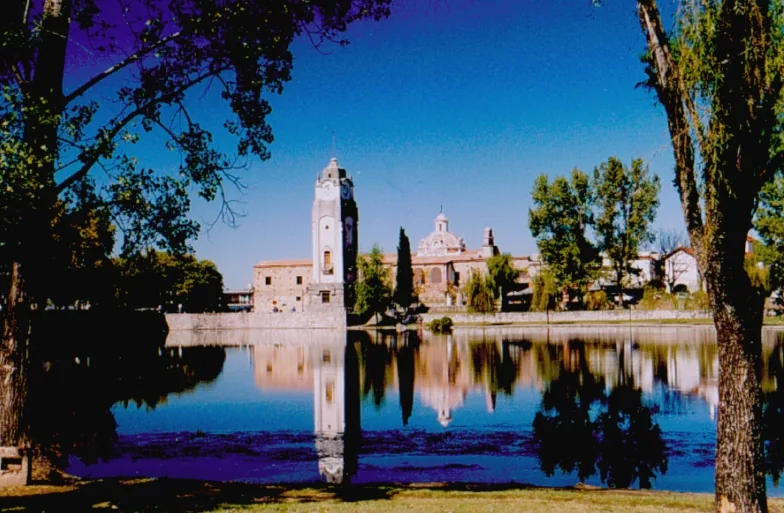
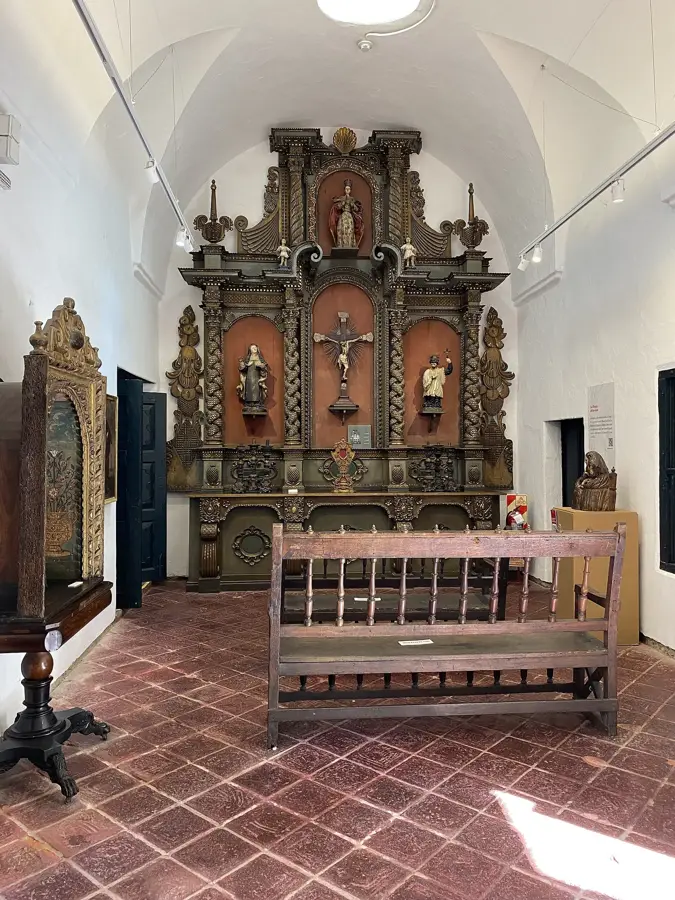
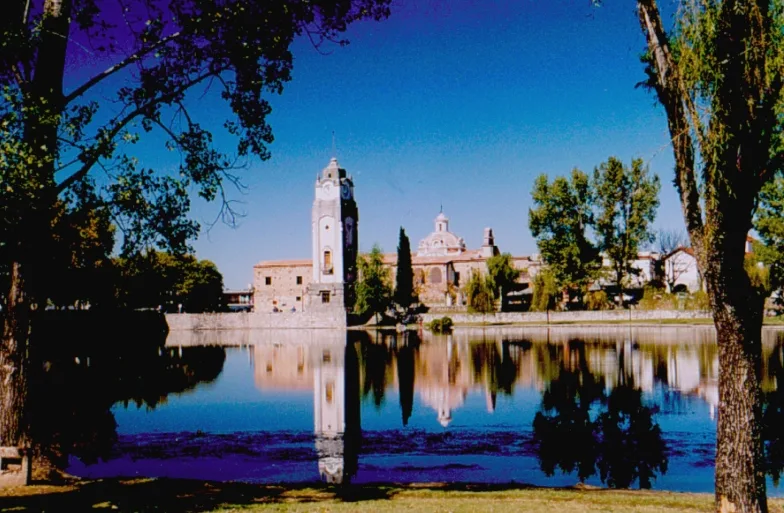
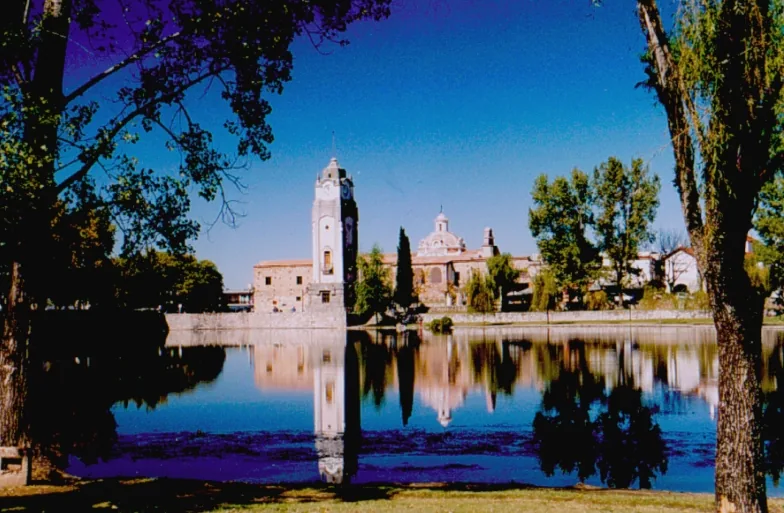
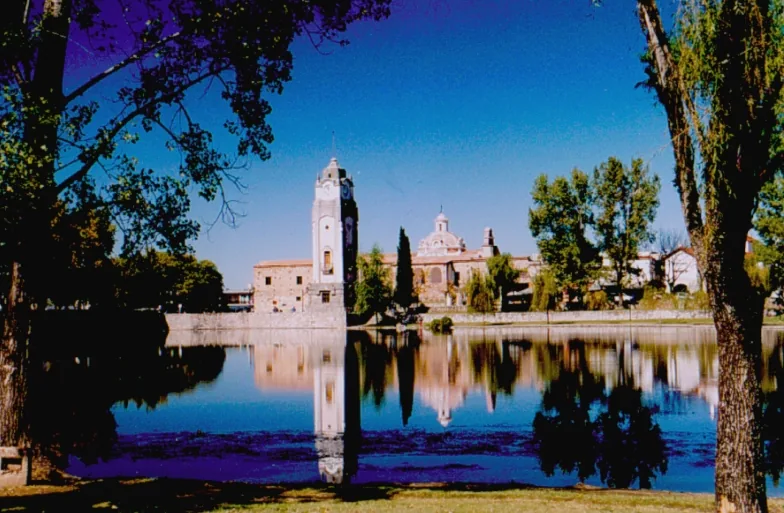
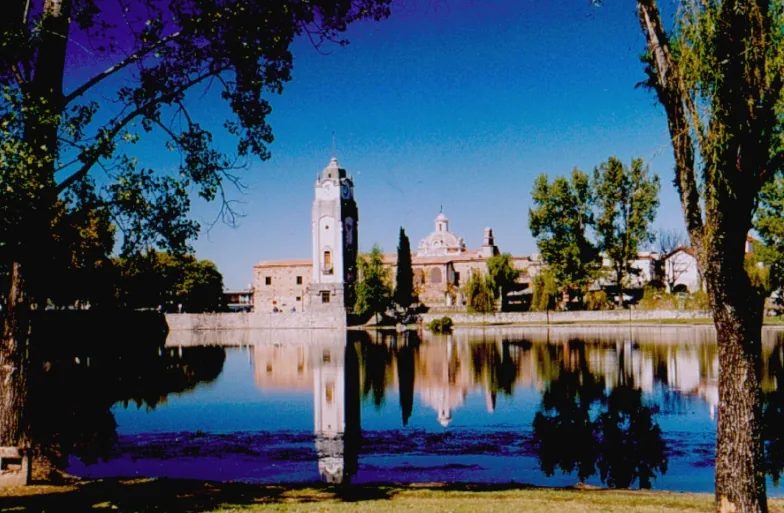
The Jesuit Block (Manzana Jesuítica) in the heart of Córdoba city is an architectural jewel and a monument to Argentina's educational heritage. Established by the Jesuits in the 17th century, the block includes the Church of the Society of Jesus, Montserrat College, the University Rectorate, and the residence of the fathers. Notably, the University of Córdoba, founded in 1613, is the oldest university in Argentina and one of the first in the Americas. The buildings are characterized by massive stone walls, inner courtyards, and Baroque wood carvings, particularly within the chapel of the Jesuit church. Following the Jesuit expulsion in 1767, the Franciscans and later the state took over management, ensuring the buildings continued to serve as centers of knowledge. In 2000, the block, along with surrounding estancias, was declared a UNESCO World Heritage site. Today, it is not only a popular tourist destination but also a spirited part of the university where history and modern education intersect.

Best time to visit & climate

The most pleasant time to visit is Mar, Apr, Oct.

JanFebMarAprMayJunJulAugSepOctNovDec
Avg °C252421181310101215192224
Rain mm12713111564259983271117113

📋 Practical info

🚪
Visiting
The Jesuit Block (Manzana Jesuítica) in Córdoba comprises several historic buildings, including the university, the church, and the college. Most buildings are open to visitors and offer insights into Jesuit architecture and history.
🕒
Typical hours
The individual buildings have different opening hours, usually between 9 AM and 6 PM. The university and church are often open until early evening, while the museum may have a closing day.
📷
Photography
Indoor photography is usually allowed without flash to protect historical frescoes and artworks. In the church and library, special care is required, especially during guided tours.
⏱️
Time needed
For a visit of the entire block, allow at least two hours. If you want to thoroughly explore the museums and the university, estimate three to four hours.
Combine with
The Jesuit Block is in the heart of Córdoba, so a walk to the nearby cathedral and Patio Olmos is recommended. The Museo de Bellas Artes is also just a few minutes' walk away.
🧭
Getting there
The Jesuit Block is located in central Córdoba and is easily reachable on foot if you stay downtown. By bus, you can take the stop „Plaza San Martín”, from where it is just a few steps.
💡
Insider tip
Join one of the free guided tours often offered by university students - they provide amazing insights. Visit the library, one of the oldest in the Americas, but only accessible at certain times.

Geography

Coordinates
-31.41830, -64.18660

Facts

  • Foundation of Córdoba University in 1613
  • The oldest university in Argentina
  • UNESCO World Heritage site since the year 2000
  • Contains the oldest church in the country
  • Montserrat College was founded in 1687
  • The library holds a collection of valuable incunabula

Explore nearby

Notable places around
Route planner — Car & Motorhome

Where do you start? We build the route here, with stops and country notes along the way.

Vehicle
Only stops with (optional):

© OpenStreetMap contributors · OpenRouteService

Sights in the town Jesuit Block (17)

Museo Genaro Pérez🏛 museum

A fine arts museum housed in a heritage mansion in the historic center of Córdoba.

Cabildo🏛 museum

A restored colonial-era town hall featuring whitewashed arches and historic exhibits in Córdoba.

🕒 Mo-Fr 09:00-14:00

Municipalidad de Córdoba🏺 historical

The brutalist-style central municipal administrative building serving the city of Córdoba.

Córdoba Argentina Temple⛪ religious

A Latter-day Saint temple featuring a classic spire design located in Córdoba.

Teatro del Libertador General San Martín🎭 culture

An opulent, 19th-century theater known for its exquisite acoustics and classic Italianate architecture.

Plaza Colón🌳 park

A spacious urban park centered around a prominent historic fountain in Córdoba.

Plaza de la Intendencia🌳 park

A modern, paved municipal square flanked by government buildings in Córdoba.

Antiguo Rectorado - Universidad Nacional de Córdoba🏛 museum

The former rectory building now serves as a museum within Argentina's oldest university, a recognized heritage site.

La Pirámide🏺 historical

This pyramid-shaped monument in Córdoba marks a central historical or urban focal point in the city.

El Descubridor🏺 historical

The sculptural monument pays tribute to explorers and is situated in the public space of downtown Córdoba.

Auditório🎭 culture

The auditorium provides a stage for diverse academic and cultural performances within Córdoba's urban environment.

Casa de arte Alberdi🎭 culture

The art centre in the Alberdi neighbourhood promotes community art workshops and exhibitions to strengthen the local cultural scene.

🕒 Mo-Sa 08:00-20:00

Posnoviciado Salesiano "Miguel Rua"⛪ religious

The Salesian facility serves as a training centre for religious members and includes its own chapel for communal prayers.

Capilla Sagrada Familia⛪ religious

The small Holy Family chapel has a quiet place for prayer within a residential area of Córdoba.

Chimenea de la Iggam📍 landmark

The tall industrial chimney is a relic of a former factory, standing as a testament to Córdoba's industrial past.

Ex Cárcel Barrio San Martín📍 landmark

The abandoned prison building in the San Martín neighbourhood is a sombre historical site of urban penal history.

El Edificio Raquítico📍 landmark

This unusually narrow building catches the eye as an architectural curiosity in the streetscape of Córdoba.

Sights nearby

Frequently asked questions

What is Manzana Jesuítica?
It is a UNESCO heritage ensemble in Córdoba with a Jesuit church, university, and historic buildings. It shows the Jesuits’ power and educational role in colonial times.
How much time do you need for the visit?
1 to 2 hours is usually enough for the core area. With the church, museum, and surroundings, it can easily become half a day.
Is the site family-friendly?
Yes, because the walks are short and the content is easy to understand. With children, it is best combined with a break in the center.
When is the best time for photos?
Early morning and late afternoon are nicest, when the facades look softer. The city center is also calmer then.
What is Manzana Jesuítica known for?
It is known as the heart of Córdoba’s Jesuit heritage and an important part of Argentine cultural history. Education, religion, and architecture meet here.
Jesuit Block: where is it located?
Jesuit Block is located in Argentina.
Jesuit Block: what is there to see?
Highlights include Museo Genaro Pérez, Cabildo, Municipalidad de Córdoba.
Jesuit Block: when is the best time to visit?
The most pleasant time to visit is Mar, Apr, Oct.
Jesuit Block: why is it worth visiting?
The Jesuit Block (Manzana Jesuítica) in the heart of Córdoba city is an architectural jewel and a monument to Argentina's educational heritage.
View on map → The Top 50 Attractions → OpenStreetMap →
South America
Explore with Plizio Discover more places in South America
More places in Argentina →

History & landmarks

Nature

More places