Plizio Visual Lab
Yamchun Fortress
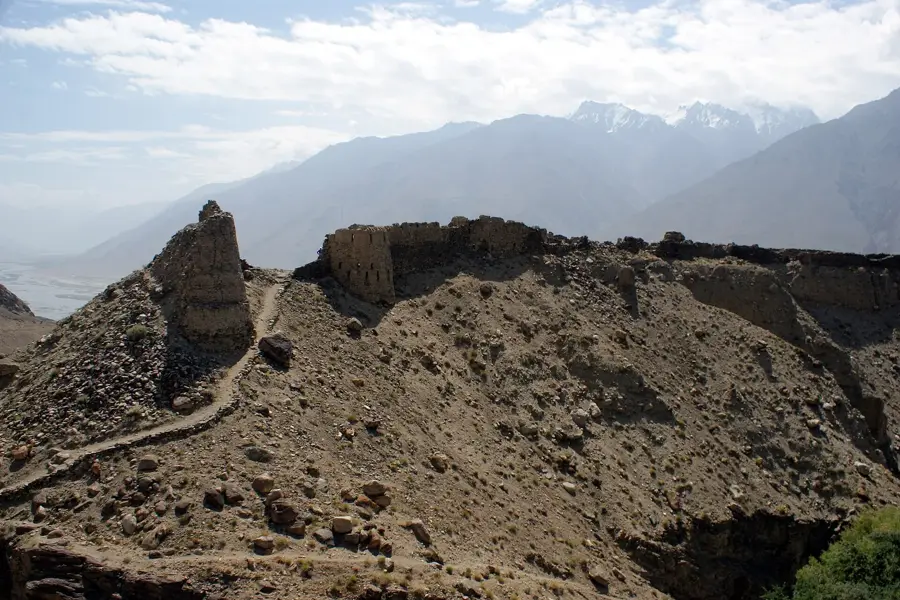
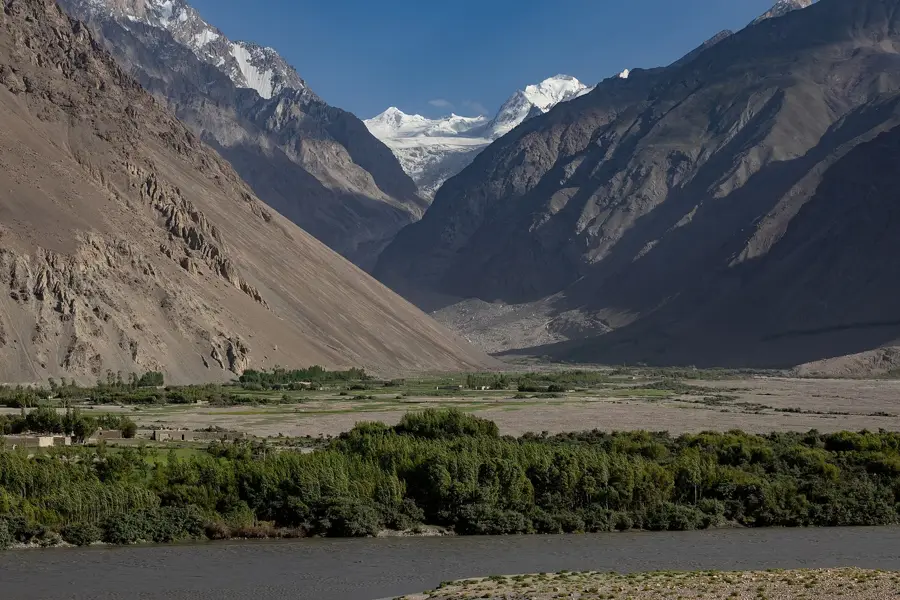
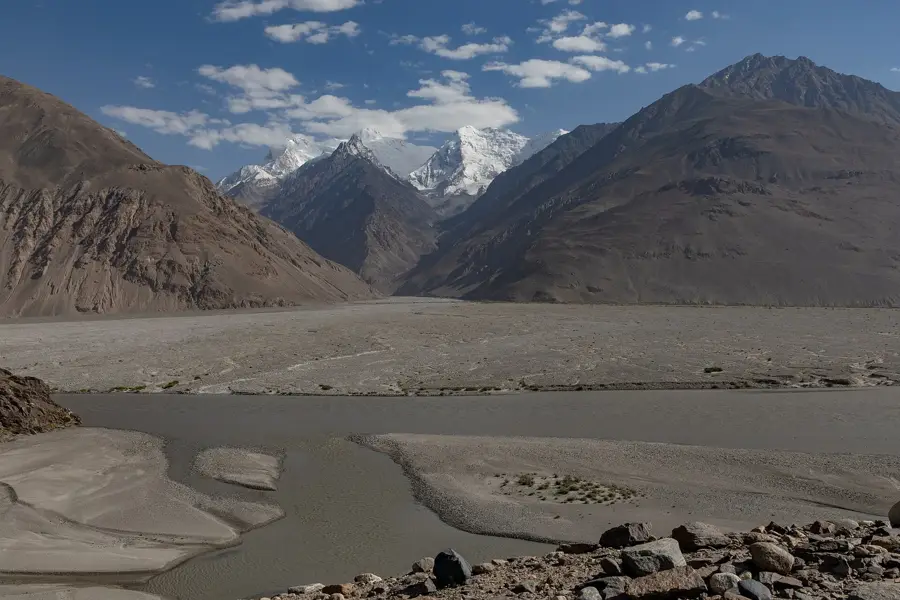
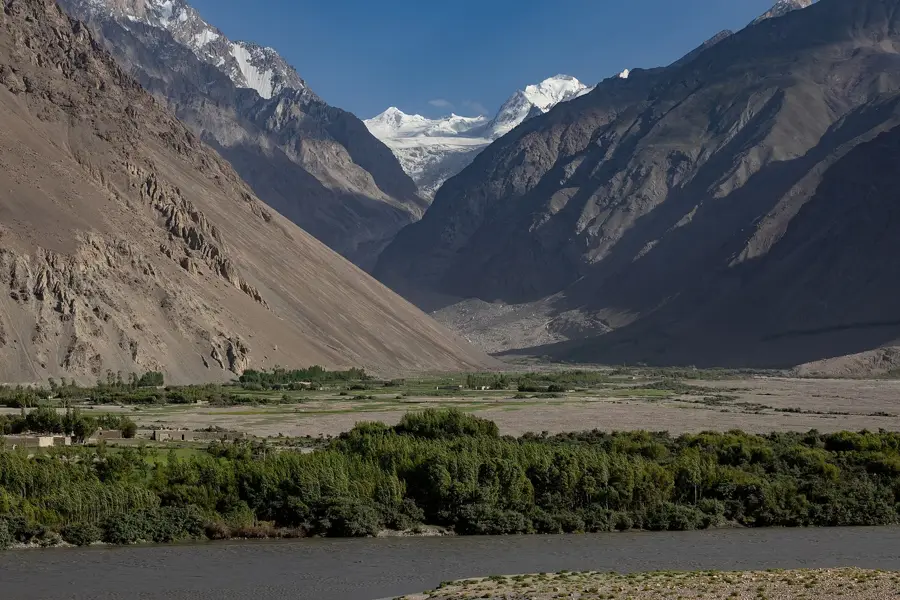
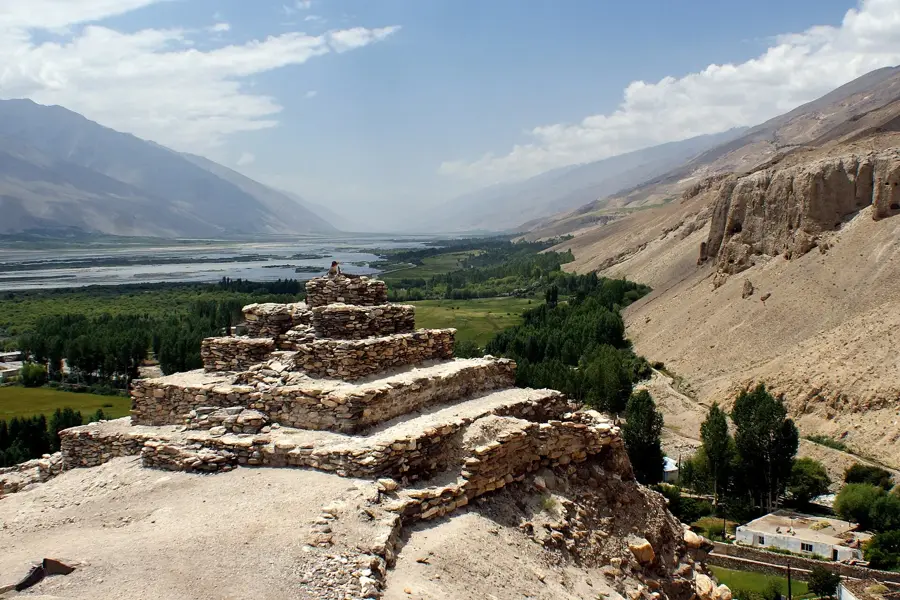
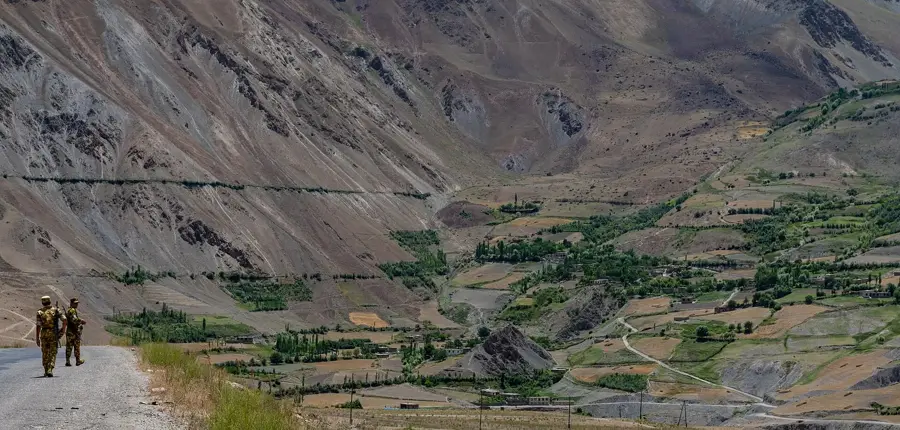
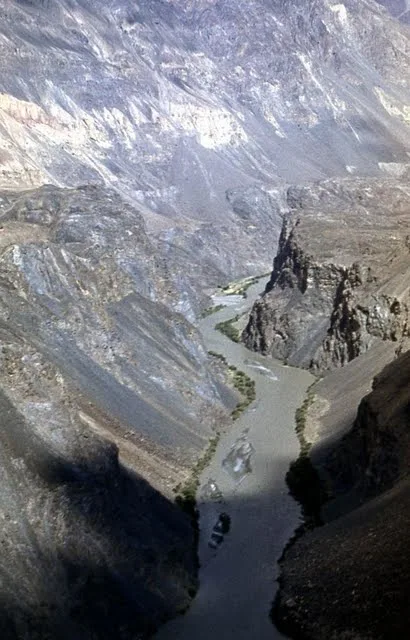
Yamchun Fortress is undoubtedly the most impressive military structure in the Tajik part of the Wakhan Corridor. It was originally built in the 3rd century BC and significantly expanded in the Middle Ages (approx. 12th century). Its strategic location on a steep rocky outcrop allowed total control over trade traffic along the Silk Road and provided protection against invasions from the south. The ruins consist of massive stone walls and numerous round watchtowers, which have remained surprisingly well-preserved despite the centuries and frequent earthquakes. A walk through the remains of the fortress gives a sense of the former power of local rulers. The view from the walls over the deep blue ribbon of the Panj River to the 7,000-meter peaks of the Afghan Hindu Kush is one of the most photographed spots in Tajikistan. Just a few kilometers above the fortress are the famous Bibi Fatima hot springs. It is common practice for travelers to explore the fortress first and then relax in the holy, warm water of the springs. Access requires a robust vehicle for the steep climb from the valley floor, but the experience is among the absolute highlights of any Central Asia expedition.
- Location: Tajikistan
- Top sights: Yamchun fort · Bibi Fatima
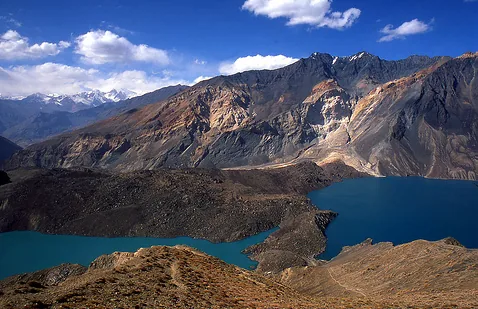
- Nearby: Sarez Lake (58 km)
Best time to visit & climate
The most pleasant time to visit is Jun–Aug.
| Jan | Feb | Mar | Apr | May | Jun | Jul | Aug | Sep | Oct | Nov | Dec | |
|---|---|---|---|---|---|---|---|---|---|---|---|---|
| Avg °C | -18 | -16 | -11 | -4 | 0 | 4 | 7 | 7 | 2 | -3 | -9 | -15 |
| Rain mm | 16 | 18 | 21 | 24 | 12 | 7 | 6 | 3 | 3 | 6 | 13 | 13 |
📋 Practical info
Geography
Facts
- Founded in the 3rd century BC
- Medieval watchtowers
- Best view in the Wakhan
- Altitude of approx. 3,000 meters
- Part of Silk Road defenses
- Near Bibi Fatima springs
- Triple ring of walls
- Strategic checkpoint
Explore nearby
Notable places around


Route planner — Car & Motorhome
Where do you start? We build the route here, with stops and country notes along the way.
© OpenStreetMap contributors · OpenRouteService
Sights in the town Yamchun Fortress (2)
Sights nearby
Frequently asked questions
Yamchun Fortress: where is it located?
Yamchun Fortress: what is there to see?
Yamchun Fortress: when is the best time to visit?
Yamchun Fortress: why is it worth visiting?
Nearby cities
History & landmarks
Nature
More places