Plizio Visual Lab
Wakhan Mulberry Groves

Weather…
Water temperature…
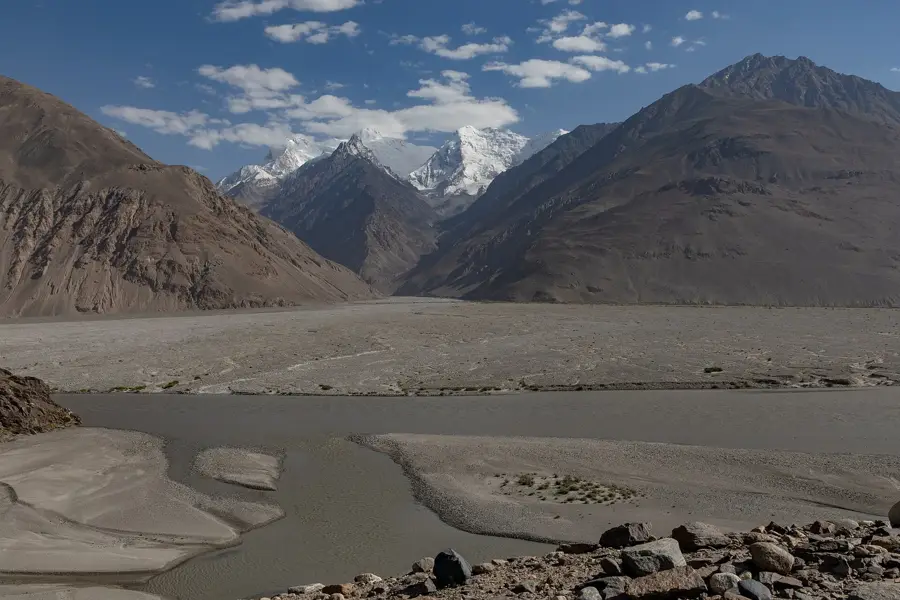
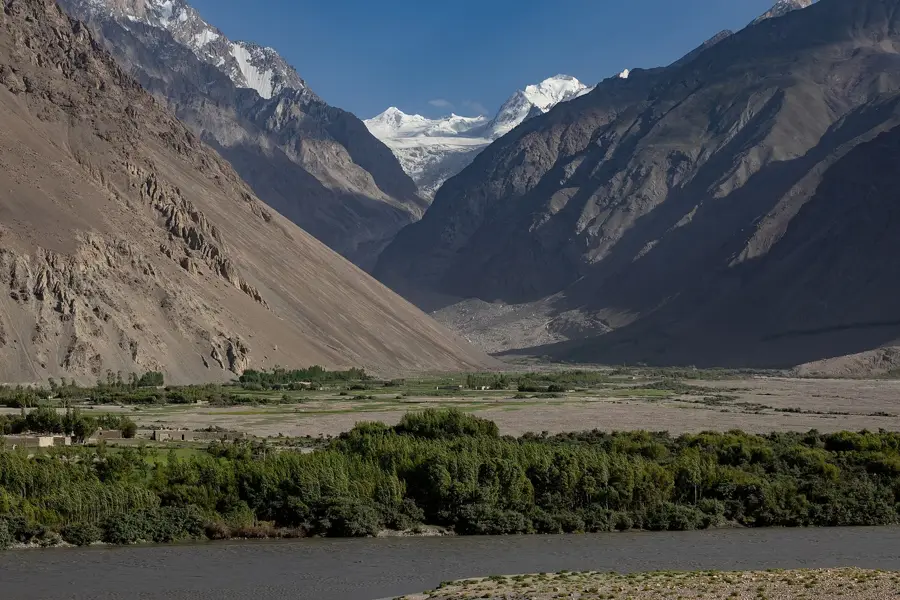
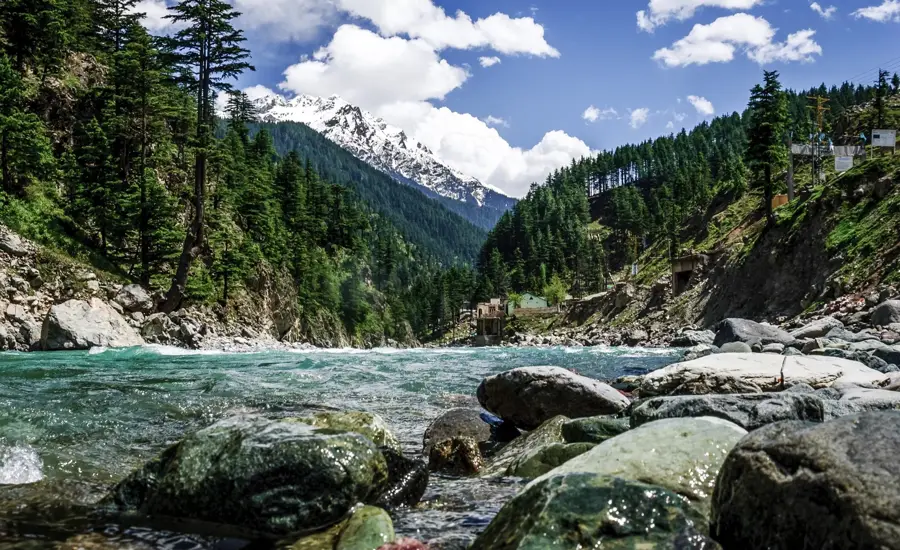
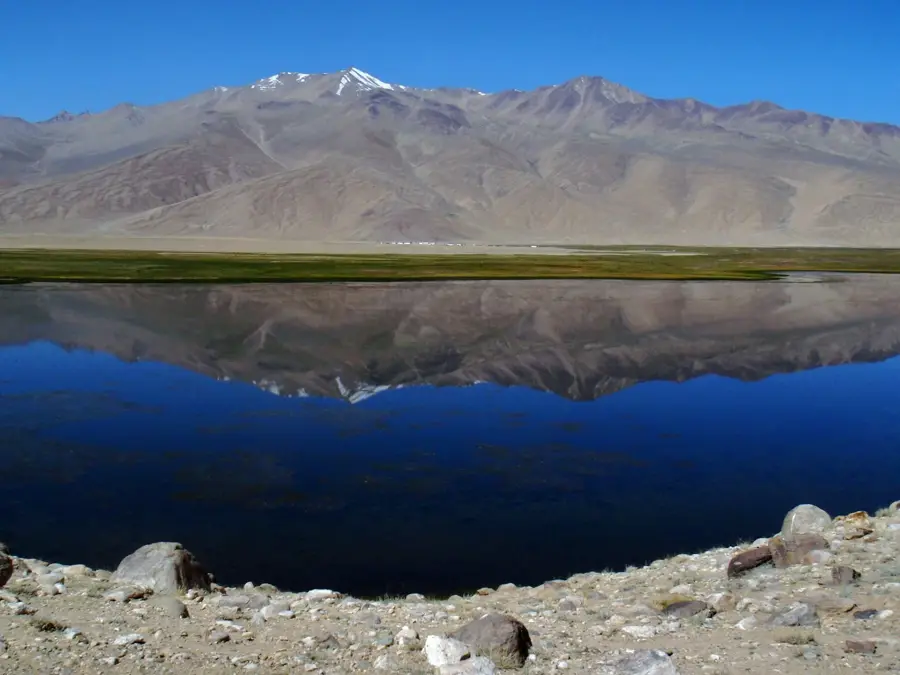
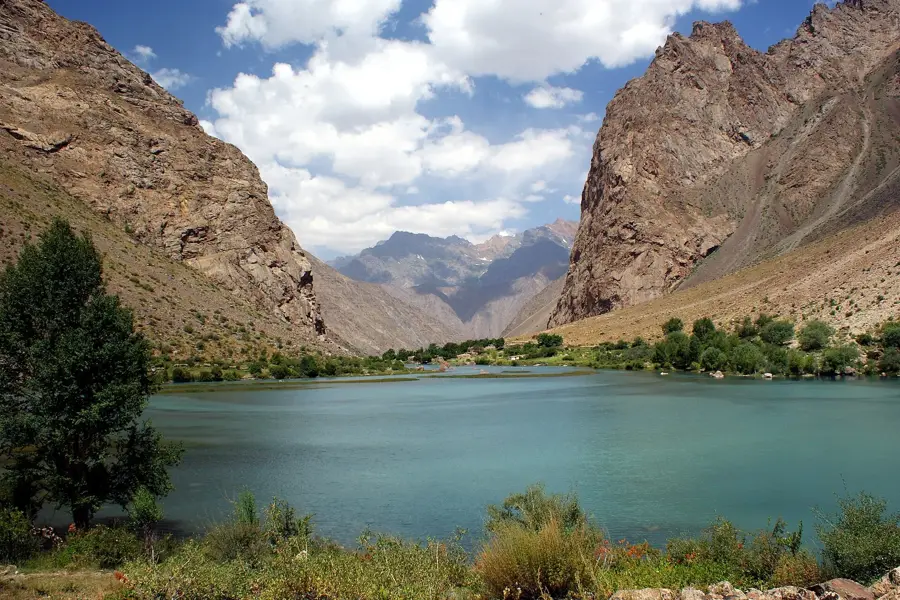
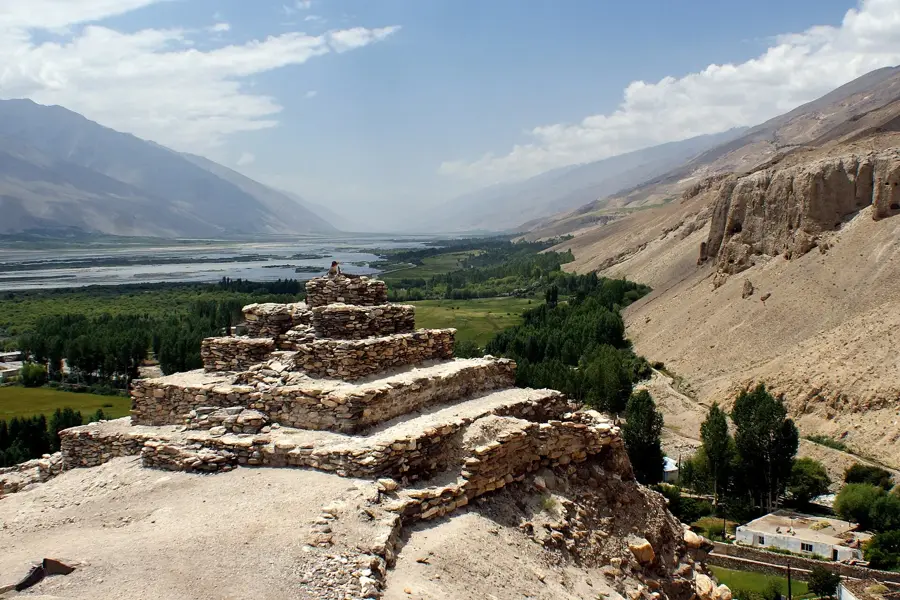
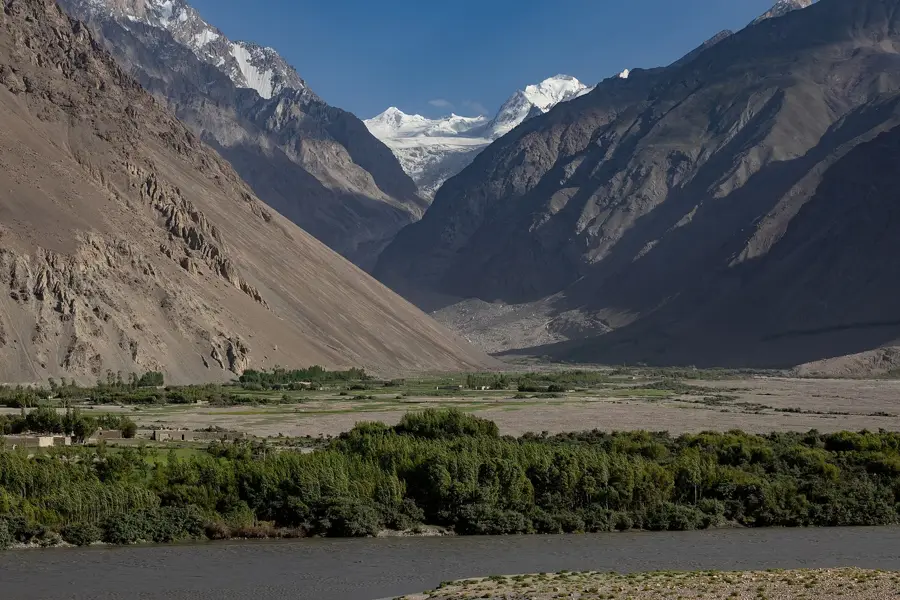
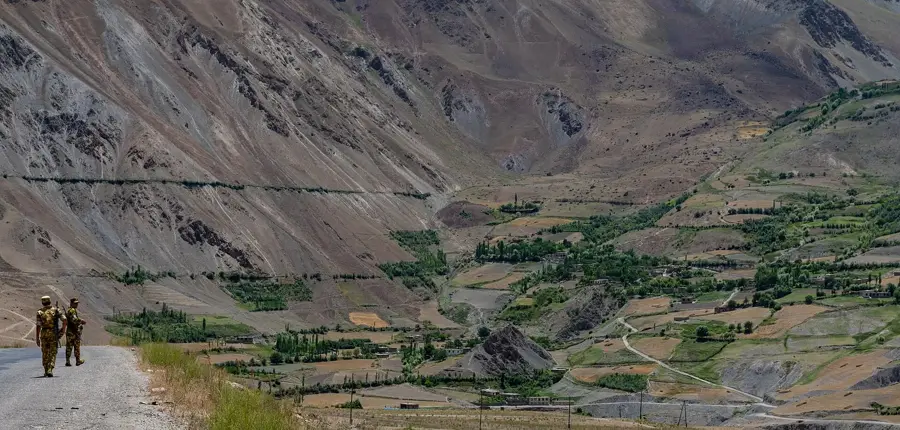
The mulberry groves of the Wakhan Corridor in eastern Tajikistan are a living symbol of the cultural heritage and survival strategies of the Pamiri people. For centuries, the mulberry tree (Tut) has been the foundation of livelihoods in the arid high mountain valleys, as its fruits can be consumed fresh, dried, or ground into flour. These groves stretch along the Panj and Wakhan Rivers, providing valuable shade and protection against erosion in the barren mountain landscape. Historically, the cultivation of mulberry trees was closely linked to silk production, which flourished along the ancient Silk Road. Today, the groves primarily serve local self-sufficiency and are an integral part of village architecture, with old trees often revered as sacred sites. The care of the trees is passed down from generation to generation, reflecting the people's deep connection to their land. The flowering season in spring and the harvest in late summer mark important milestones in the region's agricultural calendar.
- Location: Tajikistan
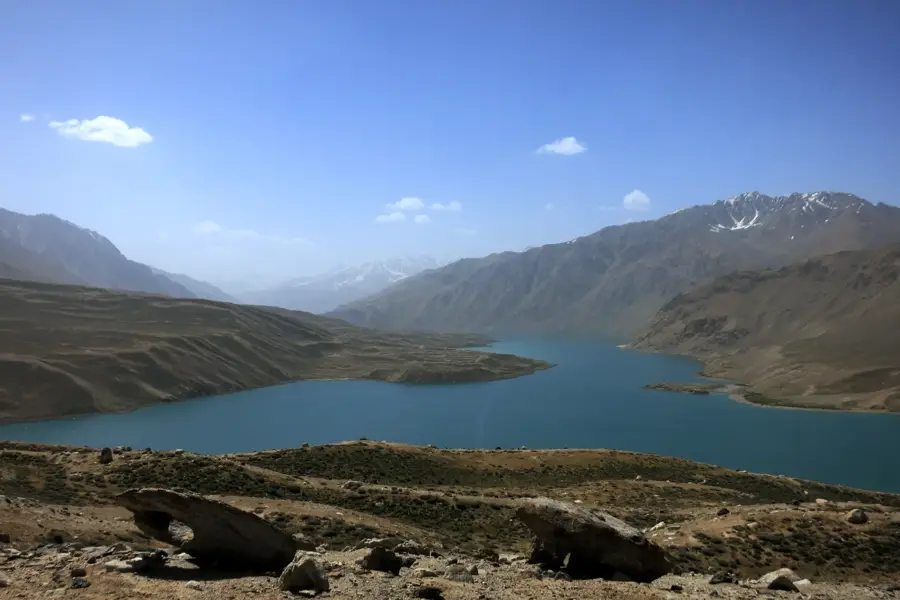
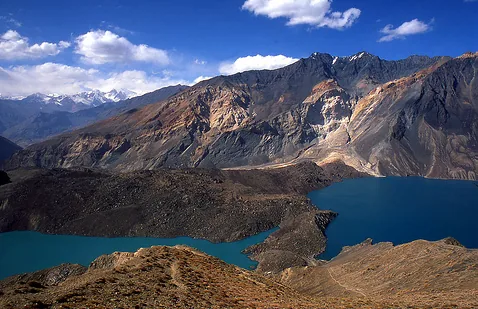
- Nearby: Sarez Lake (47 km)
Best time to visit & climate
The most pleasant time to visit is Jun–Aug.
| Jan | Feb | Mar | Apr | May | Jun | Jul | Aug | Sep | Oct | Nov | Dec | |
|---|---|---|---|---|---|---|---|---|---|---|---|---|
| Avg °C | -18 | -16 | -11 | -4 | 0 | 4 | 7 | 7 | 2 | -3 | -9 | -15 |
| Rain mm | 16 | 18 | 21 | 24 | 12 | 7 | 6 | 3 | 3 | 6 | 13 | 13 |
📋 Practical info
Geography
Facts
- The fruits (Tut) are a traditional staple food for the region.
- Located along the historical Silk Road in the Wakhan Valley.
- Serve a protective function against soil erosion on slopes.
- The wood is used to craft traditional musical instruments.
- Dried mulberries serve as a natural substitute for sugar.
- Some trees in the valley are documented to be over 200 years old.
Explore nearby
Notable places around


Route planner — Car & Motorhome
Where do you start? We build the route here, with stops and country notes along the way.
© OpenStreetMap contributors · OpenRouteService
Sights nearby
Frequently asked questions
What are the Wakhan Mulberry Groves?
Can one visit the groves?
When is the best time to visit?
Is there tourist infrastructure there?
What should one keep in mind when visiting?
Wakhan Mulberry Groves: where is it located?
Wakhan Mulberry Groves: when is the best time to visit?
Wakhan Mulberry Groves: why is it worth visiting?

Nearby cities
History & landmarks
Nature
More places