Plizio Visual Lab
Save Valley
Weather…
Water temperature…
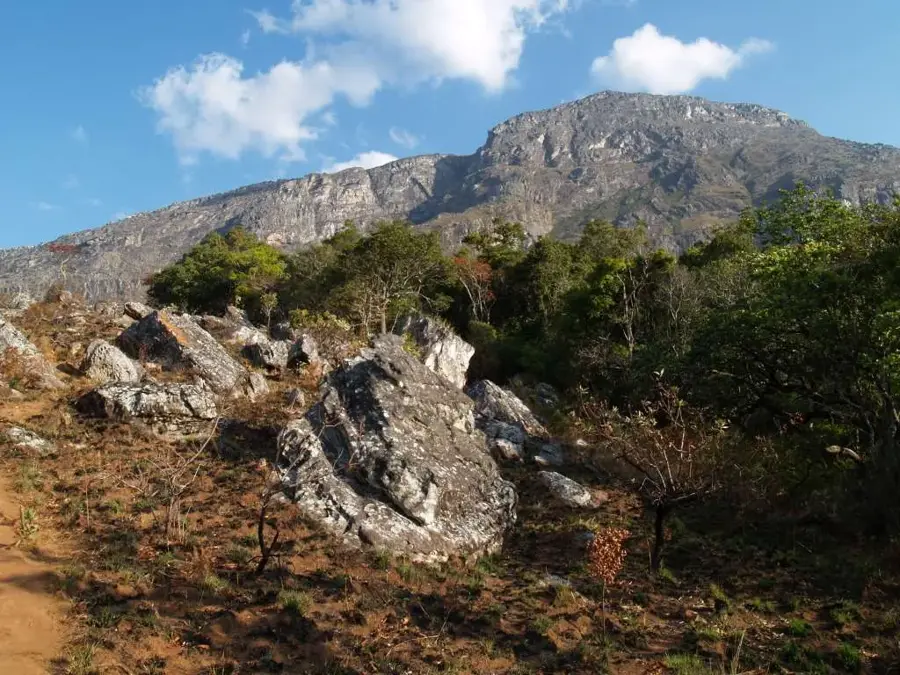
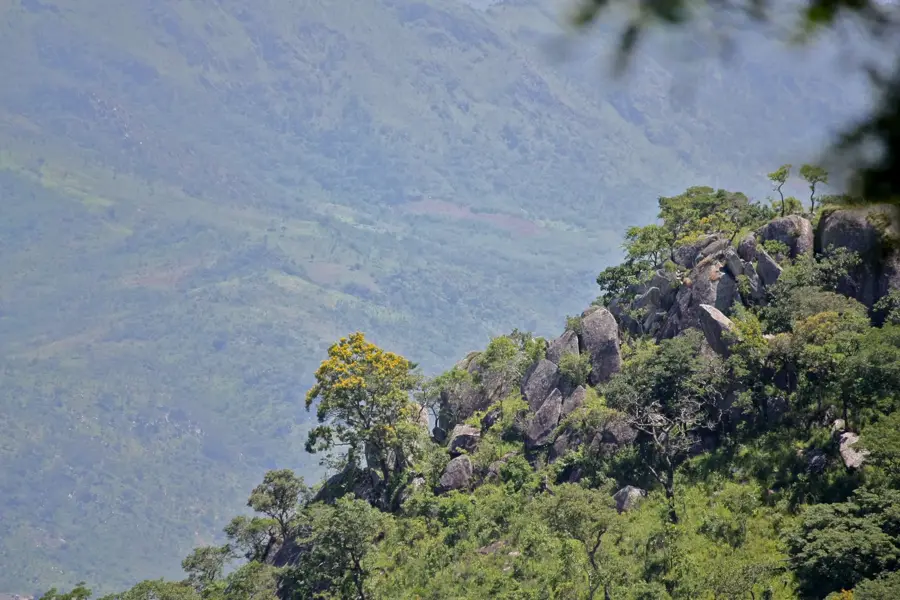
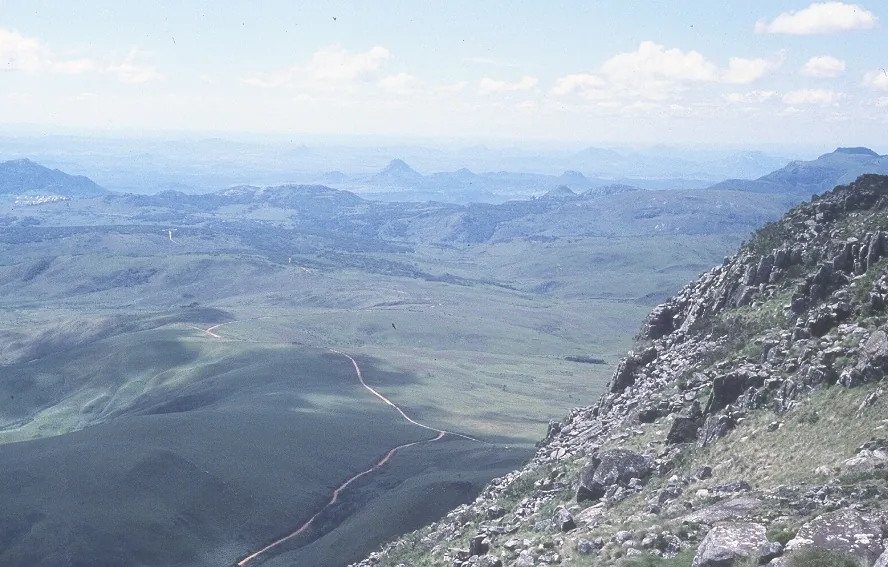
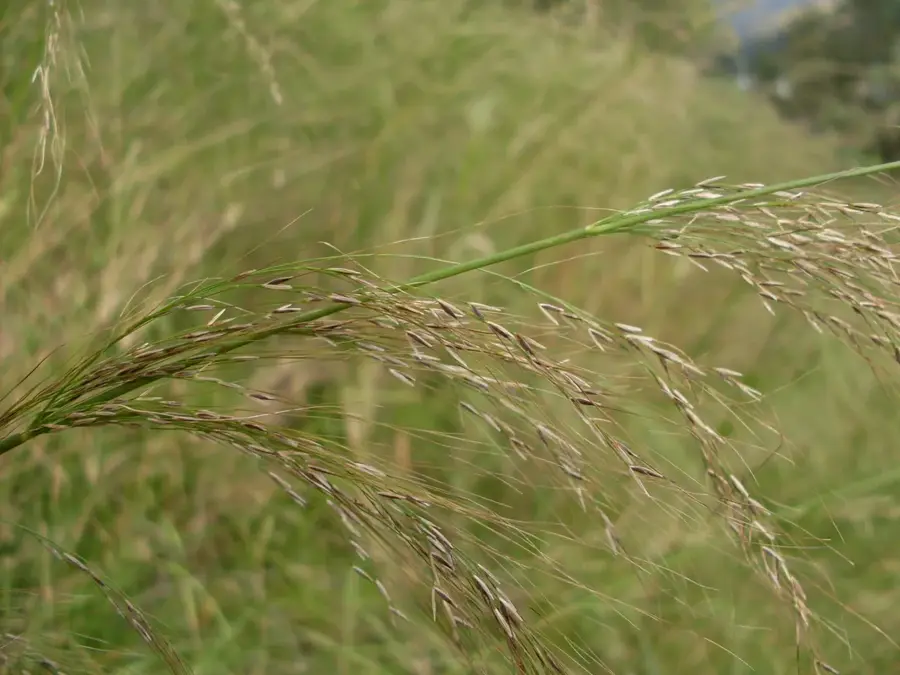
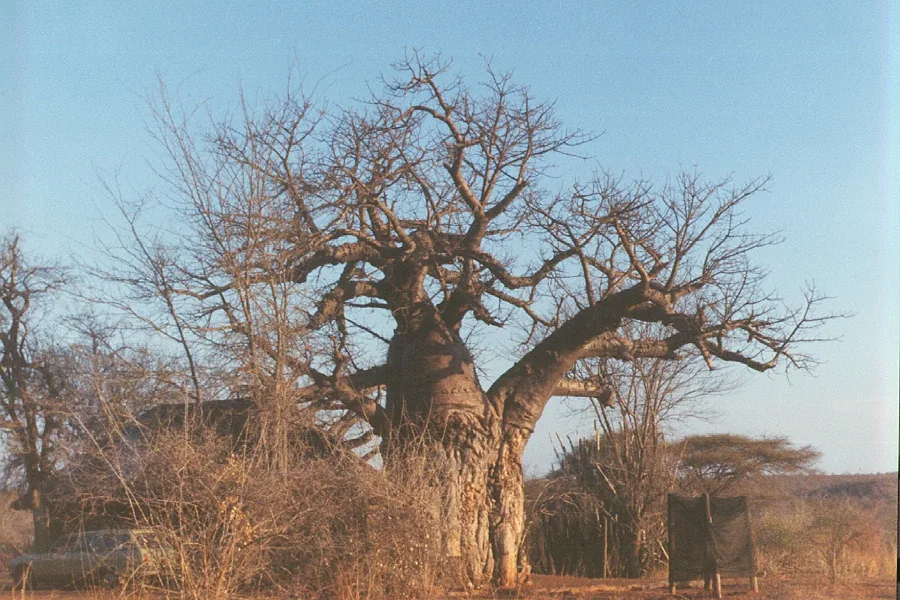
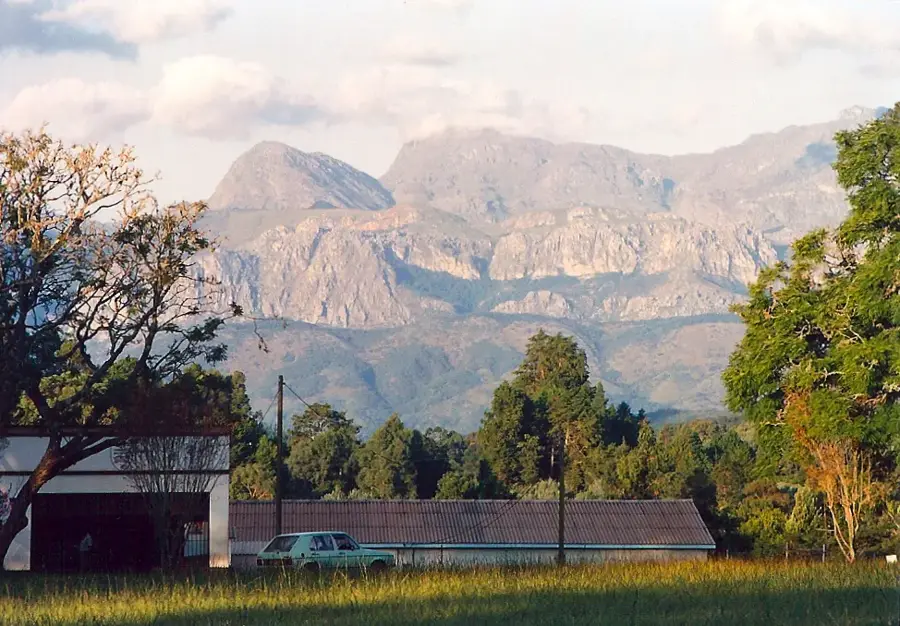
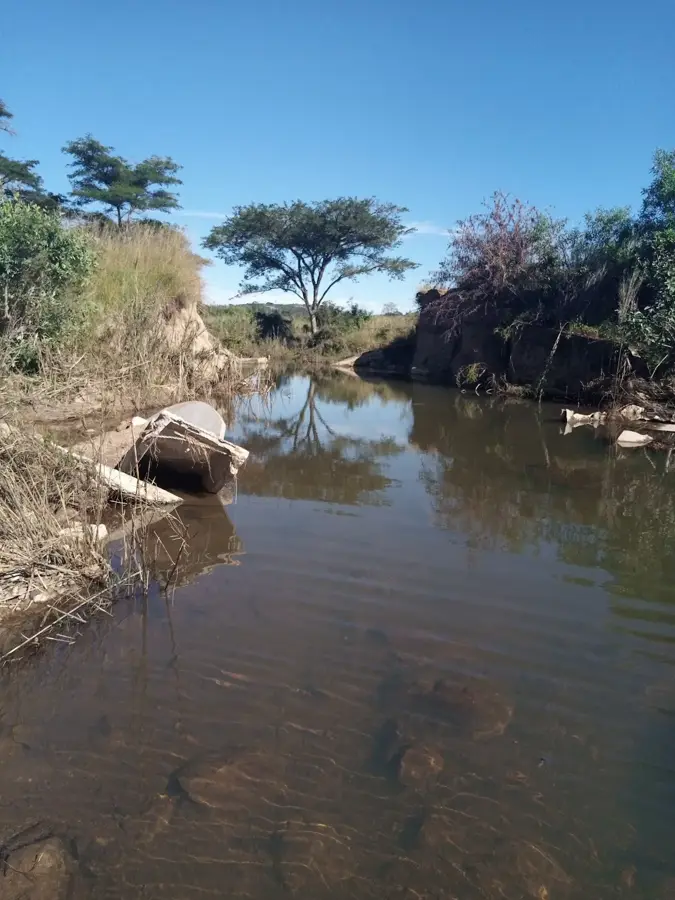
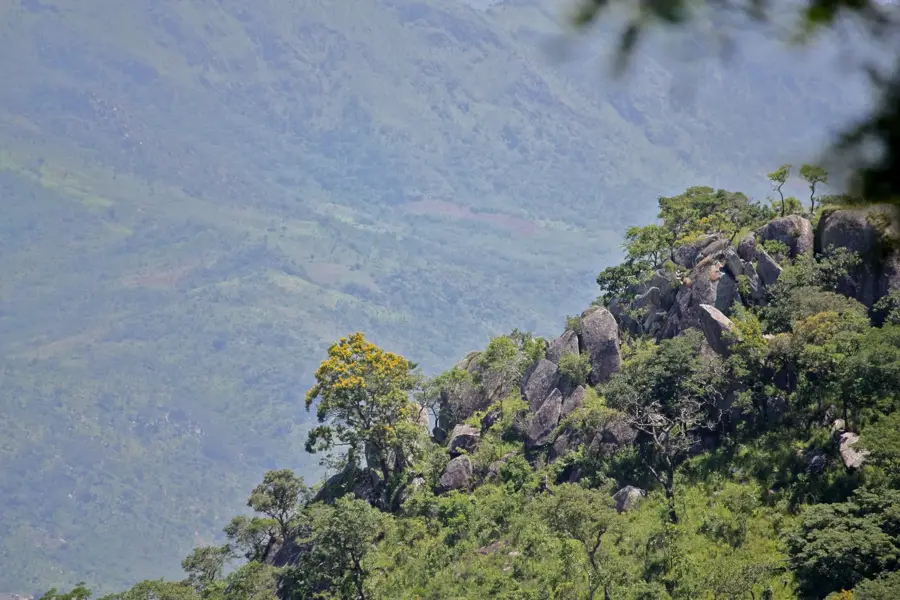
The Save Valley in southeastern Zimbabwe is home to the Save Valley Conservancy, one of the world's largest private nature reserves, covering approximately 3,400 square kilometers. Originally utilized for cattle ranching, the land underwent a massive transformation in the 1990s toward wildlife conservation and sustainable ecotourism. Geologically, the valley is part of the semi-arid Lowveld, featuring expansive savannahs, Mopane woodlands, and majestic baobab trees. The conservancy is internationally acclaimed for its successful breeding and protection programs for endangered black and white rhinoceroses. Beyond rhinos, the valley hosts the full range of the 'Big Five' and one of the most significant populations of the endangered African wild dog. The region plays a key role in the Great Limpopo Transfrontier Conservation Area, which links protected lands in Zimbabwe, South Africa, and Mozambique. The ecological value of the Save Valley lies in its function as a genetic reservoir for numerous rare species across Southern Africa.
- Location: Zimbabwe
- Nearby: Chipinge (46 km)
Best time to visit & climate
The most pleasant time to visit is May, Aug, Sep.
| Jan | Feb | Mar | Apr | May | Jun | Jul | Aug | Sep | Oct | Nov | Dec | |
|---|---|---|---|---|---|---|---|---|---|---|---|---|
| Avg °C | 25 | 25 | 24 | 22 | 20 | 17 | 17 | 20 | 23 | 25 | 26 | 26 |
| Rain mm | 148 | 144 | 130 | 66 | 22 | 19 | 18 | 5 | 16 | 31 | 81 | 163 |
📋 Practical info
Geography
Facts
- The conservancy encompasses an area of roughly 3,400 square kilometers.
- It was officially established as a conservation project in 1991.
- The valley is a critical sanctuary for the endangered black rhino.
- It hosts one of the largest remaining populations of African wild dogs.
- The area is home to all members of the famed 'Big Five' mammals.
- Massive baobab trees are a distinctive feature of the Save Valley landscape.
Explore nearby
Notable places around

Route planner — Car & Motorhome
Where do you start? We build the route here, with stops and country notes along the way.
© OpenStreetMap contributors · OpenRouteService
Sights nearby
Frequently asked questions
Is Save Valley good for safaris?
Can you stay overnight here?
Is a visa required?
What is the best way to get there?
Best time to visit?
Save Valley: where is it located?
Save Valley: when is the best time to visit?
Save Valley: why is it worth visiting?

Nearby cities
History & landmarks

Nature
More places