Plizio Visual Lab

Save Plains
Plizio editorial teamData Sources
Relief
—°
Save Plains (Zimbabwe)

Weather…

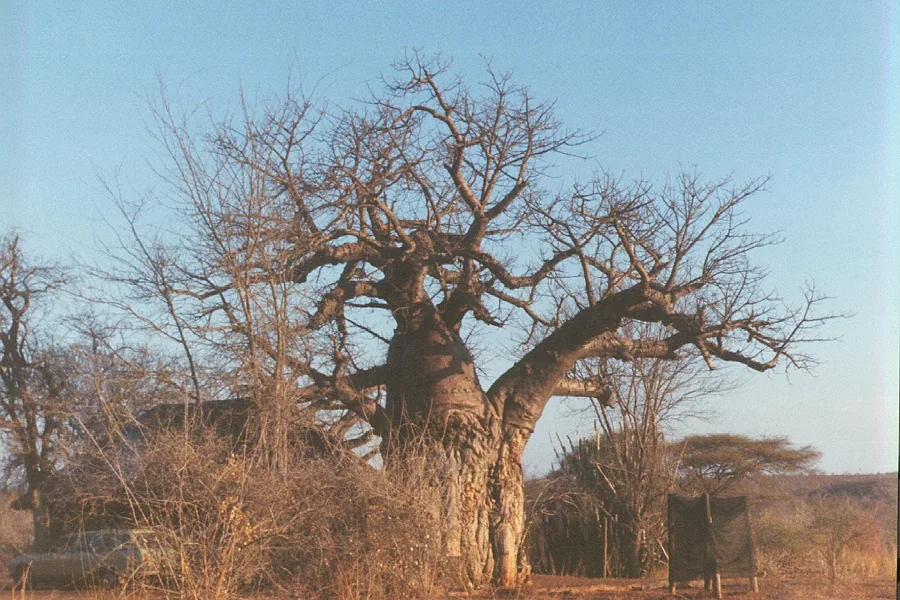
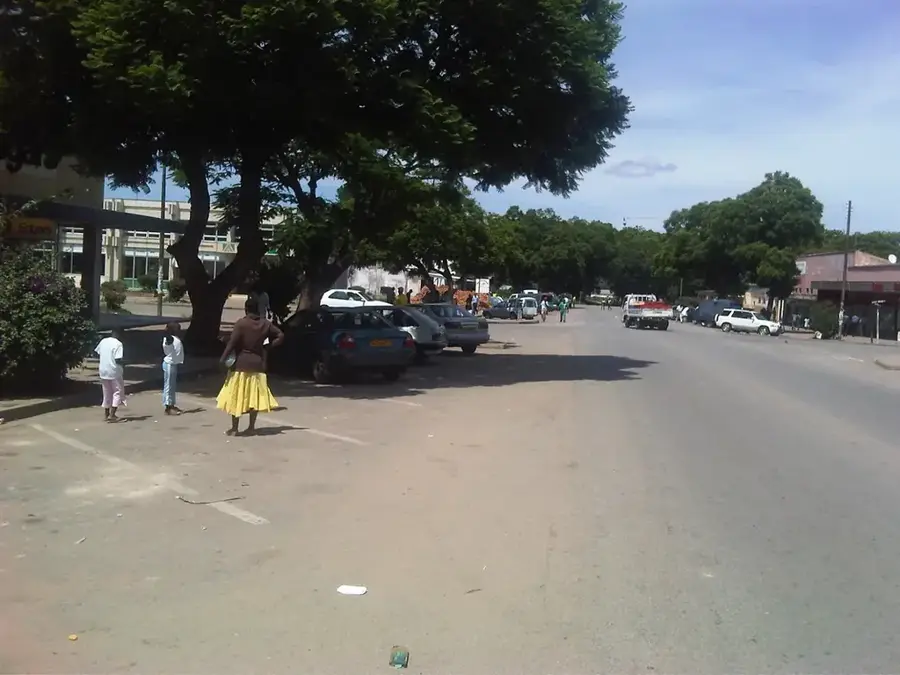
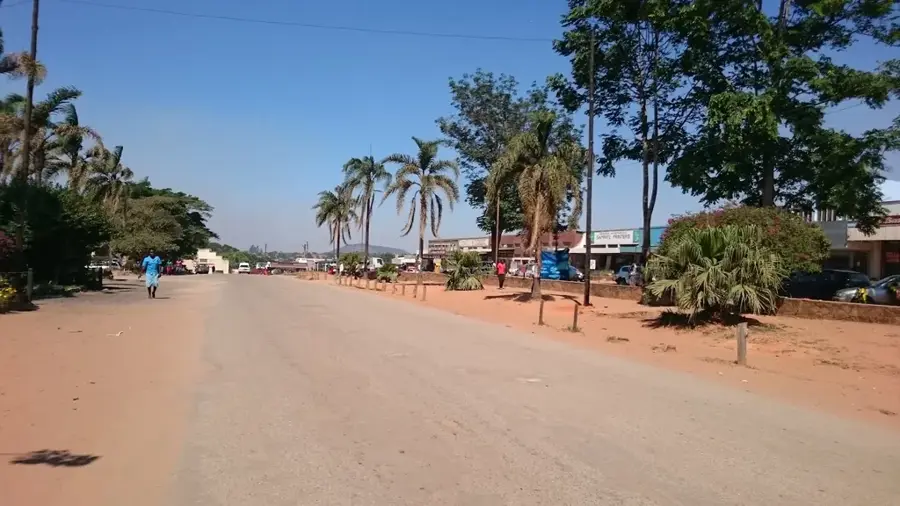
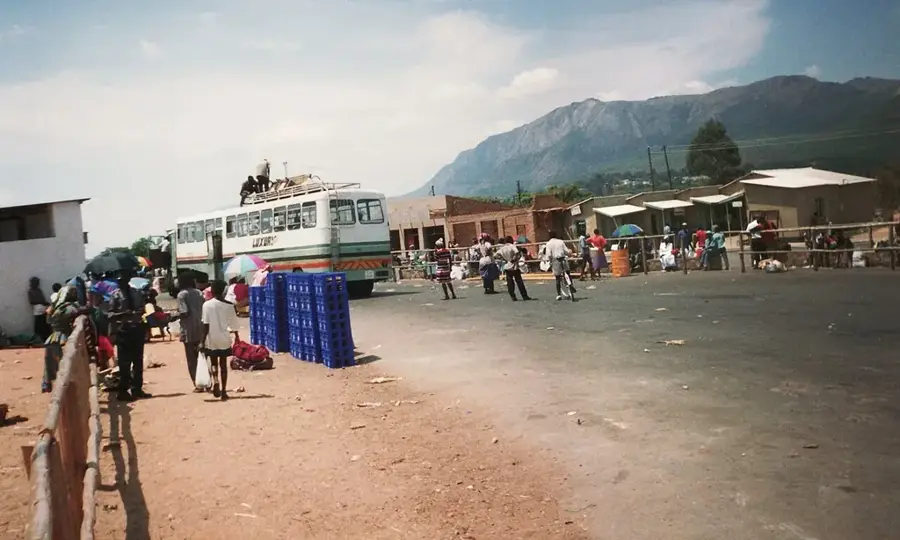
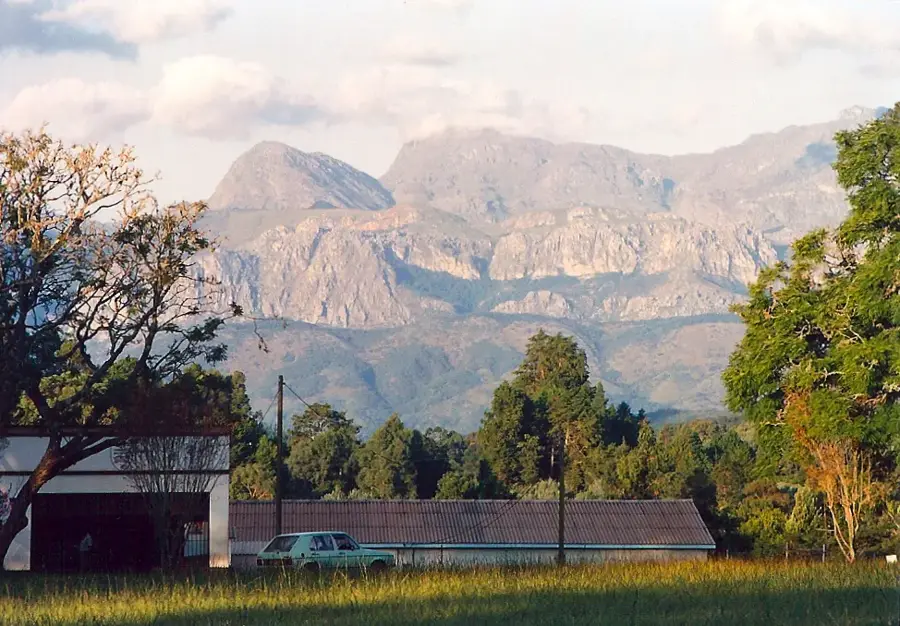
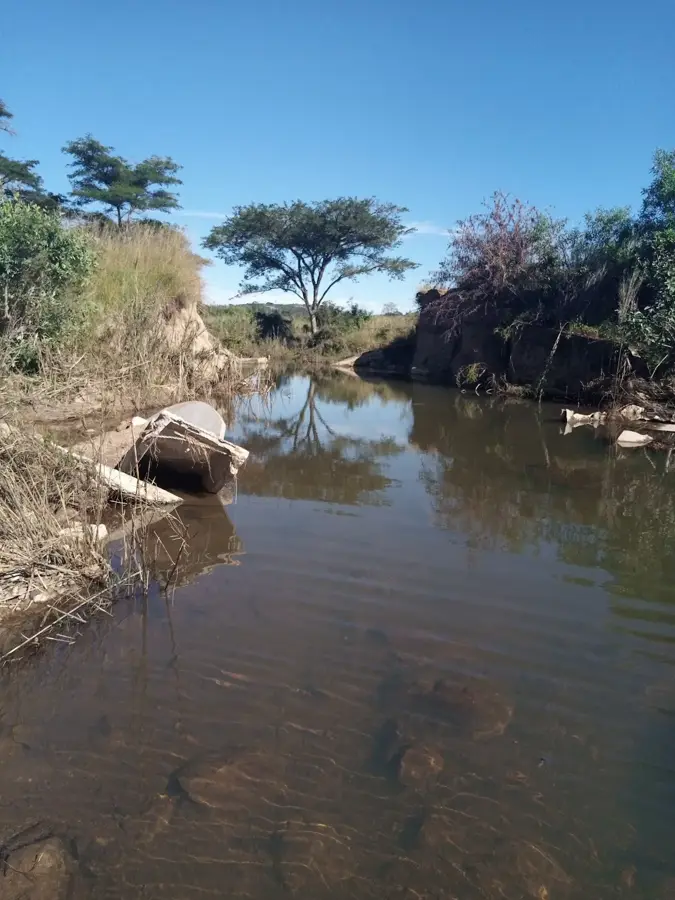
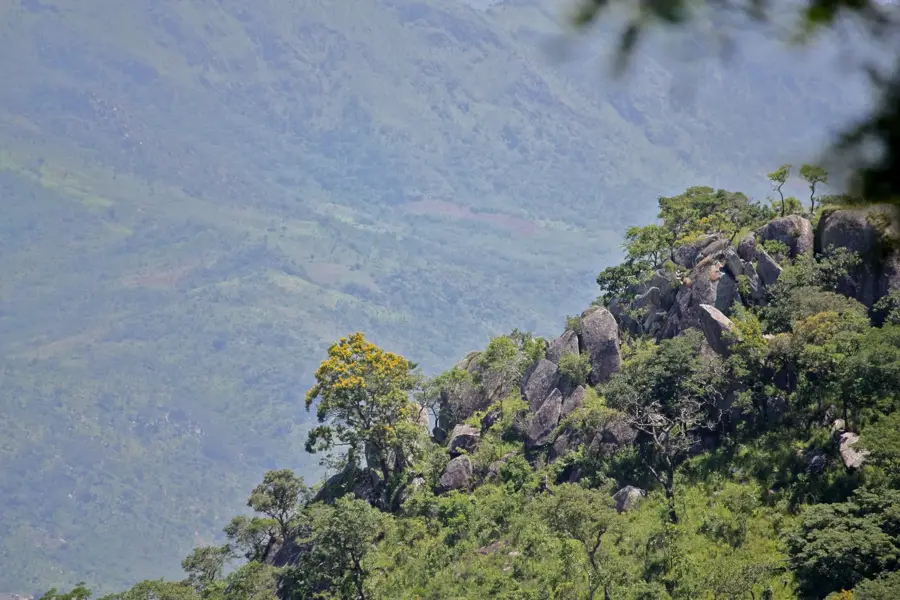
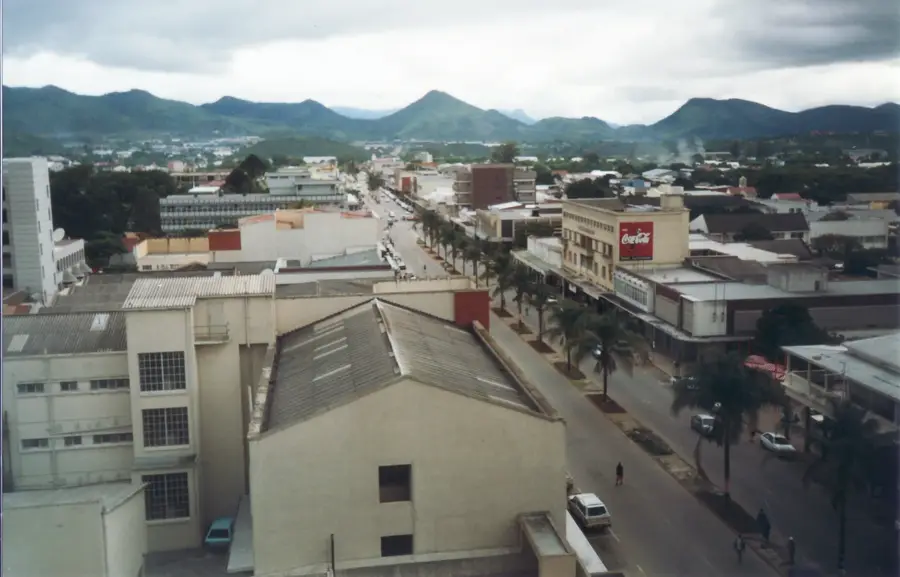
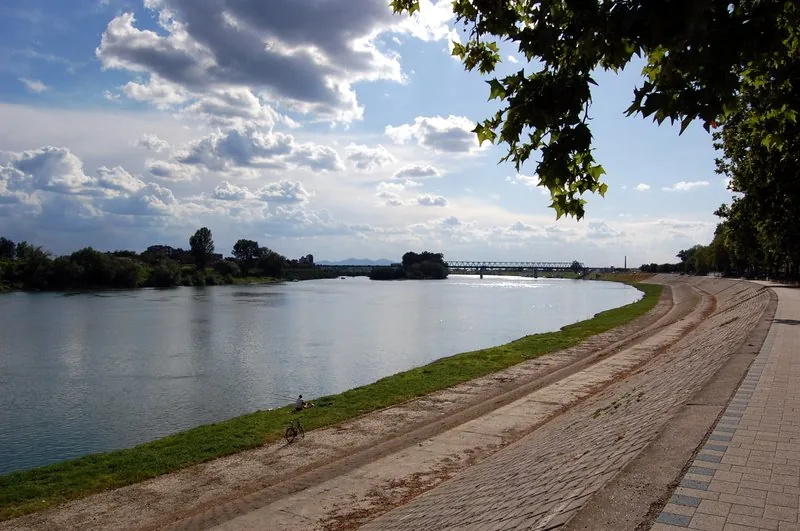
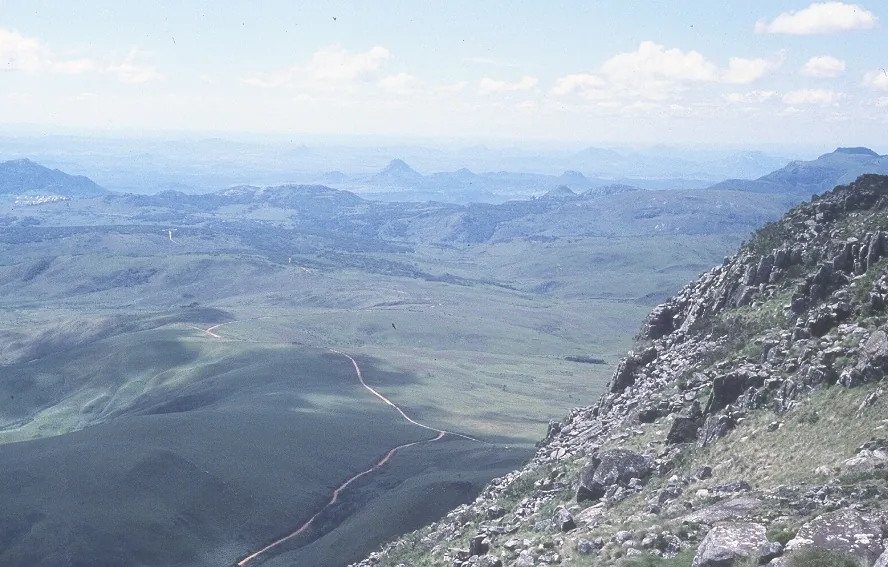
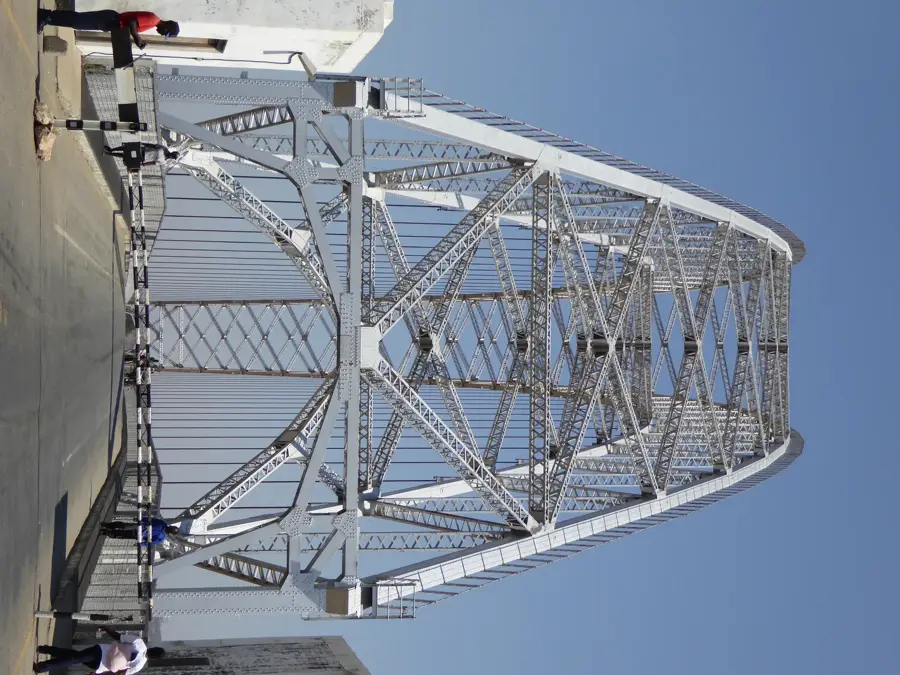
The Save Plains stretch across large parts of southeastern Zimbabwe, along the mighty Save River, which forms the lifeline of this otherwise arid region. These broad, flat landscapes are characterized by a classic Lowveld climate with high temperatures and low, often unreliable rainfall. Despite the dryness, the Save River has left behind fertile alluvial soils through centuries of flooding, which are now used intensively for agriculture through complex irrigation systems. The plains are characterized by seemingly endless fields where cotton, wheat, and sugarcane are grown in large quantities. In addition to agricultural land, there are also extensive areas of dry bush savanna and impressive baobab forests. The Save Plains are also home to the famous Birchenough Bridge, an architectural masterpiece from the 1930s that spans the wide sandy river with an elegant steel arch structure.

Best time to visit & climate

The most pleasant time to visit is May, Jun, Aug.

JanFebMarAprMayJunJulAugSepOctNovDec
Avg °C272726242220192225272828
Rain mm12111597471613114122565132

📋 Practical info

🧭
Getting there
Access to the plains is generally via local roads stretching outwards from regional centers like Chiredzi or Mutare. The road network can be sparse and is often best navigated with a sturdy 4x4 vehicle to reach remote riverbank areas.
📅
Best season
The dry winter months, from May to October, offer pleasant temperatures and make navigation across the plains significantly easier. The rainy season can bring flooding from the Save River, making tracks muddy and impassable.
⛰️
Terrain & paths
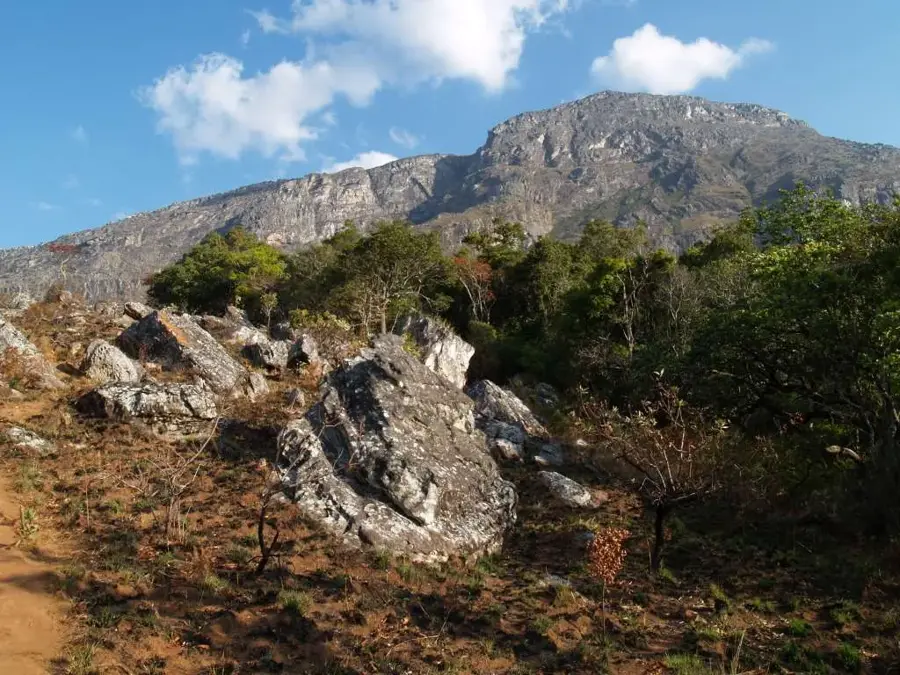
The area is predominantly flat, featuring vast stretches of low-lying brush, scattered acacia trees, and dusty floodplains. Walking is physically straightforward, but the ground can be uneven, sandy, or heavily vegetated near the water.
🎒
What to bring
Sturdy walking shoes, comprehensive sun protection, and a generous supply of drinking water are essential for exploring the flatlands. Insect repellent and binoculars for bird and wildlife viewing along the river are also highly recommended.
🅿️
Parking
Designated parking is virtually nonexistent outside of nearby lodges or small rural settlements. Vehicles are usually parked safely off the main tracks or securely within the compounds of local accommodations.
⚠️
Safety
The intense sun and extreme heat pose significant risks, so carrying extra water is absolutely vital. Visitors should also be aware of potential wildlife encounters near the river and consult local guides about safe areas to explore.
⏱️
Time needed
Most visitors spend between half a day and a full day exploring the flat landscapes and enjoying the natural scenery. Those interested in extended wildlife observation or photography might plan for a multi-day stay in the broader region.

Geography

Coordinates
-20.80000, 32.40000

Explore nearby

Notable places around
Route planner — Car & Motorhome

Where do you start? We build the route here, with stops and country notes along the way.

Vehicle
Only stops with (optional):

© OpenStreetMap contributors · OpenRouteService

Sights nearby

Frequently asked questions

What characterizes the Save-Ebene?
It is a vast landscape along the Save River, characterized by agricultural land and wilderness.
Is the region easily navigable?
Main roads are passable, secondary tracks often require a robust vehicle.
Are there malaria-free zones there?
No, the entire region is considered a malaria area; prophylaxis is strongly recommended.
What is the social climate like?
The local population is very hospitable, making encounters very enriching.
What is nearby?
Nearby, there are smaller villages and remote nature reserves.
Save Plains: where is it located?
Save Plains is located in Zimbabwe.
Save Plains: when is the best time to visit?
The most pleasant time to visit is May, Jun, Aug.
Save Plains: why is it worth visiting?

The Save Plains stretch across large parts of southeastern Zimbabwe, along the mighty Save River, which forms the lifeline of this otherwise arid region.
View on map → The Top 50 Attractions → OpenStreetMap →
Africa
Explore with Plizio Discover more places in Africa
More places in Zimbabwe →

Nearby cities

History & landmarks
Nature

More places