Plizio Visual Lab
Wadi Tuban

Weather…
Water temperature…
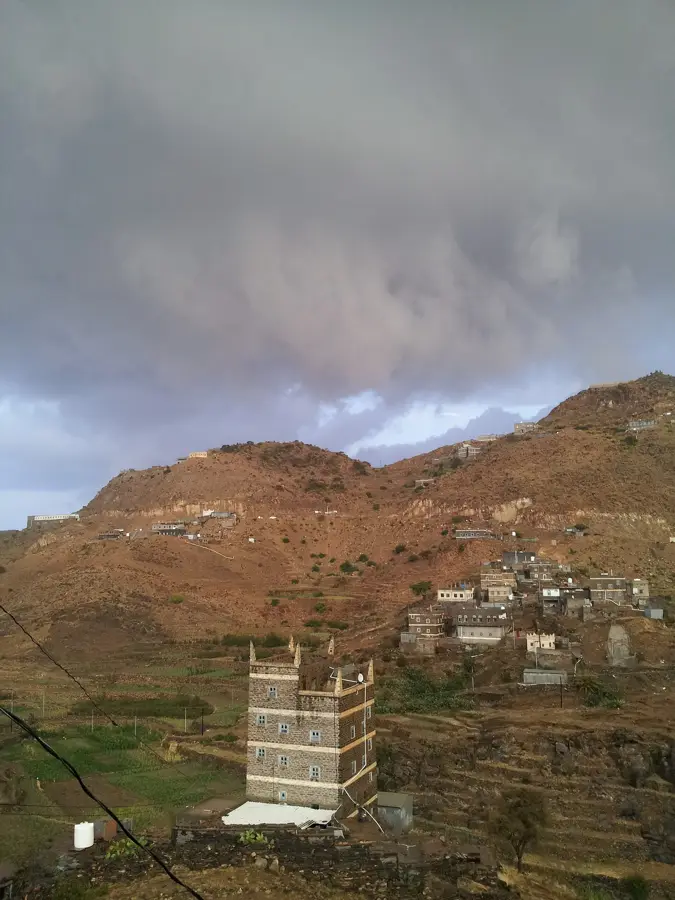
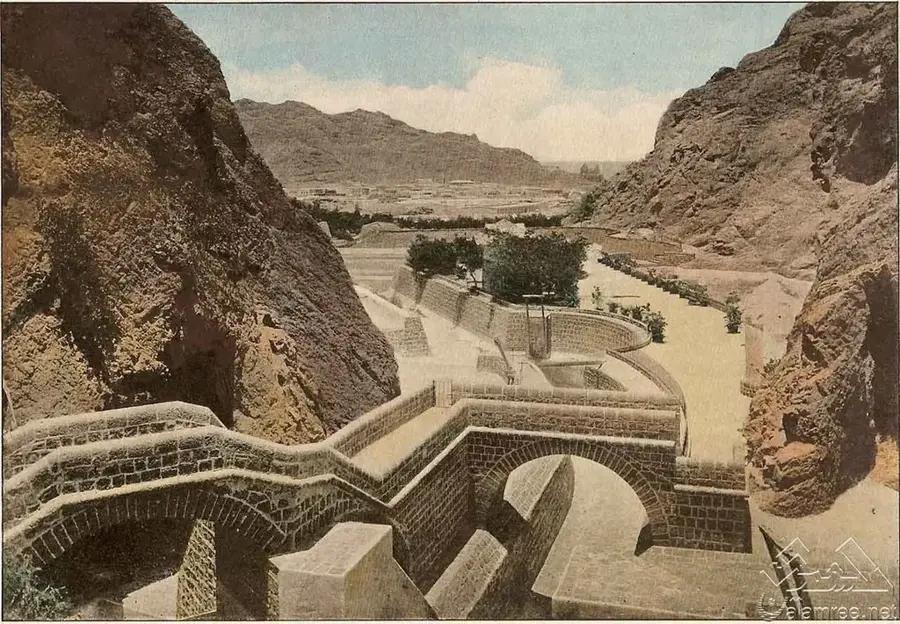
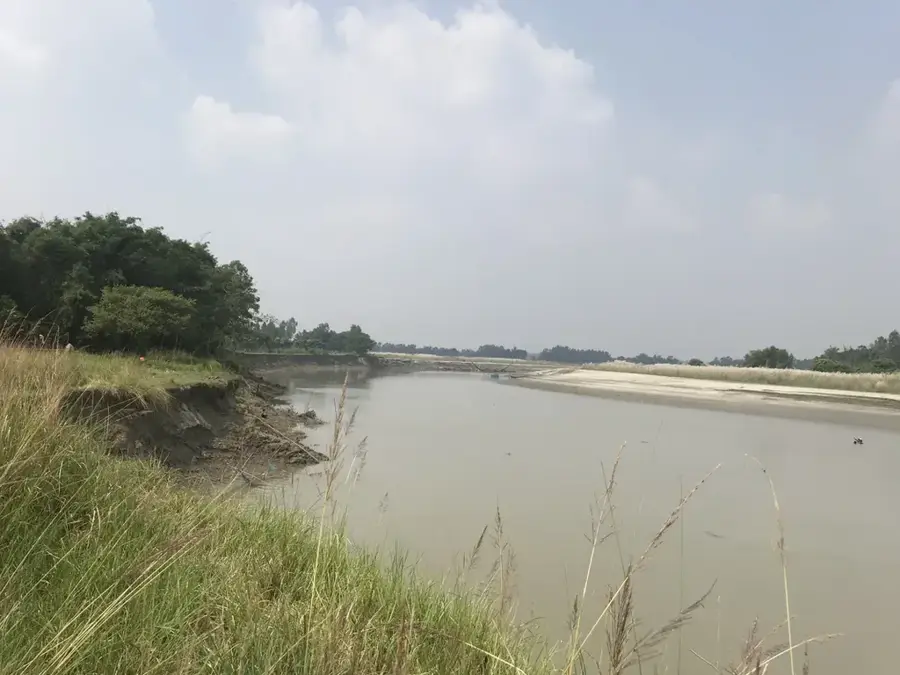
Wadi Tuban is one of the most significant drainage systems in southwestern Yemen, originating in the high-rainfall highland regions of the Ibb and Taiz governorates. The riverbed extends over a considerable distance in a southerly direction before eventually discharging into the Gulf of Aden near the port city of Aden. The wadi plays a fundamental role in the agriculture of the Lahij region, as it supplies the surrounding fields with water through a complex system of irrigation canals. Historically, control over the water resources of Wadi Tuban was crucial for the development of local settlements and the economic stability of the Sultanate of Lahej. During the summer months, following heavy monsoon rains, the wadi can swell into a raging torrent, while in dry seasons, it may partially dry up. The fertile sediments deposited during floods enable the cultivation of cereals, fruits, and cotton in an otherwise arid environment. Today, the wadi remains a vital ecosystem and an indispensable source of livelihood for thousands of people living in the coastal plain.
- Location: Yemen
- Nearby: Al Burayqah (23 km)
Best time to visit & climate
The most pleasant time to visit is Jan, Feb, Dec.
| Jan | Feb | Mar | Apr | May | Jun | Jul | Aug | Sep | Oct | Nov | Dec | |
|---|---|---|---|---|---|---|---|---|---|---|---|---|
| Avg °C | 24 | 25 | 27 | 29 | 31 | 33 | 33 | 32 | 31 | 29 | 27 | 25 |
| Rain mm | 3 | 2 | 3 | 12 | 12 | 19 | 15 | 20 | 23 | 11 | 5 | 7 |
📋 Practical info
Geography
Facts
- The wadi originates in the mountains of Ibb province at over 2,000 meters altitude.
- It flows into the Gulf of Aden after a course of approximately 150 kilometers.
- The delta of Wadi Tuban is the agricultural heartland of the Lahij governorate.
- Seasonal flash floods (Sayl) mostly occur between April and September.
- Traditional irrigation techniques have been employed in the valley for centuries.
- The region around the wadi was formerly a major center for cotton cultivation.
Explore nearby
Notable places around
Route planner — Car & Motorhome
Where do you start? We build the route here, with stops and country notes along the way.
© OpenStreetMap contributors · OpenRouteService
Sights nearby
Frequently asked questions
How to reach Wadi Tuban?
Is it interesting for tourists?
Are there restaurants?
Is swimming possible there?
Do I need a guide?
Wadi Tuban: where is it located?
Wadi Tuban: when is the best time to visit?
Wadi Tuban: why is it worth visiting?

Nearby cities







History & landmarks
Nature

More places