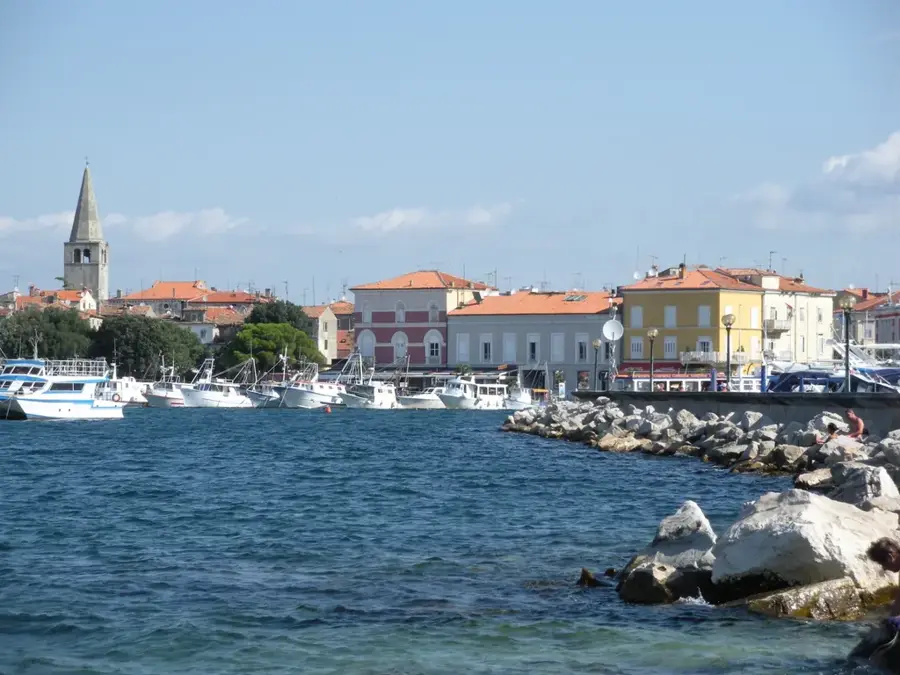
Advent in Poreč
A festive December event featuring ice skating, concerts, and stalls selling traditional holiday treats.
PlizioGo
Air-dried Istrian ham often served as an appetizer with sheep's cheese. Order it at a traditional Konoba.
Traditional Istrian pasta with fresh local truffles. A must-try at restaurants tucked away from the main streets.
Try freshly caught fish or grilled squid at the restaurants along the southern harbor promenade.
A daily market selling fresh local fruit, vegetables, honey, and truffle products. Best visited in the morning.
Istria is famous for its olive oil. Look for specialized small shops in the old town to taste before you buy.
Take a short boat ride from the harbor to this nearby island for a quiet walk through pine forests.
Follow the walking paths north towards Materada for quieter coves and relaxing sea views.
Water temperature…
A festive December event featuring ice skating, concerts, and stalls selling traditional holiday treats.
A historical festival that transports the city back to the 18th century with baroque costumes, dances, and knightly tournaments.
A popular recreational swimming event where participants swim a set route along the beautiful Poreč coastline.
A summer-long festival offering street performances, open-air cinema, and live music throughout the historic center.
The leading wine exhibition in Istria, showcasing the finest local wines, olive oils, and culinary delights.
Underground electronic music festival attracting an international crowd to the nearby Lanterna peninsula.
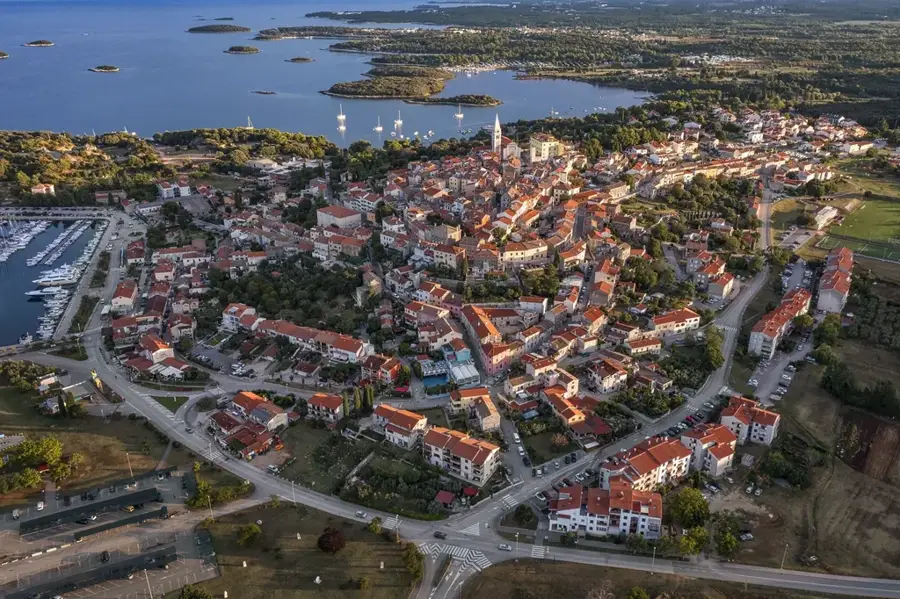
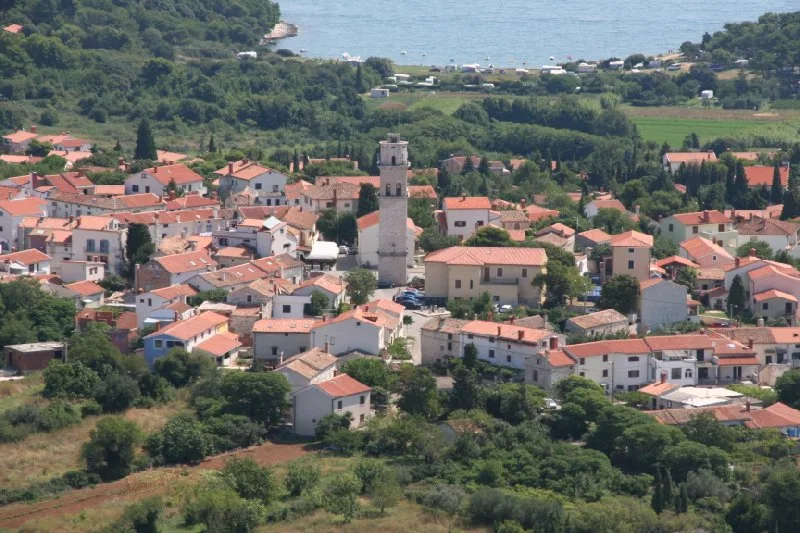
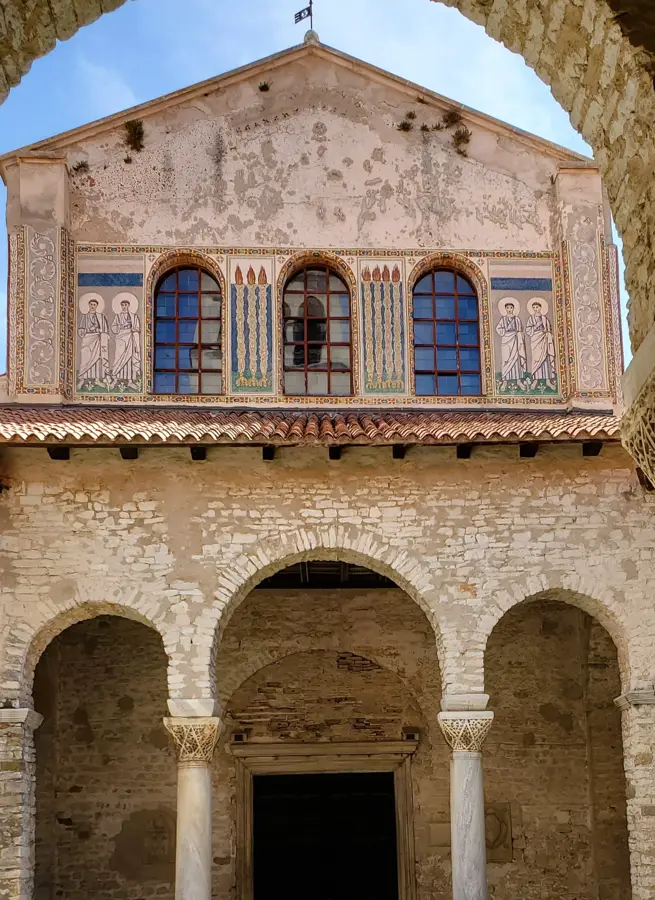
Poreč is a living monument of history, where Roman architecture meets Venetian elegance. The old town is situated on a narrow peninsula and still preserves the strict lines of the ancient Roman streets, Decumanus and Cardo Maximus. The absolute highlight is the Euphrasian Basilica, built in the 6th century under Bishop Euphrasius, and world-renowned for its striking gold mosaics. Beside its cultural heritage, Poreč has developed into one of Croatia's most modern tourist areas, with first-class resorts in the Zelena and Plava Laguna bays. The city features a first-rate blend of nightlife, sports activities, and culinary experiences, with Istrian truffle culture and fresh seafood at the forefront. A trip to the offshore island of Sveti Nikola completes the maritime experience.
The most pleasant time to visit is Jun, Jul, Sep.
| Jan | Feb | Mar | Apr | May | Jun | Jul | Aug | Sep | Oct | Nov | Dec | |
|---|---|---|---|---|---|---|---|---|---|---|---|---|
| Avg °C | 6 | 6 | 9 | 13 | 17 | 22 | 24 | 24 | 20 | 16 | 11 | 7 |
| Rain mm | 78 | 95 | 74 | 67 | 84 | 64 | 49 | 71 | 113 | 101 | 133 | 102 |
See what it looks like near Poreč right now.
Porec › North: Marina Funtana · 5.7 km · Open webcam on Windy · Webcams provided by Windy.com
Notable places around
Where do you start? We build the route here, with stops and country notes along the way.
© OpenStreetMap contributors · OpenRouteService
Morning: Walk along the Decumanus main street and explore the towers. Midday: Visit the Euphrasian Basilica, a stunning UNESCO World Heritage site. Afternoon: Discover Roman ruins at Marafor Square and old stone houses. Evening: Enjoy the sunset at the harbor followed by dinner in the old town.
In the morning, the stones of Decumanus Street glisten in the rain as you find shelter under awnings. At noon, admire the mosaics of the Basilica, which glow intensely in the diffused light. In the afternoon, pass the Neptune ruins toward cozy cafes hidden within historic walls. In the evening, enjoy the view of the lashing Adriatic from the dry interior of a historic defensive tower.
On a clear winter morning, the Bora wind blows freshly through Decumanus while the city is almost yours alone. At noon, the Basilica offers a prayerful silence without the usual crowds. The afternoon at the harbor is characterized by sharp light and wide horizons. The early sunset is best experienced with a hot drink in one of the few open harbor bars.
Morning: Quick stop in the old town, then ride along the coast. Midday: Relax and swim at Plava Laguna. Afternoon: Return journey via the pine-shaded Lungomare promenade. Evening: Return the bikes and enjoy a drink at the harbor.
A bike tour in the rain requires caution on coastal paths but offers empty promenades. In the morning, explore the old town rocks before retreating to the Basilica. In the afternoon, cycle along the Lungomare, where salty spray and rain become one. The day ends safely in a bike-friendly spot.
Winter cycling in Poreč is refreshing and offers clear views of the Adriatic. In the morning, explore the historic towers in the cool, clear air. In the afternoon, the tour leads to Plava Laguna through fragrant pine forests that stay green in winter. The ride back at sunset offers spectacular colors over the sea.
Morning: Trip to the Baredine Cave in the hinterland. Midday: Return to Poreč and explore the old town. Afternoon: Drive to Lim Fjord for fresh oysters. Evening: Dinner at an 'agroturizam' outside the city.
By car, the Baredine Cave is the ideal destination in rain, being completely weather-independent underground. Afterward, park conveniently near the old town for the Basilica. Spend the afternoon at Marafor Square, enjoying the historic ambiance from your car or a nearby cafe. Driving through the rainy Istrian countryside has its own unique charm.
A winter drive to Poreč offers clear views and stress-free parking. In the morning, the Baredine Cave, at 14 degrees, is almost warmer than the outside air. At noon, explore the Basilica in total peace. The afternoon is dedicated to driving along the coast, where the winter sun turns the sea a deep blue, before finishing the day in town.
May-June and September for pleasant weather without peak crowds; July-August very crowded and hot.
Old town is safe; in peak season watch for pickpockets on the waterfront and narrow lanes. Parking in old town is prohibited, use perimeter garages.
Official language is Croatian; in Poreč tourism staff commonly speak Italian and German fluently (bilingual Istrian region), English is widespread.
A distinctive 13th-century residential building featuring a characteristic wooden balcony.