Plizio Visual Lab
Al Houta
ℹ️Practical info — Al Houta
▾
🌤 Weather — 5 days
📍 Nearby
Sights nearby
💡 Tips
- Explore the central market early in the morning to see the bustling arrival of fresh agricultural produce.
- Agree on the fare before getting into shared taxis, the primary local transport.
- Carry small denominations of Yemeni Rials for easier transactions in the bustling markets.
- Always ask for explicit permission before photographing people, especially women.
🍽 Food
Look for traditional sweet shops in the central market area for a local treat.
Try this bubbling hot, hearty Yemeni stew at local diners around the town.
Buy fresh papaya and mangoes from street stalls, sourced from the surrounding delta.
🛍 Shopping · 🧘 Quiet spots
Browse stalls selling spices, coffee, and fresh agricultural produce.
Look for local weavers or small textile shops in the narrow side streets.
Take a peaceful stroll on the edge of town among the lush fruit orchards.
Sit down for a quiet cup of red tea with mint, away from the bustling main streets.
Water temperature…
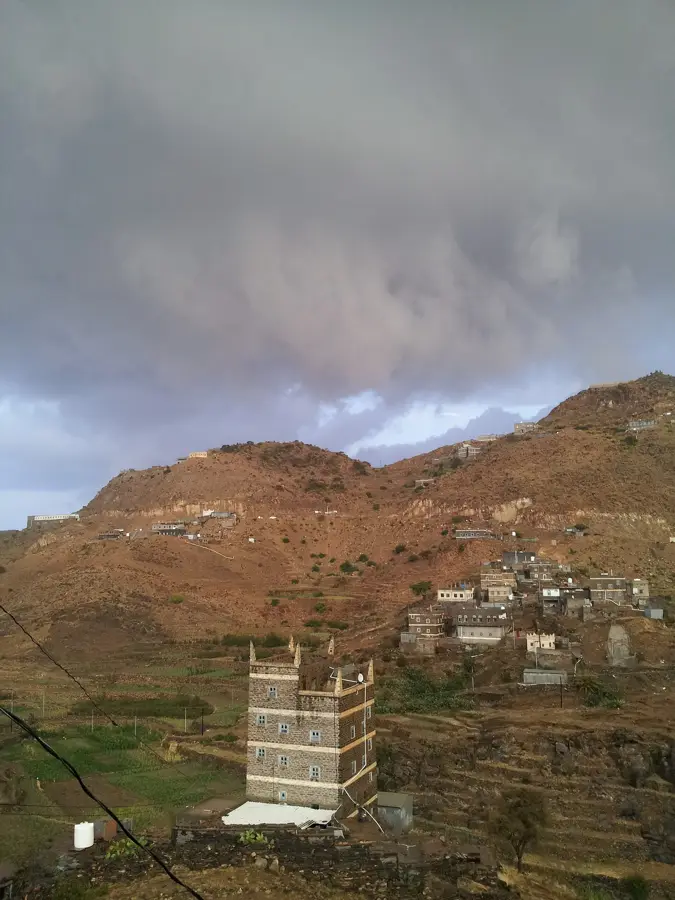
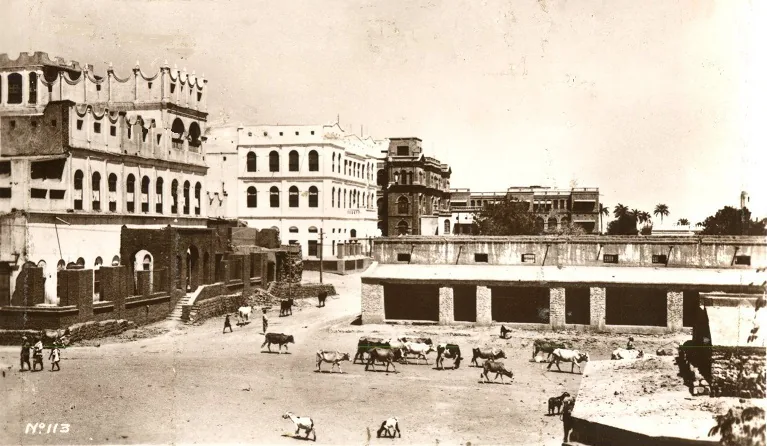
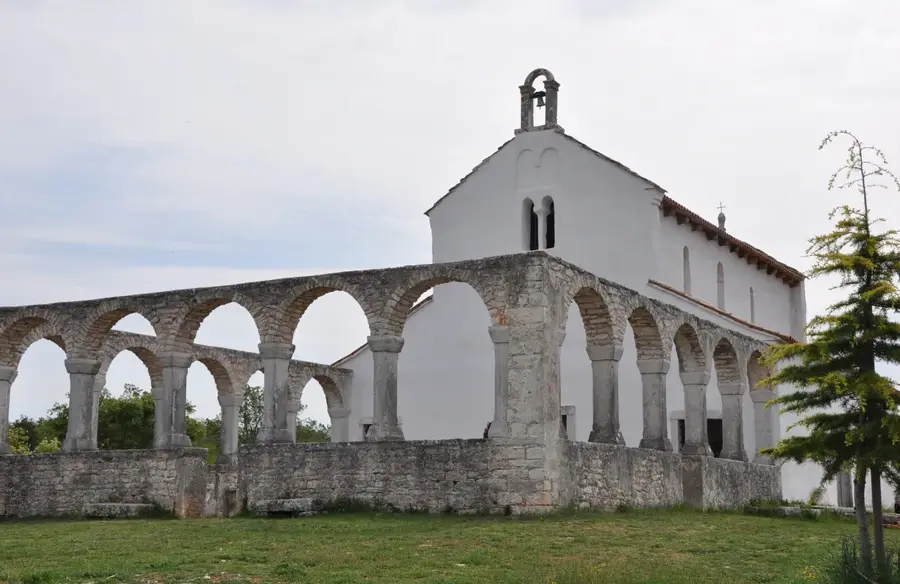
Al Houta is the capital of the Lahij Governorate in southwestern Yemen, renowned as one of the country's most important agricultural and cultural hubs. Situated just 30 kilometers north of the major port of Aden, Al Houta serves as a vital green belt, providing fresh produce to the coastal region. The city is set within the fertile plains of the Wadi Tuban delta, where an abundance of tropical fruits, including the famous Lahiji mangoes, bananas, and lemons, are grown alongside fragrant jasmine flowers. Historically, Al Houta was the capital of the Sultanate of Lahij, a prominent sovereign state that played a significant role in the history of South Arabia. The city's heritage is visible in its grand palaces and villas once owned by the sultans, featuring a unique architectural blend of Arab, Indian, and British styles. This eclectic aesthetic reflects the sultanate's historical ties with the wider Indian Ocean world. Beyond its agriculture, Al Houta is celebrated across Yemen as a center for music and poetry. The 'Lahji' musical style, characterized by its rhythmic complexity and poetic depth, originated here and remains a source of great local pride. The city's climate is tropical and humid, supported by the lush vegetation of the surrounding orchards. Al Houta's markets (souks) are famous for their bustling displays of local flowers and textiles, drawing shoppers from across the region. Economically, the city benefits from its strategic location as a transit point between Aden and the highlands of Taiz. Although the city has faced significant challenges due to regional instability and aging infrastructure, it remains a symbol of fertility and artistic expression in the south. The people of Al Houta are known for their warm hospitality and deep connection to the land and their musical traditions. As Yemen looks toward recovery, the revitalization of Al Houta’s agricultural sector and the preservation of its sultanic heritage are seen as key pillars for the region's prosperity and identity.
- Location: Yemen
- Nearby: Al Burayqah (24 km)
- Population: ~23.375 (2026)
Best time to visit & climate
The most pleasant time to visit is Jan, Feb, Dec.
| Jan | Feb | Mar | Apr | May | Jun | Jul | Aug | Sep | Oct | Nov | Dec | |
|---|---|---|---|---|---|---|---|---|---|---|---|---|
| Avg °C | 24 | 25 | 27 | 29 | 31 | 33 | 33 | 32 | 31 | 29 | 27 | 25 |
| Rain mm | 3 | 2 | 3 | 12 | 12 | 19 | 15 | 20 | 23 | 11 | 5 | 7 |
Geography
Facts
- Al Houta is famously called 'the city of jasmine' due to its fragrant flower gardens.
- The city was the primary capital of the Abdali Sultanate of Lahij for over 200 years.
- It is located in the middle of a massive agricultural basin created by Wadi Tuban.
- Lahiji music, native to the city, is often performed using the oud and violin.
- The city is a critical junction for the highway connecting Aden to northern Yemen.
- The Lahiji mango variety 'Taimur' is highly sought after across the Middle East.
- Historical sultanic palaces in Al Houta feature intricate Indian-influenced woodwork.
- The city's climate is hot, with temperatures rarely falling below 20 degrees Celsius.
Explore nearby
Notable places around

Route planner — Car & Motorhome
Where do you start? We build the route here, with stops and country notes along the way.
© OpenStreetMap contributors · OpenRouteService
Sights in the town Al Houta (1)
Frequently asked questions
What should one see in Al Houta?
How much time should I spend in Al Houta?
When is the best time to visit Al Houta?
What is the local cuisine like in Al Houta?
Are there accommodations for tourists in Al Houta?
Al Houta: where is it located?
Al Houta: when is the best time to visit?
Al Houta: why is it worth visiting?

Nearby cities






History & landmarks
Nature


More places