Plizio Visual Lab
Zabid Cotton Fields
Weather…
Water temperature…
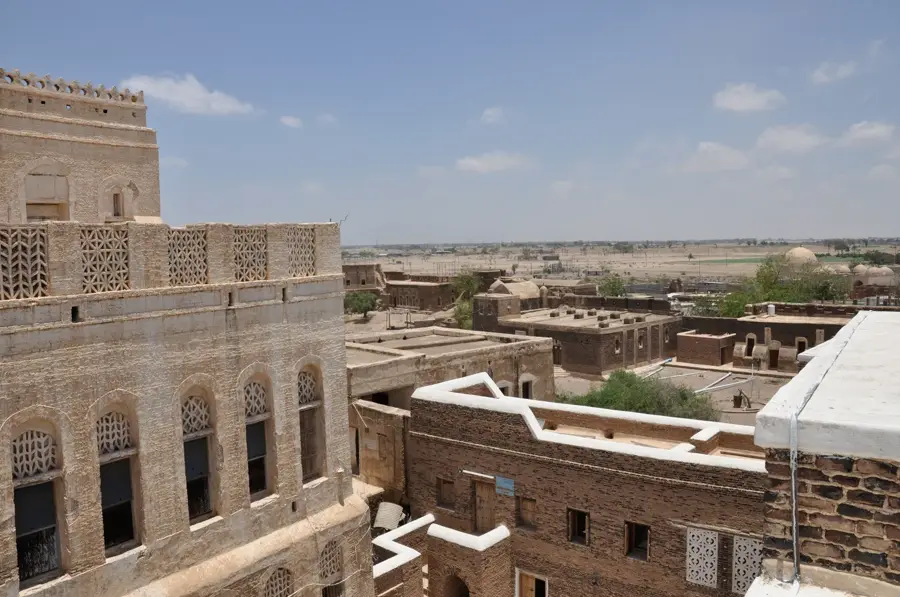
The cotton fields surrounding the historic city of Zabid are a testament to the long-standing agricultural and textile traditions in the Tihama plain. Zabid, once a major center of Islamic learning and science, was also renowned for its high-quality cotton production and weaving arts. The region's fertile soil, irrigated by seasonal floods from nearby wadis, allows for the cultivation of this demanding crop. Harvesting is usually carried out in the cooler morning hours by the local rural population, and the white fibers are often processed directly on-site. Traditional weaving workshops in Zabid still produce fabrics for the famous Yemeni garments (Futah) and shawls today. Although modern industrial production puts pressure on the sector, the farmers of Zabid maintain their artisanal methods. The fields offer a fascinating sight when the cotton bolls burst open, transforming the landscape into a sea of white fluff. Protecting this agricultural culture is closely linked to the preservation of the city of Zabid as a UNESCO World Heritage site.
- Location: Yemen
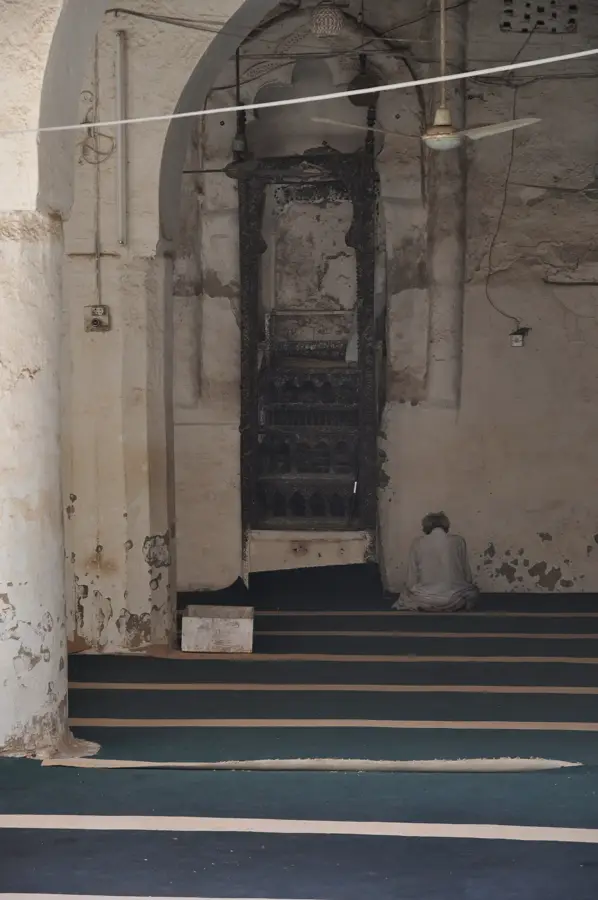
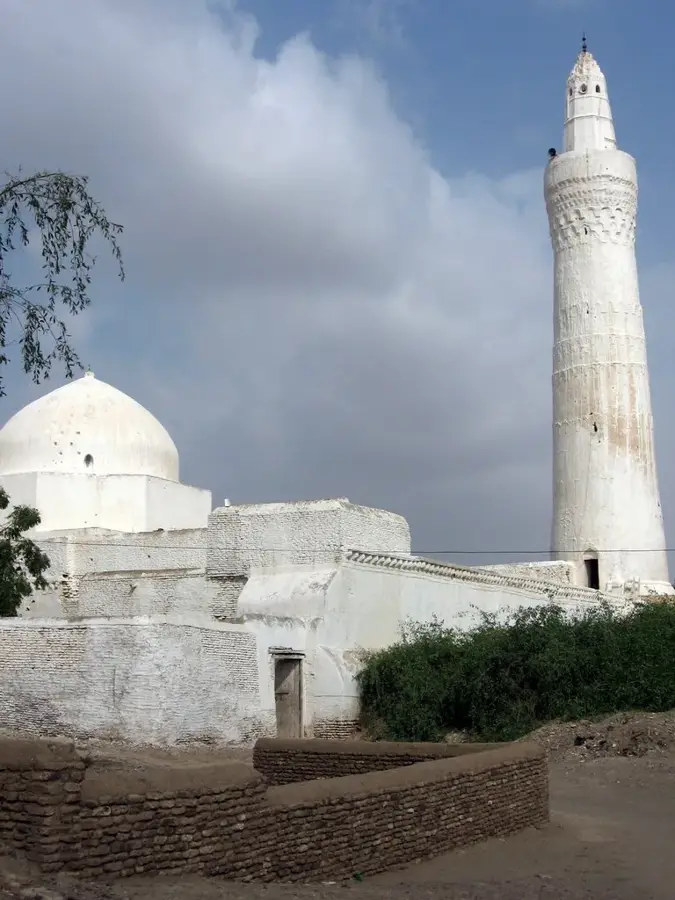
- Top sights: Al-Asha'ir Mosque · Zabid · Great Mosque of Zabid
- Nearby: Bajil (64 km)
Best time to visit & climate
The most pleasant time to visit is Jan, Feb, Dec.
| Jan | Feb | Mar | Apr | May | Jun | Jul | Aug | Sep | Oct | Nov | Dec | |
|---|---|---|---|---|---|---|---|---|---|---|---|---|
| Avg °C | 23 | 24 | 27 | 28 | 29 | 30 | 29 | 28 | 28 | 26 | 24 | 23 |
| Rain mm | 5 | 3 | 8 | 36 | 35 | 37 | 55 | 75 | 75 | 31 | 5 | 13 |
📋 Practical info
Geography
Facts
- Zabid served as the capital of Yemen from the 13th to the 15th century under the Rasulid dynasty.
- The city is home to one of the oldest universities in the Islamic world.
- Cotton has been a traditional export commodity of the Tihama region since the Middle Ages.
- Irrigation is managed through the 'Sayl' system, which diverts rainwater from the mountains.
- Zabid was inscribed as a UNESCO World Heritage site in 1993.
- Hand-woven Futahs from Zabid are considered a status symbol for men in Yemen.
Explore nearby
Notable places around

Route planner — Car & Motorhome
Where do you start? We build the route here, with stops and country notes along the way.
© OpenStreetMap contributors · OpenRouteService
Sights in the town Zabid Cotton Fields (3)
Sights nearby
Frequently asked questions
What is the importance of the Zabid cotton fields?
Can one visit the fields?
What is the best season?
Are there sanitary facilities there?
Is Zabid worth visiting?
Zabid Cotton Fields: where is it located?
Zabid Cotton Fields: what is there to see?
Zabid Cotton Fields: when is the best time to visit?
Zabid Cotton Fields: why is it worth visiting?

Nearby cities
History & landmarks
Nature


More places