Plizio Visual Lab
Wadi Zabid
Weather…
Water temperature…
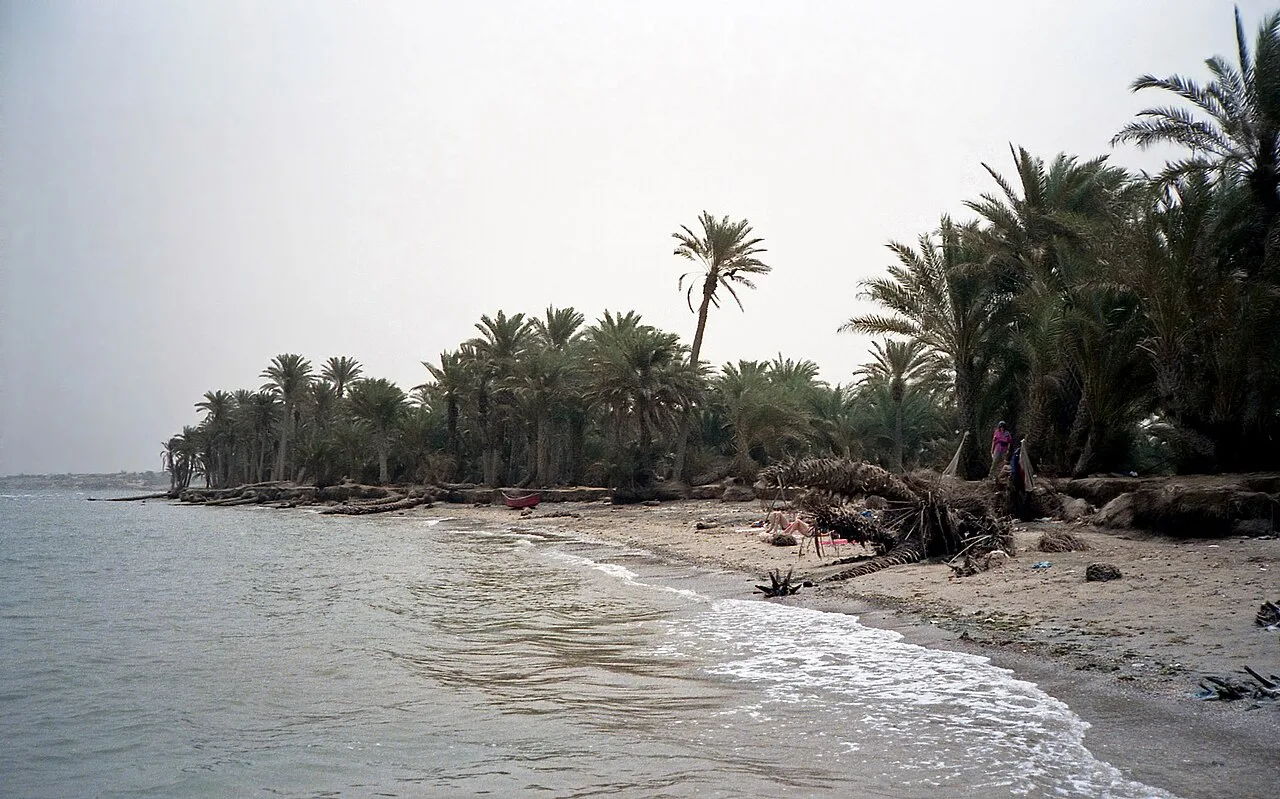
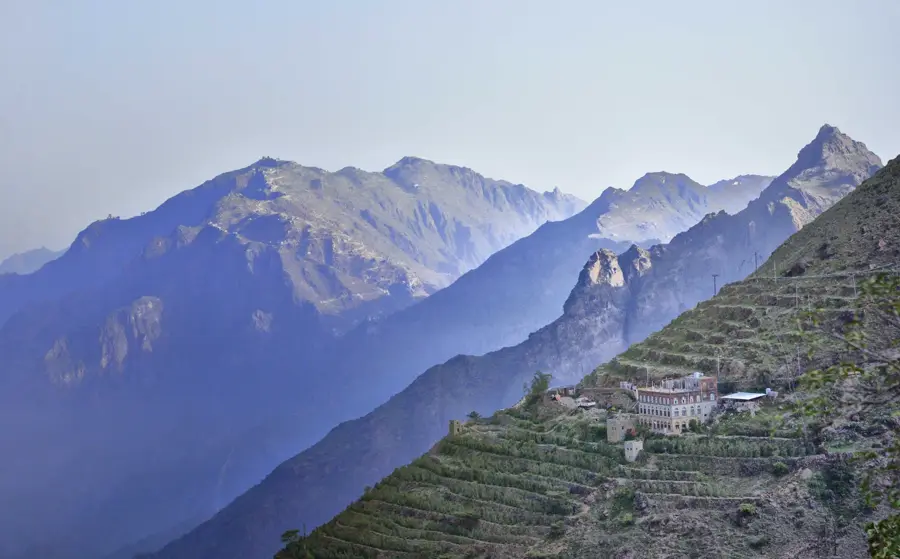
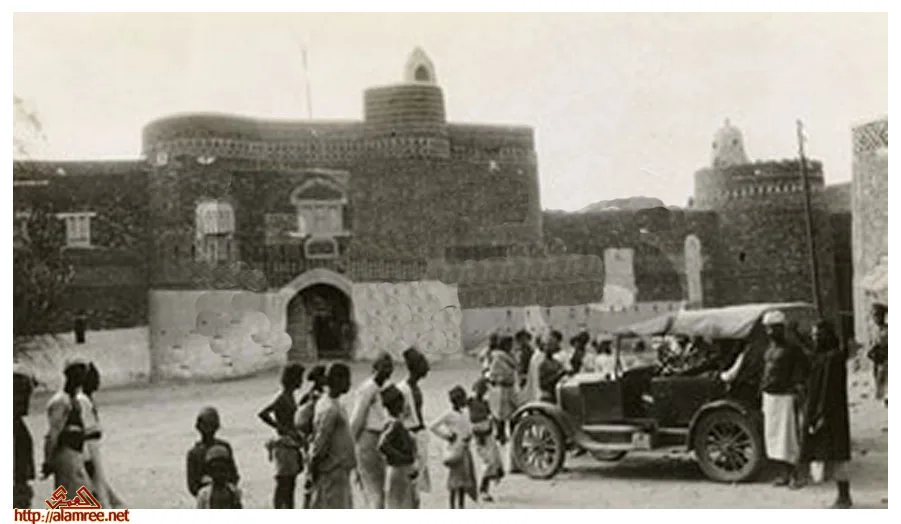
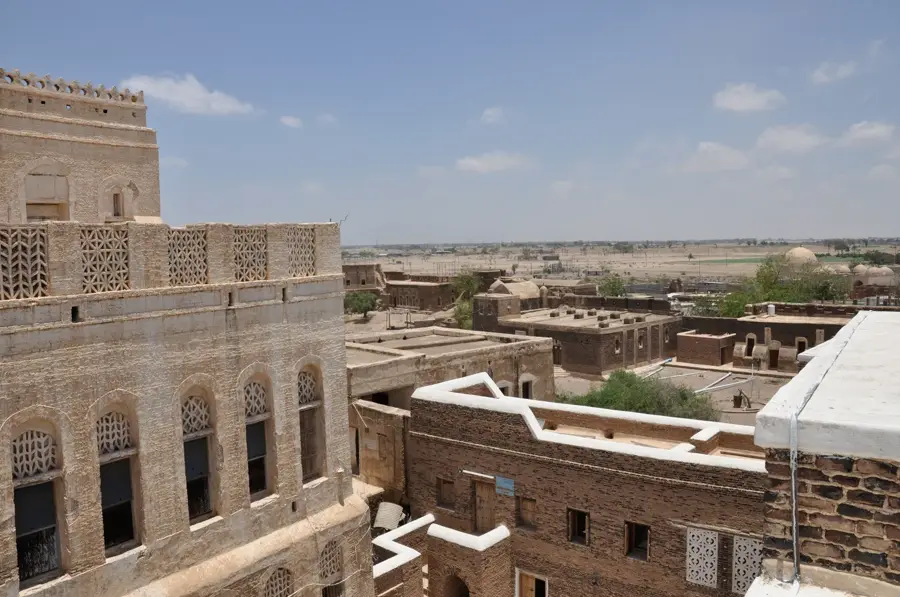
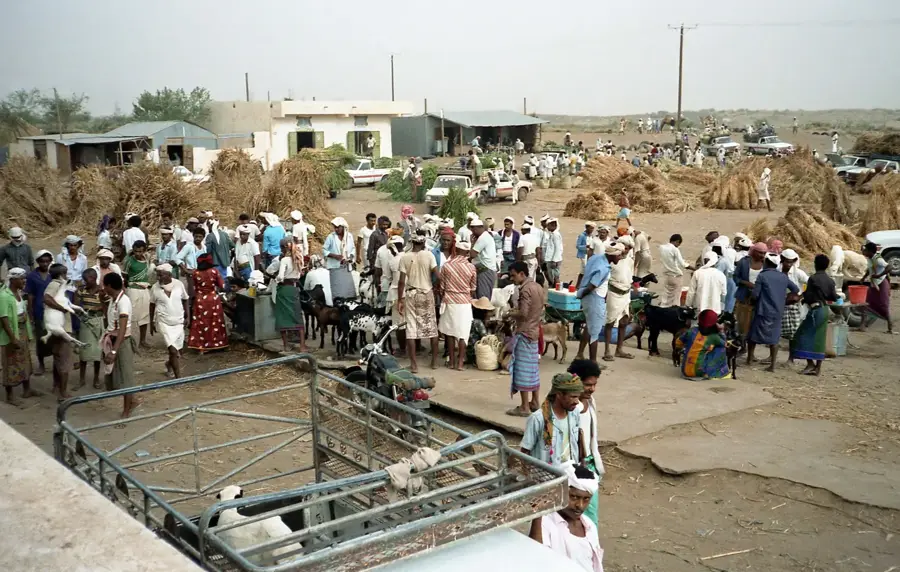
Wadi Zabid is one of the most significant river valleys in the Tihama coastal plain of Yemen. It extends from the highlands down to the Red Sea and plays a crucial role in irrigating the surrounding agricultural lands. The wadi is named after the historic city of Zabid, which is a UNESCO World Heritage site and famous for its Islamic scholarship. The wadi's ecological dynamics are characterized by seasonal flash floods that transport fertile sediments from the mountains to the plain. Dense palm groves and acacia forests grow along the wadi, providing an important habitat for birds and small mammals. Historically, Wadi Zabid was the center of a sophisticated irrigation system that existed since pre-Islamic times. However, the wadi's water resources are threatened today by overexploitation and falling groundwater levels. Despite these issues, it remains a symbol of agricultural productivity and cultural heritage in the Tihama region.
- Location: Yemen
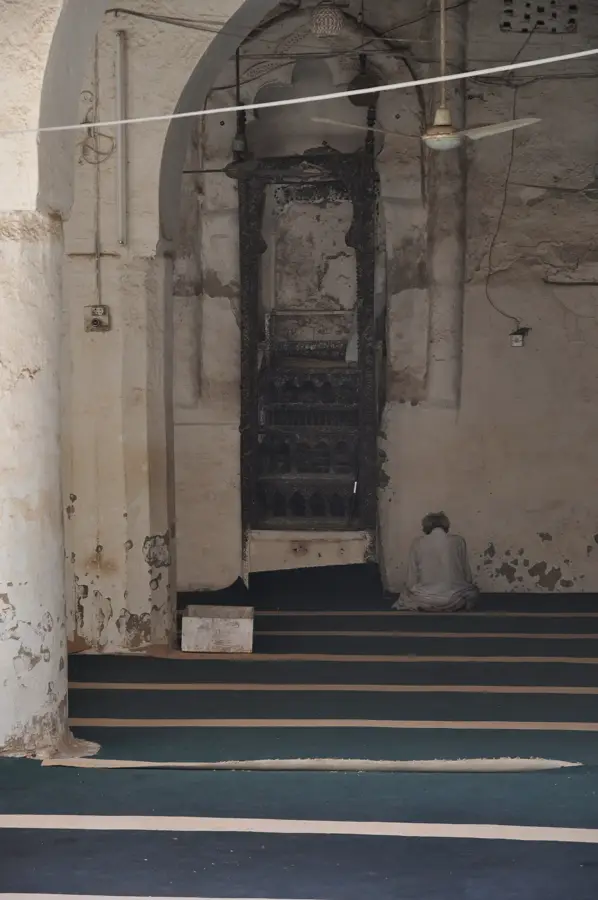
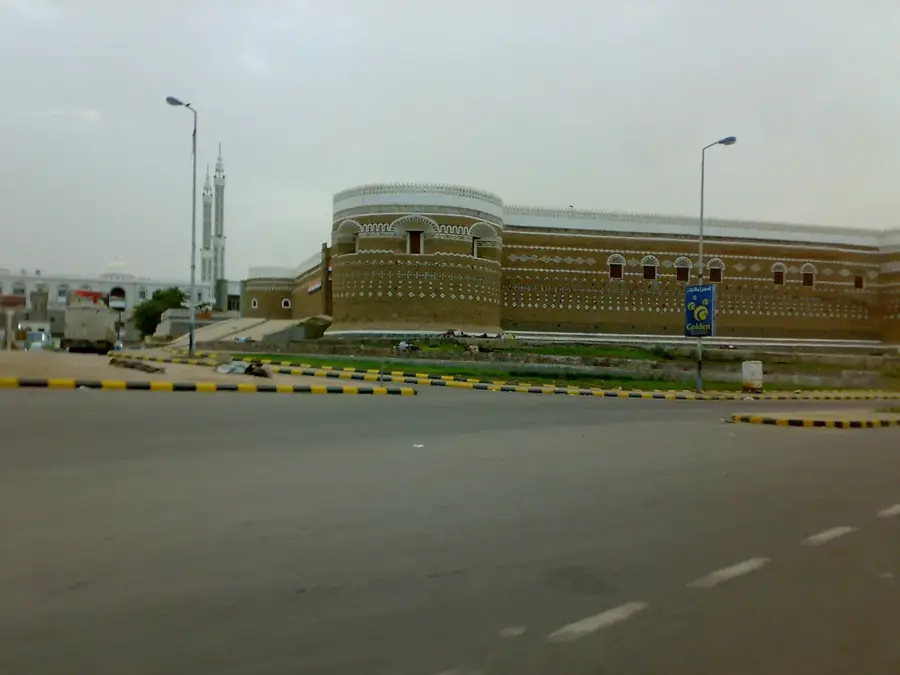
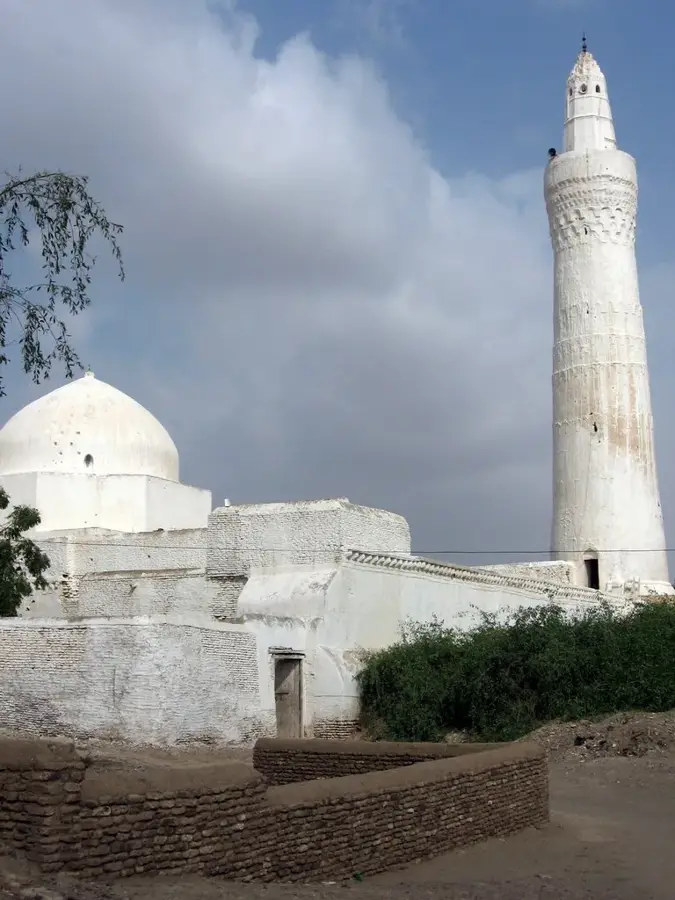
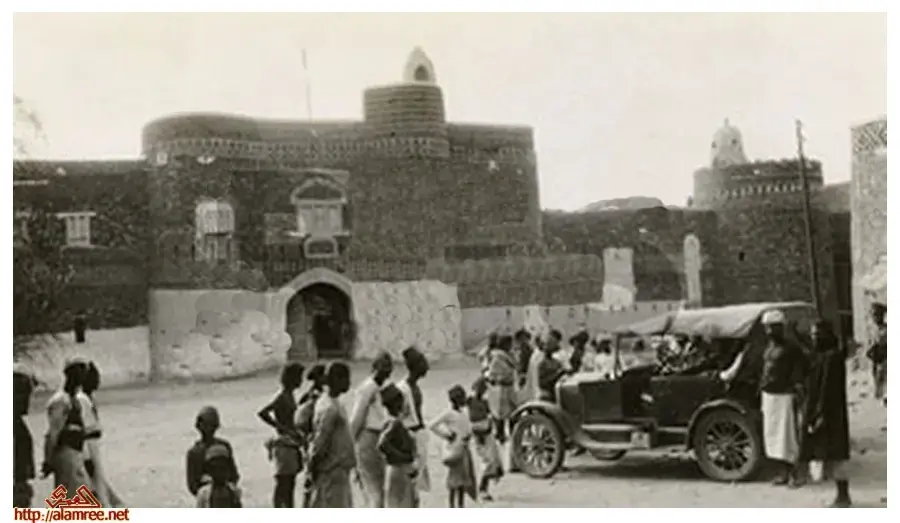
- Top sights: Zabid · Al-Asha'ir Mosque · Great Mosque of Zabid
- Nearby: Bajil (63 km)
Best time to visit & climate
The most pleasant time to visit is Jan, Feb, Dec.
| Jan | Feb | Mar | Apr | May | Jun | Jul | Aug | Sep | Oct | Nov | Dec | |
|---|---|---|---|---|---|---|---|---|---|---|---|---|
| Avg °C | 23 | 24 | 27 | 28 | 29 | 30 | 29 | 28 | 28 | 26 | 24 | 23 |
| Rain mm | 5 | 3 | 8 | 36 | 35 | 37 | 55 | 75 | 75 | 31 | 5 | 13 |
📋 Practical info
Geography
Facts
- Wadi Zabid supplies water to over 30,000 hectares of arable land.
- The annual water volume varies greatly depending on monsoon intensity.
- Historically, sophisticated weirs were built here for water distribution.
- Over 150 different bird species have been observed in the wadi.
- The region is known for the cultivation of cotton and tobacco.
- Irrigation rights in Wadi Zabid follow centuries-old traditions.
Explore nearby
Notable places around


Route planner — Car & Motorhome
Where do you start? We build the route here, with stops and country notes along the way.
© OpenStreetMap contributors · OpenRouteService
Sights in the town Wadi Zabid (3)
Sights nearby
Frequently asked questions
Is Wadi Zabid cultivated?
How is the access to the wadi?
Are there cultural attractions?
Is the water safe there?
When is it most beautiful?
Wadi Zabid: where is it located?
Wadi Zabid: what is there to see?
Wadi Zabid: when is the best time to visit?
Wadi Zabid: why is it worth visiting?

Nearby cities
History & landmarks
Nature


More places