Plizio Visual Lab
Bayt al-Faqih
Weather…
Water temperature…
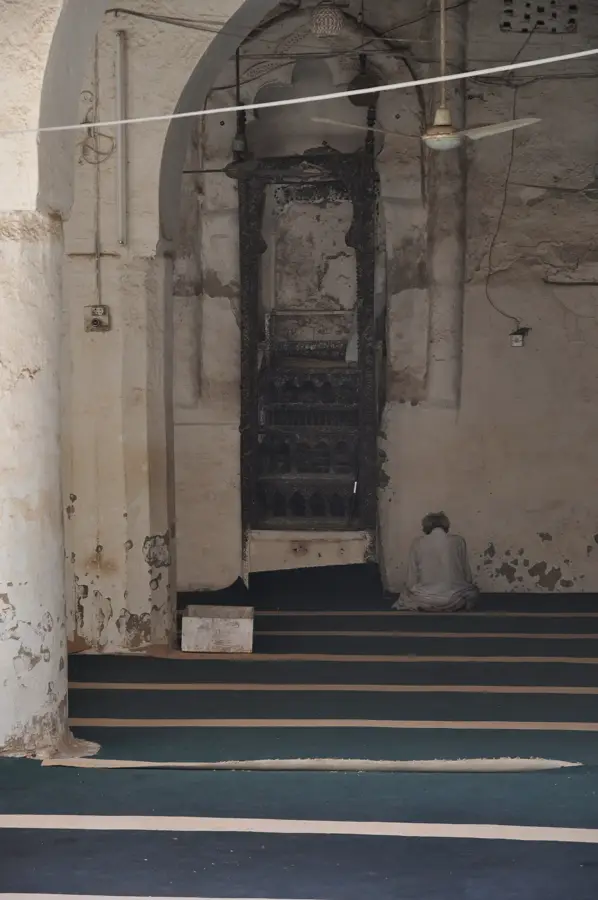
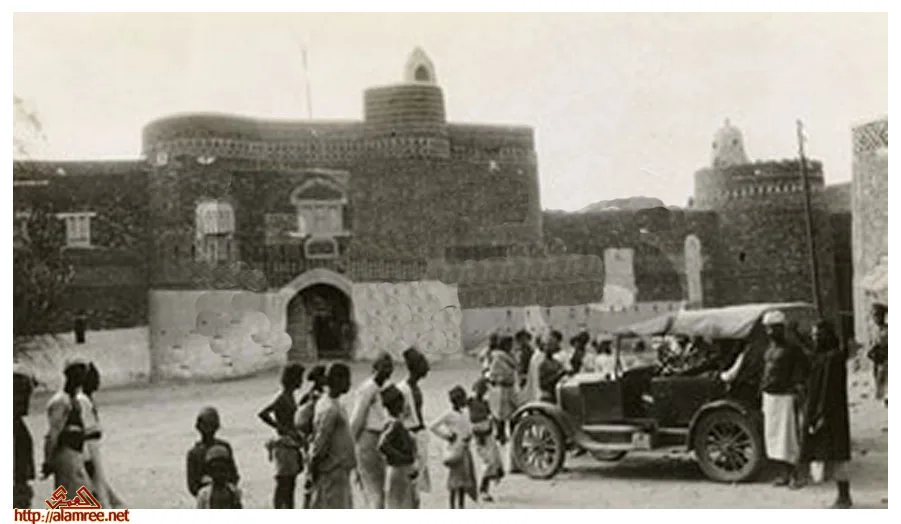
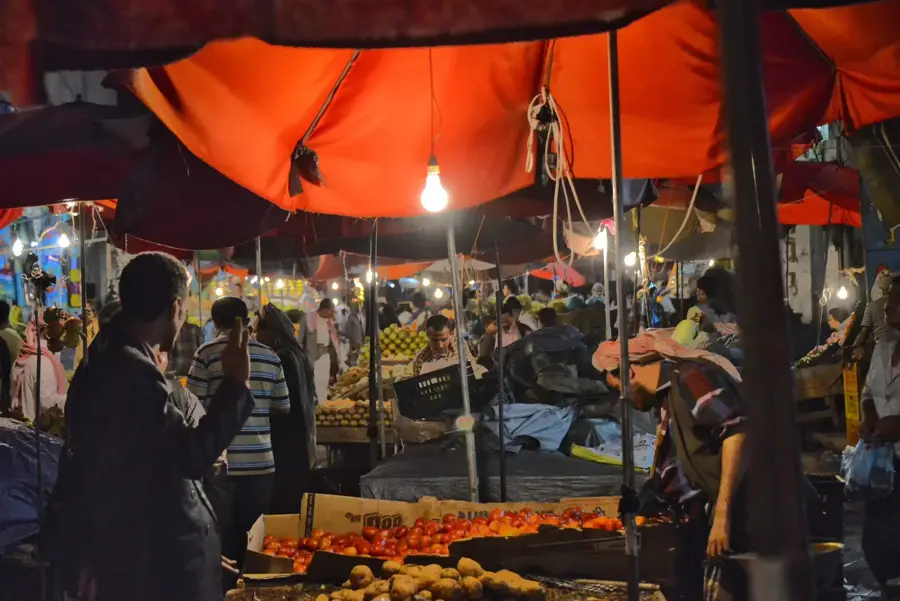
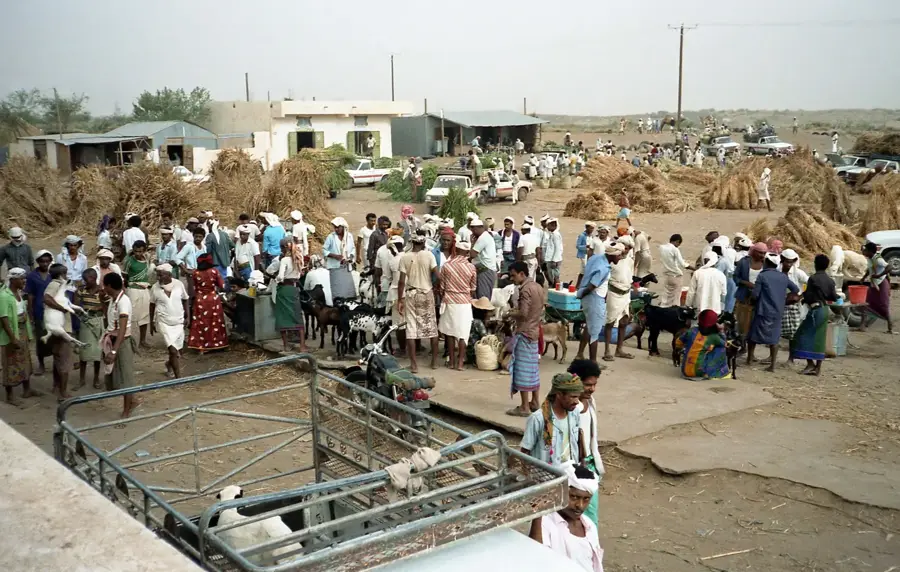
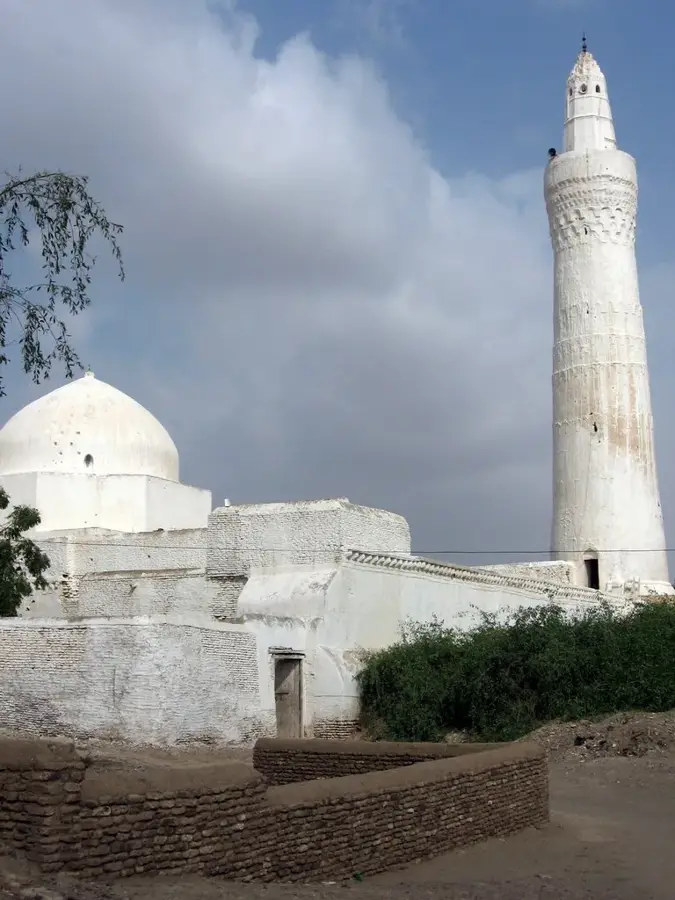
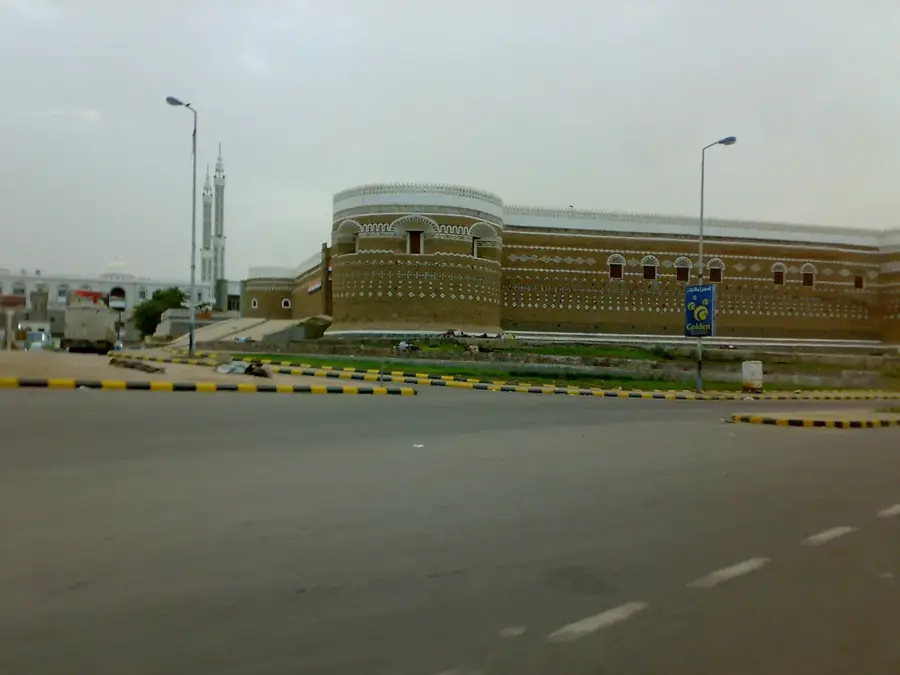
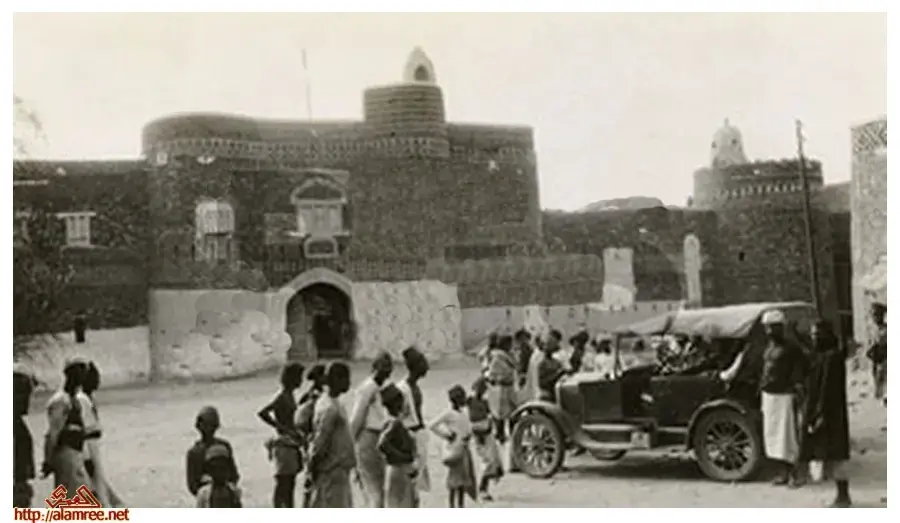
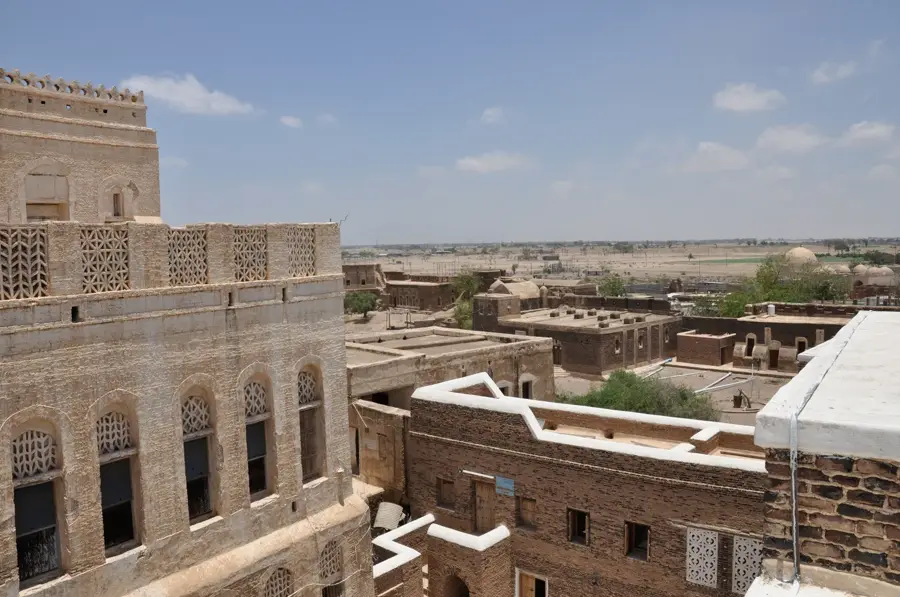
Bayt al-Faqih, established in the 18th century by a renowned scholar, is a vital commercial and cultural center in the Tihama coastal plain. The town is most famous for its Friday market (Souq), which is often cited as one of the largest and most spectacular weekly markets in the entire Middle East. It serves as a meeting point for highland tribes and coastal villagers who come to trade livestock, coffee, honey, and textiles. The town is highly regarded for its weaving industry, producing some of Yemen's finest hand-loomed fabrics and traditional clothing. The architecture here is distinctive to the Tihama region, utilizing sun-dried bricks with white plaster decorations that help reflect the intense heat. At its heart lies the mosque and shrine of Ahmad ibn Musa, which remains a significant spiritual center for the local population. Visiting the market gives an unparalleled sensory experience of sights, sounds, and smells of traditional Arabian trade. Due to the high temperatures of the plain, the best months to visit are from November to February. Local food is spicy and flavorful, reflecting the region's history as a crossroads of trade. Bayt al-Faqih is a living monument to Yemeni heritage, where ancient customs continue to thrive in the modern day.
- Location: Yemen
- Nearby: Zabid (26 km)
- Population: ~34.204 (2020)
Best time to visit & climate
The most pleasant time to visit is Jan, Feb, Dec.
| Jan | Feb | Mar | Apr | May | Jun | Jul | Aug | Sep | Oct | Nov | Dec | |
|---|---|---|---|---|---|---|---|---|---|---|---|---|
| Avg °C | 21 | 23 | 25 | 27 | 28 | 29 | 28 | 27 | 27 | 25 | 23 | 21 |
| Rain mm | 3 | 3 | 5 | 17 | 17 | 14 | 25 | 41 | 28 | 21 | 4 | 9 |
📋 Practical info
Geography
Facts
- Home to one of the Middle East's largest markets
- Center for Yemen's traditional weaving
- Features unique Tihama brick architecture
- Founded by a 18th-century scholar
- Major livestock and agricultural trading hub
- Spiritual center of Ahmad ibn Musa
- Famous for artisanal hand-loomed cloth
- Experiencing the intense Tihama heat
Explore nearby
Notable places around


Route planner — Car & Motorhome
Where do you start? We build the route here, with stops and country notes along the way.
© OpenStreetMap contributors · OpenRouteService
Sights in the town Bayt al-Faqih (1)
Sights nearby
Frequently asked questions
Bayt al-Faqih: where is it located?
Bayt al-Faqih: when is the best time to visit?
Bayt al-Faqih: why is it worth visiting?

Nearby cities
History & landmarks
Nature

More places