Plizio Visual Lab
Amran
ℹ️Practical info — Amran
▾
🌤 Weather — 5 days
📍 Nearby
Sights nearby
💡 Tips
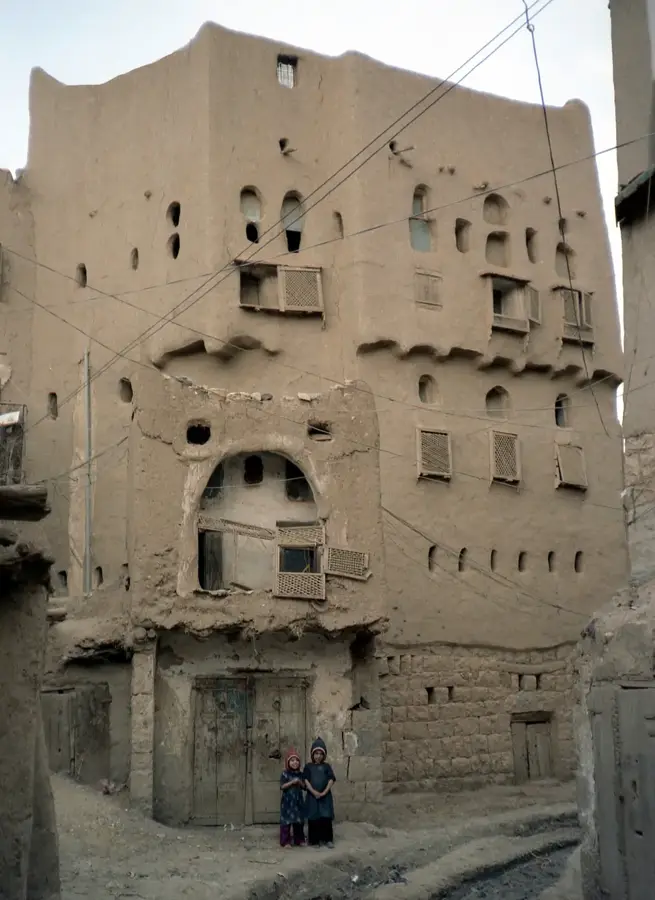
- Photograph the mud-brick architecture of the old city in the late afternoon for the best light.
- Dress very conservatively; loose-fitting clothes are essential, and women should wear a headscarf.
- Visit the bustling morning market, but remember that friendly haggling is expected.
- Be aware that traveling outside the city often requires permits and local guides due to security.
🍽 Food
Try this traditional meat stew in small local eateries.
A sweet honey cake available in traditional bakeries.
Enjoy strong, spiced coffee at local cafes.
🛍 Shopping · 🧘 Quiet spots
Find fresh cardamom and cumin in the traditional market area.
Look for colorful woven fabrics in the old town shops.
A quieter spot to admire the ancient defensive walls.
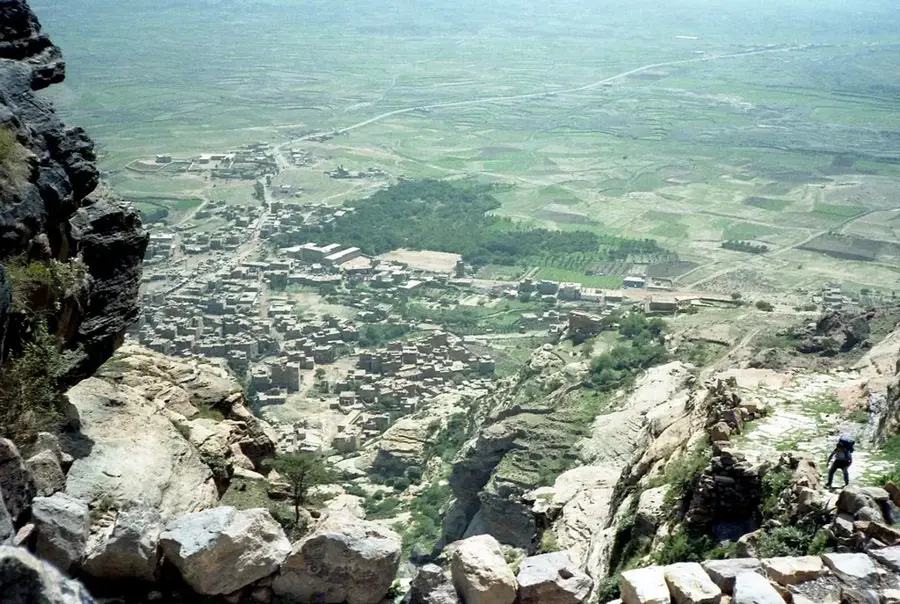
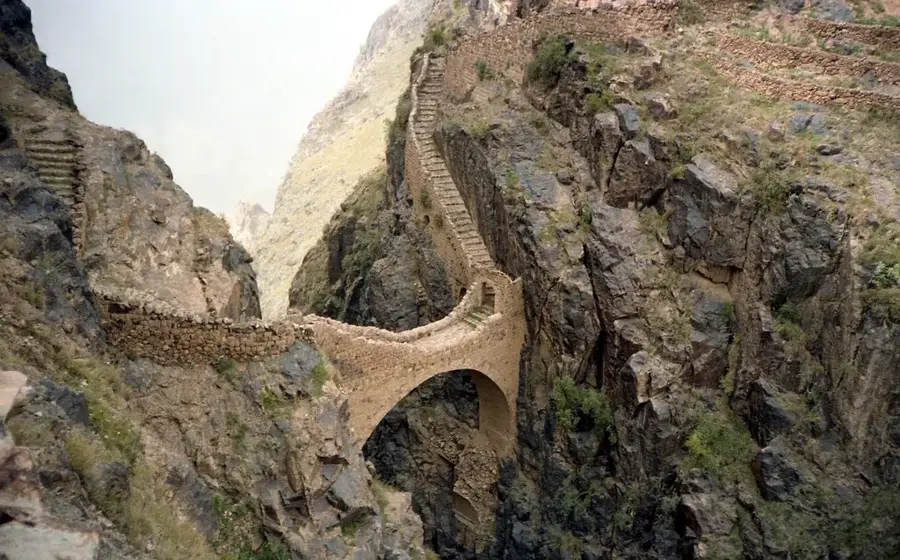
Walk out to the city edges for views of the agricultural terraces.
Water temperature…
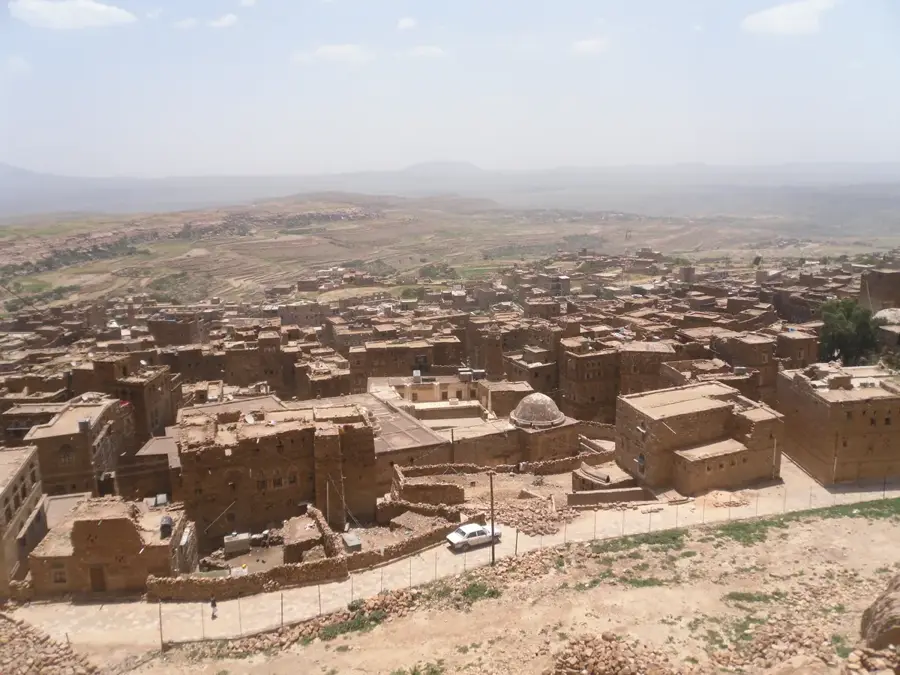
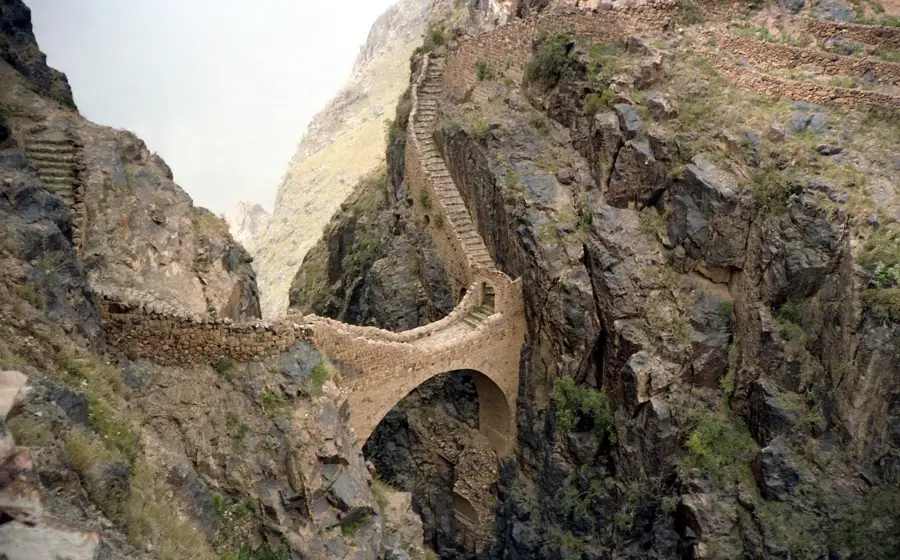
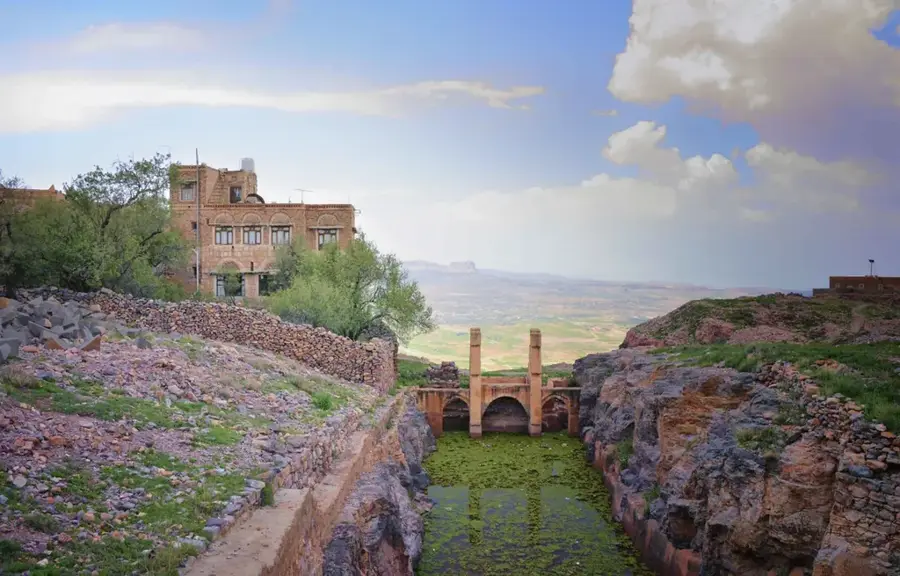
Amran is a historically significant city in the highlands of Yemen, located approximately 50 kilometers north of the capital, Sana'a. As the capital of the Amran Governorate, it occupies a strategic position within a vast, fertile basin at an altitude of about 2,200 meters, surrounded by defensive mountains. Amran is one of Yemen's oldest cities, with its foundations dating back to the pre-Islamic Sabaean and Himyarite eras, evidenced by ancient inscriptions and stones reused in its later constructions. The city's most distinctive feature is its remarkably intact medieval mud-brick wall, which completely encloses the historic old town and stands as a masterpiece of traditional fortification engineering. Within these walls, the narrow alleys are lined with multi-story dwellings made of earth and stone, often decorated with white gypsum friezes. Economically, Amran is a pivotal trade hub on the main northern route connecting Sana'a with the rest of northern Yemen and the Saudi border. The surrounding agricultural plain is highly productive, yielding crops of wheat, barley, and various fruits, as well as being a center for the cultivation of qat. In the modern era, Amran has become an industrial center, notably hosting one of the nation's largest cement factories, which is vital for domestic development. The social structure is deeply rooted in tribal traditions, with local customs playing a significant role in daily governance and social interaction. Despite the impact of regional conflicts, Amran continues to serve as an important administrative and educational center for the northern highlands. Its proximity to Sana'a ensures a constant flow of people and goods, reinforcing its status as a key transit city. Cultural life in Amran remains traditional, with local souks providing a spirited display of regional crafts, spices, and tribal jewelry. For archaeologists and historians, Amran is a treasure trove of South Arabian history, offering a well-preserved window into the architectural and social evolution of the Yemeni highlands over the centuries.
- Location: Yemen
- Top sights: Top door · Bottom door · Jabal Tiqrari
- Population: ~90.792 (2026)
Best time to visit & climate
The most pleasant time to visit is Feb, Mar, Oct.
| Jan | Feb | Mar | Apr | May | Jun | Jul | Aug | Sep | Oct | Nov | Dec | |
|---|---|---|---|---|---|---|---|---|---|---|---|---|
| Avg °C | 18 | 19 | 21 | 23 | 25 | 26 | 25 | 24 | 25 | 21 | 19 | 18 |
| Rain mm | 2 | 1 | 2 | 8 | 3 | 1 | 8 | 10 | 1 | 2 | 4 | 6 |
Geography
Facts
- Amran is the administrative capital of the Amran Governorate.
- The city is located approximately 50 km (31 miles) north of Sana'a.
- It features a complete 19th-century mud-brick perimeter wall.
- The city's history extends back to the ancient Kingdom of Saba.
- It is home to the Yemen Cement Manufacturing and Marketing Company.
- The city sits at an elevation of 2,200 meters (7,200 feet).
- Amran serves as a crucial transit hub for northern Yemen commerce.
- Many buildings in the old city incorporate stones from ancient Himyarite structures.
Explore nearby
Notable places around
Route planner — Car & Motorhome
Where do you start? We build the route here, with stops and country notes along the way.
© OpenStreetMap contributors · OpenRouteService
Sights in the town Amran (4)
Frequently asked questions
What kind of city is Amran?
Can you visit the city?
What characterizes the architecture?
What is the environment like?
Is there a university there?
Amran: where is it located?
Amran: what is there to see?
Amran: when is the best time to visit?
Amran: why is it worth visiting?

Nearby cities





History & landmarks
Nature
More places