Plizio Visual Lab

Chimantá Massif
Plizio editorial teamData Sources
Mountain
—°3
Chimantá Massif (Venezuela)

Weather…

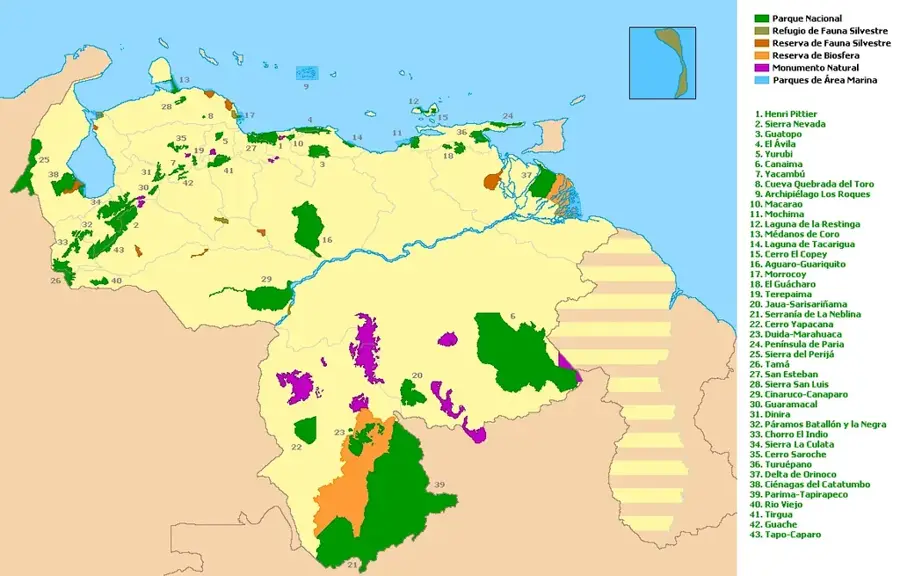
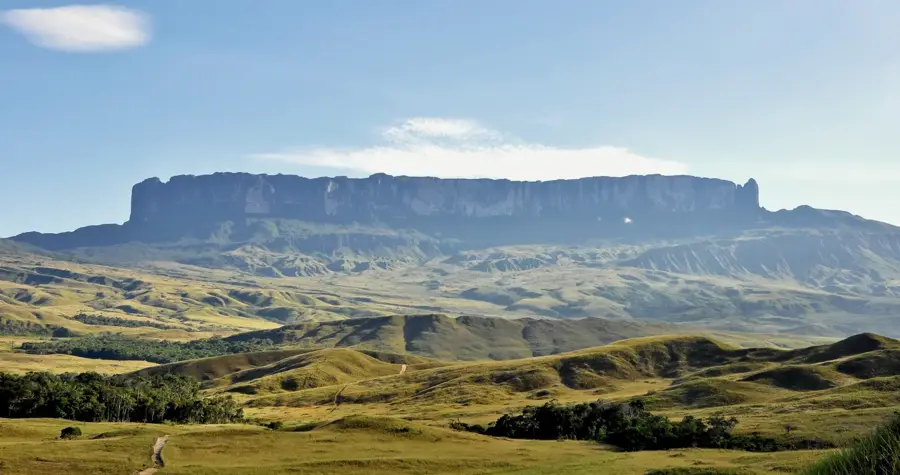
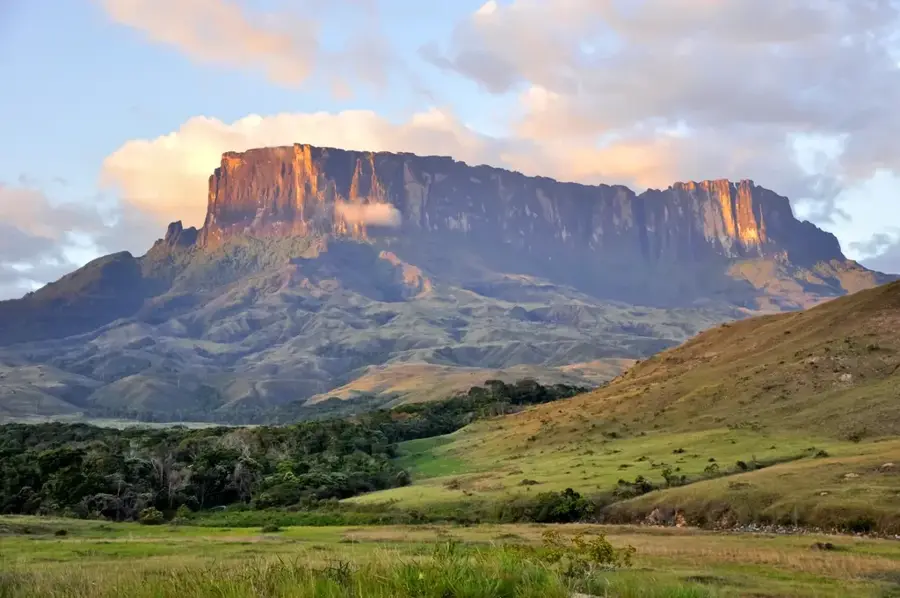
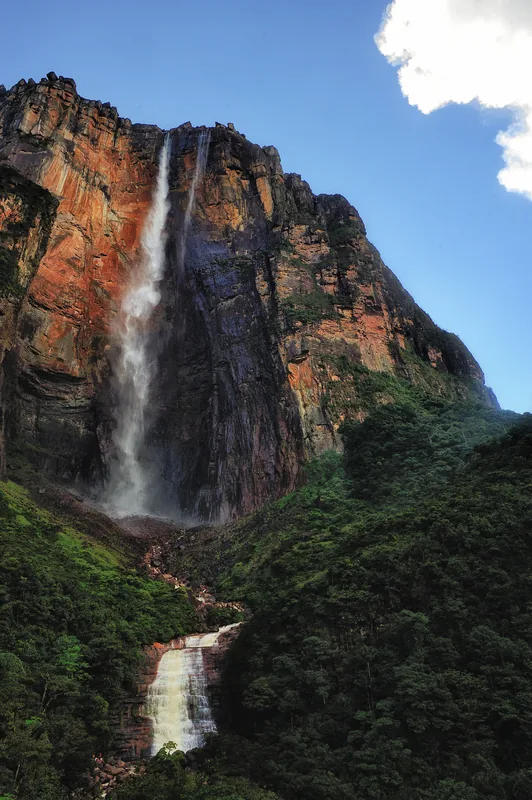
The Chimantá Massif is one of the largest and most complex systems of table-top mountains (tepuis) in Bolívar state, southeastern Venezuela. Covering an area of approximately 1,470 square kilometers, it consists of eleven distinct tepuis separated by deep, rugged canyons. This geological formation is part of the Guiana Shield and is composed of ancient Precambrian sandstone from the Roraima Group. Due to its vast extent and extreme isolation, Chimantá hosts one of the highest rates of plant endemism in the world. Botanists have identified numerous genera here that exist nowhere else on Earth. The massif is frequently shrouded in dense clouds, resulting in a moist, cool microclimate that supports specialized high-altitude bog ecosystems. It serves as the headwaters for many rivers that feed into the Caroní basin, playing a critical role in the region's hydrology. Exploration of the massif remains ongoing and incomplete due to its immense size and the logistical challenges of its difficult terrain.

Best time to visit & climate

The most pleasant time to visit is Jan–Mar.

JanFebMarAprMayJunJulAugSepOctNovDec
Avg °C202121222120202121212121
Rain mm503948125250304236217119919878

📋 Practical info

🧭
Getting there
The massif is one of the most remote places on Earth, typically accessed only by helicopter or very long expeditions from the Gran Sabana. Most trips start from the town of Santa Elena de Uairén, where logistical arrangements for flights or guides are made.
📅
Best season
The most favorable weather for an expedition is during the slightly drier window between December and March. However, the region is situated in a tropical rainforest zone, so visitors should be prepared for significant rainfall at any time of the year.
⛰️
Terrain & paths
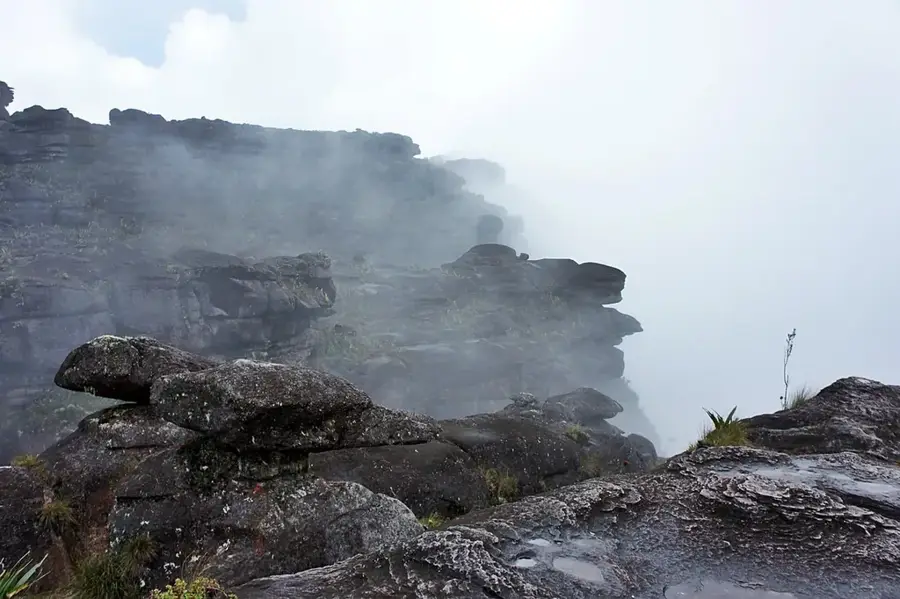
This complex system of tepuis consists of several interconnected plateaus with deep, forested canyons and sharp sandstone ridges. The summit environment is unique and fragile, featuring endemic plants and strange, weather-worn rock sculptures.
🎒
What to bring
Expeditions require full self-sufficiency, including specialized camping gear, high-altitude clothing, and reliable navigation tools like GPS. Sturdy, waterproof hiking boots and a comprehensive first-aid kit are absolute necessities for this isolated environment.
🅿️
Parking
There are absolutely no roads or parking lots in the vicinity of the Chimantá Massif. Any private vehicles must be left in a secure location in a major town like Puerto Ordaz or Santa Elena de Uairén before the final leg of the journey.
⚠️
Safety
This is an extremely high-risk environment with no emergency services or easy evacuation routes available. Only highly experienced trekkers with professional support teams should attempt to explore this area due to the extreme weather and isolation.
⏱️
Time needed
Expeditions to the Chimantá Massif typically last between 10 and 14 days, accounting for the complex logistics and the time needed to explore. The duration can vary significantly based on weather conditions and the specific plateaus being visited.

Geography

Coordinates
5.28500, -62.13800

Facts

  • Covers an area of about 1,470 km²
  • Comprised of 11 individual tepuis
  • Located in Bolívar state
  • Highest peak: Murei-tepui (2,698 m)
  • Extreme level of plant endemism
  • Geological age of approximately 1.8 billion years

Explore nearby

Notable places around
Route planner — Car & Motorhome

Where do you start? We build the route here, with stops and country notes along the way.

Vehicle
Only stops with (optional):

© OpenStreetMap contributors · OpenRouteService

Sights in the town Chimantá Massif (3)

Akparamán Tepuy🌿 nature

A table mountain peak forming part of the Chimantá Massif.

Sarvén Tepuy🌿 nature

A distinctive table mountain rising within the Chimantá Massif.

Erueda Tepuy🌿 nature

A steep-sided table mountain peak in the region's landscape.

Sights nearby

Frequently asked questions

How was the Chimantá Massif formed?
It is an ancient geological sandstone plateau.
Is the massif accessible to tourists?
Only for organized expeditions, as the terrain is extremely wild.
What flora can be found there?
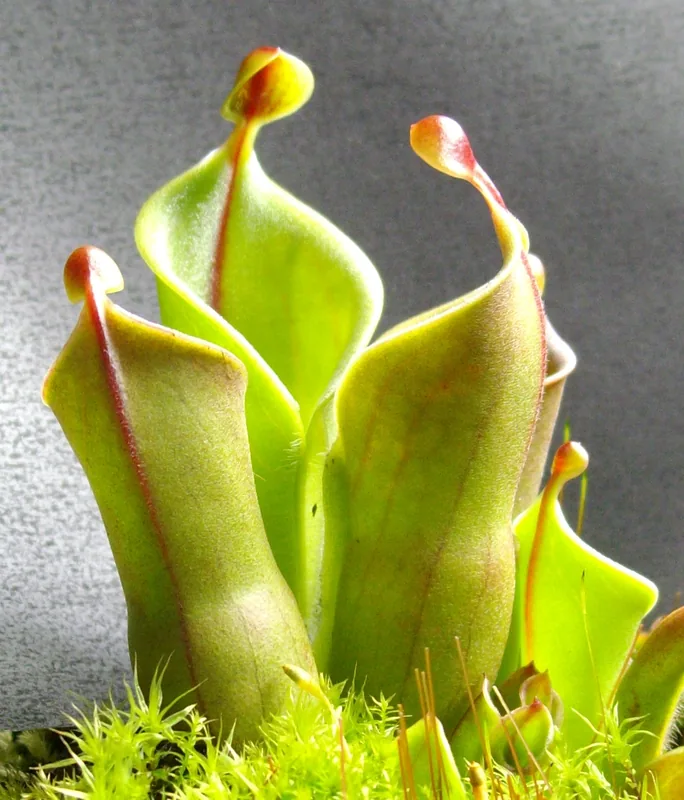
Many endemic plants and carnivorous species.
Is arrival by helicopter possible?
Yes, this is the common way to reach the summits.
What is the biggest danger?
The extremely changeable weather and the isolation.
Chimantá Massif: where is it located?
Chimantá Massif is located in Venezuela.
Chimantá Massif: what is there to see?
Highlights include Akparamán Tepuy, Sarvén Tepuy, Erueda Tepuy.
Chimantá Massif: when is the best time to visit?
The most pleasant time to visit is Jan, Mar.
Chimantá Massif: why is it worth visiting?

The Chimantá Massif is one of the largest and most complex systems of table-top mountains (tepuis) in Bolívar state, southeastern Venezuela.
View on map → The Top 50 Attractions → OpenStreetMap →
South America
Explore with Plizio Discover more places in South America
More places in Venezuela →

History & landmarks

Nature

More places