Plizio Visual Lab
Porta Pertusa
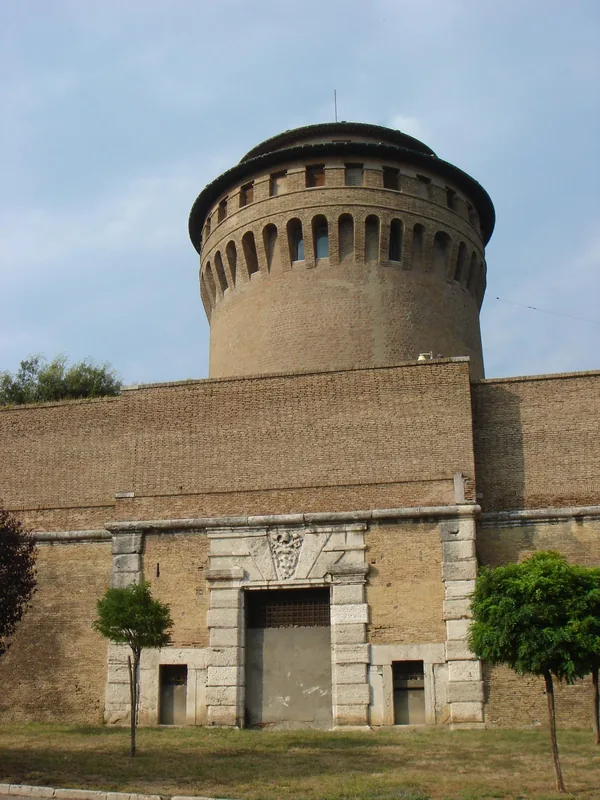
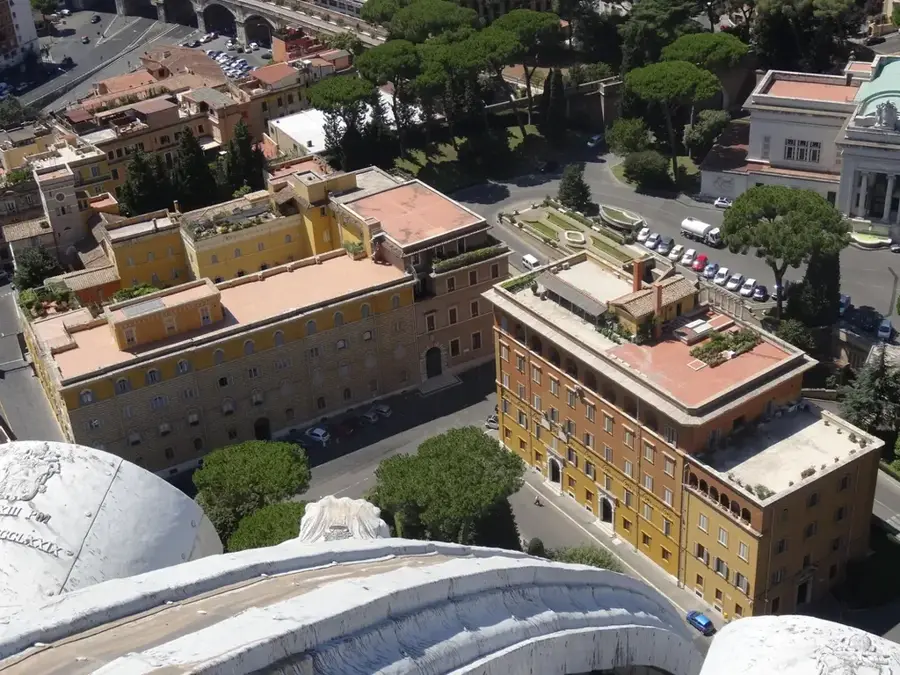
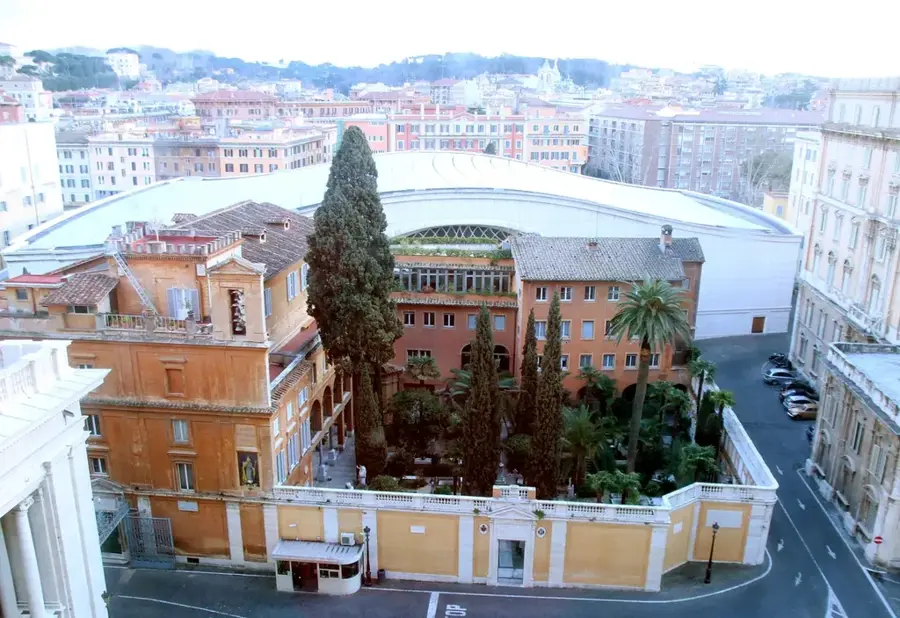
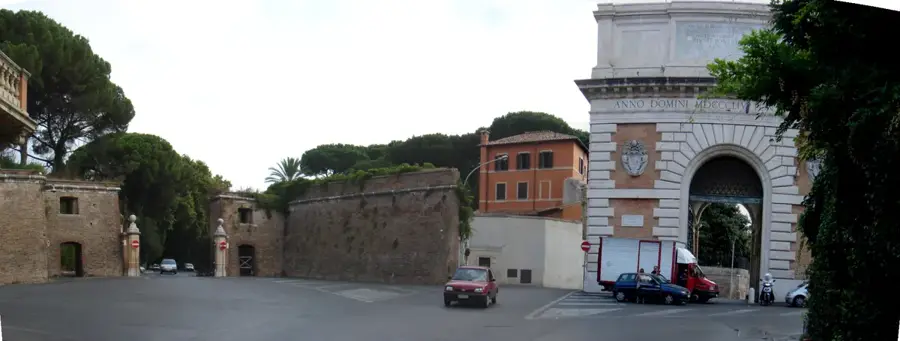
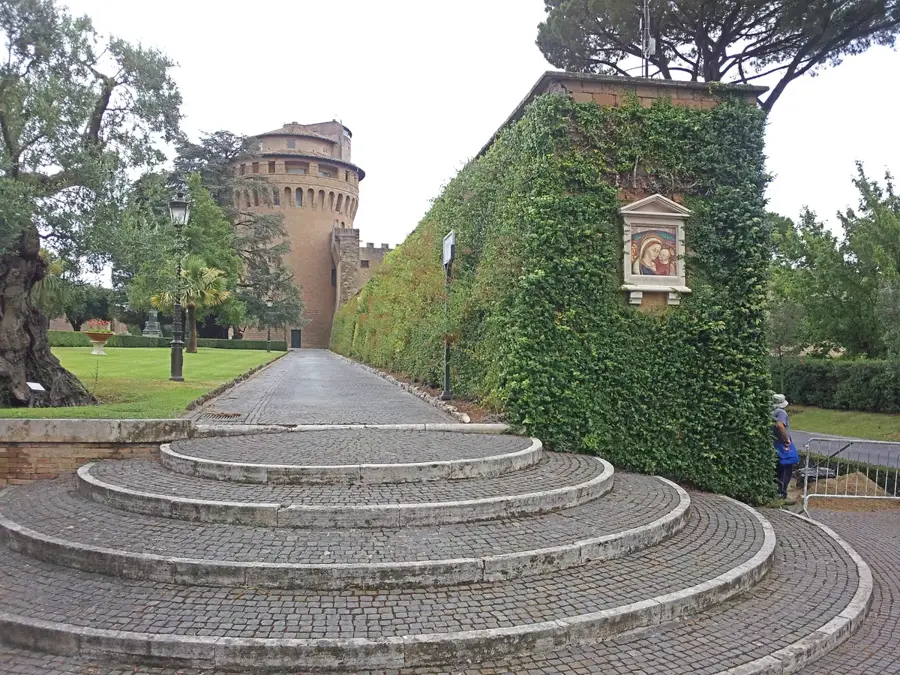
Porta Pertusa is a historical gateway integrated into the Leonine Walls that surround the Vatican City. It was originally constructed in the 9th century during the reign of Pope Leo IV as part of a defensive perimeter to protect St. Peter's Basilica from Saracen raids. The name is derived from the Latin word 'pertusus', meaning 'pierced', which refers to its status as a secondary or smaller opening compared to the main city gates. During the 15th and 16th centuries, Popes Nicholas V and Alexander VI oversaw significant reinforcements to the gate and the surrounding walls to adapt to modern artillery. Currently located near the Vatican Gardens and the Belvedere courtyard, the gate is generally closed to public traffic. It stands as a testament to the medieval fortification strategies of the Papal State and its long history of territorial defense.
- Location: Vatican
- Top sights: Lourdes Grotto · Vatican Hill · St John's Tower
Best time to visit & climate
The most pleasant time to visit is May, Jun, Sep.
| Jan | Feb | Mar | Apr | May | Jun | Jul | Aug | Sep | Oct | Nov | Dec | |
|---|---|---|---|---|---|---|---|---|---|---|---|---|
| Avg °C | 7 | 8 | 10 | 14 | 18 | 23 | 26 | 26 | 21 | 17 | 12 | 8 |
| Rain mm | 73 | 77 | 69 | 56 | 57 | 34 | 26 | 26 | 70 | 82 | 114 | 92 |
📋 Practical info
Geography
Facts
- Constructed under Pope Leo IV between 848 and 852 AD.
- Part of the 3-kilometer long defensive Leonine Wall system.
- Restored and reinforced by Pope Alexander VI in the year 1503.
- The name 'Pertusa' originates from the Latin term for 'pierced' or 'perforated'.
- Located on the western side of the Vatican, near the Belvedere.
- Historically served as a secondary access point for the papal court.
Explore nearby
Notable places around
Route planner — Car & Motorhome
Where do you start? We build the route here, with stops and country notes along the way.
© OpenStreetMap contributors · OpenRouteService
Sights in the town Porta Pertusa (10)
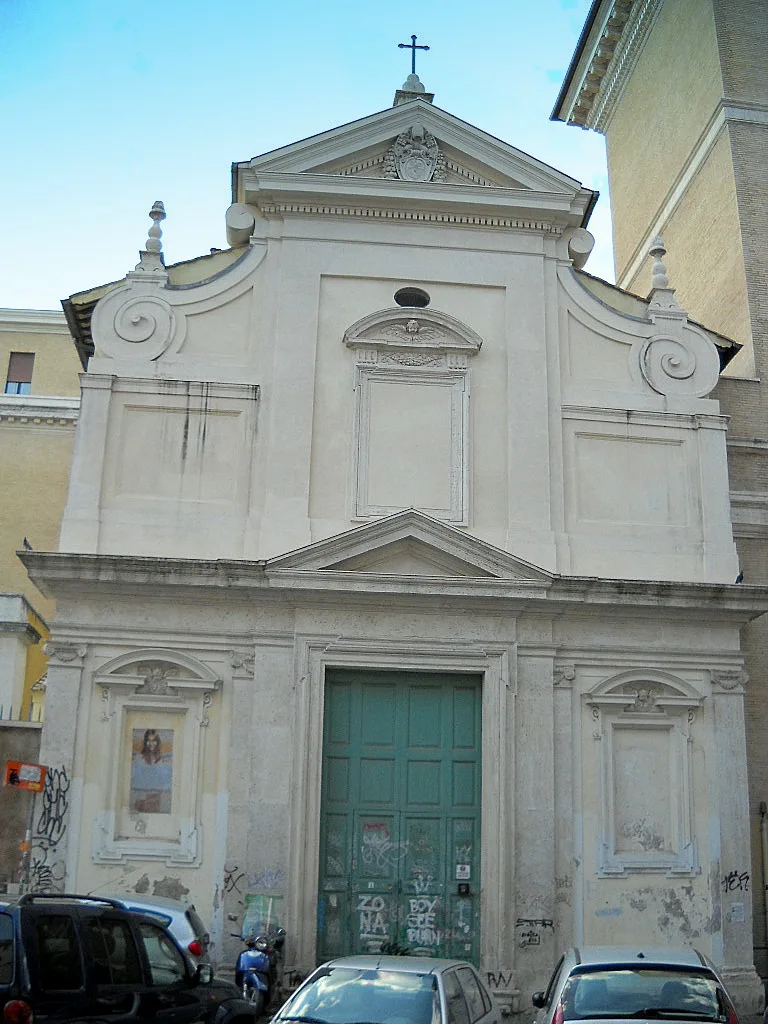
St Mary's Church
Church building in Vatican City.
Saint Stephen of the Ethiopians⛪ church
Church of the Vatican City.
Pius IV House
Seat of the Pontifical Academy of Sciences.
Cupola di San Pietro
Dome of St. Peter's Basilica in Vatican City.
Dome of Saint Peter
Dome of St. Peter's Basilica in Vatican City, offering a view over Rome.
Saint Peter's Basilica
Main church of Vatican City, one of the largest churches in the world.
Sights nearby
Frequently asked questions
What is Porta Pertusa?
When was the gate built?
Can you walk through it today?
Where is it located?
What was its purpose in the past?
Porta Pertusa: where is it located?
Porta Pertusa: what is there to see?
Porta Pertusa: when is the best time to visit?
Porta Pertusa: why is it worth visiting?

History & landmarks
Nature
More places