Plizio Visual Lab

Theatre of Marcellus

Plizio editorial teamData Sources
theater
—°1010
Theatre of Marcellus (Italy)

Weather…

Highlights of 2026

10

The Theatre of Marcellus (Teatro di Marcello) in Rome is one of the city's most significant ancient monuments and the only surviving example of a permanent theater from the Augustan age. Originally planned by Julius Caesar, the building was completed by Emperor Augustus in 13 BC and dedicated to his nephew, Marcus Claudius Marcellus, who had died young. With a seating capacity of up to 20,000 spectators, its architectural design, particularly the superimposed Doric and Ionic orders, served as a direct prototype for the Colosseum. During the Middle Ages, the structure was converted into a fortress, and in the 16th century, architect Baldassare Peruzzi constructed a Renaissance palace atop the ancient tiers for the Savelli family. This unique layering of ancient Roman architecture with later residential additions remains a distinctive feature of the monument today. The theater is located within the ancient Campus Martius area, near the banks of the Tiber and the Portico of Octavia.

Best time to visit & climate

The most pleasant time to visit is May, Jun, Sep.

JanFebMarAprMayJunJulAugSepOctNovDec
Avg °C781014182326262117128
Rain mm7377695657342626708211492

📋 Practical info

🚪
Visiting
Although direct access to the interior arcades or the privately owned upper residential apartments is strictly prohibited, visitors can marvel at the monumental exterior arcades from the surrounding public pathways at any time.
🕒
Typical hours
Because the imposing ancient structure acts as a towering visual landmark dominating the open square, the majestic exterior ruins can be viewed and appreciated twenty-four hours a day without any ticket requirements.
📷
Photography
The contrasting architectural layers of the ancient Roman arches supporting later residential additions present a spectacularly unique subject for photography, particularly during the magical golden hour right before sunset.
⏱️
Time needed
Since the primary experience consists solely of admiring the prominent exterior facade and reading the nearby historical plaques, most history buffs dedicate a short pause of around twenty to thirty minutes here.
Combine with
Located right at the edge of the historic Jewish Ghetto, inspecting this classical theater serves as a convenient precursor to walking toward the nearby Portico of Octavia and exploring the easy on the eye Tiber Island.
🧭
Getting there
Positioned centrally within Rome's incredibly dense historic core, this massive landmark is highly accessible on foot from the Capitoline Hill area or via several municipal bus lines stopping directly along the adjacent road.
💡
Insider tip
Pay exceptionally close attention to the stylistic variations of the ancient columns framing the surviving outer arches, as you can still distinguish the sturdy Doric style on the ground level giving way to elegant Ionic columns above.

Geography

Coordinates
41.89100, 12.48100

Facts

  • The theater was officially inaugurated in either 13 or 11 BC.
  • The diameter of the semicircular auditorium measures 111 meters.
  • The exterior features superimposed Doric columns on the ground floor and Ionic on the second.
  • In the 16th century, the building was acquired and modified by the Orsini family.
  • The original height of the theater was approximately 33 meters.
  • The structure was primarily built using travertine, tuff, and Roman concrete.

Explore nearby

Notable places around

Route planner — Car & Motorhome

Where do you start? We build the route here, with stops and country notes along the way.

Vehicle
Only stops with (optional):

© OpenStreetMap contributors · OpenRouteService

Sights in the town Theatre of Marcellus (10)

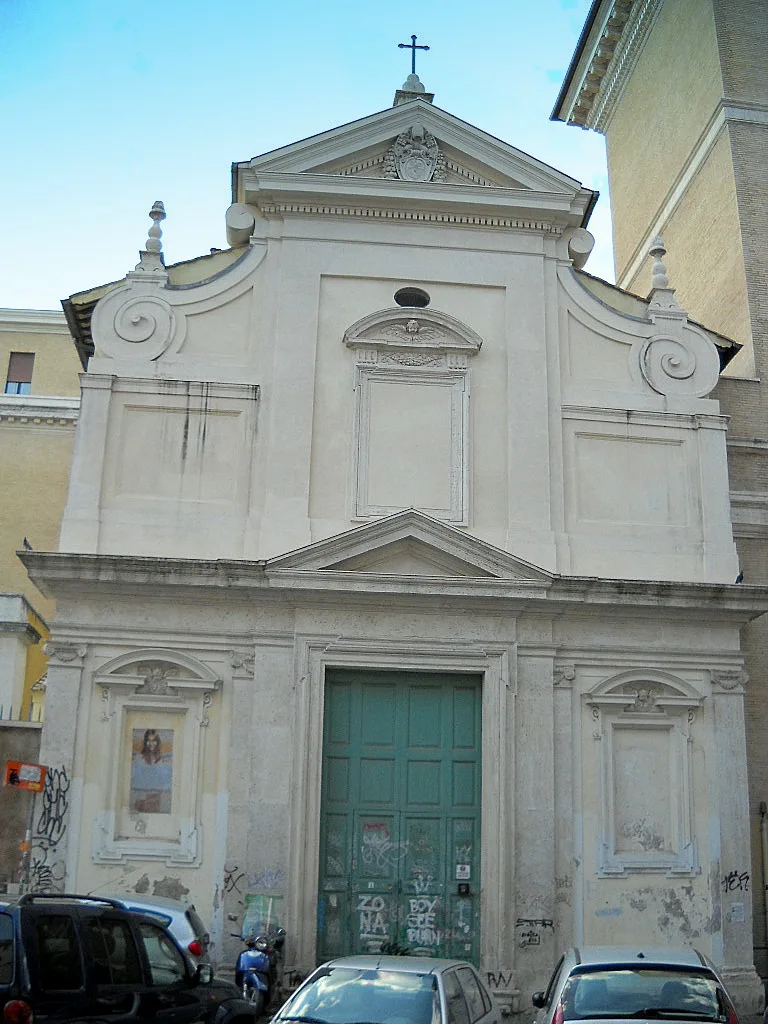
Chiesa di Sant'Omobono

Church in Rome dedicated to Saint Homobonus, located near the Theatre of Marcellus.

Temples of the Sacred Area of S. Omobono

Archaeological site in Rome next to the church of Sant'Omobono, at the junction of via L. Petroselli and il Vico Jugario at the foot of the Campidoglio.

Chiesa di San Nicola in Carcere

Church building in Rome, Italy, built over the remains of ancient temples.

Foro Olitorio

Archaeological site in Rome, Italy, the ancient city's vegetable market.

insula Volusiana

Ancient Roman insula, a residential and commercial building from the imperial era.

Tempio della Speranza (?)

Probable Temple of Hope, a ruin from Roman times in Rome.

Tempio di Giunone Sospita

Ruins of a temple dedicated to Juno Sospita in Rome.

Chiesa di Sant'Eligio dei Ferrari

Church building in Rome, Italy, formerly the guild church of the blacksmiths.

Medieval and roman houses at Monte Savello square

Remains of medieval and Roman houses at Monte Savello square.

Terrazza Caffarelli

Viewpoint on the Capitoline Hill offering a panorama of Rome.

Sights nearby

Frequently asked questions

Why does the Theater of Marcellus look like the Colosseum?
It served as the architectural model for the later-built Colosseum.
Can you visit the interior?
No, as the upper part now contains private apartments; it can only be viewed from the outside.
Where is it located in Rome?
It is located near the Jewish Ghetto and the Tiber Island.
Are events held there today?
Yes, classical concerts (Concerti del Tempietto) are often held outdoors in summer.
Does viewing from the outside cost anything?
No, the site is freely accessible and can be walked around for free.
Theatre of Marcellus: where is it located?
Theatre of Marcellus is located in Italy.
Theatre of Marcellus: what is there to see?
Highlights include Chiesa di Sant'Omobono, Temples of the Sacred Area of S. Omobono, Chiesa di San Nicola in Carcere.
Theatre of Marcellus: when is the best time to visit?
The most pleasant time to visit is May, Jun, Sep.
Theatre of Marcellus: why is it worth visiting?
The Theatre of Marcellus (Teatro di Marcello) in Rome is one of the city's most significant ancient monuments and the only surviving example of a permanent theater from the Augustan age.
View on map → The Top 50 Attractions → Most beautiful beaches → OpenStreetMap →
Europe
Explore with Plizio Discover more places in Europe
More places in Italy →

Nearby cities

History & landmarks