Plizio Visual Lab
Eagle Fountain Terrace
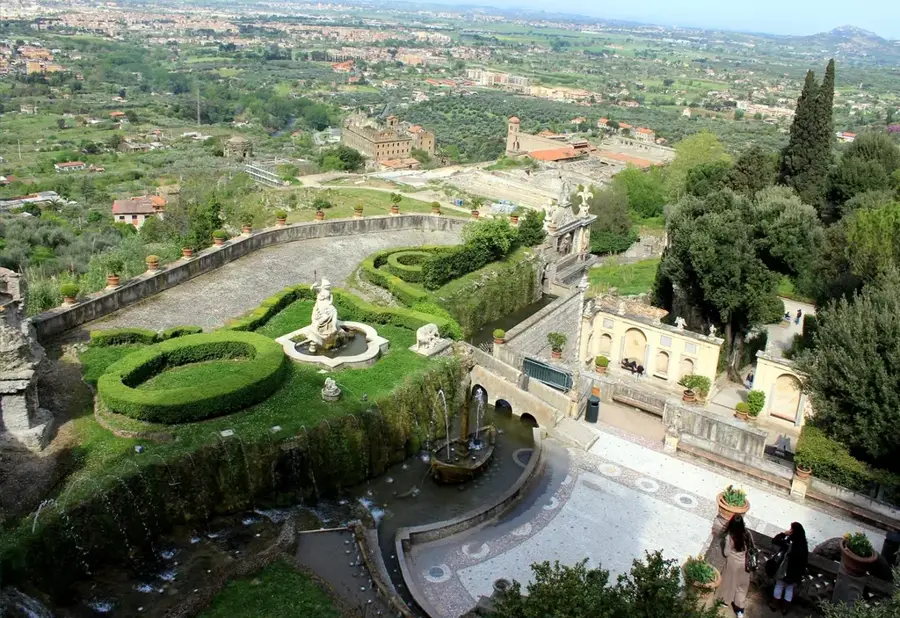
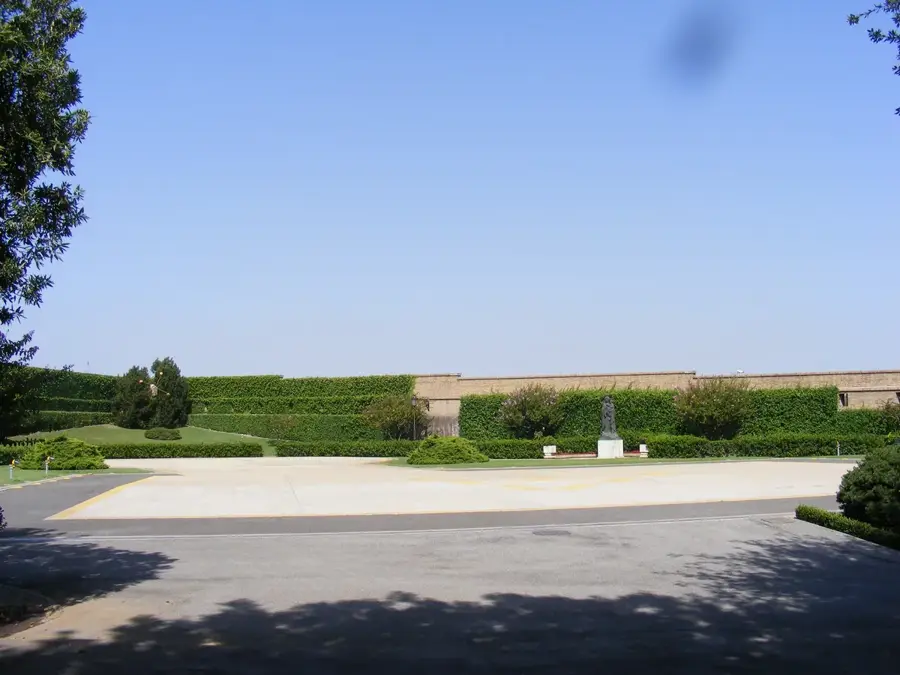
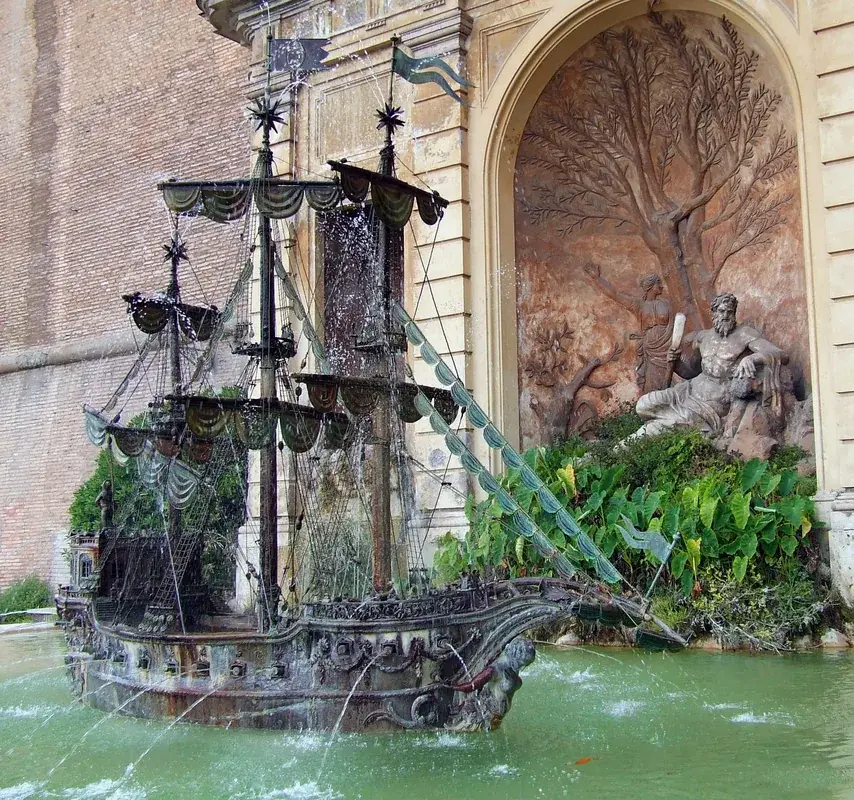
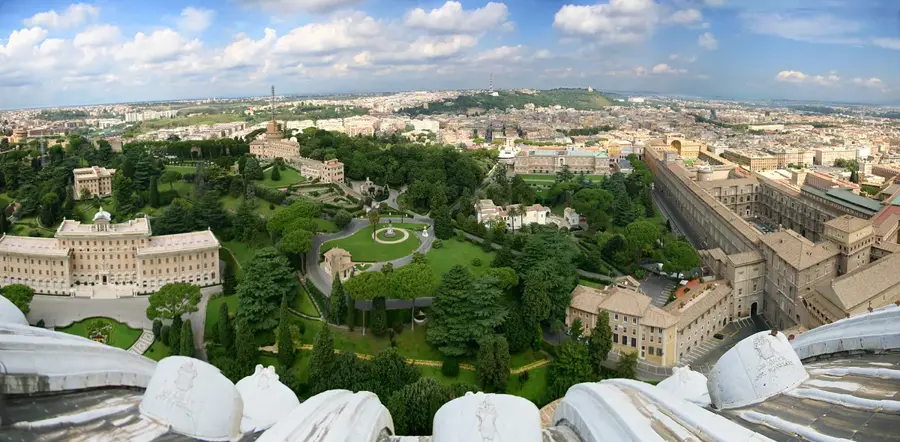
The terrace of the Eagle Fountain (Fontana dell'Aquila) is a magnificent Baroque water feature perched on the slope of the Vatican Hill. Designed between 1611 and 1612 by the Dutch architect Jan van Santen (Giovanni Vasanzio) for Pope Paul V Borghese, the fountain celebrates the arrival of the Acqua Paola aqueduct to the Vatican. The terrace was carefully engineered to accommodate a massive artificial grotto made of unhewn stone, crowned by a large stone eagle, the heraldic symbol of the Borghese family. The construction involved significant earthmoving to create a level platform on the hillside for the basins and flanking sculptures of dragons and tritons. Geographically, the site utilizes the natural elevation to create dynamic water cascades that flow into a large lower basin. Historically, the fountain represents the 17th-century papal investment in infrastructure and aesthetic splendor. Today, the terrace remains one of the most photogenic spots in the Vatican Gardens, blending architectural grandeur with the soothing sound of rushing water, surrounded by ancient holm oaks and manicured shrubbery.
- Location: Vatican
- Top sights: Vatican Hill · St Mary's Church · Lourdes Grotto
Best time to visit & climate
The most pleasant time to visit is May, Jun, Sep.
| Jan | Feb | Mar | Apr | May | Jun | Jul | Aug | Sep | Oct | Nov | Dec | |
|---|---|---|---|---|---|---|---|---|---|---|---|---|
| Avg °C | 7 | 8 | 10 | 14 | 18 | 23 | 26 | 26 | 21 | 17 | 12 | 8 |
| Rain mm | 73 | 77 | 69 | 56 | 57 | 34 | 26 | 26 | 70 | 82 | 114 | 92 |
📋 Practical info
Geography
Facts
- Completed in 1612 to celebrate the new water supply for the Vatican.
- Designed by Giovanni Vasanzio, a leading architect of the Baroque era.
- Features heraldic animals (eagle and dragon) of the Borghese family.
- Fed by the Acqua Paola, which sources water from Lake Bracciano.
- The terrace is carved into the Janiculum-Vatican hill slope.
- The fountain's structure mimics a natural rocky outcrop or grotto.
Explore nearby
Notable places around
Route planner — Car & Motorhome
Where do you start? We build the route here, with stops and country notes along the way.
© OpenStreetMap contributors · OpenRouteService
Sights in the town Eagle Fountain Terrace (10)
St John's Tower🗼 tower
Tower in Vatican City, part of the historic fortifications.
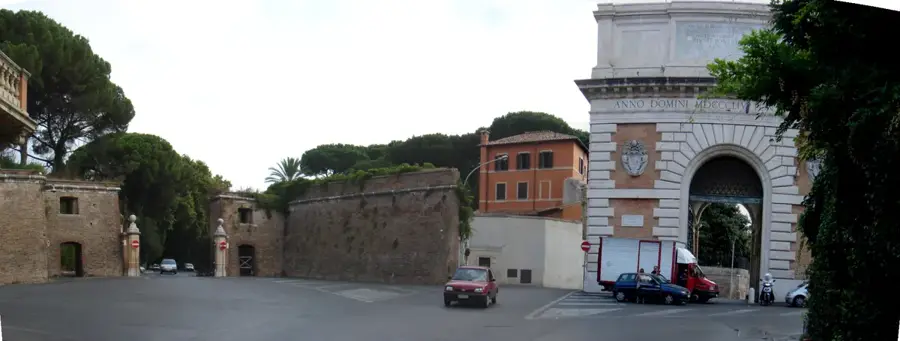
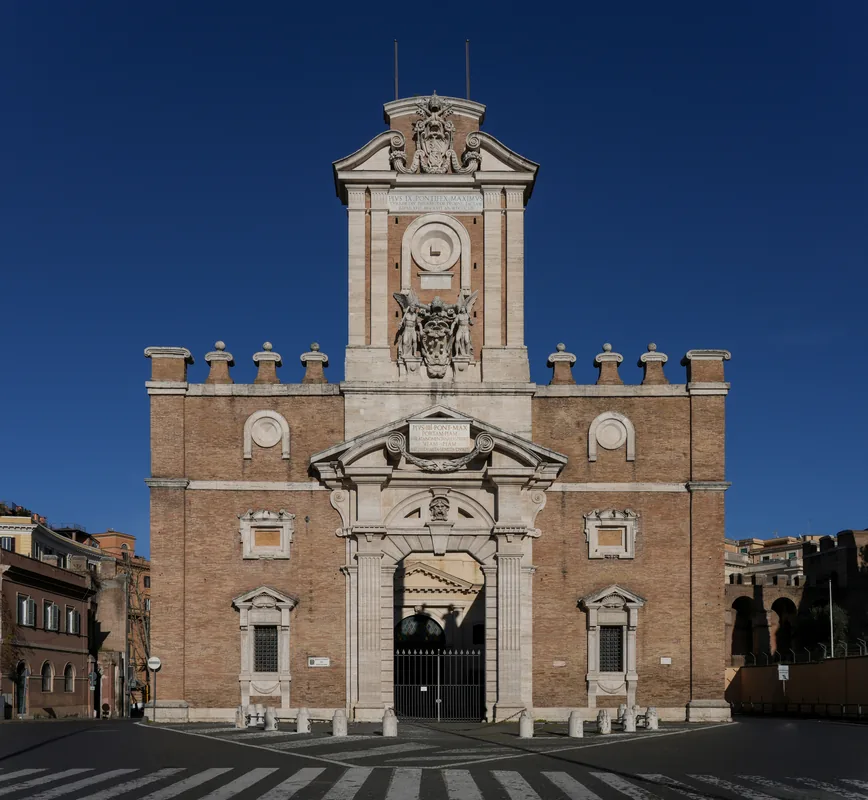
Porta Pertusa
City gate in Rome, Italy, part of the Leonine Wall.
Pius IV House
Seat of the Pontifical Academy of Sciences.
Cupola di San Pietro
Dome of St. Peter's Basilica, an iconic landmark of Vatican City.
Dome of Saint Peter
Viewpoint atop the dome of St. Peter's Basilica, overlooking Rome.
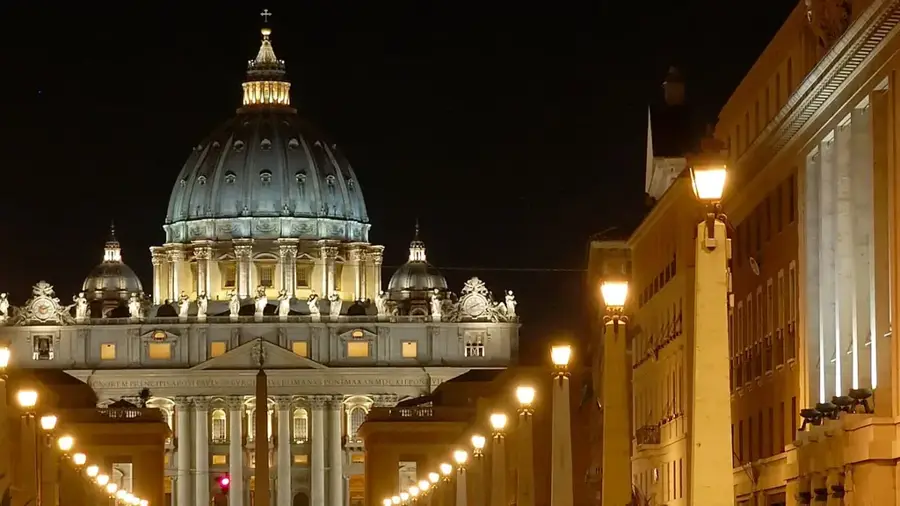
Saint Peter's Basilica
Church in Vatican City, one of the largest Christian churches in the world.
Sights nearby
Frequently asked questions
Where is the Eagle Fountain located?
When was the Eagle Fountain built?
Why is it called the Eagle Fountain?
What is the Eagle Fountain terrace?
Can you drink the water there?
Eagle Fountain Terrace: where is it located?
Eagle Fountain Terrace: what is there to see?
Eagle Fountain Terrace: when is the best time to visit?
Eagle Fountain Terrace: why is it worth visiting?

History & landmarks
Nature
More places