Plizio Visual Lab

Zeravshan State Nature Reserve

Plizio editorial teamData Sources
Forest
—°3
Zeravshan State Nature Reserve (Uzbekistan)

Weather…

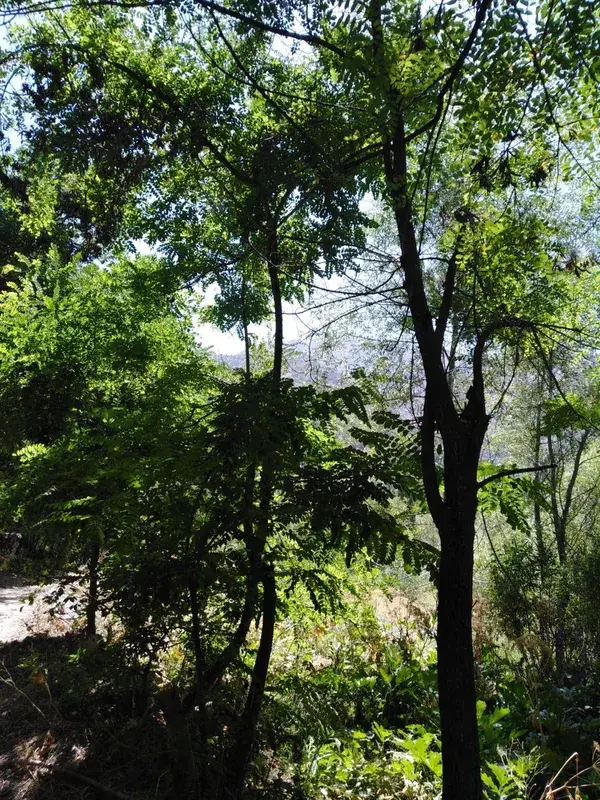
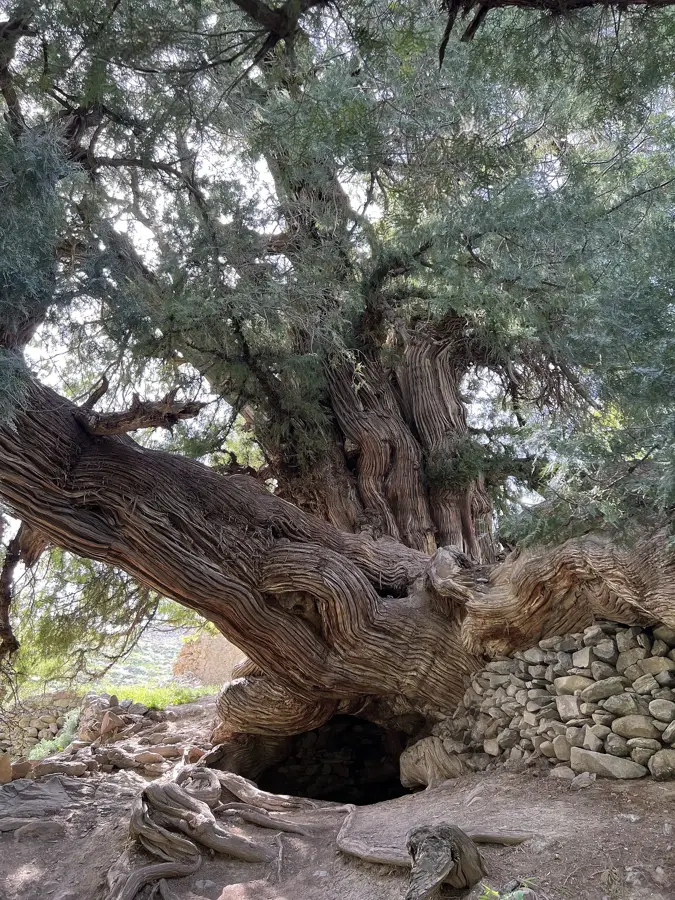
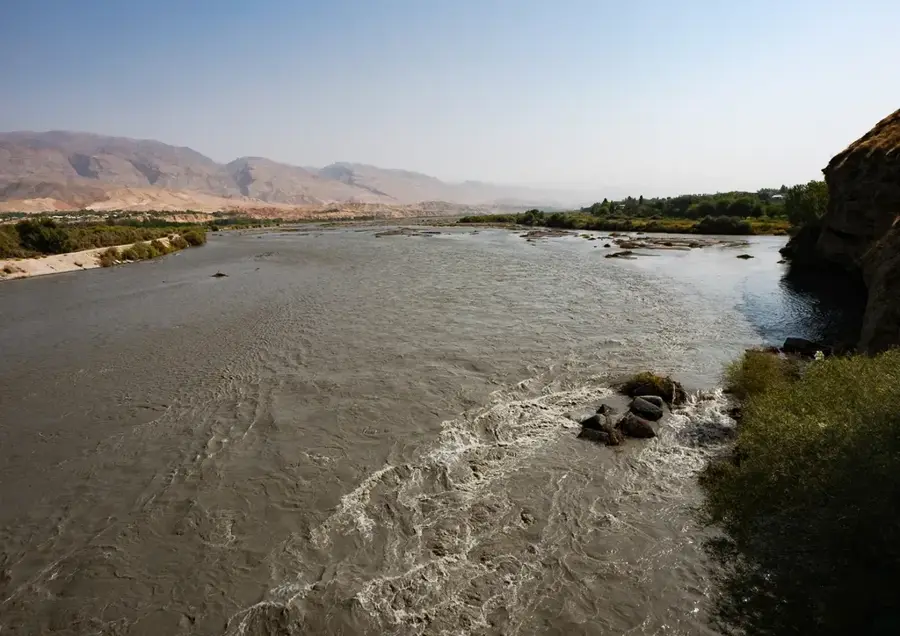
The Zeravshan State Nature Reserve stretches along the Zeravshan River in the Samarkand region and serves to protect dwindling floodplain ecosystems. Established in 1975, the protected area preserves one of the last contiguous sections of tugai forests in the Zeravshan river basin. Characteristic features include dense stands of sea buckthorn and willows, which provide a vital habitat for the magnificent Zarafshan pheasant. In addition to birdlife, the reserve hosts a variety of reptiles and mammals, including golden jackals and wild boars. Its proximity to the historical city of Samarkand makes it an important site for environmental education and regional nature conservation. Due to the falling water level of the river and the agricultural use of surrounding lands, the reserve is under significant ecological pressure. Nevertheless, it remains an irreplaceable sanctuary for local biodiversity within an intensively used cultural landscape.

Best time to visit & climate

The most pleasant time to visit is May, Jun, Sep.

JanFebMarAprMayJunJulAugSepOctNovDec
Avg °C1391420262826211472
Rain mm35485856307212143530

📋 Practical info

🧭
Getting there
The reserve is located about 15 kilometers southeast of Samarkand and is easily accessible by taxi or local buses heading towards Jambay. The journey from the city takes only about 20 to 30 minutes, making the protected area a well-suited destination for a nature-focused day trip within easy reach of the historic urban center.
📅
Best season
Spring (April to May) and autumn (September to October) are the best times to visit, as temperatures are pleasant and migratory birds are most active. Summer in the Zeravshan valley can be intensely hot, while winter is cooler but has fewer opportunities to observe the characteristic flora and fauna of the gallery forest.
⛰️
Terrain & paths
The terrain is largely flat, consisting of dense tugai gallery forests along the riverbanks, crisscrossed by sandy paths and small irrigation channels. The trails are easy to navigate and do not require any climbing skills, making the reserve highly accessible for families and casual walkers looking for a gentle nature experience.
🎒
What to bring
Lightweight hiking shoes or sturdy sneakers are perfectly adequate for the flat trails, but effective insect repellent is essential to protect against mosquitoes. A pair of binoculars is highly recommended for spotting the diverse birdlife and the rare Bukhara deer among the thick sea buckthorn bushes of the reserve.
🅿️
Parking
There is a designated parking area right at the main entrance of the reserve, where visitors can safely leave their vehicles before entering the protected zone. Capacity is generally sufficient, as many visitors arrive via organized tours or taxis from nearby Samarkand rather than driving their own cars.
⚠️
Safety
Visitors are requested to stay on the marked trails to avoid damaging the sensitive flora, particularly the protected sea buckthorn plants. During summer, ensure you have adequate sun protection and plenty of drinking water, as humidity levels within the dense gallery forest near the river can be quite high.
⏱️
Time needed
A visit of 2 to 4 hours is generally sufficient to explore the main trails and enjoy the tranquility of nature away from the city noise. Those who wish to focus on birdwatching or wildlife photography may want to dedicate a full day to explore the different sections of the gallery forest at a slower pace.

Geography

Coordinates
39.56380, 67.09820

Facts

  • The reserve is located only about 15 kilometers southeast of the city of Samarkand.
  • The Zarafshan pheasant is the flagship species and the most important protected bird here.
  • Over 300 plant species have been identified within the reserve's boundaries.
  • The total area of the protected territory is approximately 2,352 hectares.
  • Sea buckthorn shrubs (Hippophae rhamnoides) reach unusual sizes in this area.
  • The reserve plays a key role in the reintroduction project of the Bukhara deer.

Explore nearby

Notable places around
Route planner — Car & Motorhome

Where do you start? We build the route here, with stops and country notes along the way.

Vehicle
Only stops with (optional):

© OpenStreetMap contributors · OpenRouteService

Sights in the town Zeravshan State Nature Reserve (3)

Kafirkala🏺 historical

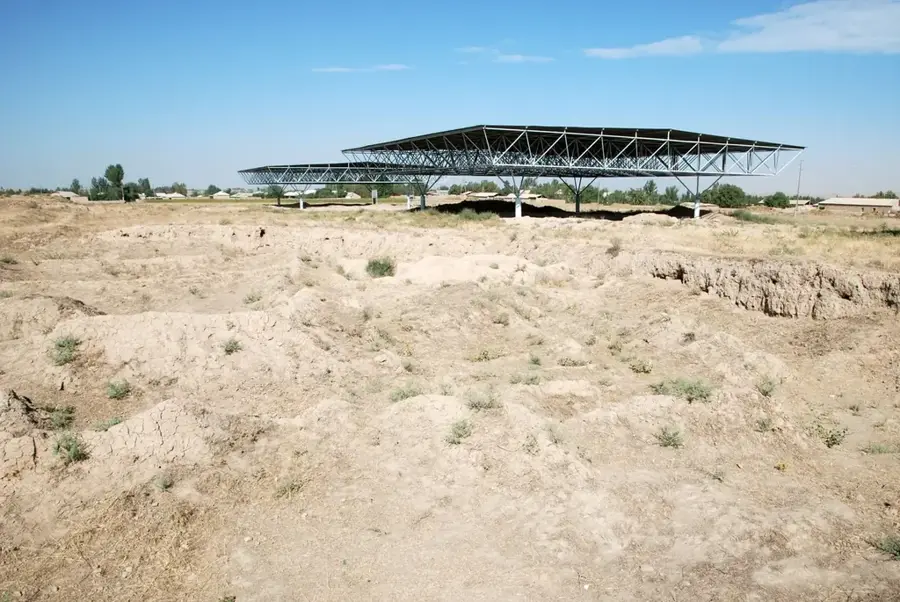
The ancient ruins of Kafirkala belong to a former Sogdian fortress settlement near the Zeravshan valley.

jom'e masjid📍 landmark

This Islamic Friday mosque serves as a central place for congregational prayer in the Zeravshan region.

Kattatayloq jom'e masjid📍 landmark

The main Friday mosque of the Katta Tayloq settlement, serving the local Muslim community with its spacious prayer hall.

Sights nearby

Frequently asked questions

What makes Sarafschon Reserve unique?
It is home to the endangered Amu Darya shovelnose sturgeon.
Can you fish in the river?
No, fishing is strictly prohibited in this nature reserve.
Is the area accessible?
Access is only permitted for research purposes or with a special permit.
What is nearby?
The historic city of Samarkand is relatively close.
Can you observe nature there?
From the bank yes, you can watch birds with binoculars.
Zeravshan State Nature Reserve: where is it located?
Zeravshan State Nature Reserve is located in Uzbekistan.
Zeravshan State Nature Reserve: what is there to see?
Highlights include Kafirkala, jom'e masjid, Kattatayloq jom'e masjid.
Zeravshan State Nature Reserve: when is the best time to visit?
The most pleasant time to visit is May, Jun, Sep.
Zeravshan State Nature Reserve: why is it worth visiting?

The Zeravshan State Nature Reserve stretches along the Zeravshan River in the Samarkand region and serves to protect dwindling floodplain ecosystems.
View on map → The Top 50 Attractions → OpenStreetMap →
Asia
Explore with Plizio Discover more places in Asia
More places in Uzbekistan →

Nearby cities

History & landmarks
Nature
More places