Plizio Visual Lab

Zarafshan River
Plizio editorial teamData Sources
River
—°
Zarafshan River (Uzbekistan)

Weather…

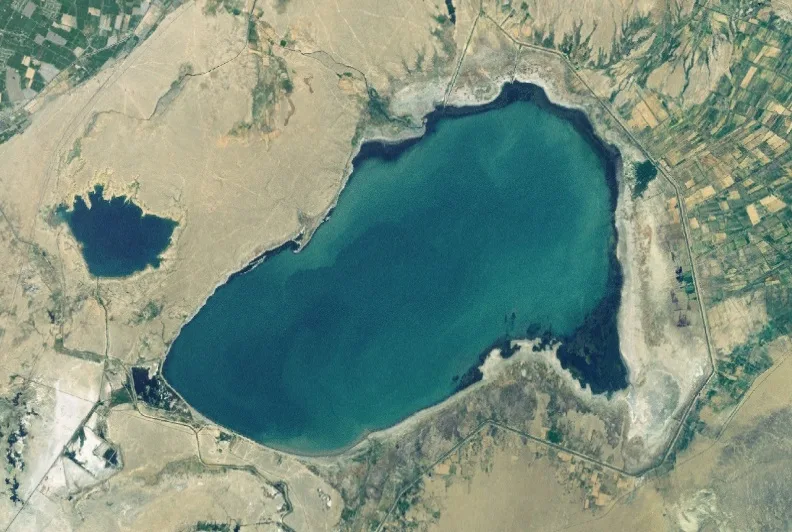
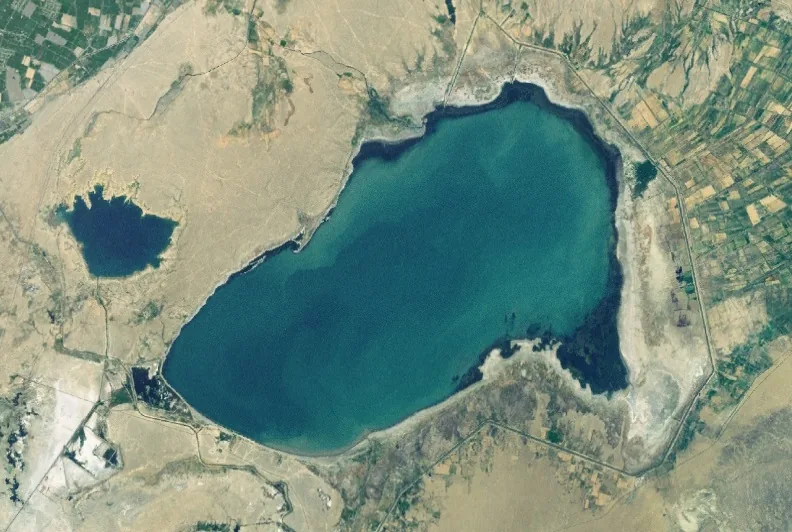
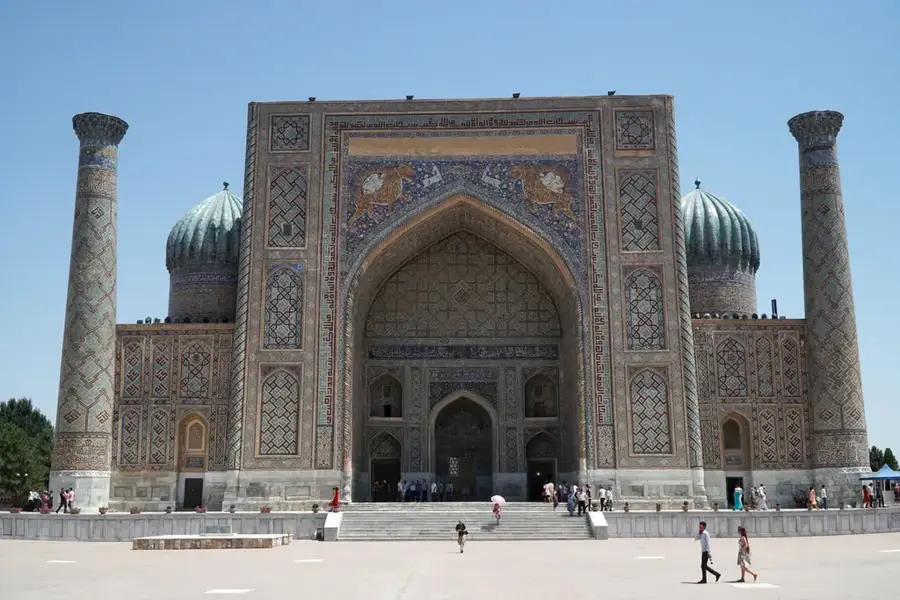
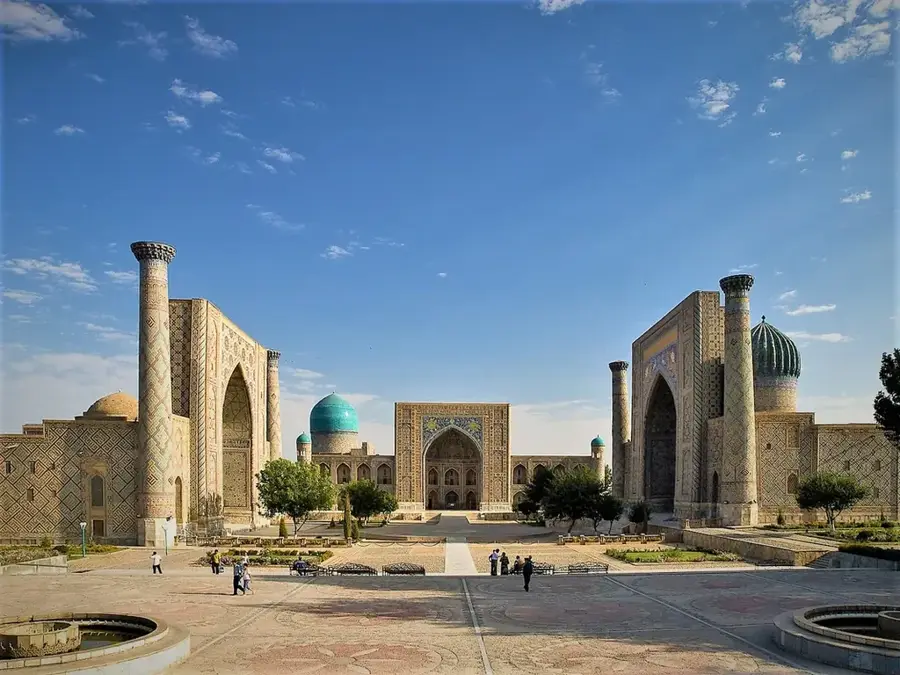
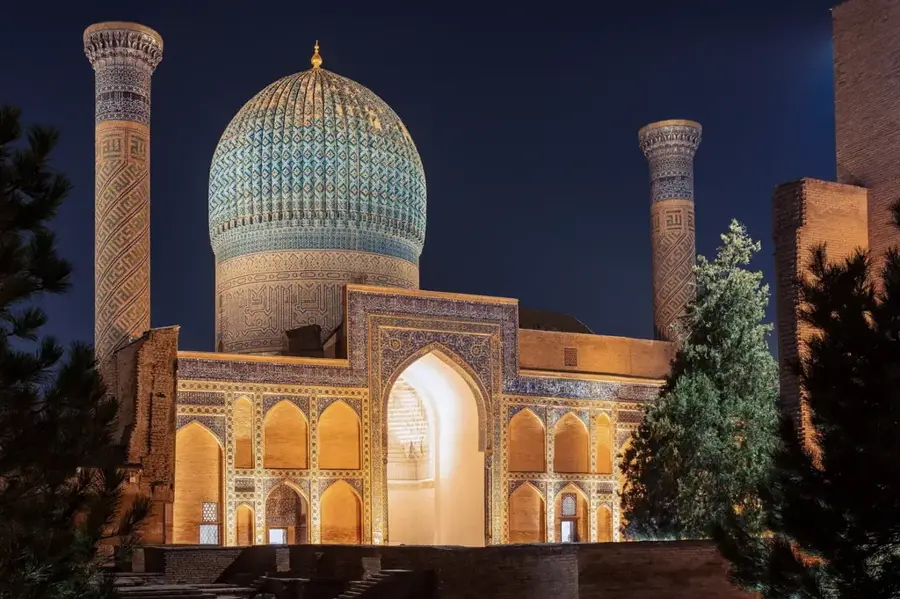
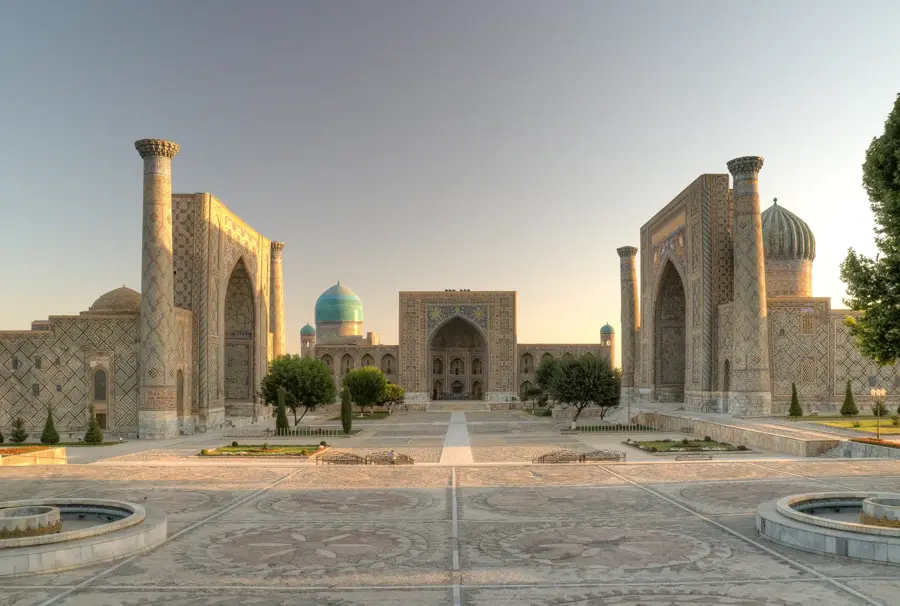
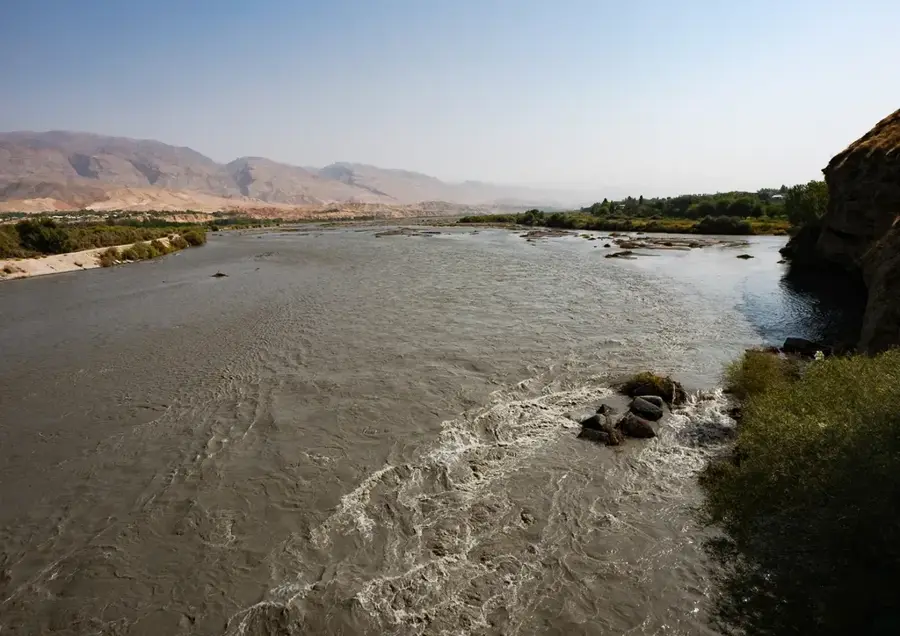
The Zarafshan, whose name means 'gold-spreader' in Persian, is a historically and ecologically significant river in the heart of Central Asia. It originates from the Zarafshan Glacier in Tajikistan and flows through the Uzbek provinces of Samarkand and Bukhara, where it formed the basis for millennia of settled culture. Unlike the major rivers Amu Darya and Syr Darya, the Zarafshan no longer reaches an open body of water today; instead, it vanishes into the Kyzylkum Desert after a journey of about 877 kilometers. The river is the primary source of irrigation for the fertile oases of Samarkand and Bukhara, both of which are UNESCO World Heritage sites. Its water flow is heavily dependent on summer glacier melt, making it vulnerable to climate change. Despite modern dams and canal systems, preserving water quality remains a significant challenge for regional development.

Best time to visit & climate

The most pleasant time to visit is Apr, May, Sep.

JanFebMarAprMayJunJulAugSepOctNovDec
Avg °C13101724293129231572
Rain mm2031312713210051816

📋 Practical info

🧭
Getting there
The river can be most easily accessed from the historic cities of Samarkand or Bukhara, where it crucially shapes the surrounding oasis landscapes. Local paved roads and unpaved dirt tracks often lead directly down to the heavily vegetated shoreline areas.
📅
Best season
Late spring is generally considered particularly attractive, when the water flows most abundantly due to the vast snowmelt in the distant mountains. In the hot midsummer, the water level in the lower reaches can be extremely low due to intense irrigation.
⛰️
Terrain & paths
The terrain along the banks is mostly relatively flat and is highly characterized by agricultural farmlands as well as dense riparian floodplain forests. Classic hiking trails are lacking, which is why one often walks on simple dirt roads or right along the bank.
🎒
What to bring
Comfortable walking shoes and light, highly breathable clothing are perfectly sufficient for a relaxed stroll in this generally flat oasis region. Effective mosquito repellent is absolutely indispensable during the warm months when near the stagnant waters.
🅿️
Parking
When traveling out from the urban centers, you can usually easily find entirely informal parking options in the adjacent rural villages or near the bridges. However, there are very rarely any specifically designated tourist parking lots for recreation by the river.
⚠️
Safety
The bank areas are generally considered absolutely safe during the daylight hours for casual walkers and dedicated nature lovers alike. In some unclear sections, however, you should pay close attention to sudden currents if you ever decide to enter the water.
⏱️
Time needed
For a quiet and peaceful trip to the banks, a few relaxed hours in the late afternoon are usually more than sufficient for most visitors. Many travelers choose to combine this short nature detour with their regular sightseeing tour of the surrounding historic cities.

Geography

Coordinates
39.85100, 65.04410

Facts

  • The total length of the Zarafshan is approximately 877 kilometers.
  • The river originates at an altitude of over 2,700 meters.
  • Its name refers to the gold-bearing sediment in its upper reaches.
  • The river is the lifeblood of the Samarkand oasis.
  • It was formerly a tributary of the Amu Darya.
  • The drainage basin covers approximately 17,700 square kilometers.

Explore nearby

Notable places around

Route planner — Car & Motorhome

Where do you start? We build the route here, with stops and country notes along the way.

Vehicle
Only stops with (optional):

© OpenStreetMap contributors · OpenRouteService

Sights nearby

Frequently asked questions

What is the historical significance of the Zarafshan?
It enabled the flourishing of legendary cities like Samarkand and Bukhara in an arid region.
Can one hike along the river?
Yes, there are beautiful hiking trails in the mountainous upper reaches.
Is the river water drinkable?
No, do not drink unfiltered as water quality fluctuates significantly.
Are there fishing opportunities?
Yes, locals regularly use the river for fishing.
When is the river landscape most beautiful?
In spring, when the banks are blooming and the water is abundant.
Zarafshan River: where is it located?
Zarafshan River is located in Uzbekistan.
Zarafshan River: when is the best time to visit?
The most pleasant time to visit is Apr, May, Sep.
Zarafshan River: why is it worth visiting?

The Zarafshan, whose name means 'gold-spreader' in Persian, is a historically and ecologically significant river in the heart of Central Asia.
View on map → The Top 50 Attractions → OpenStreetMap →
Asia
Explore with Plizio Discover more places in Asia
More places in Uzbekistan →

Nearby cities

History & landmarks
More places