Plizio Visual Lab

Samarkand Mulberry Plantations
Plizio editorial teamData Sources
Agriculture
—°8
Samarkand Mulberry Plantations (Uzbekistan)

Weather…

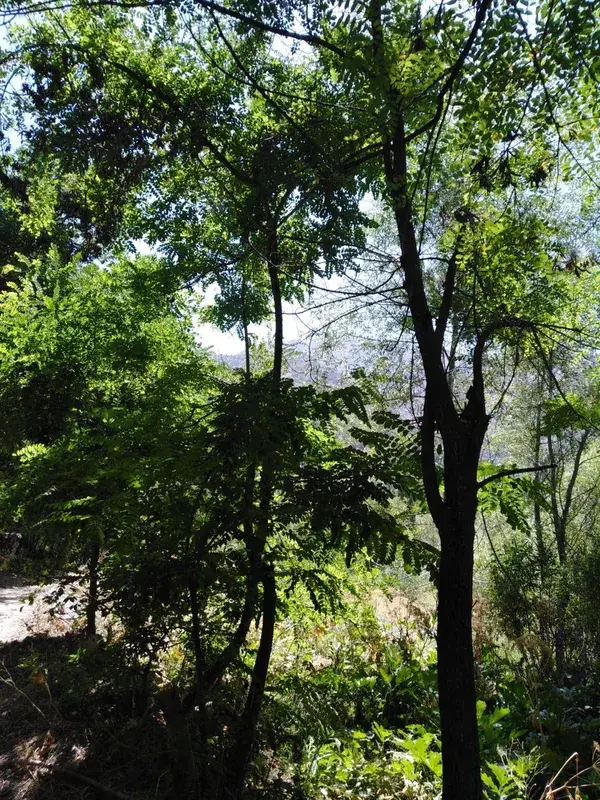
The mulberry plantations in the Samarkand region are inseparably linked to the millennial tradition of silk production. These trees provide the leaves that serve as the sole food source for silkworms, whose cocoons are eventually processed into fine silk. The plantations often extend along canals and field boundaries, where the trees also make an important contribution to wind protection and soil stability. Silk cultivation reached its peak along the historical Silk Road, and Samarkand was a significant center for trade and processing. Today, the plantations are maintained by both state and private owners to secure the raw material base for the local textile industry. The trees themselves are long-lived and shape the rural landscape with their characteristic crowns. Besides silk, mulberry fruits are often dried or processed into traditional sweets.

Best time to visit & climate

The most pleasant time to visit is May, Jun, Sep.

JanFebMarAprMayJunJulAugSepOctNovDec
Avg °C1391420262826211472
Rain mm35485856307212143530

📋 Practical info

🏭
What is this place?
The mulberry plantations of Samarkand are the foundation of the famous Uzbek silk production, as mulberry leaves are the sole food of silkworms. They play a key role in the region's traditional crafts and economy.
🚪
Visiting
The plantations stretch along roads around Samarkand and are well visible from public ways. Entry is usually not allowed, but many farms offer guided tours through the mulberry groves.
👀
Where to view it
From the viewpoint on the road to Urgut you have an excellent view over the vast mulberry fields. Alternatively, the hill at the eastern edge of Samarkand gives a good perspective on the plantations in the valley.
🧺
Local products
Besides the mulberry leaves, the mulberry fruits themselves are harvested and turned into syrup, jam or dried fruit. In Samarkand you can buy hand-woven silk scarves and traditional silk carpets.
📆
Active season
The main season for mulberry harvest and silkworm rearing is from May to June, when the leaves are most nutritious. In spring the plantations are especially lively when the trees bloom and the worms feed.
Nearby
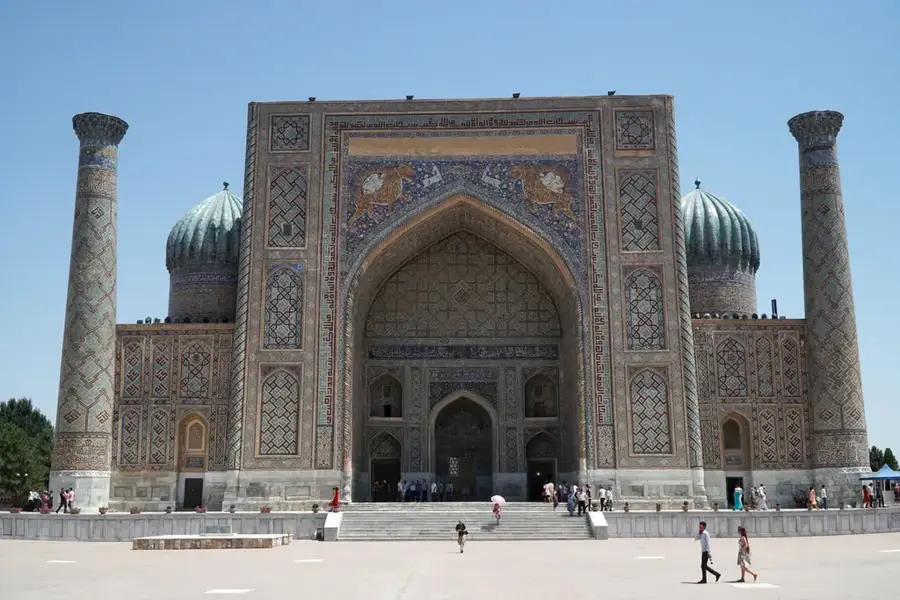
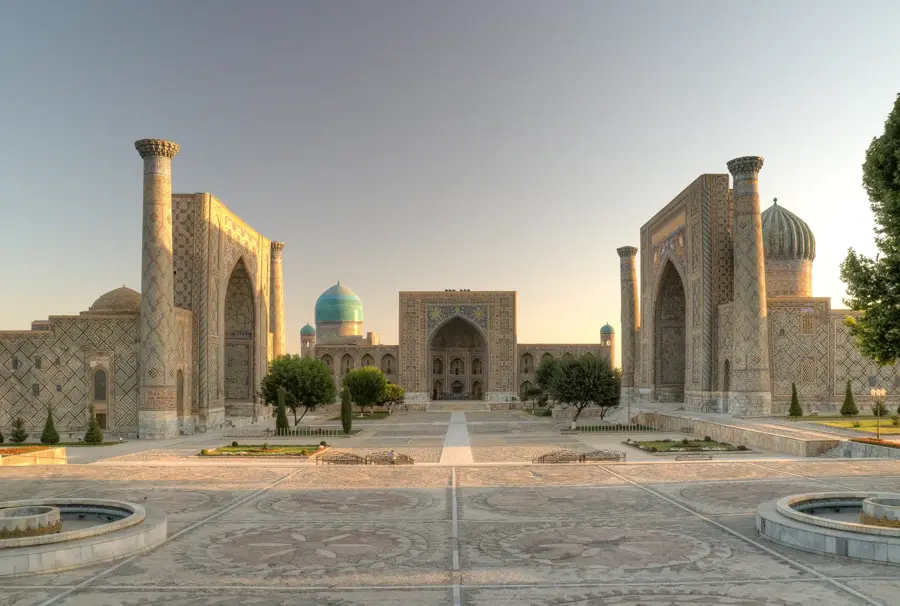
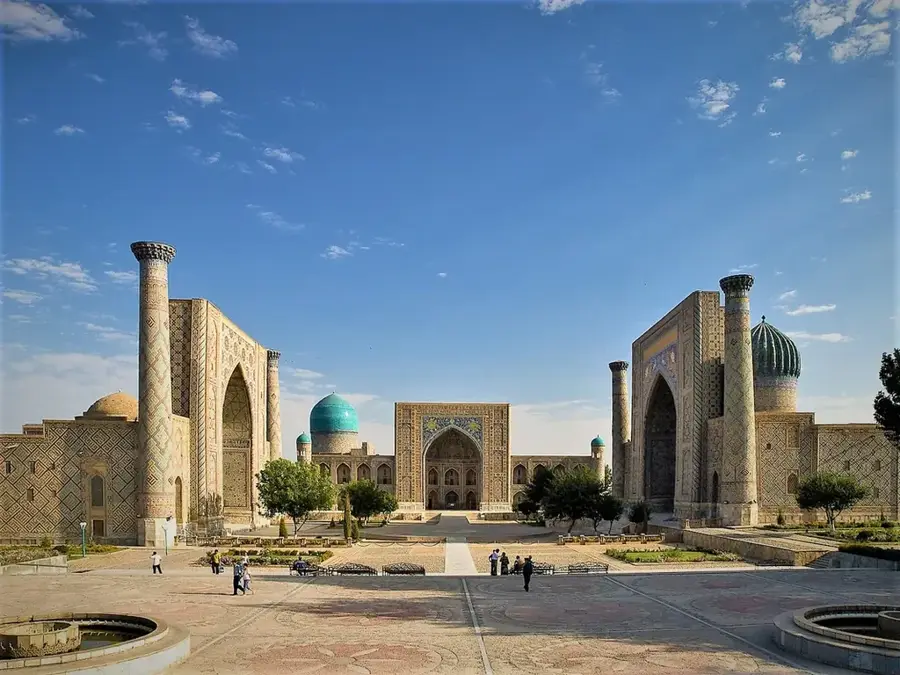
Combine the plantation visit with a tour of Samarkand's old town, especially to the Registan Square. Also the silk weaving workshops in the city offer insights into the processing of raw silk.

Geography

Coordinates
39.62700, 66.97330

Facts

  • A mulberry tree can live up to 100 years and remain productive.
  • Producing one kilogram of raw silk requires approximately 150 to 200 kilograms of leaves.
  • There are special nurseries in the Samarkand region solely for mulberry saplings.
  • The trees often serve as biological protective barriers against soil erosion.
  • The white mulberry (Morus alba) is the preferred species for sericulture.
  • Leaf harvesting is done manually during the silkworms' growth phase in spring.

Explore nearby

Notable places around
Route planner — Car & Motorhome

Where do you start? We build the route here, with stops and country notes along the way.

Vehicle
Only stops with (optional):

© OpenStreetMap contributors · OpenRouteService

Sights in the town Samarkand Mulberry Plantations (8)

R A D A R📍 landmark

An observation point or installation in the suburban mulberry plantation area.

Sochak🏰 castle

Remains of a defensive structure or fort (castle) on the outskirts of Samarkand.

Ok machit📍 landmark

A "White Mosque" known for its simple, traditional whitewashed architecture.

Minaret📍 landmark

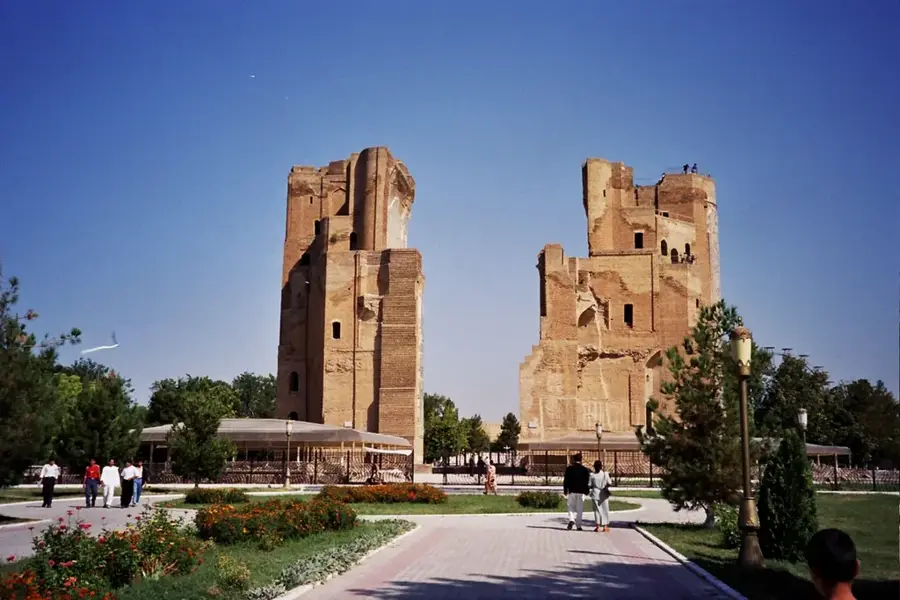
A historical brick minaret standing as a landmark in the plantation district.

Vavilon🎡 recreation

A modern recreation park featuring water slides and swimming pools for local families.

Khoja Abdi Berun Complex🏺 historical

A 17th-century memorial complex and khanaqah built outside the old city walls.

Moshinbozor🎭 culture

A bustling local car market where various vehicles and parts are traded.

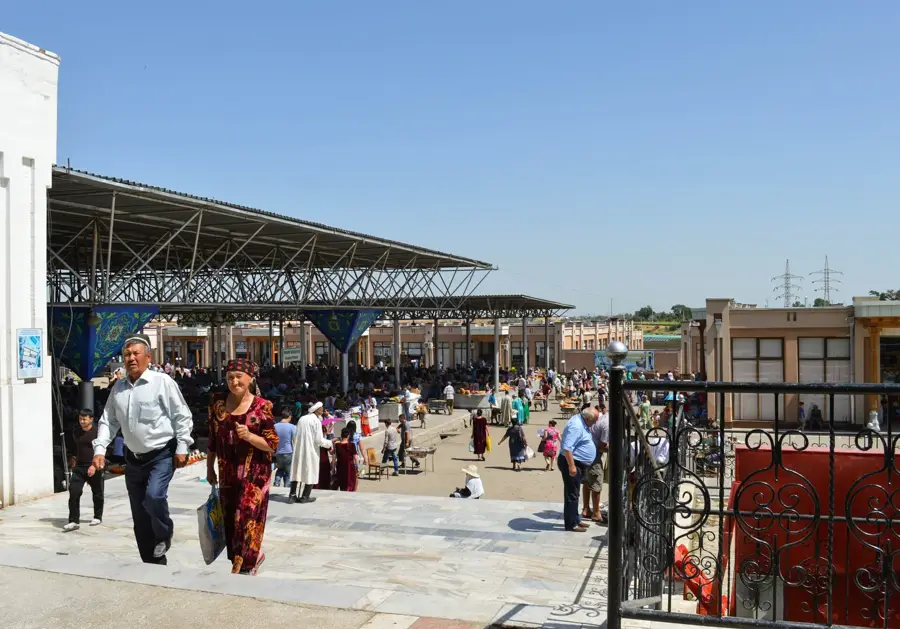
Yangi Bozor🎭 culture

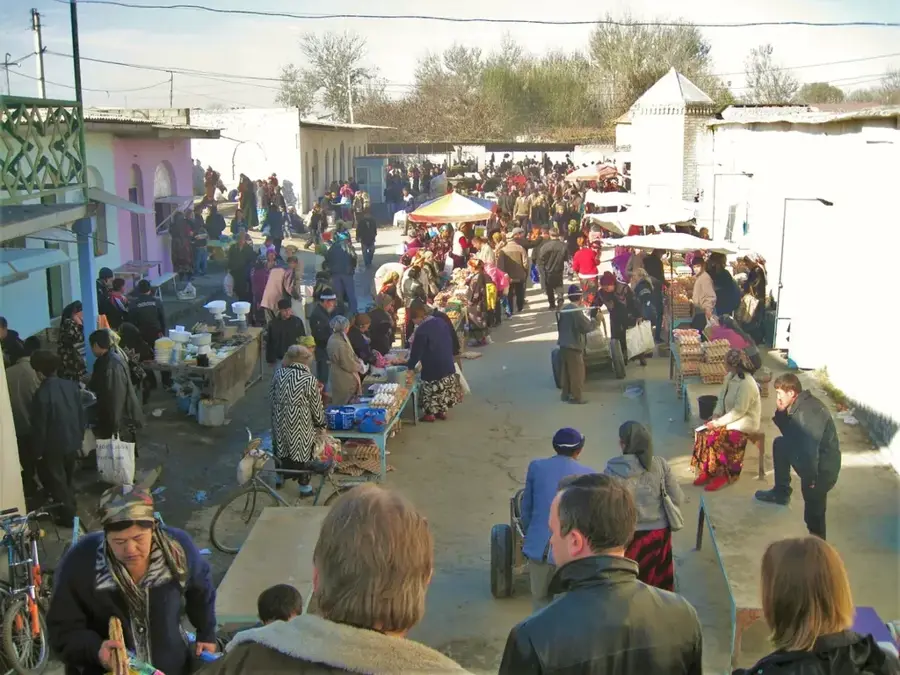
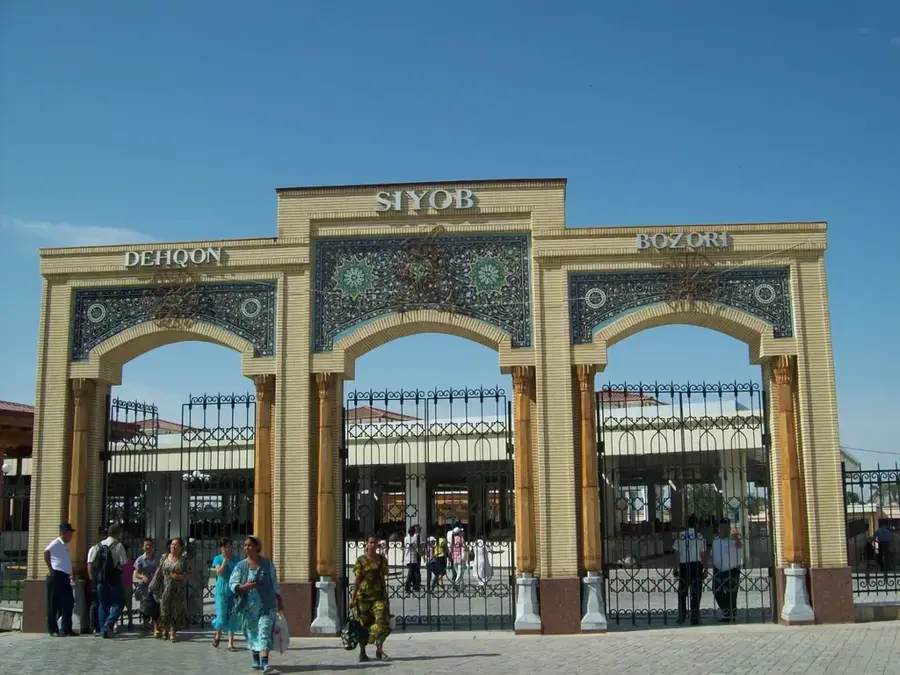
A "New Market" offering fresh produce, textiles, and local household goods.

Sights nearby

Frequently asked questions

Why are the mulberry plantations important?
They are crucial for traditional silk production.
Are there silk factories there?
Yes, near Samarkand there are many workshops.
Can you buy silk?
Yes, hand-woven silk scarves are a popular souvenir.
When do the trees bloom?
In late spring, the mulberry tree bears fruit.
Are they developed for tourism?
They can be visited as part of day tours.
Samarkand Mulberry Plantations: where is it located?
Samarkand Mulberry Plantations is located in Uzbekistan.
Samarkand Mulberry Plantations: what is there to see?
Highlights include R A D A R, Sochak, Ok machit.
Samarkand Mulberry Plantations: when is the best time to visit?
The most pleasant time to visit is May, Jun, Sep.
Samarkand Mulberry Plantations: why is it worth visiting?

The mulberry plantations in the Samarkand region are inseparably linked to the millennial tradition of silk production.
View on map → The Top 50 Attractions → OpenStreetMap →
Asia
Explore with Plizio Discover more places in Asia
More places in Uzbekistan →

Nearby cities

History & landmarks
Nature
More places