Plizio Visual Lab

Aral Sea Coast
Plizio editorial teamData Sources
coast
—°
Aral Sea Coast (Kazakhstan)

Weather…

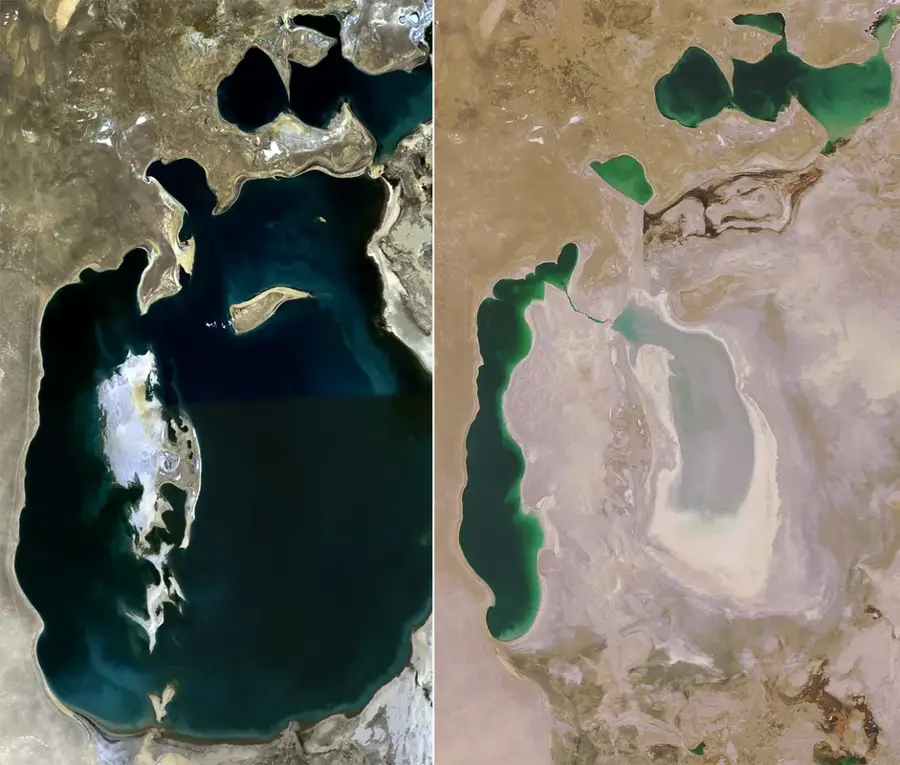
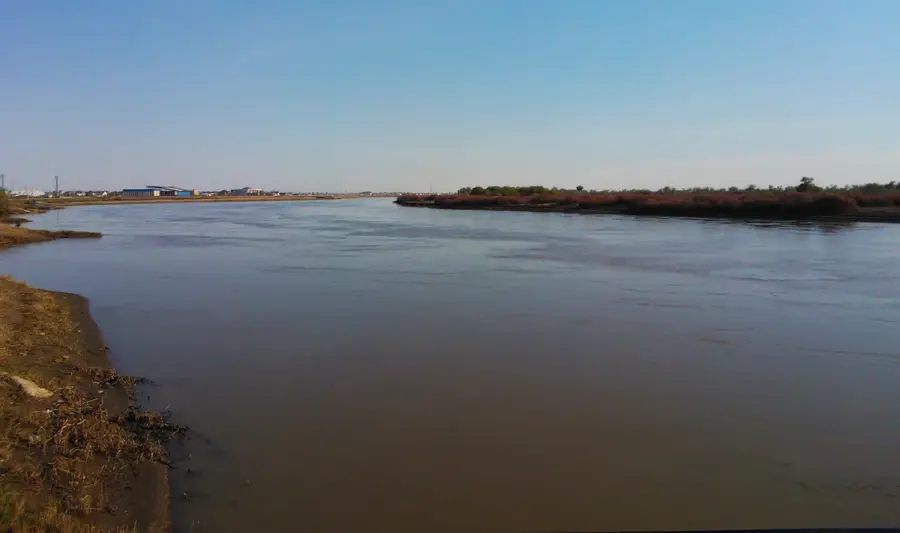
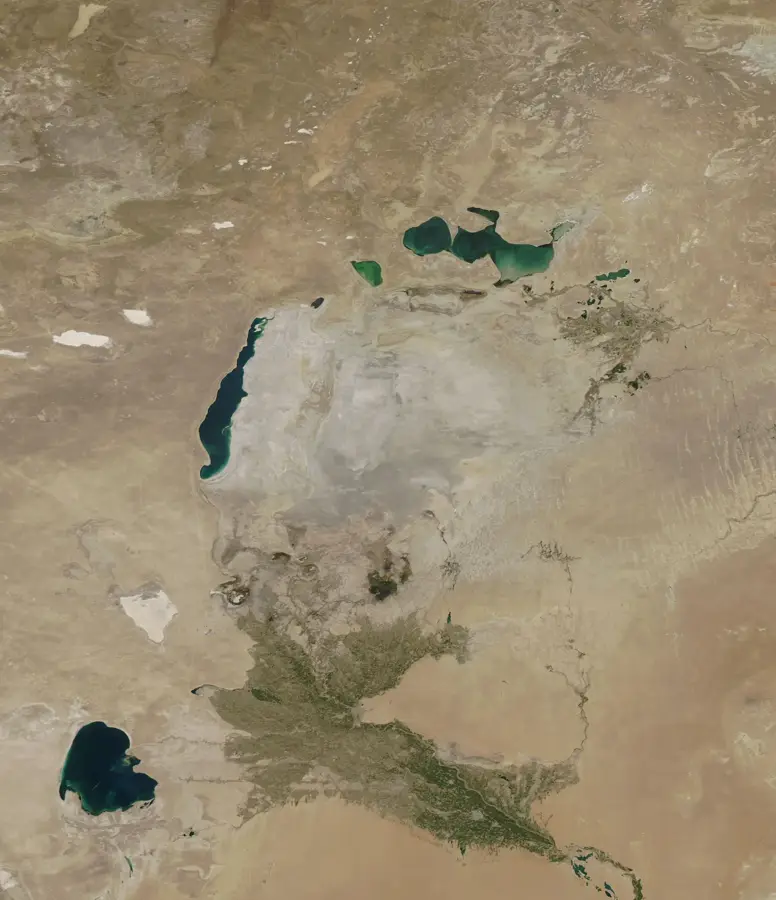
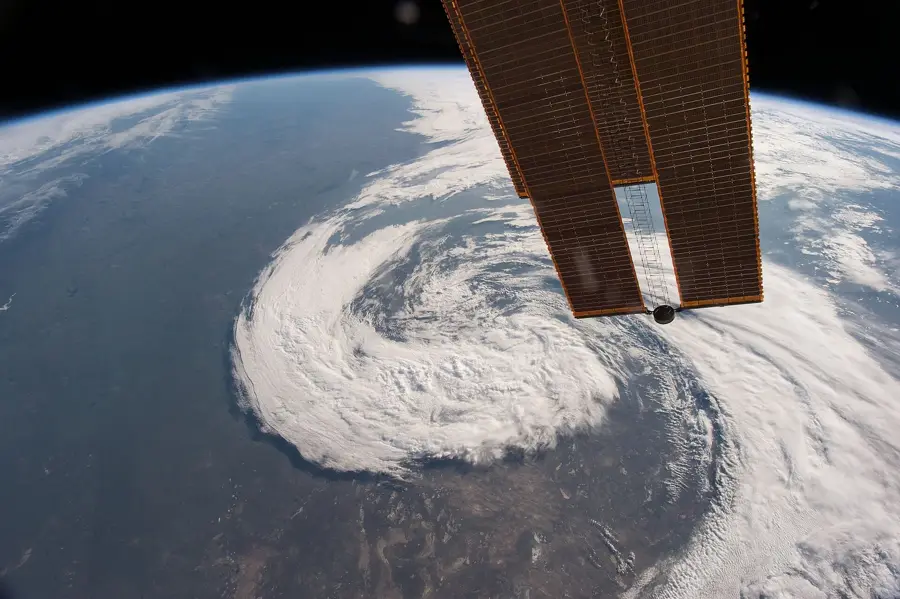
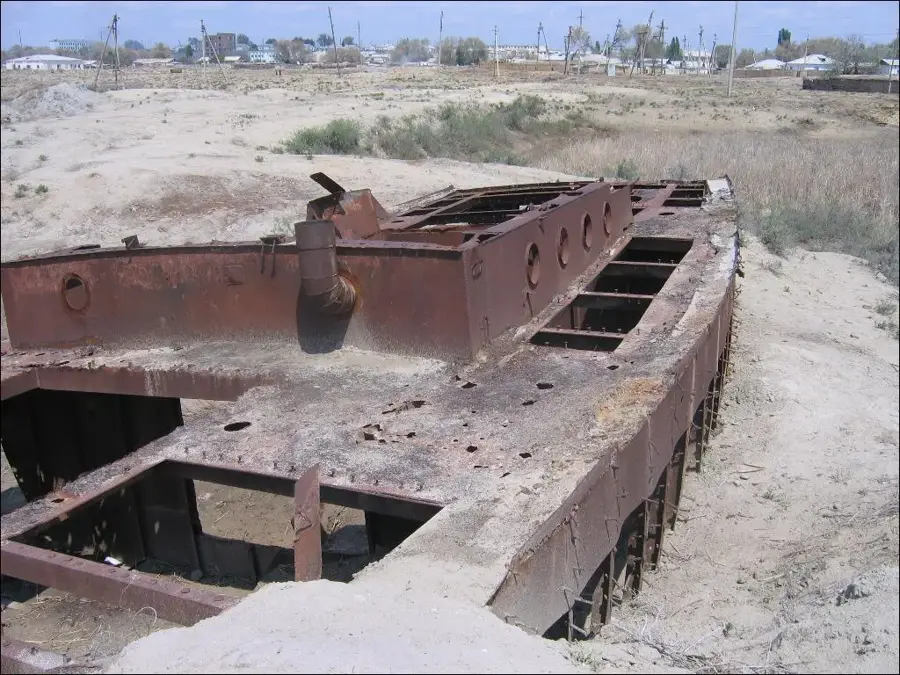
The Kazakh coast of the Aral Sea is a haunting symbol of one of the 20th century's worst man-made environmental disasters. Once the world's fourth-largest inland body of water, the Aral Sea has shrunk to a fraction of its original size after the Soviet Union diverted its feeder rivers in the 1960s to irrigate cotton fields. The Kazakh side is home to the North Aral Sea. Thanks to the construction of the Kok-Aral Dam in 2005, this smaller section of the sea has made a partial recovery. Water levels have risen, salinity has dropped, and fish have returned, providing a new lease on life for the local fishing industry. The former coastline, now kilometers away from the water, is dotted with rusting shipwrecks in the newly formed Aralkum Desert, a surreal landscape and a powerful reminder of ecological destruction.

Best time to visit & climate

The most pleasant time to visit is May, Aug, Sep.

JanFebMarAprMayJunJulAugSepOctNovDec
Avg °C-11-83122126282619100-9
Rain mm12111718128764101513

📋 Practical info

🧭
Getting there
Reaching the northern shores typically involves arranging transport from regional centers, often using specialized cross-country vehicles. The route leads through vast, arid landscapes where remnants of the former sea bed are now fully exposed.
📅
Best season
Spring and autumn are widely considered the most suitable times to explore this environment, offering moderate temperatures and clearer skies. Summers can be blisteringly hot, while winter winds sweeping across the plains are extremely harsh.
⛰️
Terrain & paths
Visitors must navigate across a mixture of sandy dunes, encrusted salt flats, and abandoned shorelines shaped by ongoing environmental shifts. The flat yet treacherous ground requires constant attention, especially near the receding water edge.
🎒
What to bring
Equipping oneself with robust sun protection, dust-resistant clothing, and abundant fresh drinking water is absolutely mandatory here. Carrying offline maps and emergency communication devices is strongly advised due to the immense desolation.
🅿️
Parking
Leaving vehicles is primarily done at designated settlements or specific viewpoint staging areas organized by local operators. Venturing indiscriminately into the salt flats with a standard car carries a very high risk of becoming deeply bogged.
⚠️
Safety
Airborne toxic dust and salt residue represent a significant health concern, particularly on windy days, necessitating respiratory precautions. Staying strictly on established tracks is vital to avoid sinking into unstable, marshy ground sections.
⏱️
Time needed
A comprehensive observation of the ecological damage and restoration areas typically consumes an entire, well-planned day trip. For a deeper understanding of the affected fishing communities, planning an overnight stay is highly recommended.

Geography

Coordinates
45.50000, 60.00000

Explore nearby

Notable places around
Route planner — Car & Motorhome

Where do you start? We build the route here, with stops and country notes along the way.

Vehicle
Only stops with (optional):

© OpenStreetMap contributors · OpenRouteService

Sights nearby

Frequently asked questions

Can you visit the Aral Sea in Kazakhstan?
Yes, from the city of Aralsk, you can visit the North Aral Sea and the Kokaral Dam.
Are there still ship graveyards?
Most wrecks have been scrapped; a few can still be seen near Zhalanash.
Has the water level stabilized?
The level of the North Aral Sea has risen and is stable thanks to the Kokaral Dam.
Are there fish there again?
Yes, fishing has rebounded and is once again an important source of income for Aralsk.
How far is the water from Aralsk?
The shoreline is now about 15-20 kilometers away from the former port city.
Aral Sea Coast: where is it located?
Aral Sea Coast is located in Kazakhstan.
Aral Sea Coast: when is the best time to visit?
The most pleasant time to visit is May, Aug, Sep.
Aral Sea Coast: why is it worth visiting?
The Kazakh coast of the Aral Sea is a haunting symbol of one of the 20th century's worst man-made environmental disasters.
View on map → The Top 50 Attractions → OpenStreetMap →
Asia
Explore with Plizio Discover more places in Asia
More places in Kazakhstan →

Nature

More places