Plizio Visual Lab
Aralkum Desert
Weather…
Water temperature…
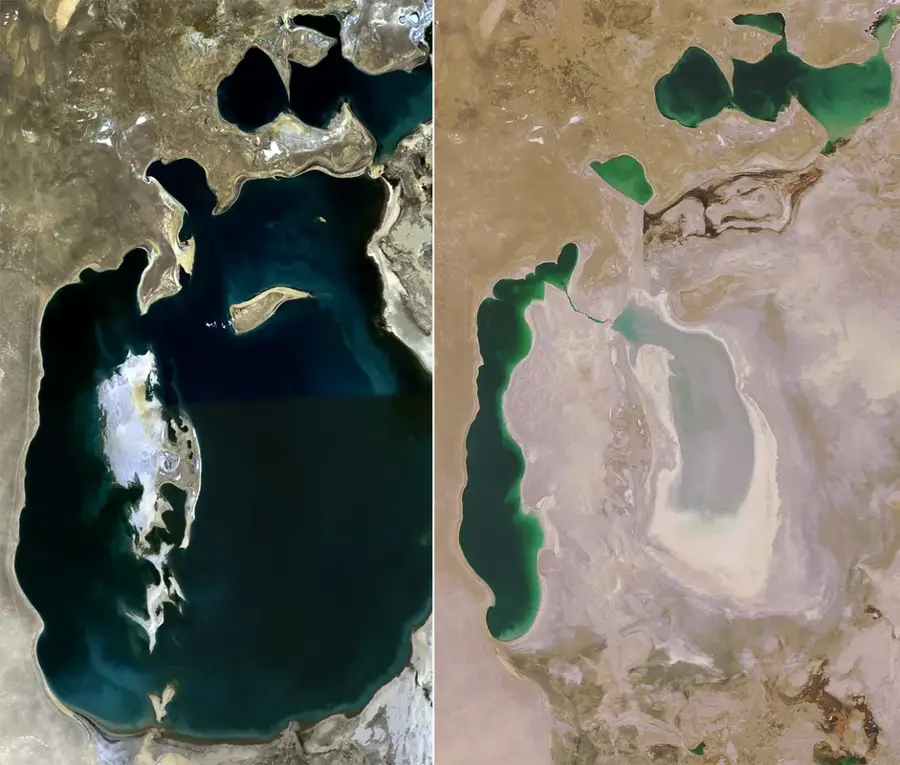
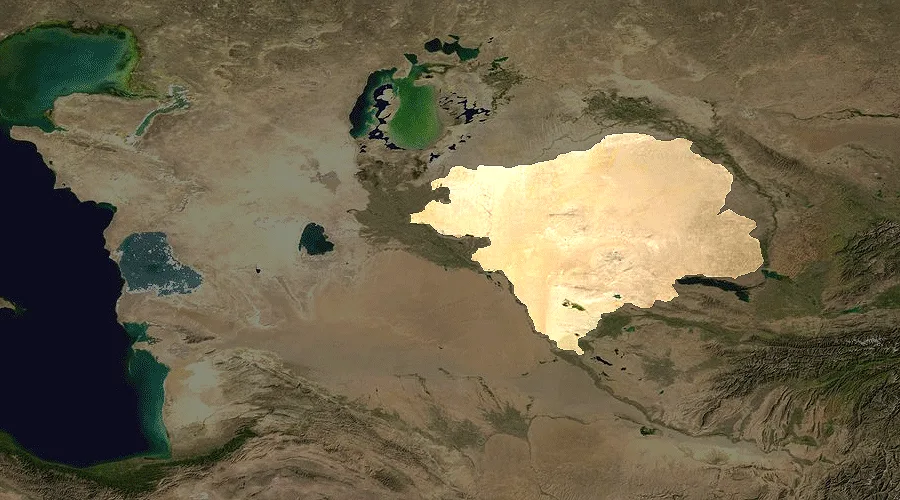
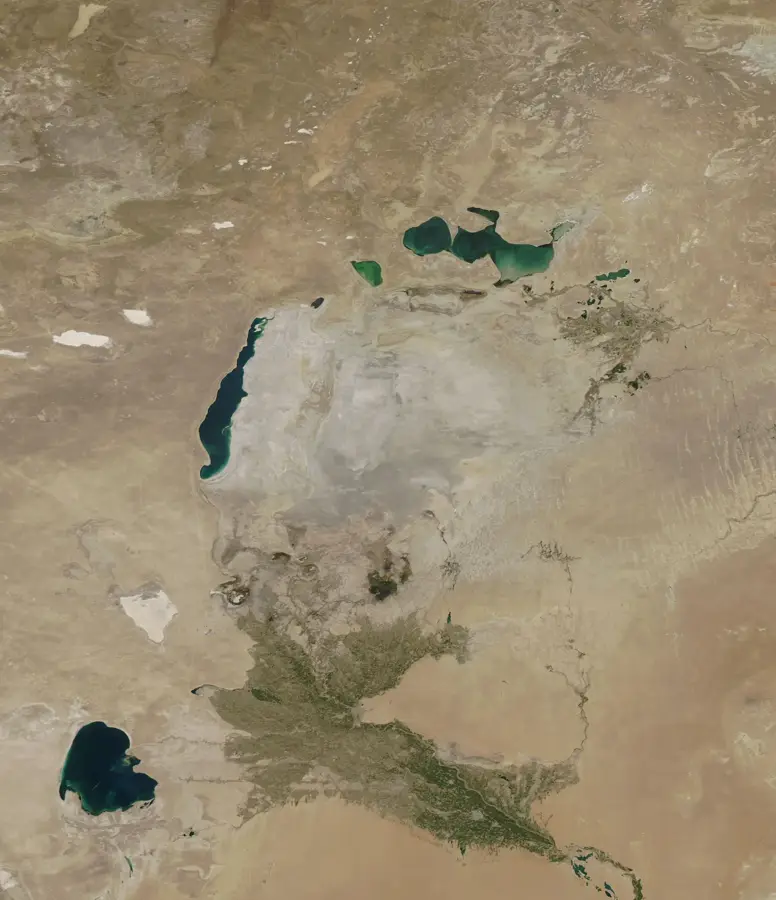
The Aralkum Desert is one of the youngest deserts in the world, having formed on the drying bed of the Aral Sea. Since the 1960s, the massive diversion of water from the Amu Darya and Syr Darya rivers has caused the water surface to shrink dramatically, exposing over 60,000 square kilometers of former seabed. This new landscape is characterized by extreme salinity and toxic dust storms that carry pesticide residues from agriculture over vast distances. The Aralkum serves as a symbol of one of humanity's greatest environmental disasters and poses an enormous health burden on the local population. Ecological rehabilitation efforts include planting saxaul shrubs to stabilize the soil and mitigate erosion. Despite the hostile conditions, specialized desert flora is beginning to take root, while the former fishing and shipping industries have completely vanished.
📋 Practical info
Geography
Facts
- The Aralkum Desert grows by approximately 1,000 square kilometers every year.
- Dust storms from the Aralkum have been detected as far away as the Himalayas.
- Millions of saxaul seedlings have been planted to prevent wind erosion and sand drift.
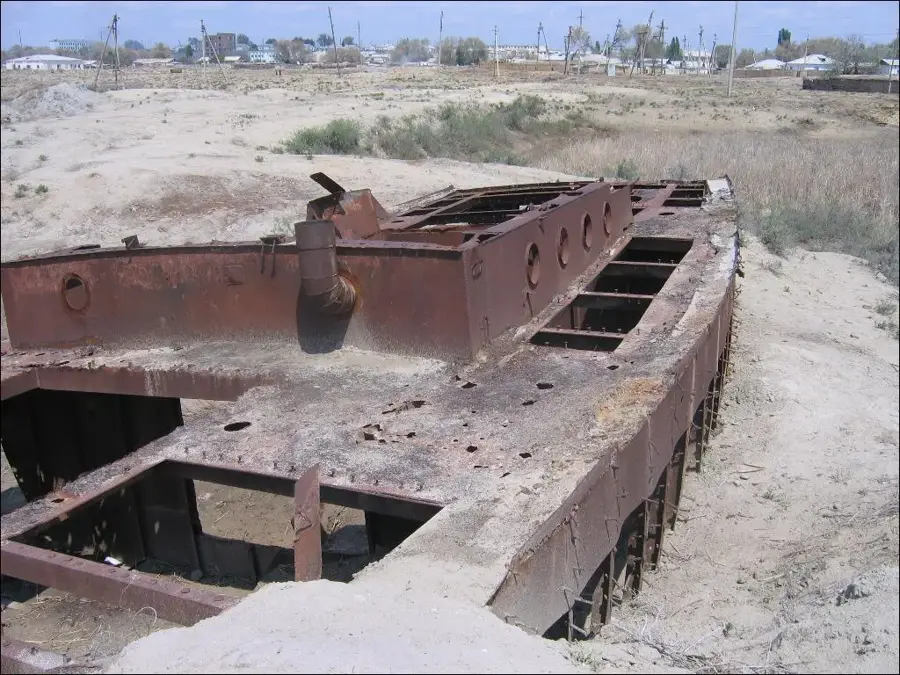
- Rusting shipwrecks near Muynak testify to the former status of the port city.
- The seabed soil contains high concentrations of sodium chloride and fertilizer residues.
- Desertification has caused the local climate to become increasingly dry and hot.
Explore nearby
Notable places around

Route planner — Car & Motorhome
Where do you start? We build the route here, with stops and country notes along the way.
© OpenStreetMap contributors · OpenRouteService
Sights nearby
Frequently asked questions
What is the Aralkum Desert?
Can one visit the Aralkum Desert area?
Why is the environment there so special?
Is the desert floor dangerous?
What is the best season for this region?
Aralkum Desert: where is it located?
Aralkum Desert: why is it worth visiting?

Nature