Plizio Visual Lab
Minas
ℹ️Practical info — Minas
▾
🌤 Weather — 5 days
📍 Nearby
Sights nearby
💡 Tips
- Rent a car to easily explore the surrounding hills of the Sierras de Minas.
- Visit Parque Salus to taste the famous mineral water straight from the source.
- The city is very walkable but can be quite steep in some areas.
- Try to visit during the Semana de Lavalleja for bustling local culture.
- Afternoon siesta is common, so expect some shops to close midday.
🍽 Food
Pick up these famous local sweet treats at traditional bakeries in town.
Experience Uruguayan barbecue at the local parrillas.
A traditional sponge cake dessert found in central cafes.
🛍 Shopping · 🧘 Quiet spots
The best place to pick up boxes of alfajores to take home.
Well-suited for fresh produce, cheeses, and homemade goods.
Leather goods and mate accessories can be found in town center shops.
A beautiful central park with trees and a small lake.
Hike up to the monument for a peaceful view overlooking the city.
Enjoy tranquil forest walks near the water source.
Water temperature…
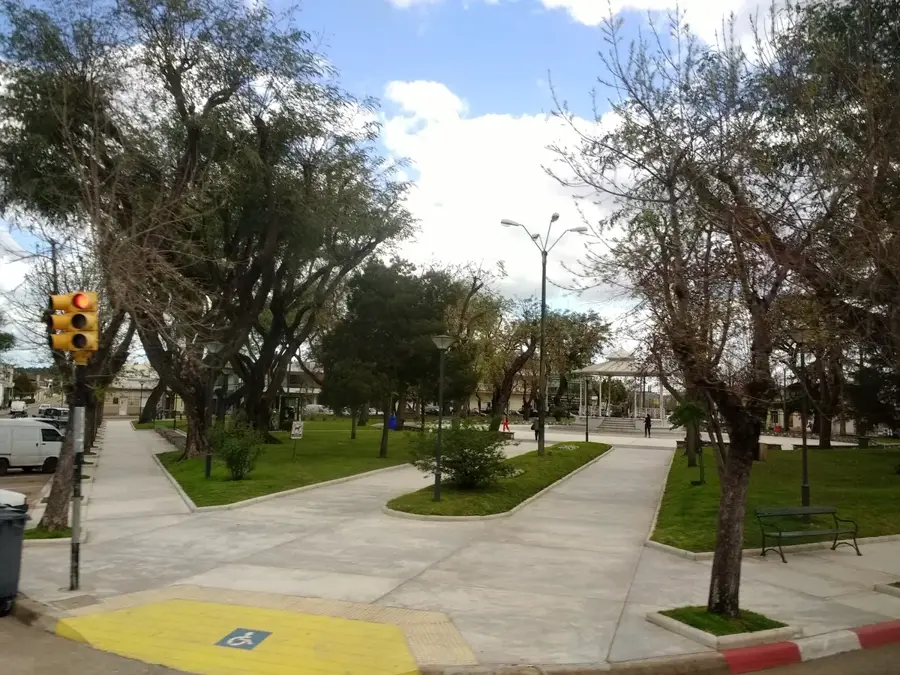
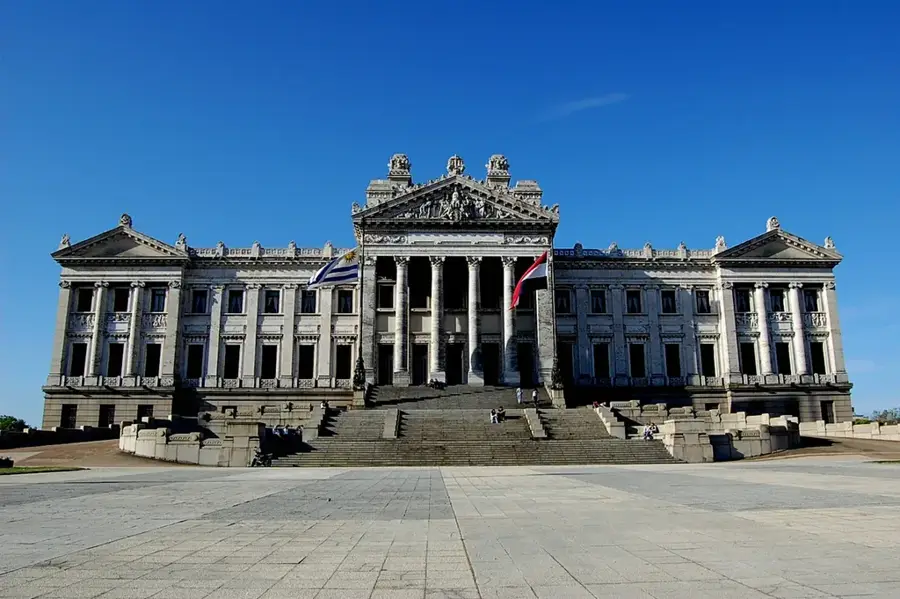
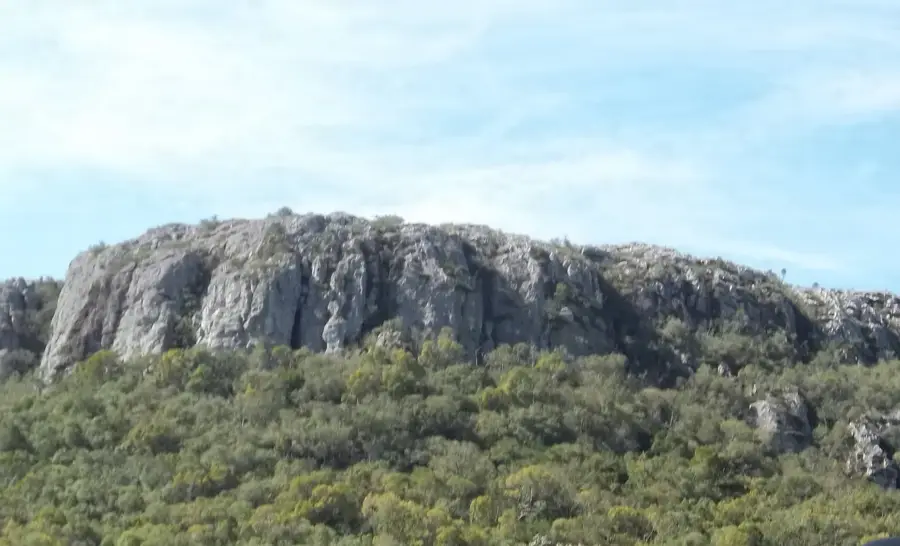
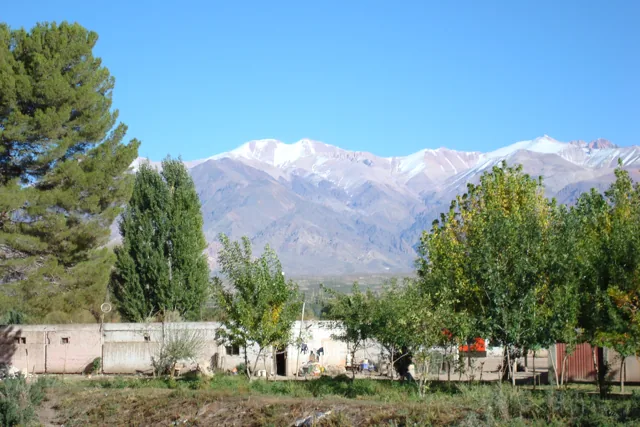
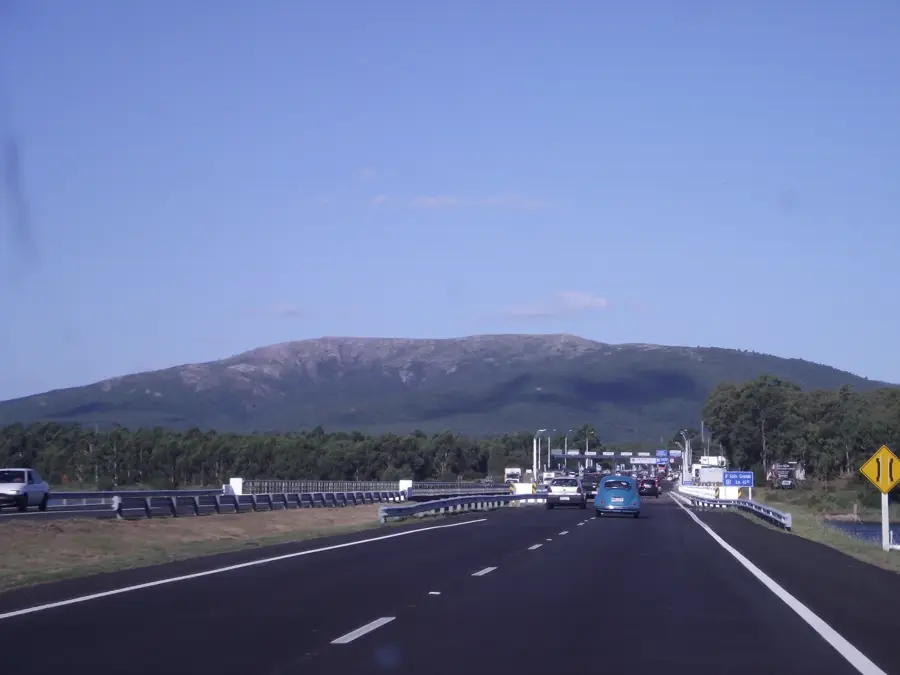
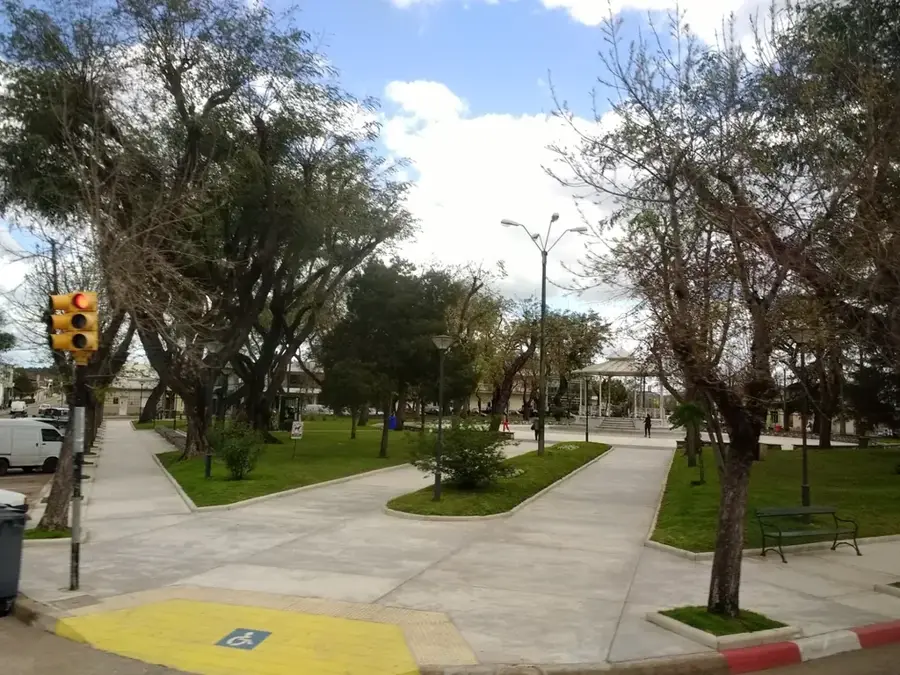
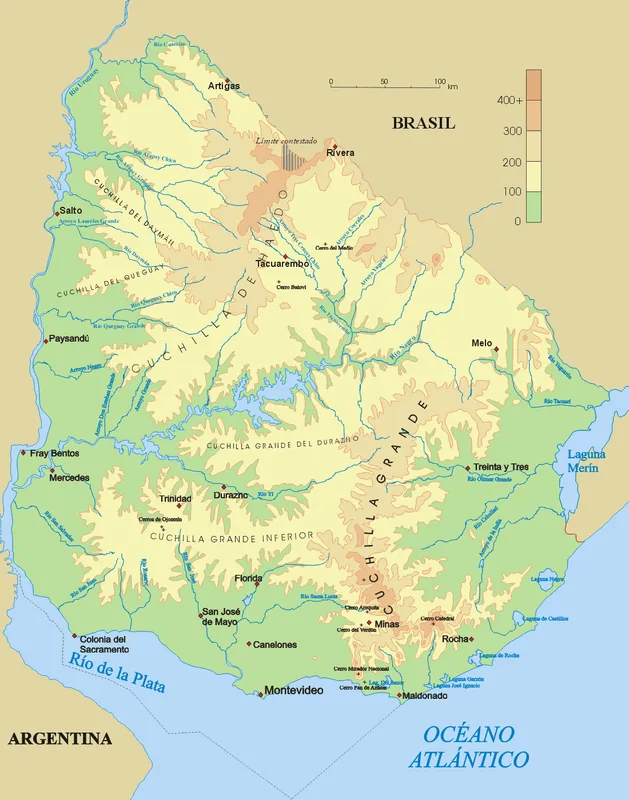
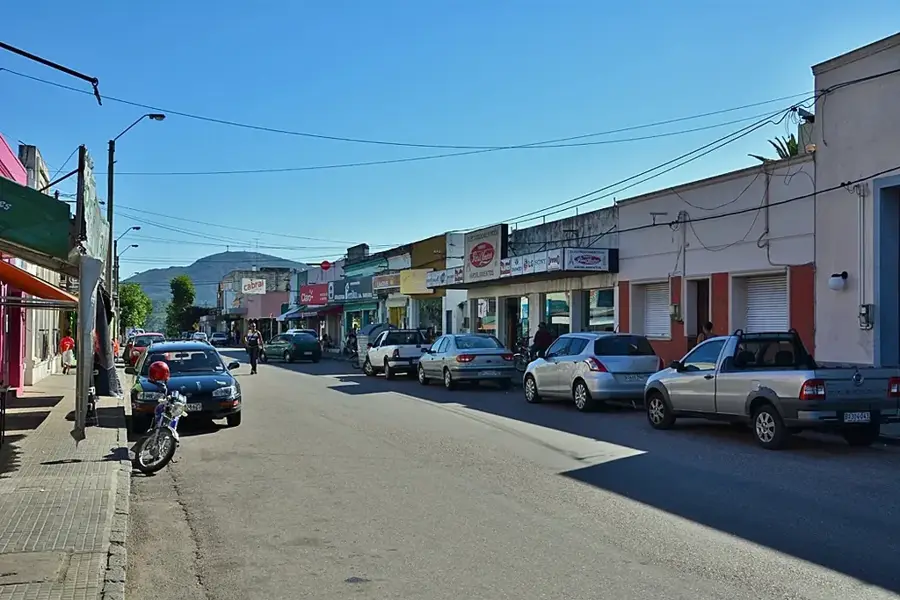
Minas is the capital of the Lavalleja Department in southeastern Uruguay, uniquely positioned within the scenic rolling hills of the Sierras de Minas. Founded in 1783 as 'Villa de la Concepción de las Minas' by Spanish settlers from Galicia and Asturias, the city’s name reflects the area's rich mineral deposits, particularly limestone and marble. The geography of Minas is among the most dramatic in Uruguay, characterized by steep valleys, rocky outcrops, and refreshing mountain streams. A defining feature of the city is the Cerro Artigas, a hill topped with the world's largest equestrian statue of José Gervasio Artigas, the father of Uruguayan independence. The local economy is driven by mining, livestock ranching, and the beverage industry, notably the Salus mineral water spring, located in a vast nature reserve just outside the city. Minas is a significant cultural and religious center, hosting the massive annual pilgrimage to the Sanctuary of the Virgin of Verdun on Cerro del Verdún every April. The city's architecture is modest yet historic, featuring neoclassical public buildings and welcoming plazas that reflect its 18th-century origins. Minas is also celebrated for its traditional confectionery, such as 'Serranitos' and locally produced honey. The surrounding highlands offer some of the best hiking and trekking opportunities in the country, attracting nature enthusiasts and outdoor adventurers. As a gateway to the Uruguayan interior, Minas preserves a strong connection to rural traditions and gaucho culture, which are showcased during regional festivals like the 'Semana de Lavalleja,' blending natural beauty with historical depth.
- Location: Uruguay
- Top sights: Capilla Santa Terisita · Teatro Lavalleja · Catedral Inmaculada Concepción
- Nearby: Pan de Azúcar (27 km)
- Population: ~38.025 (2026)
Best time to visit & climate
The most pleasant time to visit is Jan, Feb, Dec.
| Jan | Feb | Mar | Apr | May | Jun | Jul | Aug | Sep | Oct | Nov | Dec | |
|---|---|---|---|---|---|---|---|---|---|---|---|---|
| Avg °C | 23 | 22 | 20 | 16 | 13 | 10 | 9 | 11 | 12 | 15 | 18 | 21 |
| Rain mm | 97 | 118 | 125 | 104 | 95 | 107 | 96 | 106 | 101 | 103 | 90 | 88 |
Geography
Facts
- Established in 1783 to house families from northern Spain.
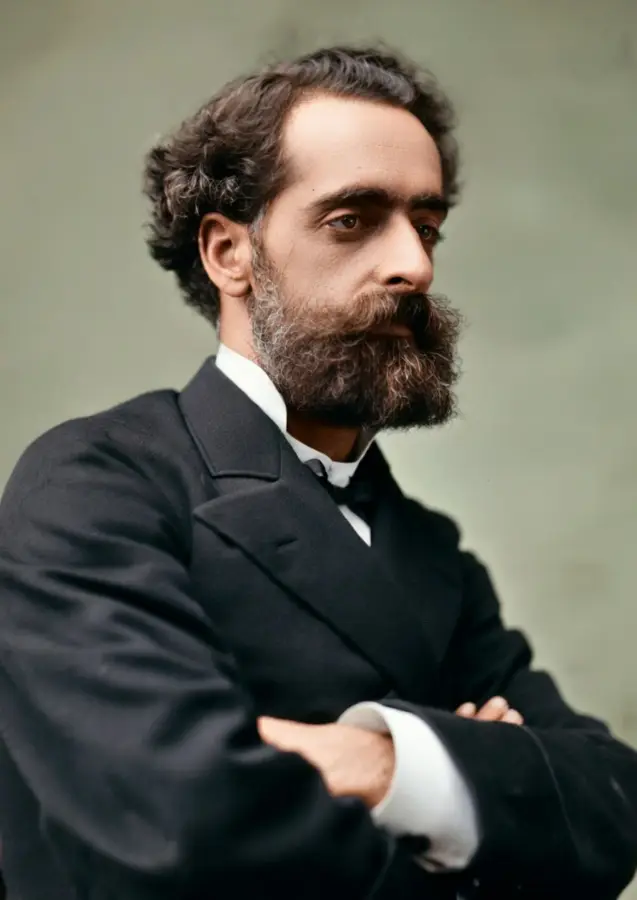
- Capital of Lavalleja, named after a revolutionary leader.
- Home to a world-record equestrian statue of Artigas.
- The Salus Nature Reserve is a key local ecological site.
- The city's name literally translates to 'Mines' in English.
- Host of the massive Virgin of Verdun pilgrimage in April.
- Known for its unique local pastries called 'Serranitos'.
- Located in a region with significant limestone quarries.
Explore nearby
Notable places around

Route planner — Car & Motorhome
Where do you start? We build the route here, with stops and country notes along the way.
© OpenStreetMap contributors · OpenRouteService
Sights in the town Minas (8)
Casa Natal de Juan Antonio Lavelleja🏛 museum
Birthplace of Juan Antonio Lavalleja in Minas, Uruguay, now a museum.
Sala Eduardo Fabini🏛 museum
Museum in Minas, Uruguay, dedicated to composer Eduardo Fabini.
Cerro Artigas
Viewpoint in Minas, Uruguay, overlooking the city.
San José
Church in Minas, Uruguay, dedicated to Saint Joseph.
Frequently asked questions
How long should I stay in Minas?
Which season is ideal for visiting Minas?
How do you get to Minas?
Are there local specialties in Minas?
Is Minas a destination for the whole family?
Minas: where is it located?
Minas: what is there to see?
Minas: when is the best time to visit?
Minas: why is it worth visiting?
Nearby cities
History & landmarks
Nature
More places