Plizio Visual Lab

Polissian Upland

Plizio editorial teamData Sources
Mountain
—°
Polissian Upland (Ukraine)

Weather…

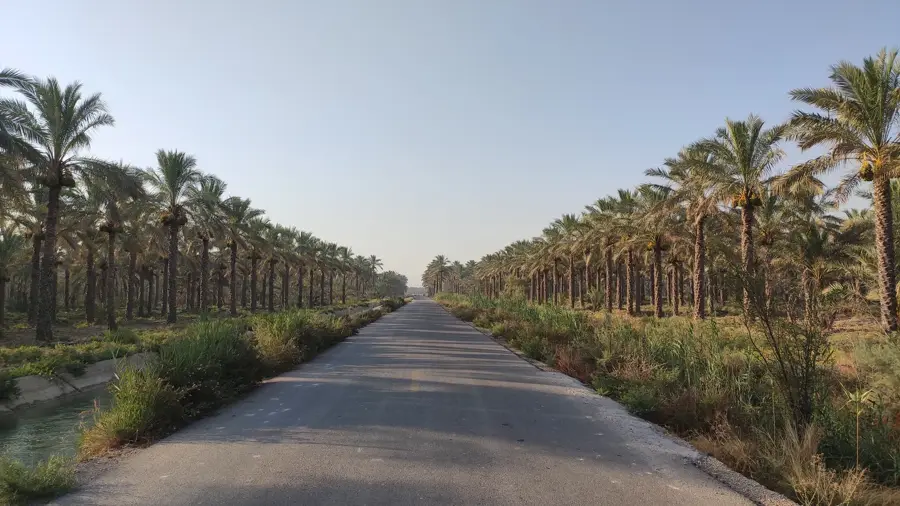
The Polissian Upland extends across northern Ukraine, representing the southern fringe of the vast East European Plain. Geomorphologically, it is characterized by a gently undulating landscape shaped by Pleistocene glacial deposits and subsequent fluvial erosion from major rivers like the Dnieper and Pripyat. The region is notable for its extensive wetlands, dense coniferous and mixed forests, and a multitude of lakes that form a complex hydrological network. Historically, the upland's inaccessible marshes provided sanctuary for various cultures and served as a strategic base for partisan movements during World War II. The soils are predominantly sandy and nutrient-poor, which restricts intensive farming but supports a robust forestry industry. Today, the area is ecologically sensitive, particularly following the Chernobyl nuclear disaster which directly impacted the eastern sectors of the upland. Despite this, it remains one of Eastern Europe's most significant reservoirs for biological diversity.

Best time to visit & climate

The most pleasant time to visit is Jun–Aug.

JanFebMarAprMayJunJulAugSepOctNovDec
Avg °C-6-518151921211582-4
Rain mm444147457378815647534647

📋 Practical info

🧭
Getting there
The Polissian Upland in northern Ukraine is easily accessible via regional roads from cities like Zhytomyr or Korosten. The extensive forest areas are best explored via local paths, and a private vehicle is an advantage for reaching the more remote parts of the region.
📅
Best season
The summer months offer pleasant shade in the dense forests, while autumn is particularly attractive for hikers with its foliage colors. In spring, it can be very muddy due to snowmelt, which is why this time is less suitable for excursions off paved roads.
⛰️
Terrain & paths
The terrain is characterized by gentle hills and extensive forest landscapes, which are mostly easy to navigate. Occasionally, granite formations come to light, giving the landscape a special character, but overall the relief is rather moderate and suitable even for less experienced hikers.
🎒
What to bring
Effective insect protection against mosquitoes and ticks is absolutely necessary in the forest areas. Since the paths can be damp in places, waterproof footwear is recommended, as well as a backpack with provisions, as infrastructure in the deep forests is limited.
🅿️
Parking
Parking spaces are mostly found in the villages at the edge of the forest areas or at larger road junctions. In cities like Korosten, there are central parking facilities from which you can start excursions into the surroundings, while in the forest itself, you tend to park on the roadside.
⚠️
Safety
You should always stay on the marked paths to avoid losing your orientation in the dense forests. Since mobile phone coverage can be patchy in remote areas, it is advisable to download maps in advance or carry a physical map.
⏱️
Time needed
2-3 hours are often enough for a forest walk, while an extensive hike to special rock formations or viewpoints can take a whole day. The region also invites longer nature observations or multi-day exploration tours.

Geography

Coordinates
51.15500, 28.52500

Facts

  • Average elevations in the upland range from 150 to 200 meters.
  • The Pripyat River serves as the primary drainage system for the area.
  • The geological basement consists of the Ukrainian Crystalline Shield.
  • Home to the Polissia Nature Reserve, founded in 1968.
  • Approximately 20% of Ukraine's total forest cover is located here.
  • The landscape was significantly altered during the Riss glaciation.

Explore nearby

Notable places around
Route planner — Car & Motorhome

Where do you start? We build the route here, with stops and country notes along the way.

Vehicle
Only stops with (optional):

© OpenStreetMap contributors · OpenRouteService

Sights nearby

Frequently asked questions

Where is the Polissia Upland located?
It is located in northern Ukraine, along the border with Belarus, characterized by forests and marshes.
What are the most distinctive features of this landscape?
The region is known for its dense pine forests, sandy soils, and extensive marshlands.
Are there national parks in the area?
Yes, several protected areas, such as the Polissia Nature Reserve, preserve the unique wildlife.
Is the region developed for tourism?
It is more of a destination for ecotourism and hikers seeking seclusion and wild nature.
What is the climate like in the Polissia Upland?
It has a moderate continental climate with humid summers and cold winters.
Polissian Upland: where is it located?
Polissian Upland is located in Ukraine.
Polissian Upland: when is the best time to visit?
The most pleasant time to visit is Jun, Aug.
Polissian Upland: why is it worth visiting?

The Polissian Upland extends across northern Ukraine, representing the southern fringe of the vast East European Plain.
View on map → The Top 50 Attractions → OpenStreetMap →
Europe
Explore with Plizio Discover more places in Europe
More places in Ukraine →

Nearby cities