Plizio Visual Lab

Anau Mosque Ruins
Plizio editorial teamData Sources
ruin
—°9
Anau Mosque Ruins (Turkmenistan)

Weather…

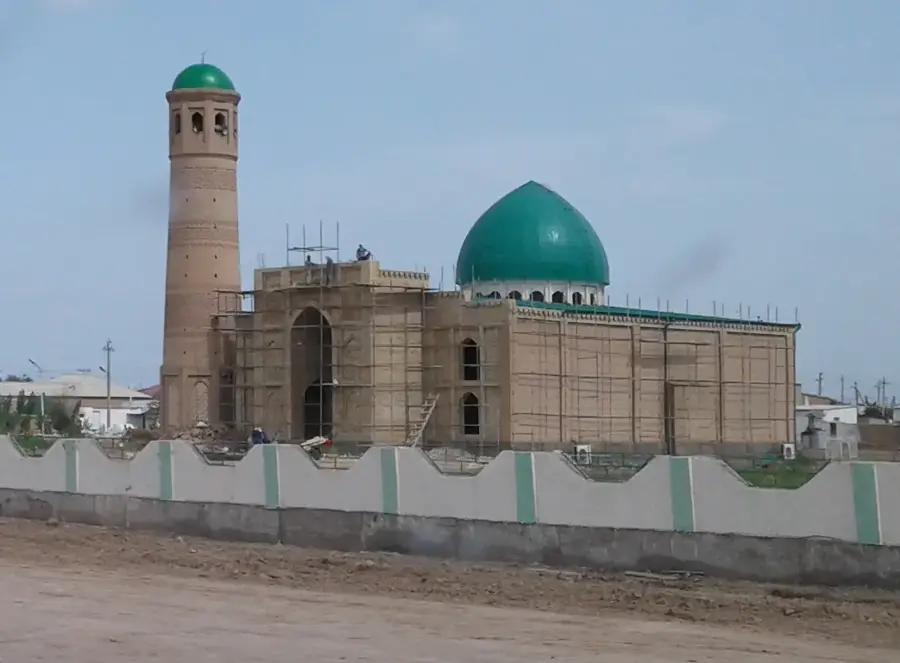
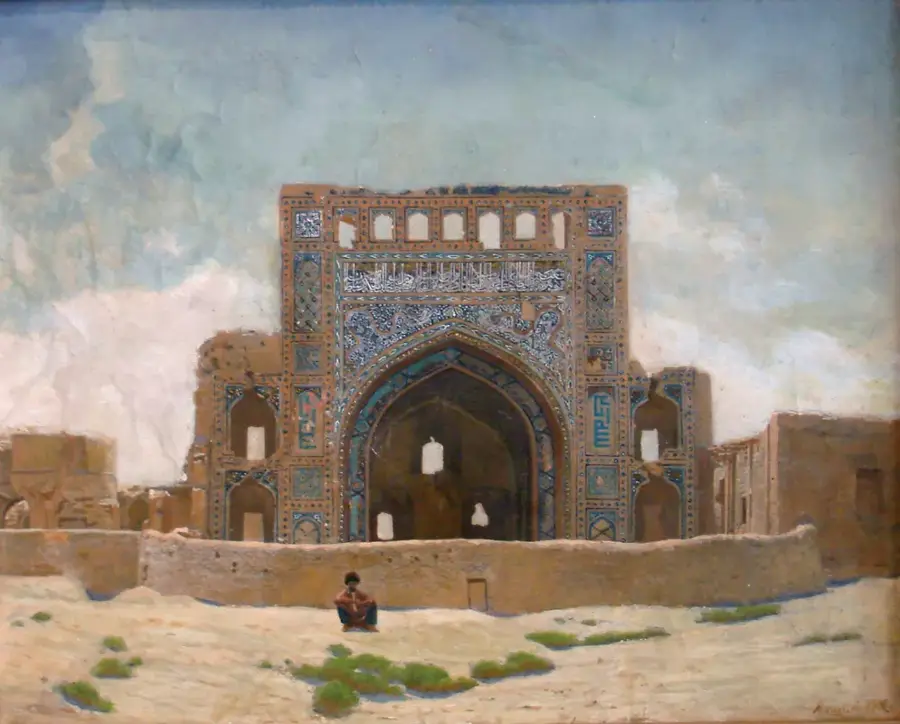
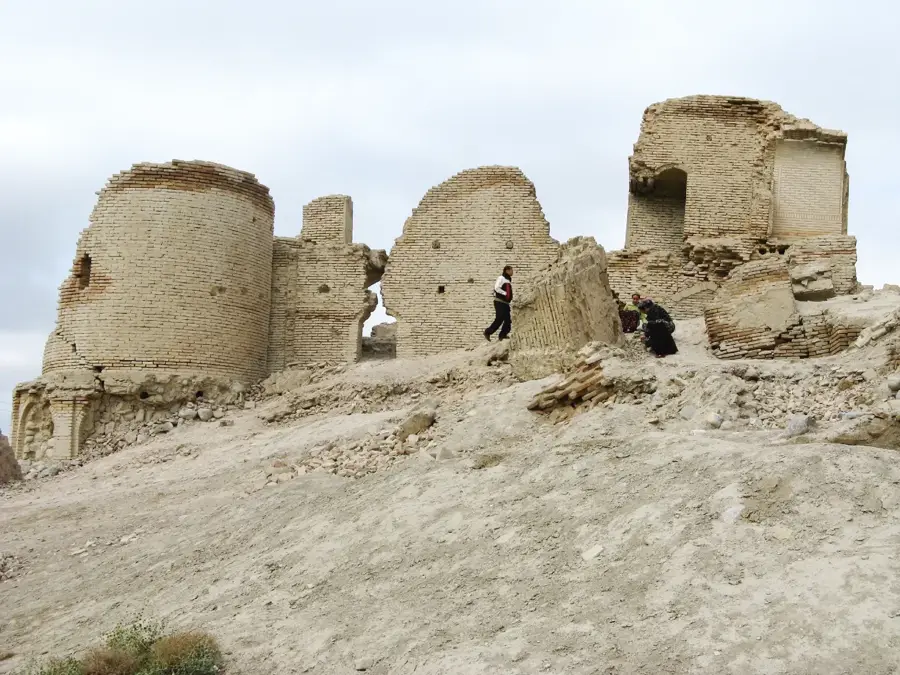
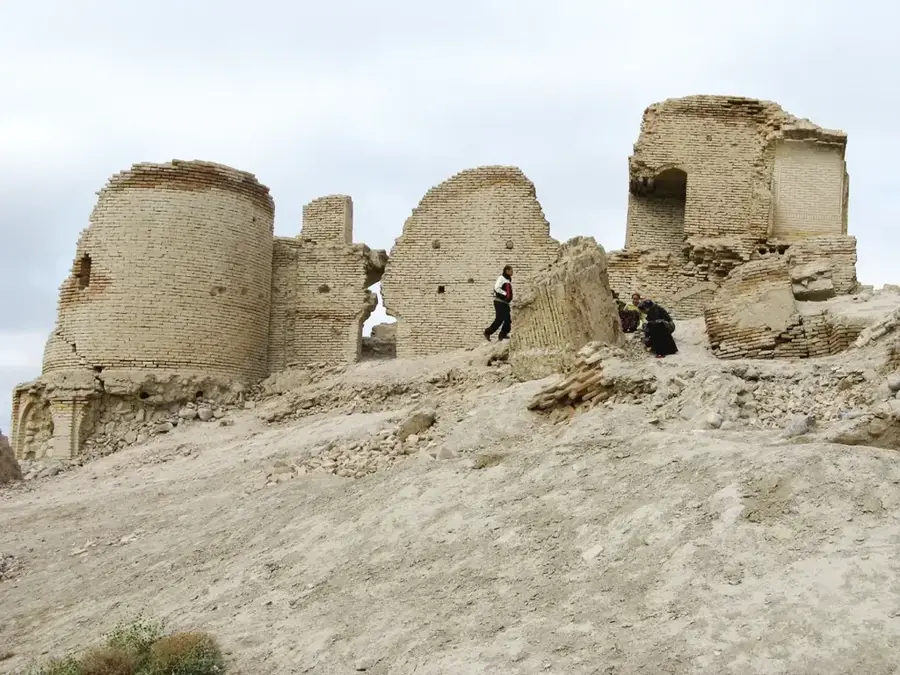
The ruins of the Anau Mosque, also known as the Seyit Jemal-ad-Din Mosque, are located about 12 kilometers east of Ashgabat and represent a pinnacle of 15th-century Timurid architecture. Completed in 1456 by Mohammed bin Khudaidad in honor of his father, the mosque was world-renowned for its extraordinary decoration, particularly the mosaic of two dragons facing each other above the main arch. This dragon motif is highly unusual in Islamic religious architecture and is the subject of many local legends regarding the dragons as protectors of the city. The complex originally served as a religious center, including a mausoleum and a lodge for Sufi pilgrims. Tragically, the mosque was almost entirely leveled during the 1948 Ashgabat earthquake, one of the deadliest in history. Today, only fragments of the massive brick walls and parts of the exquisite tilework remain, yet the site continues to be an important place of pilgrimage. The mosque was built atop a much older settlement mound belonging to the Eneolithic Anau culture, showcasing thousands of years of continuous human presence in the region.

Best time to visit & climate

The most pleasant time to visit is May, Sep, Oct.

JanFebMarAprMayJunJulAugSepOctNovDec
Avg °C45111724303230241795
Rain mm1731363316562292016

📋 Practical info

🚪
Visiting
The ancient ruins of this historic mosque can be respectfully explored from the outside, allowing visitors to marvel at the partially restored mosaic facades. The site is a poignant reminder of the region's rich architectural history, though access to the fragile inner sanctuaries is usually restricted.
🕒
Typical hours
The archaeological site is typically open to the public during regular daylight hours, usually from morning until late afternoon. Since there are few formal facilities or gates, visitors should aim to arrive during standard business hours when caretakers or local guides are most likely to be present.
📷
Photography
The intricate and colorful tilework, featuring the famous dragon motifs, gives unique and compelling opportunities for close-up architectural photography. The warm, golden light of the late afternoon beautifully accentuates the contrast between the sandy ruins and the vivid blue ceramic remnants.
⏱️
Time needed
A thorough walk around the mosque ruins and the adjacent modern pilgrimage areas generally takes between thirty minutes to a full hour. This allows enough time to quietly observe the intricate structural details and absorb the tranquil, historical atmosphere of the surrounding landscape.
Combine with
This historical excursion can easily be paired with a visit to the capital city of Ashgabat, which is just a short drive away and has extensive museums. You might also want to explore other ancient sites along the old Silk Road routes that are scattered throughout this fascinating region.
🧭
Getting there
The ruins are situated very close to the outskirts of Ashgabat, making them easily reachable by booking a local taxi or arranging a private driver for the day. While public transport options are extremely limited, the site is clearly signposted and located just off the main regional highway.
💡
Insider tip
Because the site holds deep religious and cultural significance for local pilgrims, dressing modestly by covering your shoulders and knees is highly advised. The desert sun can be incredibly harsh, so wearing a wide-brimmed hat and bringing plenty of drinking water is necessary for a comfortable visit.

Geography

Coordinates
37.89310, 58.53690

Facts

  • The mosque was completed in 1456 during the era when the Timurid dynasty ruled the region.
  • The unique dragon mosaic above the portal is considered one of the rarest motifs in Islamic art.
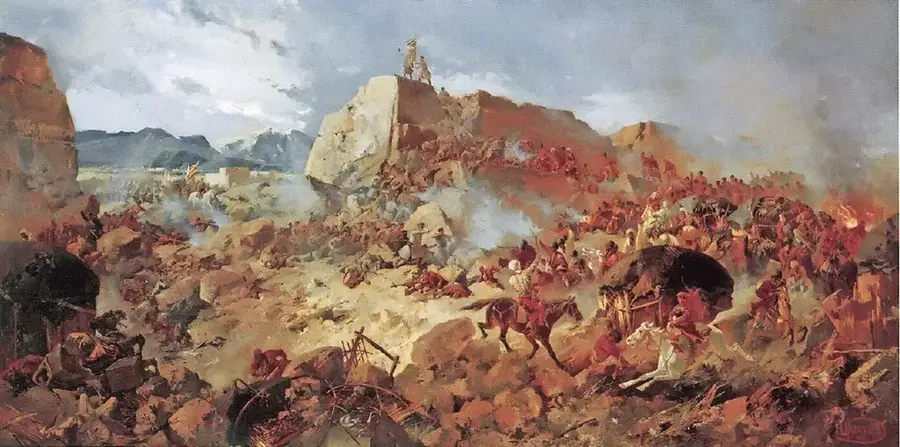
  • The devastating earthquake of 1948 destroyed most of the structure's arches and walls.
  • The site is the namesake of the Anau culture, which dates back to the 5th millennium BC.
  • The mosque was built to honor Seyit Jemal-ad-Din, a respected local religious figure.
  • Recent restoration efforts have focused on preserving the remaining brick foundations and tile fragments.

Explore nearby

Notable places around
Route planner — Car & Motorhome

Where do you start? We build the route here, with stops and country notes along the way.

Vehicle
Only stops with (optional):

© OpenStreetMap contributors · OpenRouteService

Sights in the town Anau Mosque Ruins (9)

Annau Archeological Site🏺 historical

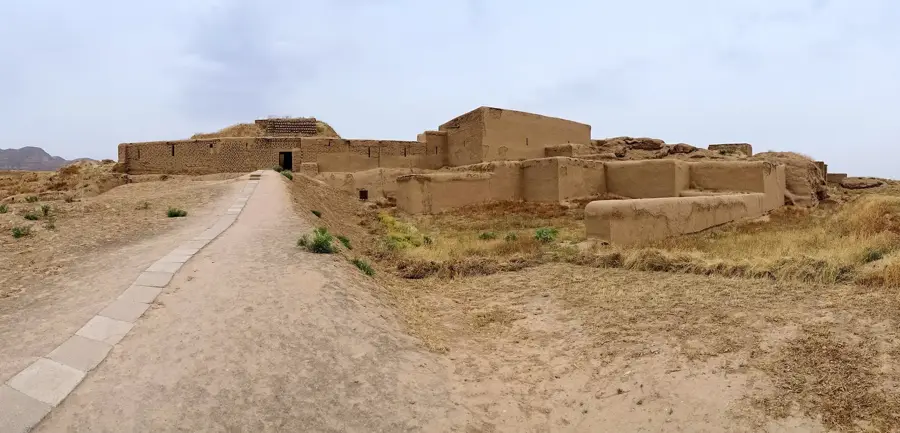
These ruins near Ashgabat contain traces of human habitation dating back to the 5th millennium BCE.

Annau South Mound📍 landmark

An ancient settlement mound in Anau providing evidence of early Bronze Age agriculture and craftsmanship.

Buýsanç🎡 recreation

A popular recreational park in Anau offering family-friendly rides and outdoor leisure activities.

Annau House of Culture🎭 culture

A community venue in Anau hosting local theatrical performances, concerts, and cultural gatherings.

White Wheat Museum🏛 museum

The world's only museum dedicated to wheat, built on the site where 5,000-year-old grains were discovered.

Gami House of Culture🎭 culture

A local cultural centre near Anau providing a space for traditional Turkmen music and dance performances.

Annau North Mound📍 landmark

An archaeological site in Anau known for artifacts from the Eneolithic period and early farming cultures.

Seyit Jemaleddin Mosque🏺 historical

Famous 15th-century mosque ruins in Anau, unique for the dragon mosaics decorating its entrance portal.

Ak Bugdaý Bazary🎭 culture

A bustling marketplace in Anau where local farmers sell fresh "Ak Bugday" wheat and other regional goods.

Sights nearby

Frequently asked questions

Where are the ruins of the Anau Mosque located?
They are located just a short drive southeast of Aşgabat.
What is special about these ruins?
They were known for unique dragon representations on the portal, today they are severely destroyed.
How much time is needed?
A short visit of 30 to 60 minutes is perfectly sufficient.
Is admission free?
Yes, visiting the outdoor area is generally free at present.
Is it good for photography?
Yes, especially at sunset, the place gives a mystical backdrop.
Anau Mosque Ruins: where is it located?
Anau Mosque Ruins is located in Turkmenistan.
Anau Mosque Ruins: what is there to see?
Highlights include Annau Archeological Site, Annau South Mound, Buýsanç.
Anau Mosque Ruins: when is the best time to visit?
The most pleasant time to visit is May, Sep, Oct.
Anau Mosque Ruins: why is it worth visiting?

The ruins of the Anau Mosque, also known as the Seyit Jemal-ad-Din Mosque, are located about 12 kilometers east of Ashgabat and represent a pinnacle of 15th-century Timurid architecture.
View on map → The Top 50 Attractions → OpenStreetMap →
Asia
Explore with Plizio Discover more places in Asia
More places in Turkmenistan →

Nearby cities

History & landmarks

Nature
More places