Plizio Visual Lab
Manouba
ℹ️Practical info — Manouba
▾
🌤 Weather — 5 days
📍 Nearby
Sights nearby
💡 Tips
- The light rail (Métro Léger de Tunis) line 4 connects Manouba to central Tunis quickly, avoiding road traffic.
- The university campus area gets very busy during term time; expect crowded cafes and public transport on weekdays.
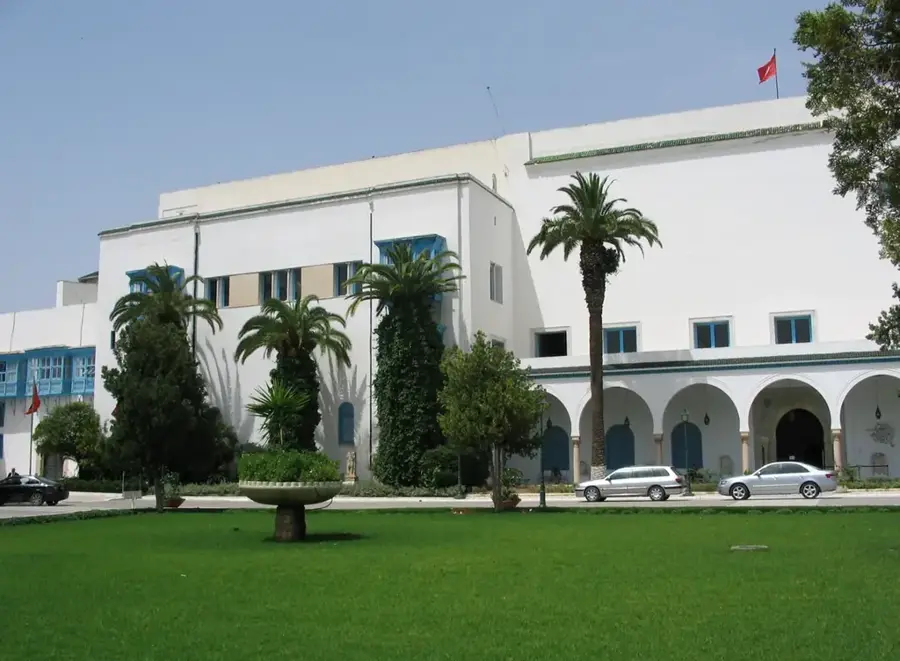
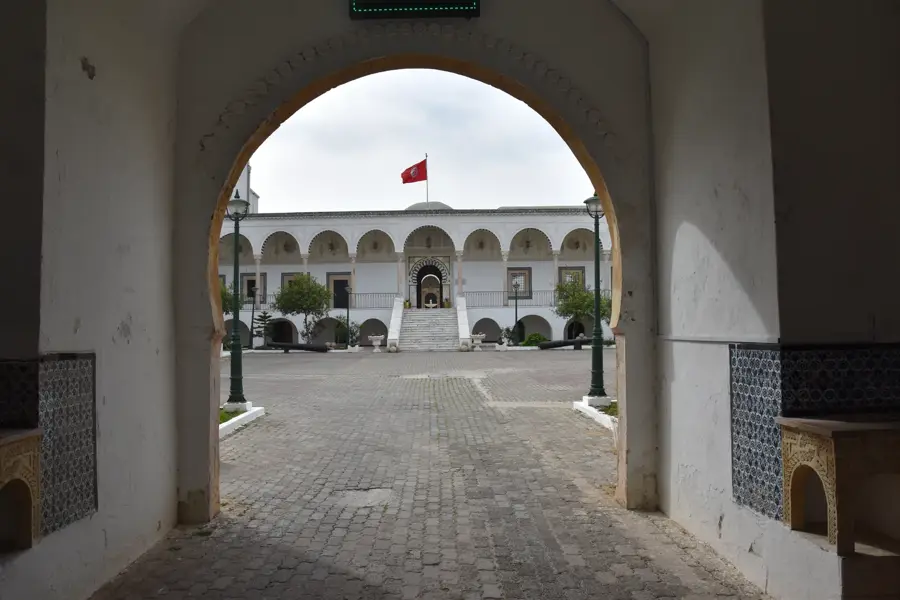
- Visit the Palace of the Rose (Palais de la Rose) which houses the National Military Museum, a unique historical site.
- When taking taxis, ensure the meter is used, and carry small dinar notes to avoid issues with change.
🍽 Food
Try this deep-fried pastry filled with egg and tuna, widely available at local fast-food stalls near the university.
Look for traditional Tunisian restaurants in the city center serving this hearty staple dish, especially on Fridays.
Pick up these sweet, date-filled pastries from bakeries along the main commercial streets.
🛍 Shopping · 🧘 Quiet spots
Browse the local markets for fresh produce, spices, and everyday items at lower prices than central Tunis.
Check local artisanal shops for traditional Tunisian ceramics, making excellent souvenirs.
A tranquil area within the campus, great for a relaxing walk away from the street noise.
The gardens surrounding this historic palace offer a peaceful setting for reflection.
Water temperature…
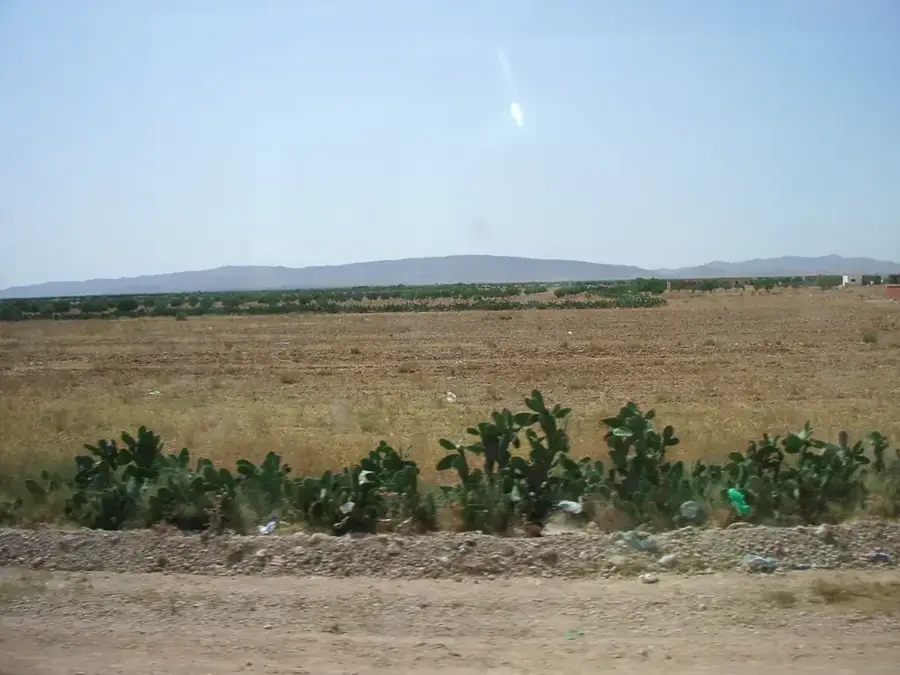
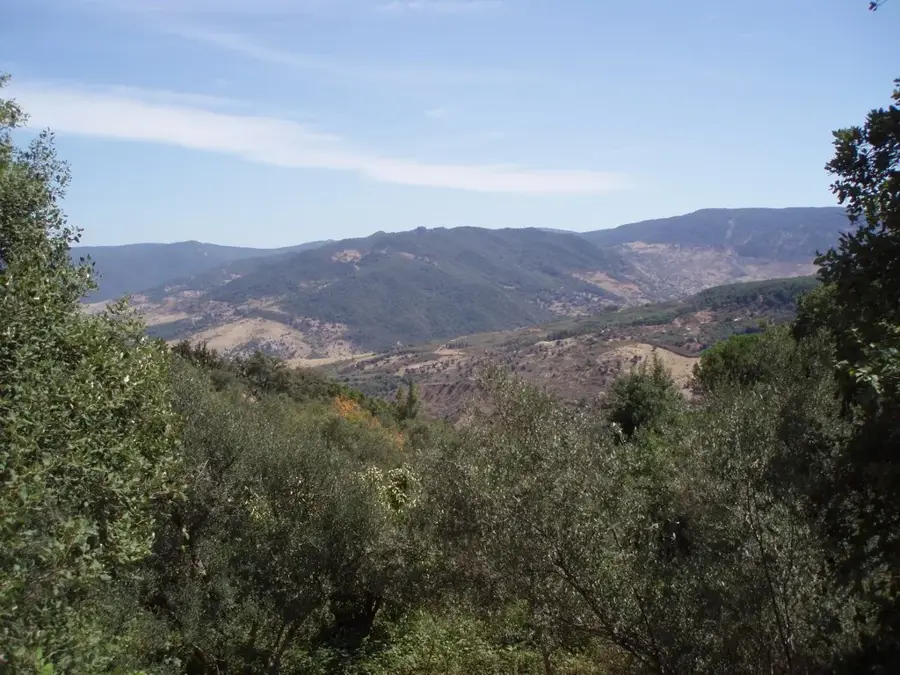
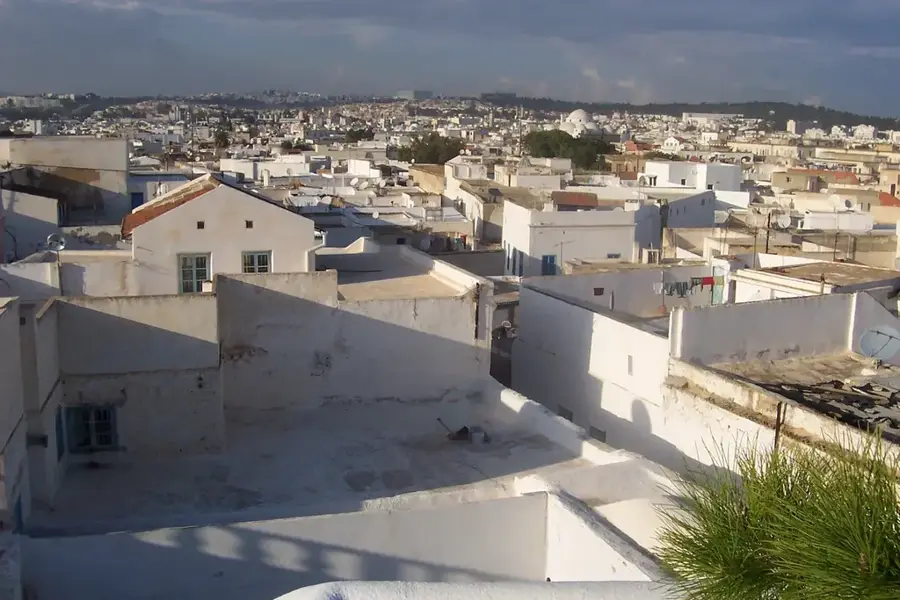
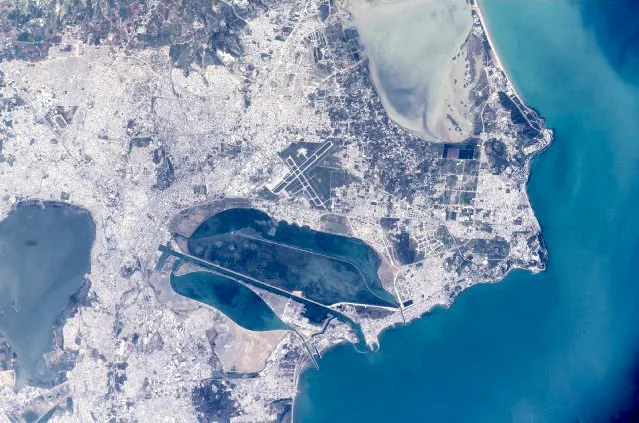
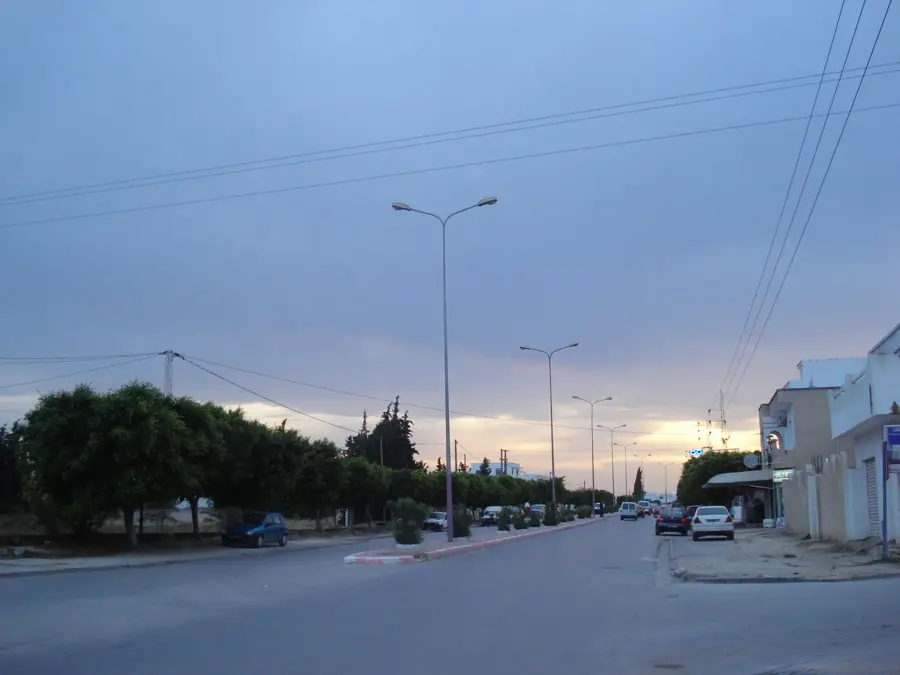
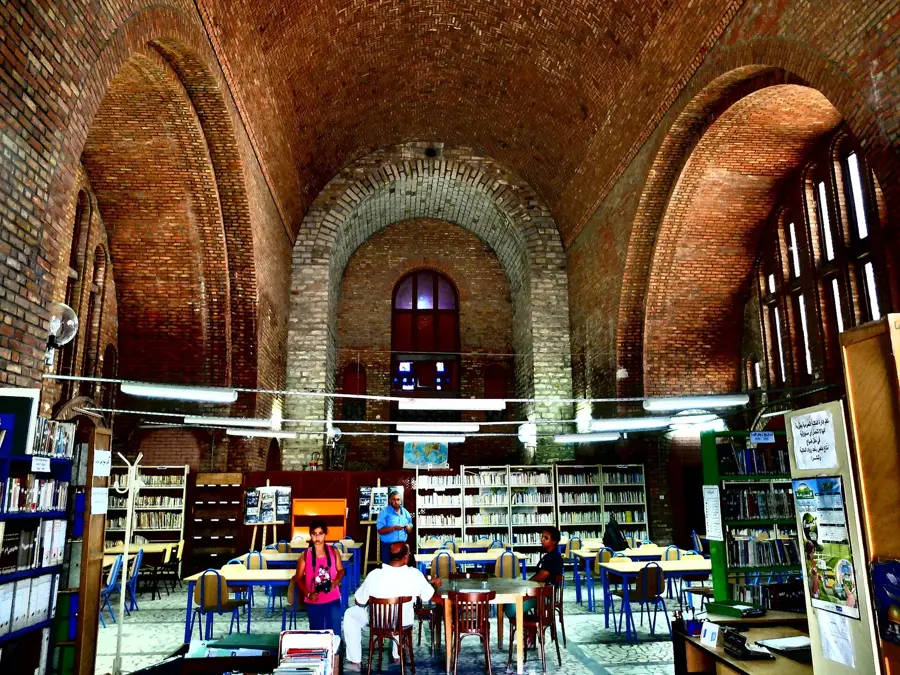
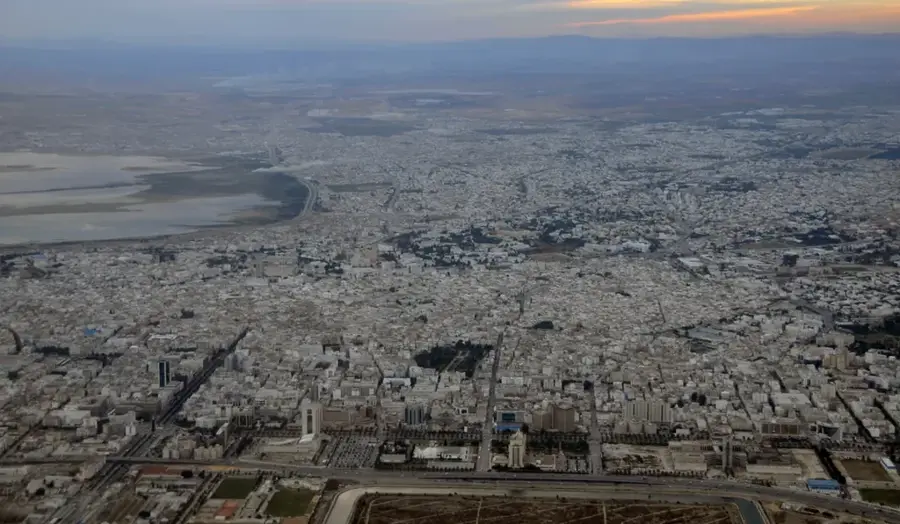
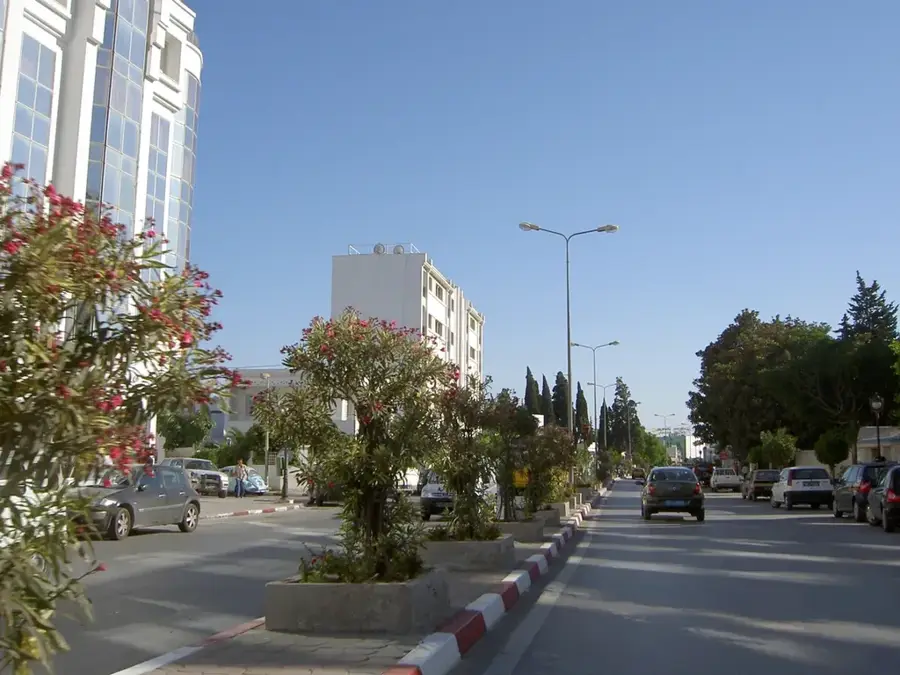
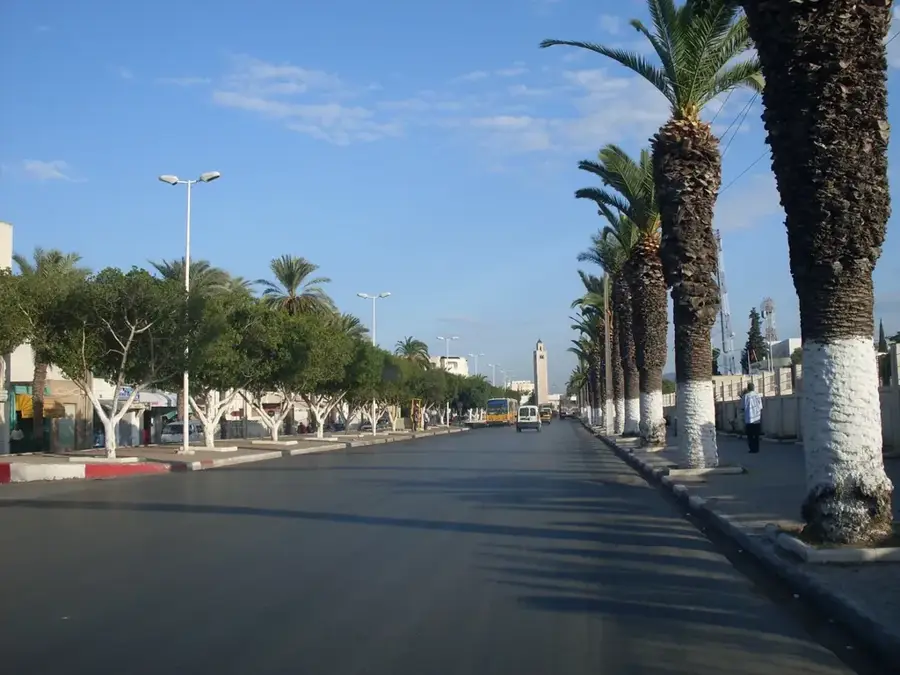
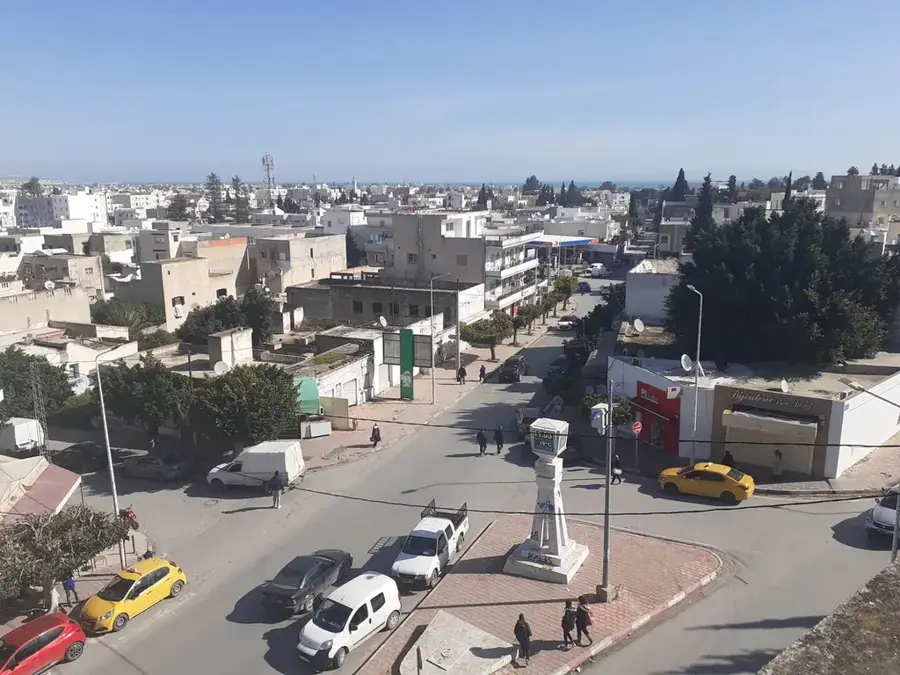
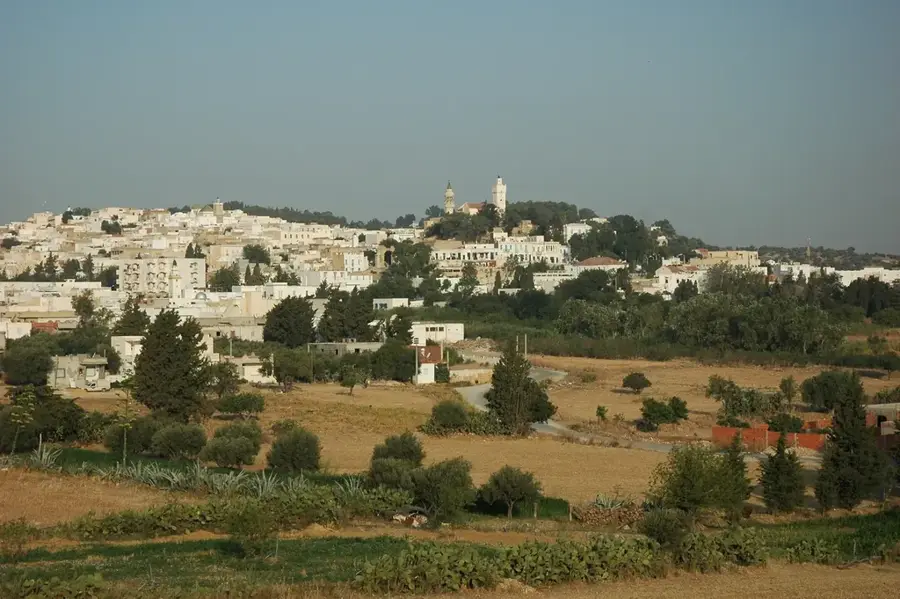
Manouba, located just northwest of the capital city of Tunis, is a distinguished urban center that harmoniously blends royal history with academic excellence. Historically referred to as the 'Garden City,' Manouba was the prestigious summer retreat for the Beys of Tunis and the Tunisian aristocracy during the 18th and 19th centuries. This period left behind a legacy of magnificent palaces and estates, most notably the Ksar Saïd Palace, which stands as a masterpiece of Ottoman-Tunisian architecture and now serves as a national museum. Geographically, the city lies in a fertile plain traditionally famous for its orchards and olive groves, which contributed significantly to the region's agricultural wealth before its transformation into a modern suburb. Today, Manouba is most recognized as Tunisia's premier university town, hosting the University of Manouba. The campus is a bustling hub for thousands of students specializing in humanities, letters, and press sciences, fostering a progressive and intellectual environment. The city is seamlessly integrated into the Greater Tunis transportation network via the light metro system, making it a convenient residential area for professionals working in the capital. Cultural attractions include the National Military Museum, housed in a historic palace, showcasing Tunisia's military evolution from the Carthaginian era to the modern day. As the administrative seat of the Manouba Governorate, the city plays a vital role in regional governance and industrial management. Despite its rapid urban expansion, Manouba retains a unique charm with its shaded boulevards and historic landmarks like 'Kobba Bent el Bey.' The city's ongoing development focuses on enhancing its educational facilities while protecting its architectural heritage, ensuring that it remains both a historical treasure and a forward-looking intellectual center for the Tunisian nation.
- Location: Tunisia
- Top sights: Lfirma · Darna · Al Azabi
- Nearby: Oued Ellil (6 km)
- Population: ~32.005 (2026)
Best time to visit & climate
The most pleasant time to visit is May, Jun, Oct.
| Jan | Feb | Mar | Apr | May | Jun | Jul | Aug | Sep | Oct | Nov | Dec | |
|---|---|---|---|---|---|---|---|---|---|---|---|---|
| Avg °C | 11 | 11 | 13 | 16 | 20 | 24 | 28 | 28 | 25 | 21 | 16 | 13 |
| Rain mm | 64 | 50 | 63 | 54 | 35 | 20 | 7 | 21 | 65 | 61 | 57 | 66 |
Geography
Facts
- Manouba became the capital of its namesake governorate in May 2000.
- The University of Manouba is a key center for the humanities and social sciences.
- Ksar Saïd Palace was a major residence for the Husainid dynasty rulers.
- The city is linked to central Tunis by the green line of the Light Metro (Line 4).
- The National Military Museum covers Tunisian history from Carthage to today.
- Historically, the area was known for its abundant olive and citrus production.
- Manouba hosts the prestigious Institute of Press and Information Sciences (IPSI).
- The city is home to several historic pavilions and 19th-century aristocratic villas.
Explore nearby
Notable places around
Route planner — Car & Motorhome
Where do you start? We build the route here, with stops and country notes along the way.
© OpenStreetMap contributors · OpenRouteService
Sights in the town Manouba (5)
Frequently asked questions
What is Manouba?
What is there to see?
Is it family-friendly?
How to travel there?
What is the best time?
Manouba: where is it located?
Manouba: what is there to see?
Manouba: when is the best time to visit?
Manouba: why is it worth visiting?

Nearby cities
History & landmarks
Nature
More places