Plizio Visual Lab
Chemtou Archaeological Site
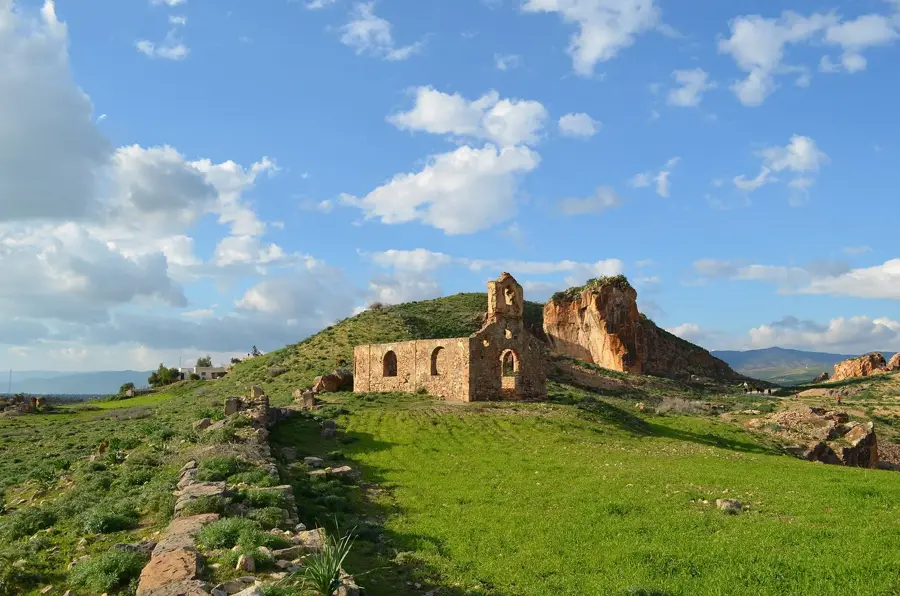
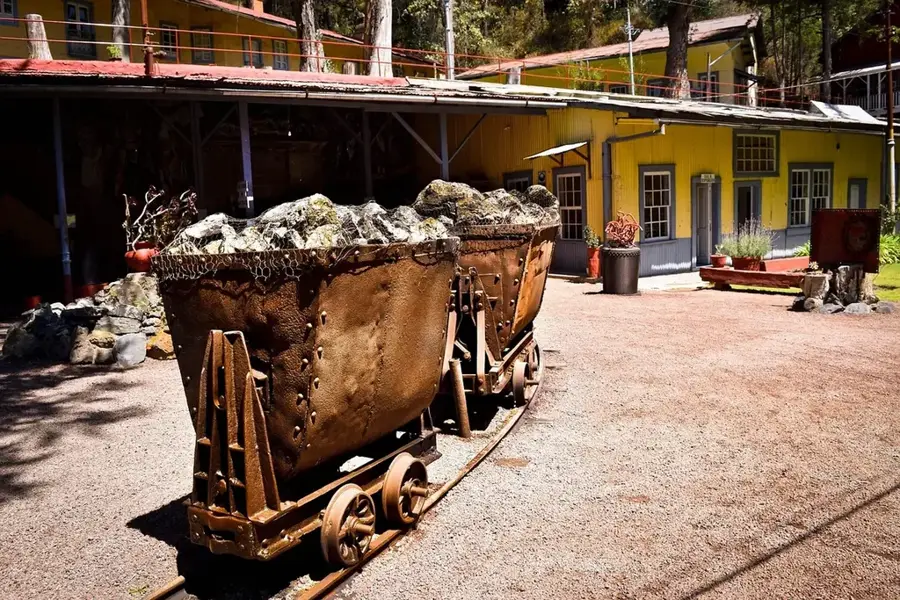
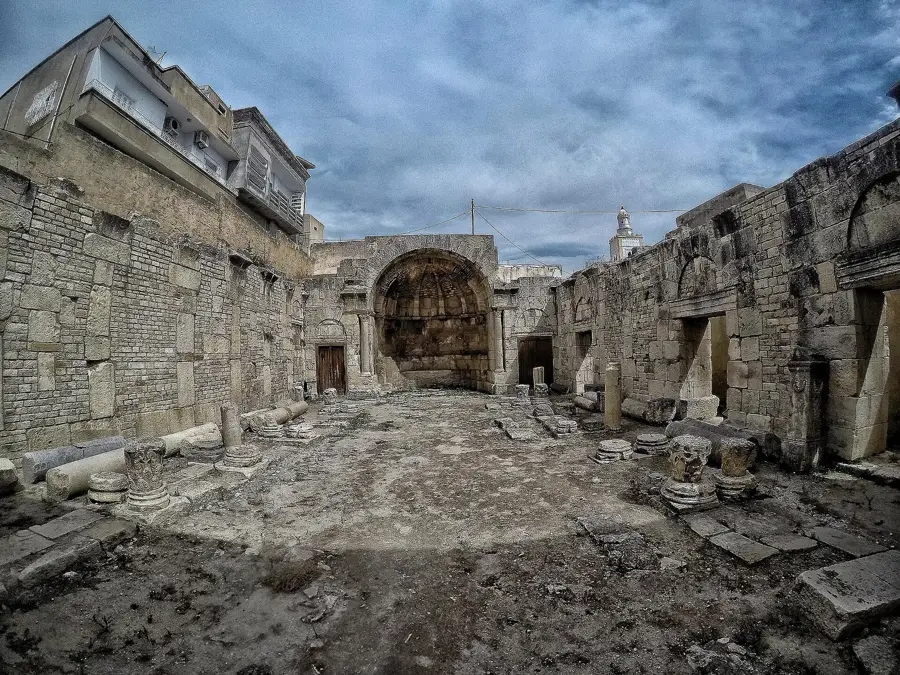
Chemtou, known in antiquity as Simitthus, is a significant archaeological site in northwestern Tunisia, located near the Algerian border. It is world-renowned for its quarries of 'Giallo Antico,' a highly prized yellow marble that was exported throughout the Roman Empire for use in prestigious monuments. Originally a Numidian settlement, the site came under Roman control in the 1st century BC and evolved into a bustling industrial center. At the summit of Djebel Chemtou lie the remains of a monumental Numidian sanctuary, which was later rededicated to Roman deities. The site also features an extraordinary complex of Roman water mills along the Medjerda River, regarded as one of the most advanced industrial systems of the ancient world. A modern on-site museum, established in collaboration with the German Archaeological Institute, displays spectacular finds and illustrates ancient marble extraction techniques. The ruins also encompass a theater, a forum, and public baths, all reflecting the immense wealth generated by the city's marble exports.
- Location: Tunisia
- Top sights: Site Antique Sidi Ali ben Abdallah · Chemtou: Roman bridge · Chemtou: Rock reliefs
- Nearby: Hammam Bourguiba (30 km)
Best time to visit & climate
The most pleasant time to visit is May, Jun, Sep.
| Jan | Feb | Mar | Apr | May | Jun | Jul | Aug | Sep | Oct | Nov | Dec | |
|---|---|---|---|---|---|---|---|---|---|---|---|---|
| Avg °C | 9 | 9 | 12 | 15 | 19 | 24 | 27 | 27 | 23 | 19 | 13 | 10 |
| Rain mm | 97 | 77 | 83 | 65 | 43 | 18 | 8 | 23 | 57 | 66 | 76 | 96 |
📋 Practical info
Geography
Facts
- Chemtou was the Empire's primary source for precious 'Giallo Antico' marble.
- The hilltop Numidian sanctuary dates back to the 2nd century BC.
- The quarries were the private property of Roman emperors, including Hadrian.
- A massive Roman bridge over the Medjerda was used to transport marble blocks.
- The Chemtou Museum opened in 1993 and is noted for its award-winning architecture.
- Archaeologists found labor camps capable of housing up to 1,500 quarry workers.
Explore nearby
Notable places around
Route planner — Car & Motorhome
Where do you start? We build the route here, with stops and country notes along the way.
© OpenStreetMap contributors · OpenRouteService
Sights in the town Chemtou Archaeological Site (4)
Sights nearby
Frequently asked questions
What is Chemtou known for?
Is there a museum?
How much time should I plan?
Is the path arduous?
When is the best time to visit?
Chemtou Archaeological Site: where is it located?
Chemtou Archaeological Site: what is there to see?
Chemtou Archaeological Site: when is the best time to visit?
Chemtou Archaeological Site: why is it worth visiting?

Nearby cities

Nature
More places