Plizio Visual Lab
Nomuka Blue Lagoon
Weather…
Water temperature…
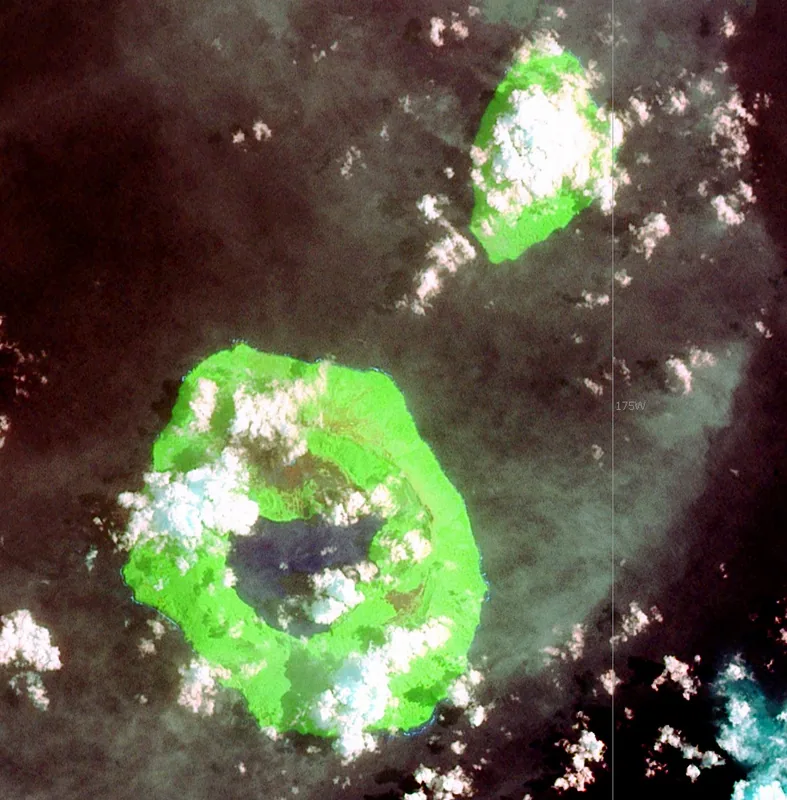
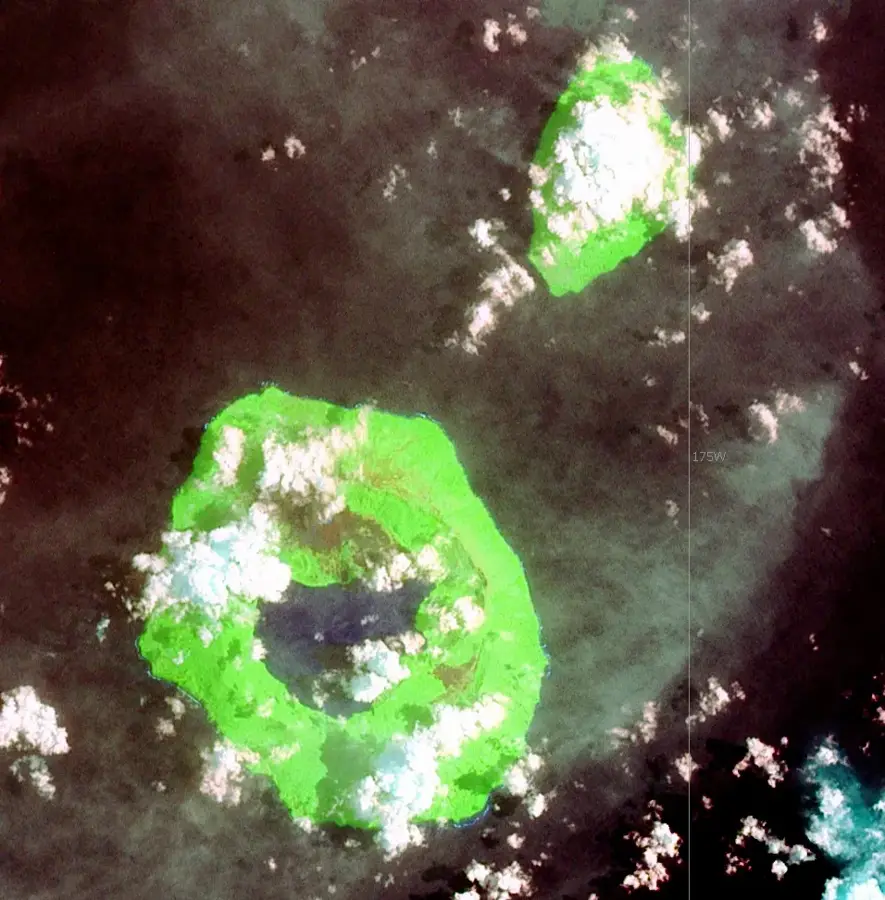
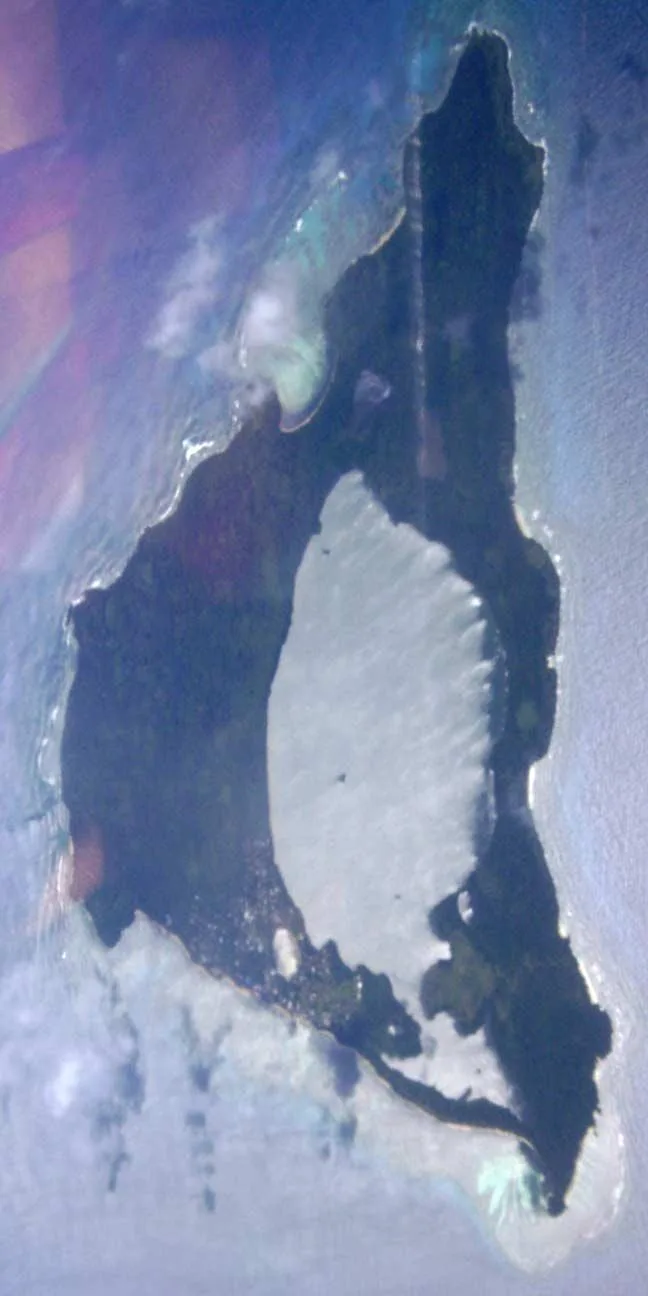
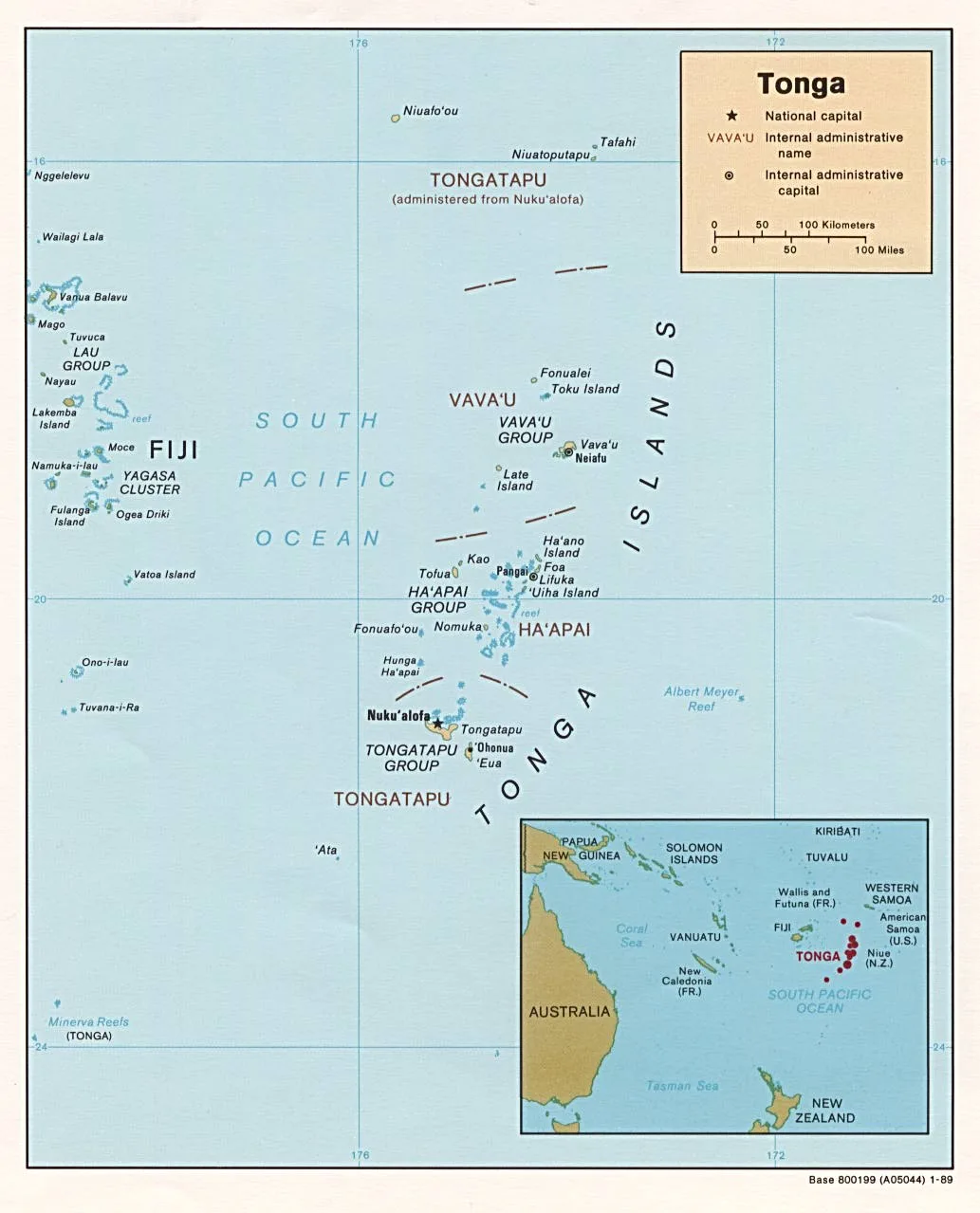
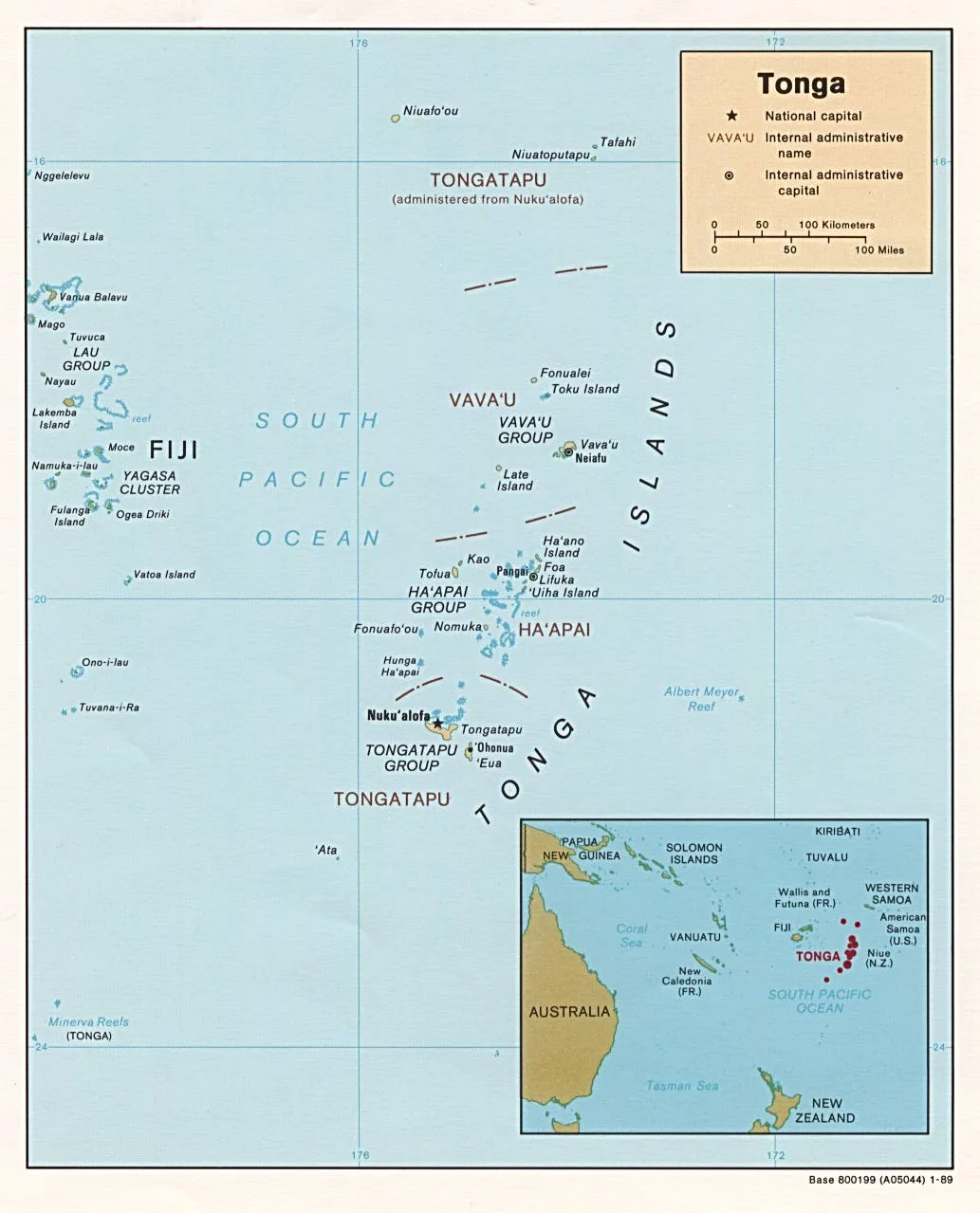
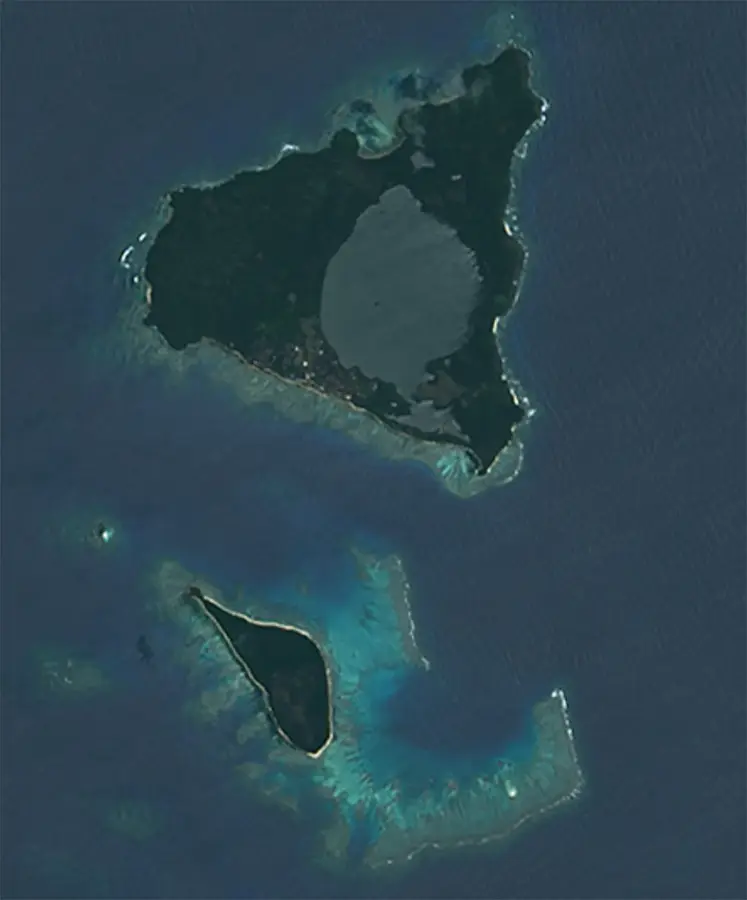
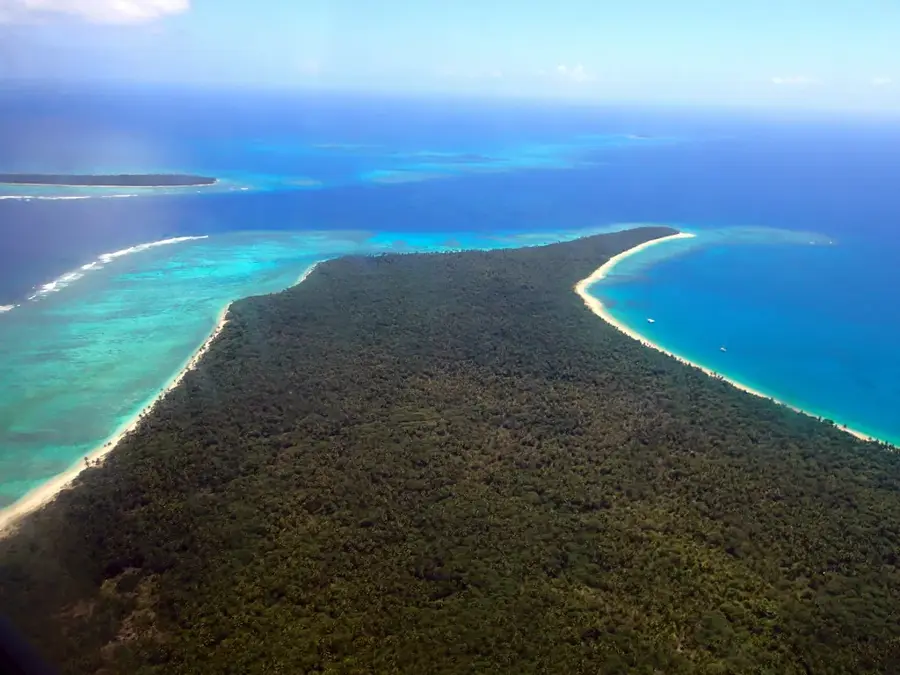
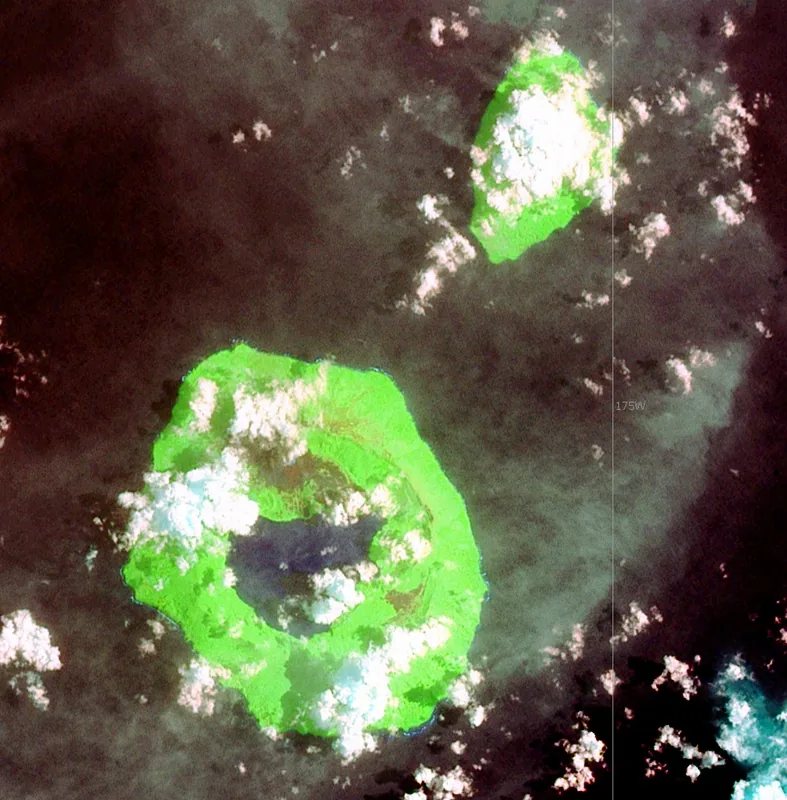
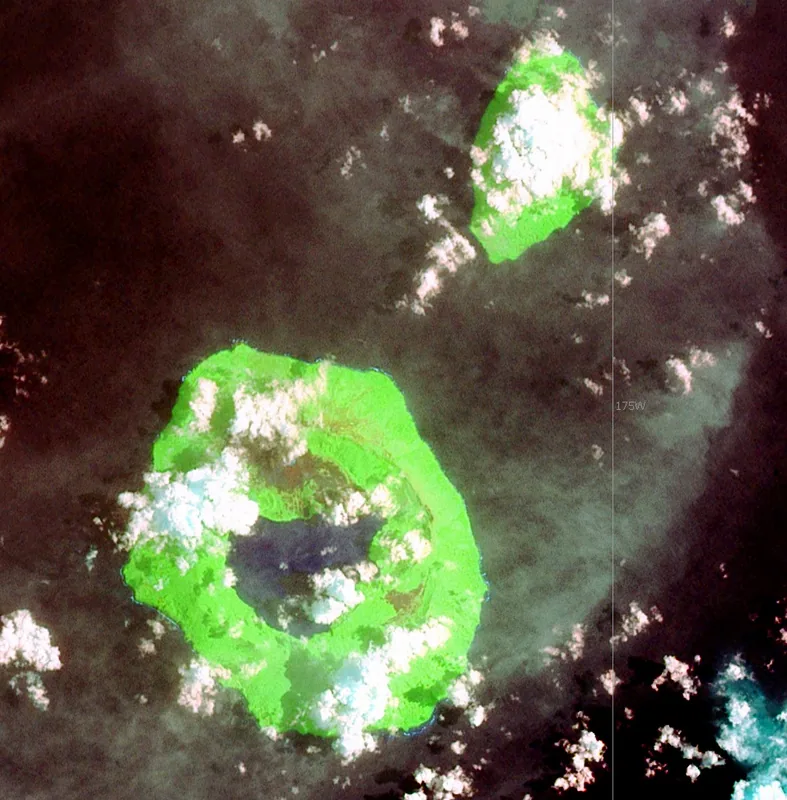
The Nomuka Blue Lagoon is a prominent geographic feature located on Nomuka Island in the southern Ha'apai group. This large inland saltwater lagoon is encircled by dense coastal forests and represents a tranquil ecosystem distinct from the open sea. Historically, Nomuka served as a crucial landfall for early European explorers, including Abel Tasman in 1643 and Captain James Cook, who sought fresh water and supplies from the island's inhabitants. The lagoon's formation is tied to the island's volcanic history, and it hosts specialized marine flora and fauna adapted to the restricted water exchange with the ocean. The surrounding land features fertile soils enriched by volcanic ash, which support lush tropical vegetation. Today, Nomuka remains an important site for understanding early Polynesian navigation and the historical interaction between Pacific islanders and the first Western voyagers who arrived in these waters.
- Location: Tonga
- Nearby: Hihifo (69 km)
Best time to visit & climate
The most pleasant time to visit is Jul–Sep.
| Jan | Feb | Mar | Apr | May | Jun | Jul | Aug | Sep | Oct | Nov | Dec | |
|---|---|---|---|---|---|---|---|---|---|---|---|---|
| Avg °C | 27 | 27 | 27 | 27 | 25 | 25 | 24 | 23 | 24 | 24 | 25 | 26 |
| Rain mm | 213 | 212 | 197 | 180 | 114 | 107 | 61 | 76 | 81 | 101 | 116 | 142 |
📋 Practical info
Geography
Facts
- Large inland saltwater lagoon
- Visited by Abel Tasman in 1643
- Resupply point for Captain James Cook
- Volcanic ash enriches the local soil
- Part of the southern Ha'apai group
- Key site in Pacific maritime history
Explore nearby
Notable places around

Route planner — Car & Motorhome
Where do you start? We build the route here, with stops and country notes along the way.
© OpenStreetMap contributors · OpenRouteService
Sights in the town Nomuka Blue Lagoon (1)
Sights nearby
Frequently asked questions
Is the Nomuka Blue Lagoon good for families?
Do you have to pay for entry?
Are there dining options there?
Is the beach very crowded?
What's the best way to get to the lagoon?
Nomuka Blue Lagoon: where is it located?
Nomuka Blue Lagoon: when is the best time to visit?
Nomuka Blue Lagoon: why is it worth visiting?
Nearby cities
History & landmarks
Nature
More places