Plizio Visual Lab
Faleloa
ℹ️Practical info — Faleloa
▾
🌤 Weather — 5 days
📍 Nearby
Sights nearby
💡 Tips
- Renting a bicycle in nearby Pangai is the best way to explore Faleloa and the rest of Foa Island.
- Be mindful of pigs roaming freely across the island roads.
- There is a causeway connecting Foa to Lifuka, making it easy to cross between the islands without a boat.
- Stock up on snacks before heading to the northern tip of the island, as shops are scarce.
🍽 Food
Try this raw fish salad marinated in citrus juice and coconut milk at a local guesthouse on Foa.
Some beach accommodations host traditional Tongan feasts; ask locally if any are scheduled during your stay.
Stop by small roadside stalls where locals might sell freshly harvested coconuts for drinking.
🛍 Shopping · 🧘 Quiet spots
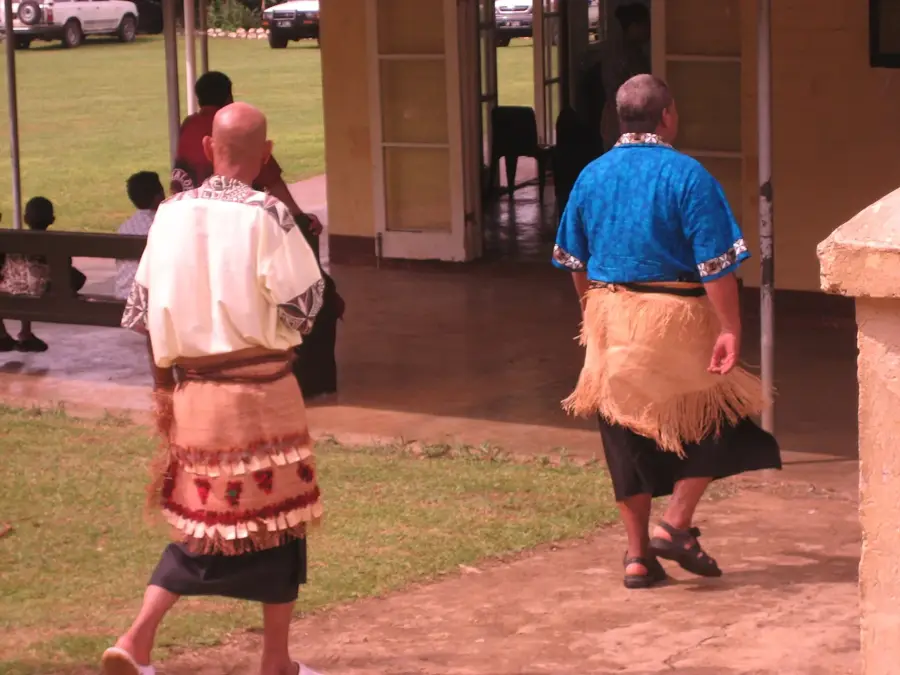
You might find women weaving tapa cloth or pandanus mats; always ask politely before watching or inquiring to buy.
Head across the causeway to Pangai for a wider selection of fresh produce and simple island groceries.
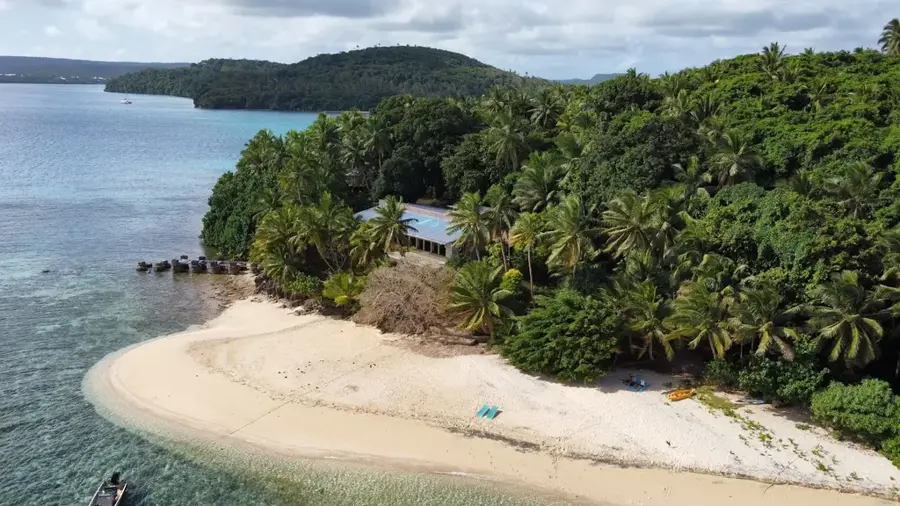
Walk towards the northern tip of Foa for pristine, often completely deserted white sand beaches.
The western side of the village gives tranquil waters well-suited for a quiet afternoon swim or snorkeling.
Water temperature…
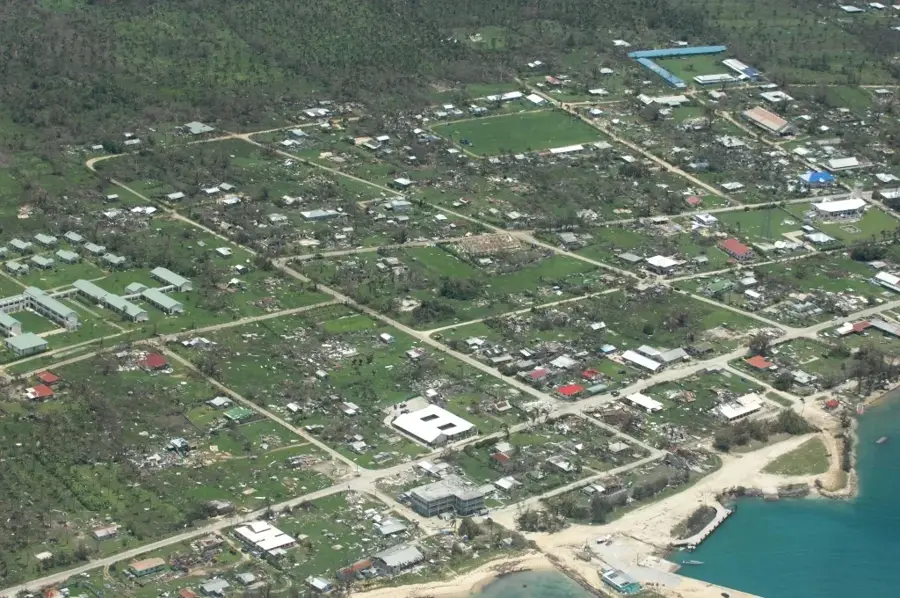
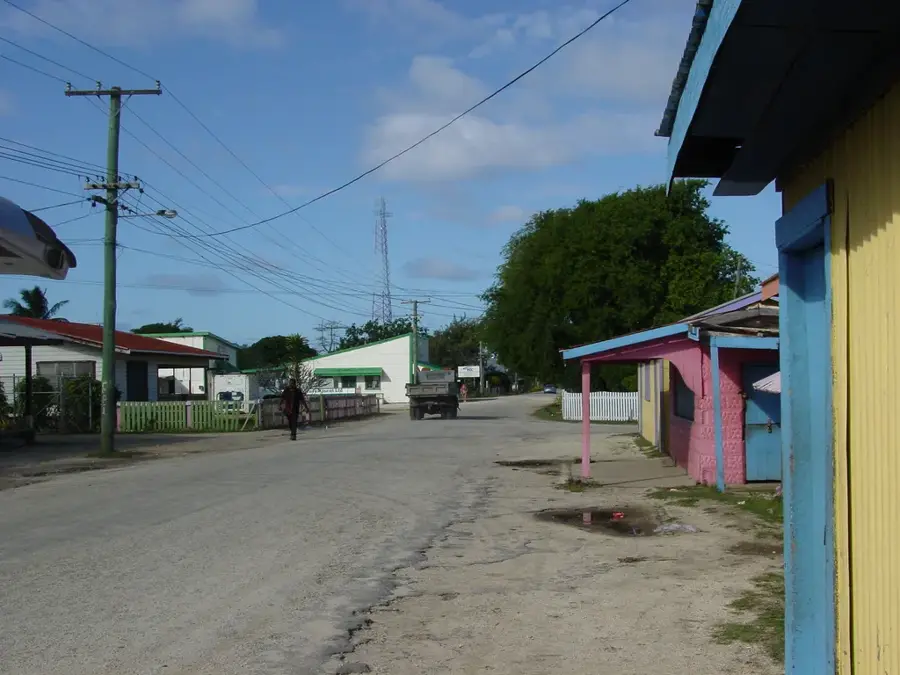
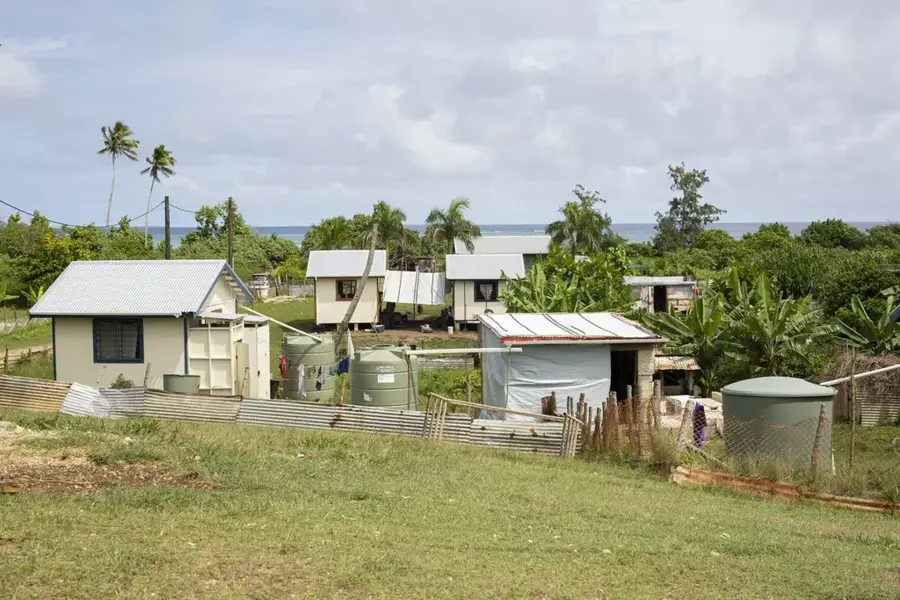
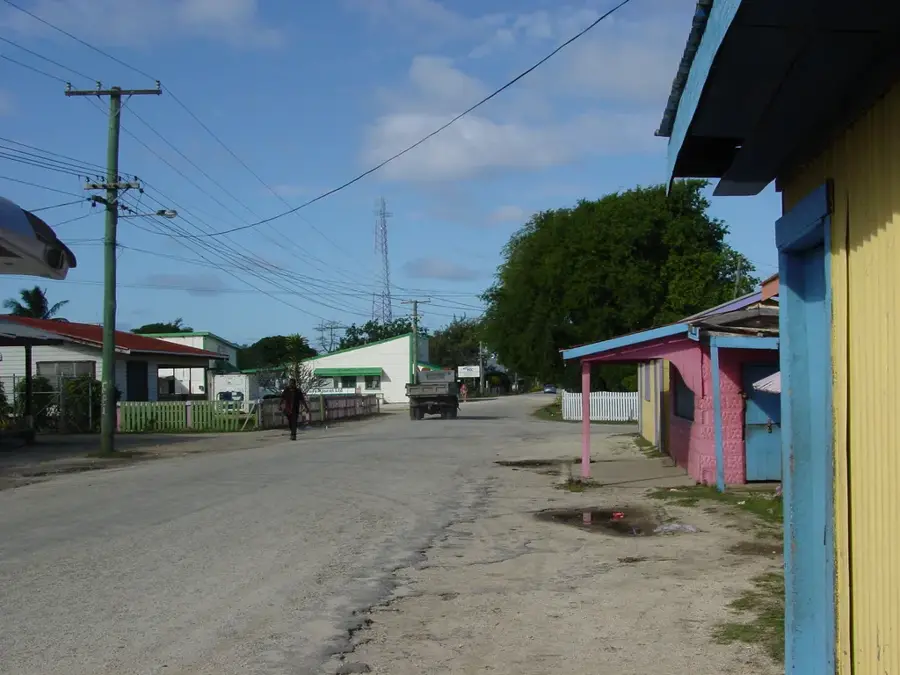
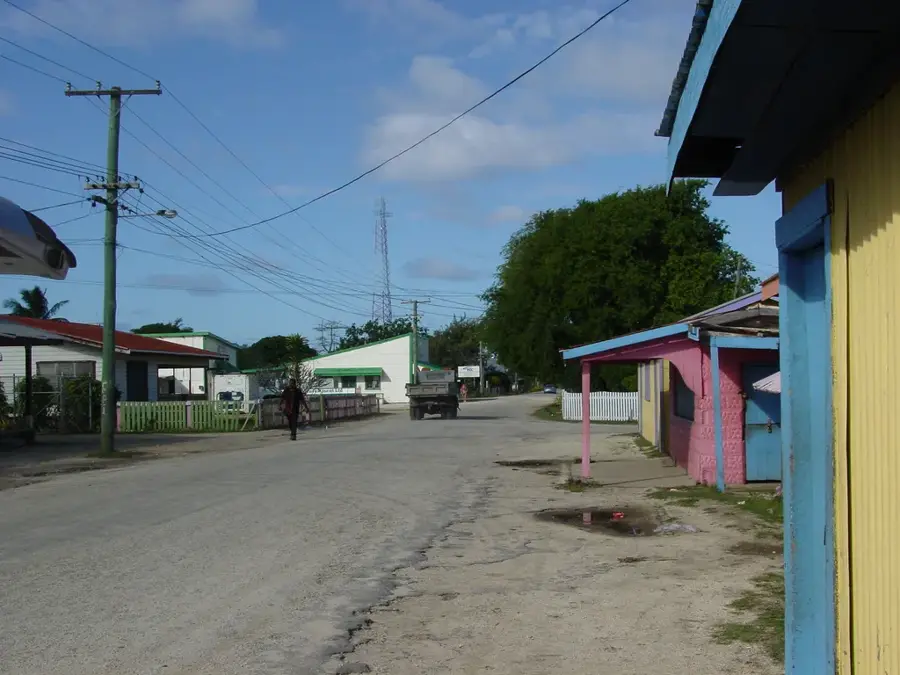
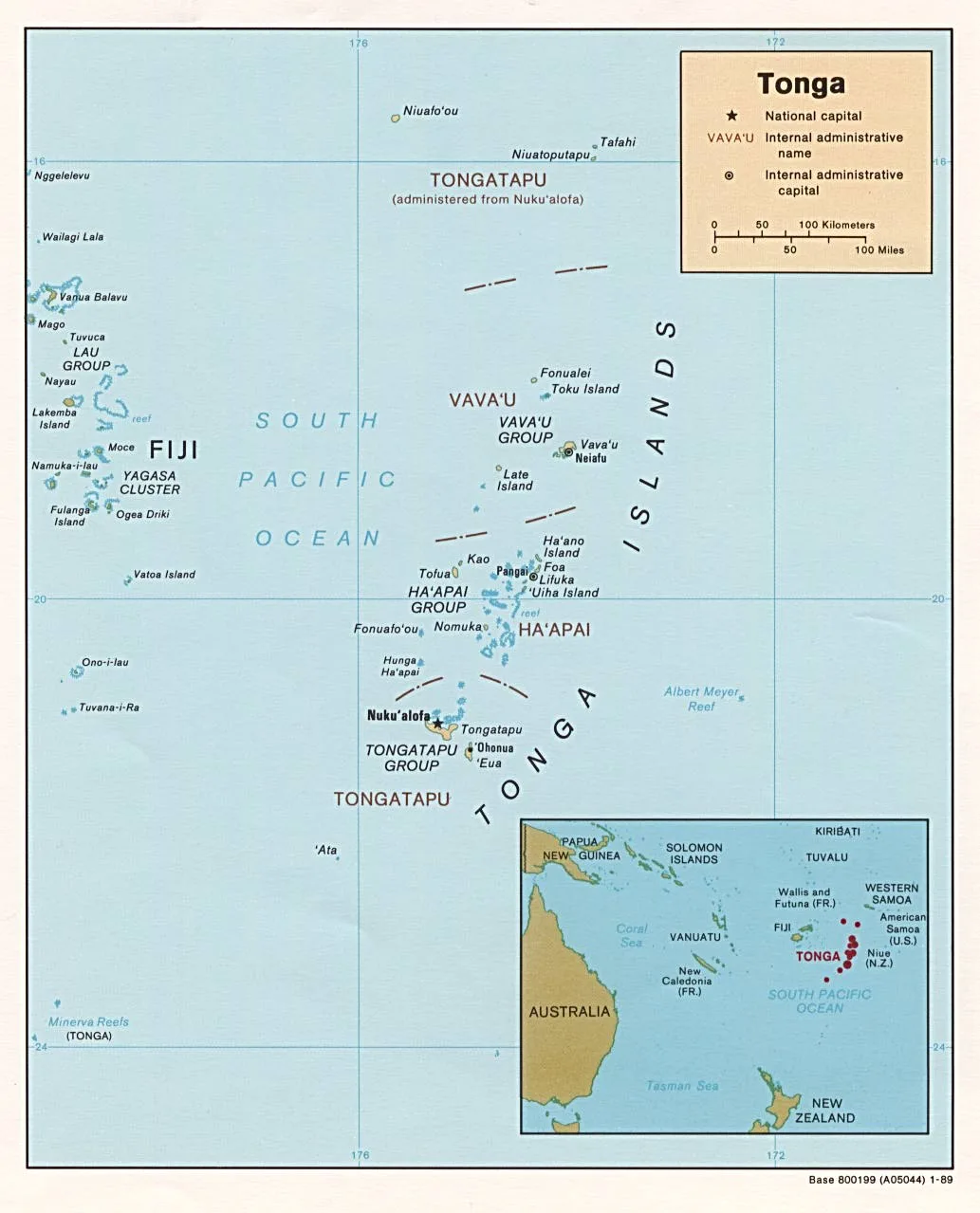
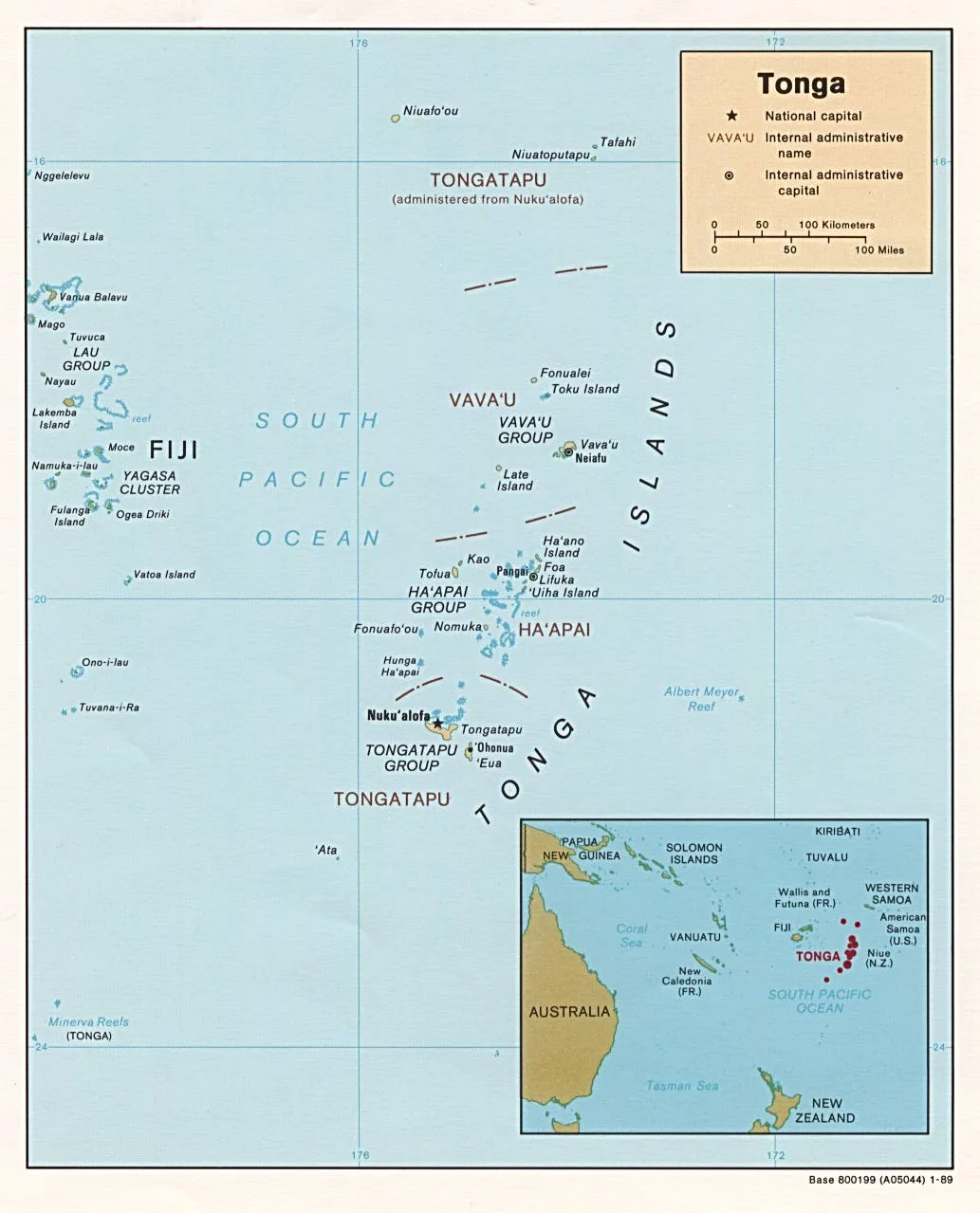
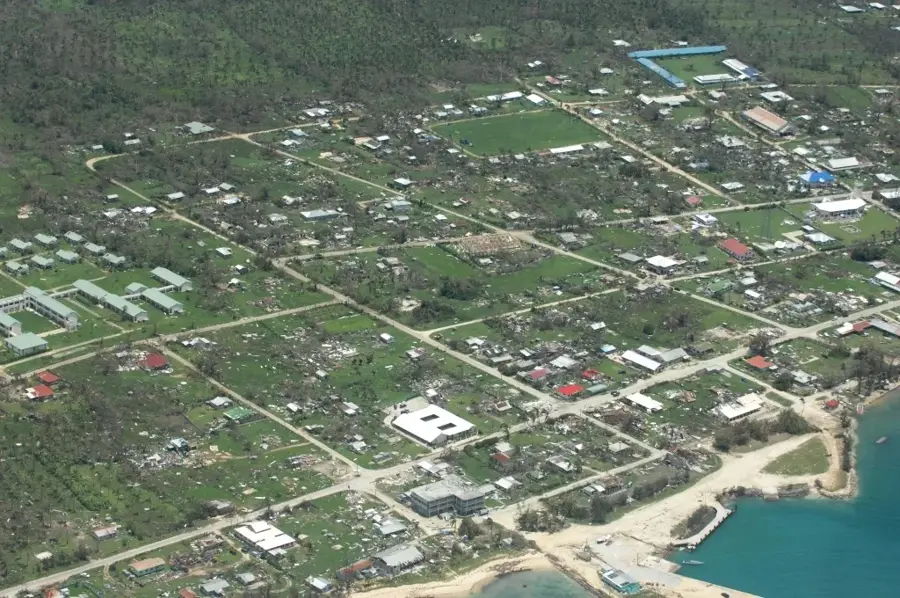
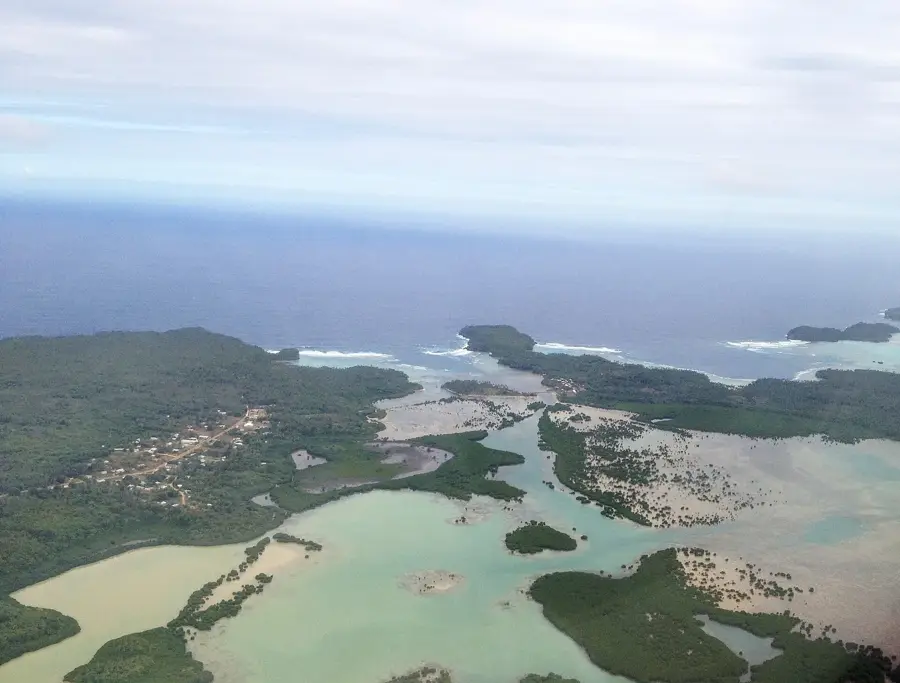
Faleloa is the northernmost village on Foa Island in the Haʻapai group of Tonga. It marks the terminus of the road that connects Foa to the neighboring island of Lifuka via a causeway. Faleloa is celebrated for its pristine white sand beaches and its proximity to some of the finest snorkeling and diving spots in the region. The village's history is deeply rooted in maritime activities, as it traditionally served as a jumping-off point for voyages to the more northerly islands of Haʻapai. The residents are known for their hospitality and a traditional way of life that remains centered around the sea. In addition to fishing, copra production is a significant economic activity for the local population. The village is enveloped by coconut groves that dominate the landscape. Faleloa is home to several small churches that serve as the spiritual heart of the community. The relative seclusion of the village features visitors a unique chance to experience the tranquility and natural splendor of central Tonga. It is a place where life moves at a gentle pace, deeply connected to the rhythm of the Pacific.
- Location: Tonga
- Nearby: Fangaleʻounga (4 km)
- Population: ~2.016 (2022)
Best time to visit & climate
The most pleasant time to visit is Jul–Sep.
| Jan | Feb | Mar | Apr | May | Jun | Jul | Aug | Sep | Oct | Nov | Dec | |
|---|---|---|---|---|---|---|---|---|---|---|---|---|
| Avg °C | 27 | 27 | 27 | 27 | 26 | 25 | 24 | 24 | 24 | 25 | 25 | 26 |
| Rain mm | 220 | 207 | 188 | 177 | 118 | 111 | 55 | 73 | 89 | 107 | 125 | 146 |
Geography
Facts
- The northernmost point on Foa Island.
- The terminus of the main road originating from Lifuka.
- A significant local hub for copra production.
- Famous for its pristine white coral sand beaches.
- Launch point for boat trips to uninhabited northern islands.
- Home to traditional Tongan fishing communities.
Explore nearby
Notable places around

Route planner — Car & Motorhome
Where do you start? We build the route here, with stops and country notes along the way.
© OpenStreetMap contributors · OpenRouteService
Frequently asked questions
How long to stay in Faleloa?
When is the weather ideal?
How do I get to Faleloa?
What should you try here?
Is it suitable for families?
Faleloa: where is it located?
Faleloa: when is the best time to visit?
Faleloa: why is it worth visiting?

Nearby cities
History & landmarks

Nature

More places