Plizio Visual Lab
Fangaleʻounga
ℹ️Practical info — Fangaleʻounga
▾
🌤 Weather — 5 days
📍 Nearby
Sights nearby
💡 Tips
- Ha'ano is only accessible by a short boat ride from Foa; arrange your transport with a local fisherman or guesthouse in advance.
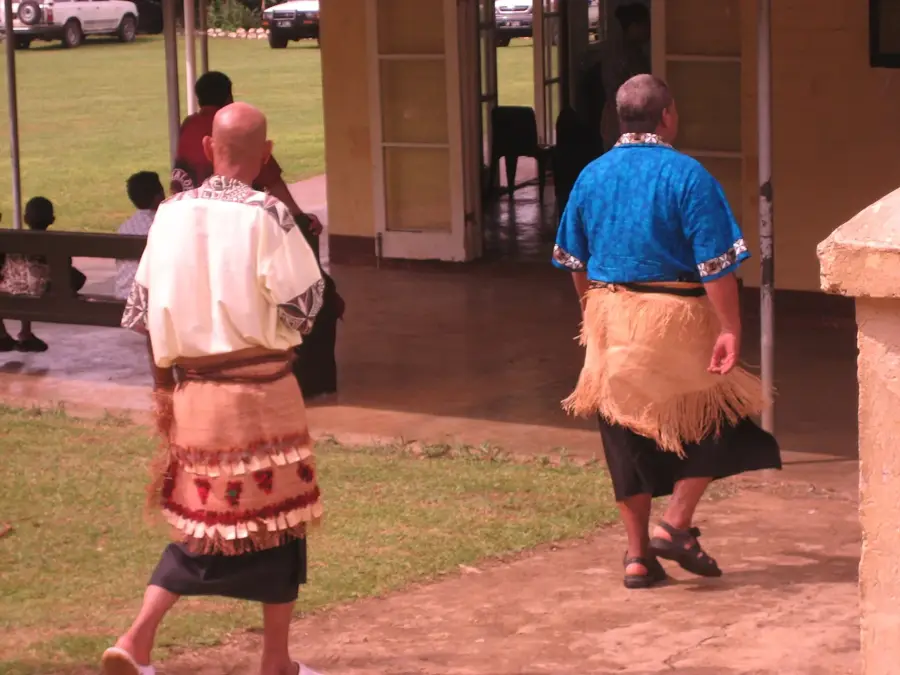
- Dress modestly while walking through the village, keeping shoulders and knees covered as per local custom.
- Sunday is strictly a day of rest; no shops will be open and noise should be kept to a minimum.
- Bring your own snorkeling gear as there are no rental shops on the island.
🍽 Food
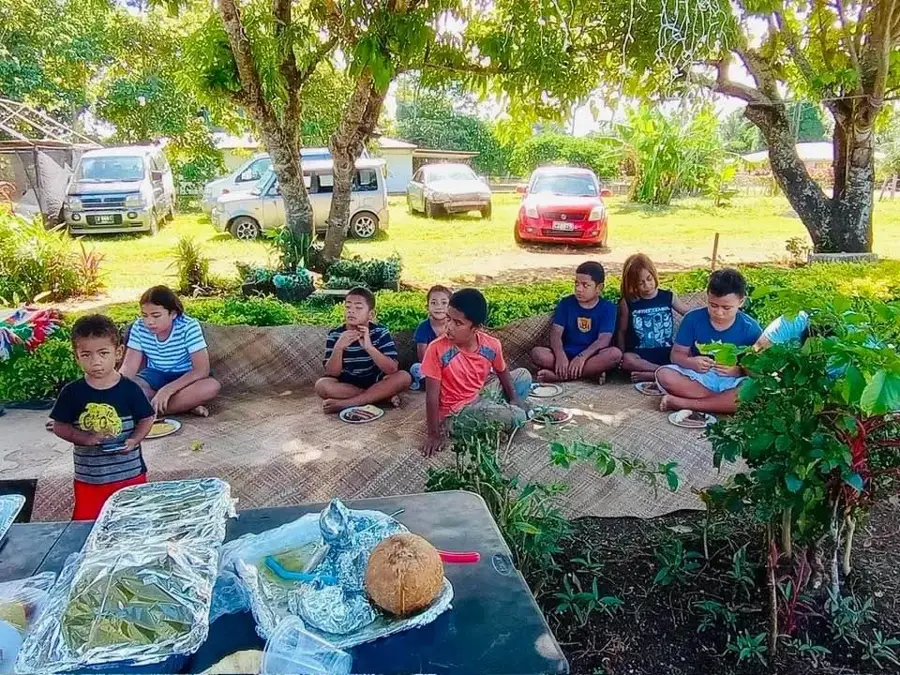
If invited by locals or at a special church event, you might get to try root vegetables and meats baked in a traditional umu.
Locals often hunt for octopus on the reefs at low tide; you might find it served fresh at community gatherings.
Pick up locally grown, sweet bananas directly from village growers as a healthy snack.
🛍 Shopping · 🧘 Quiet spots
Small, unmarked house-front kiosks may sell basic necessities like bottled water or biscuits, but selection is minimal.
Ha'ano is known for a slower pace where traditional crafts thrive; inquire respectfully if any families have pieces for sale.
The open space near the local church features a quiet, shaded place to rest and observe local island life.
Walk to the eastern side of the island at low tide for peaceful beachcombing along the exposed reef flats.
Water temperature…
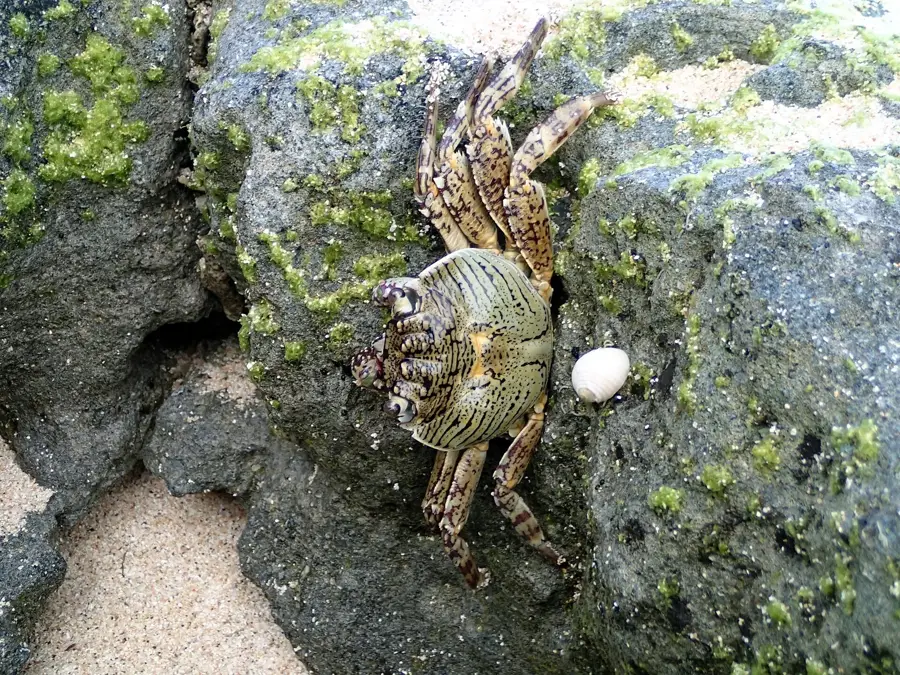
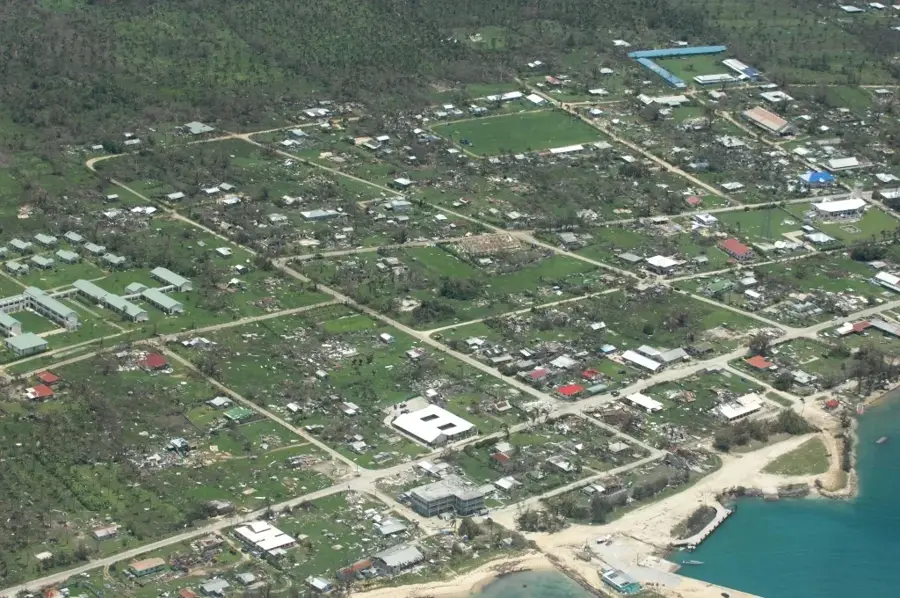
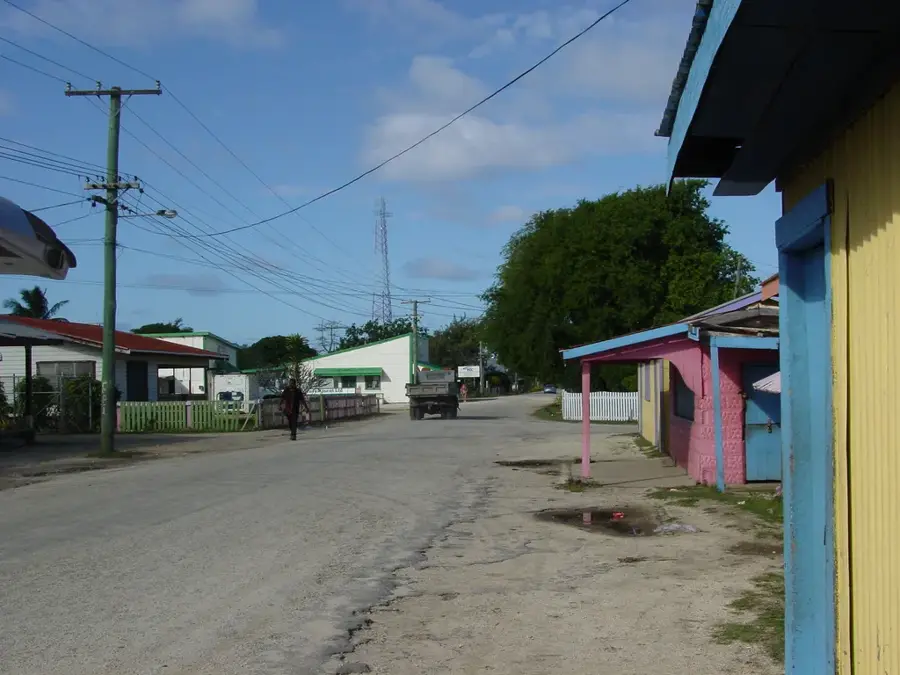
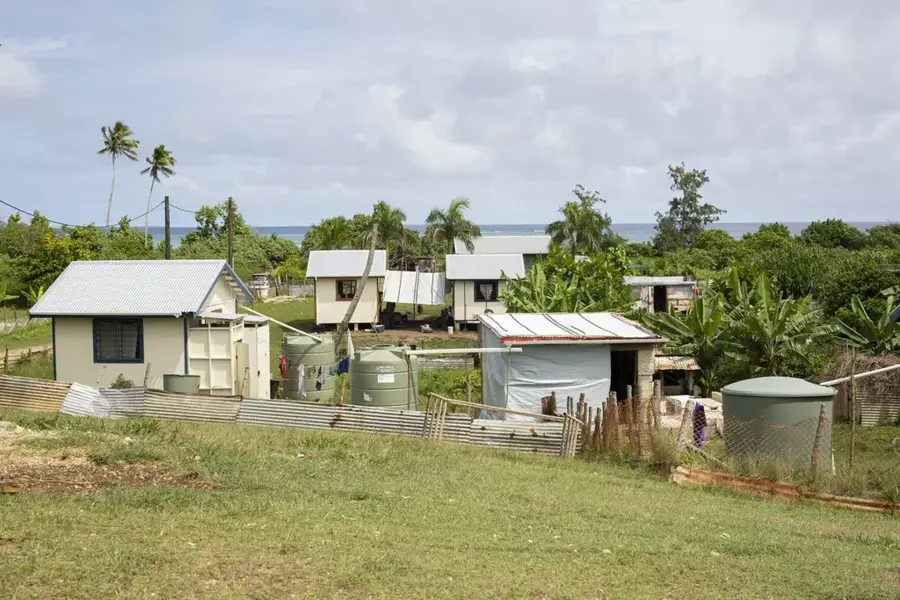
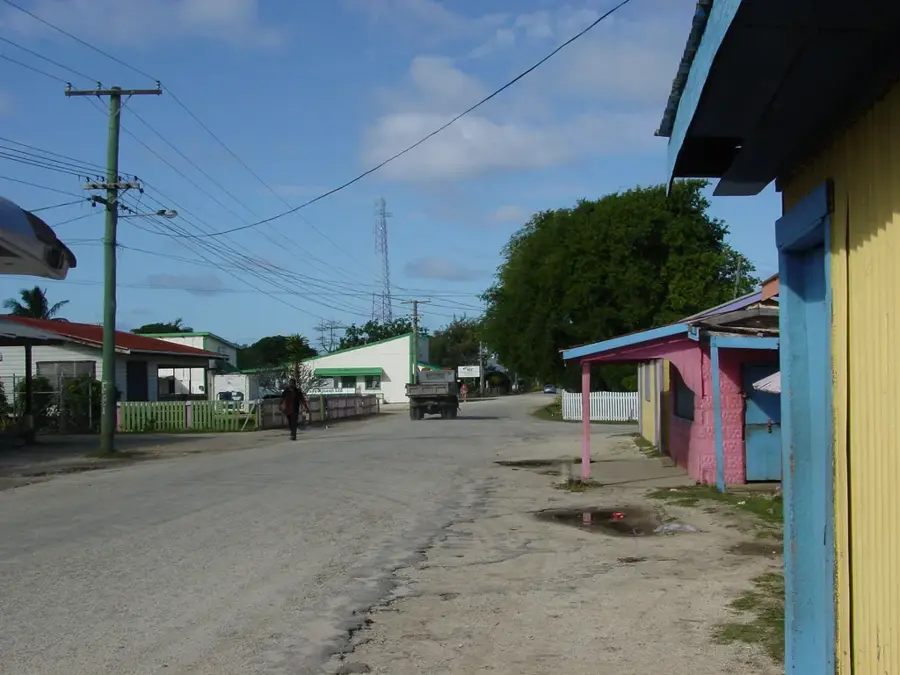
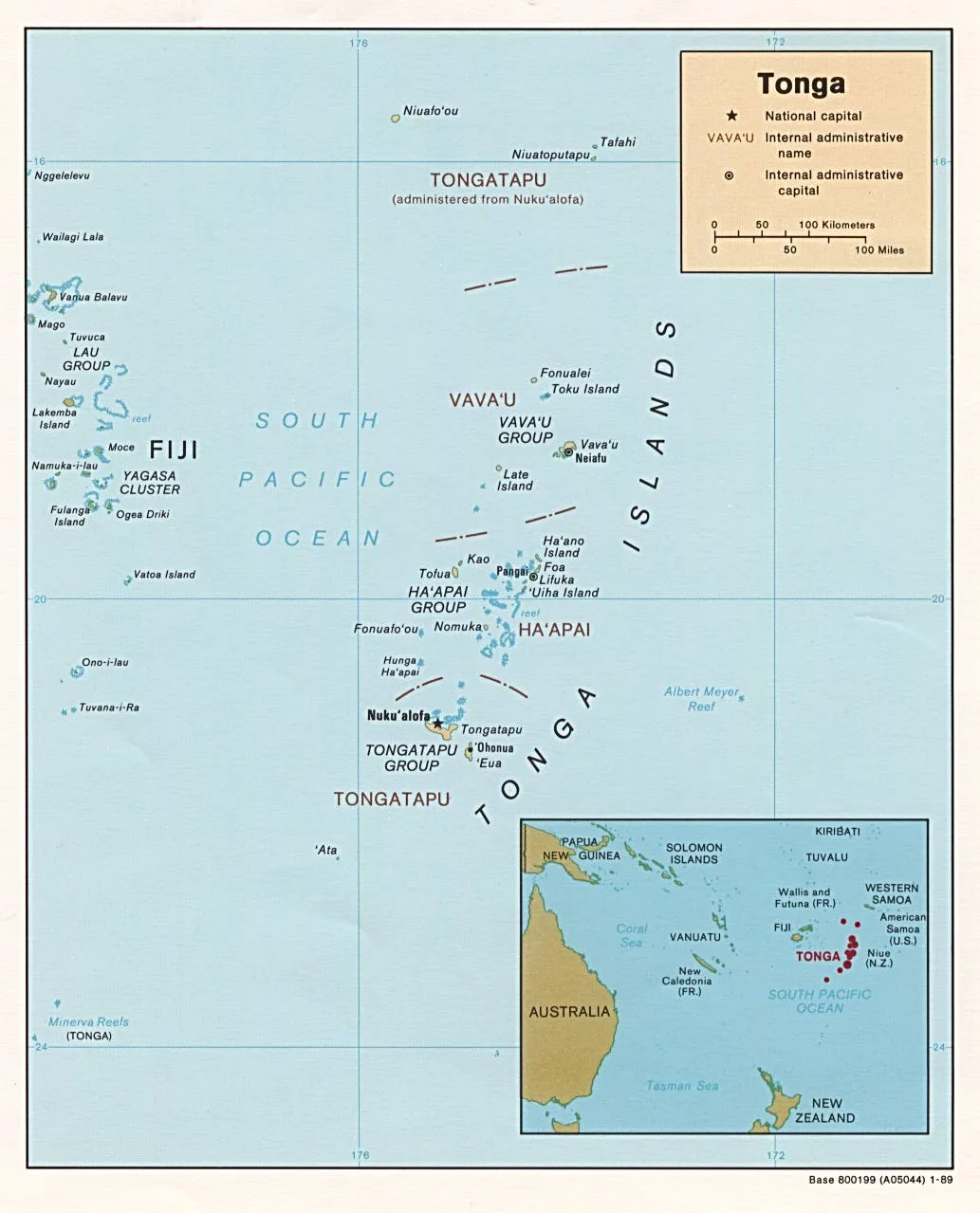
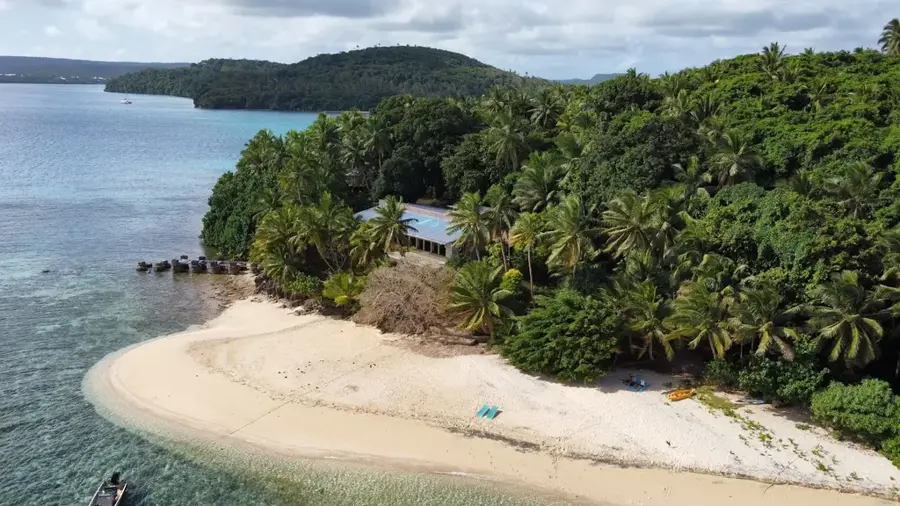
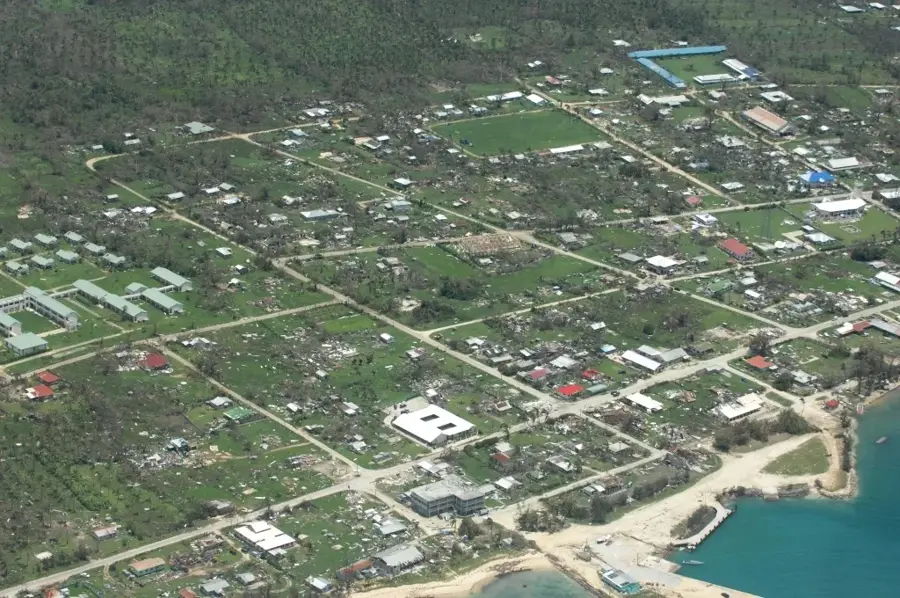
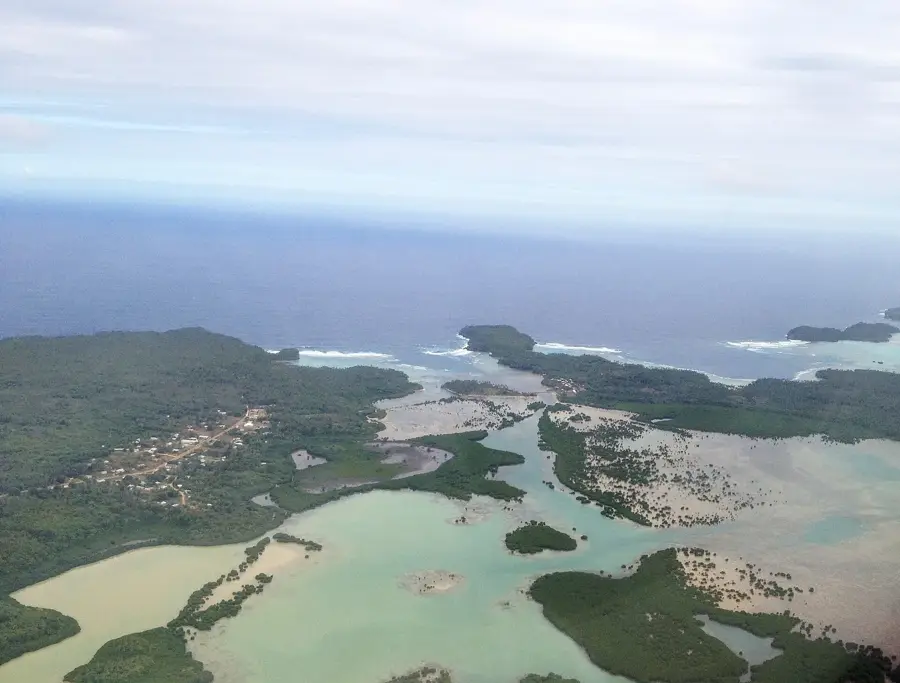
Fangaleʻounga is a pretty village located on the western coast of Foa Island in Tonga. It is located in a sheltered bay that gives the village its name, which translates roughly to 'the sandy beach of crabs.' The settlement is renowned for its calm lagoon waters, providing good conditions for traditional net fishing and the gathering of shellfish. Economically, the village is deeply tied to agriculture, with surrounding fields producing high-quality tropical fruits and vegetables for local markets. A defining aspect of Fangaleʻounga is its strong community spirit, prominently displayed through shared religious activities and village festivals. The architecture features a mix of traditional fale and more contemporary structures, harmoniously integrated into the lush tropical surroundings. Historically, the area was a significant site for quarrying limestone, which was used in the construction of ancient Tongan monuments. Visitors admire Fangaleʻounga for its authentic atmosphere and the chance to witness an unhurried island lifestyle far from the main tourist paths. The village stands as a prime example of the sustainable way of life that Haʻapai residents have practiced for generations.
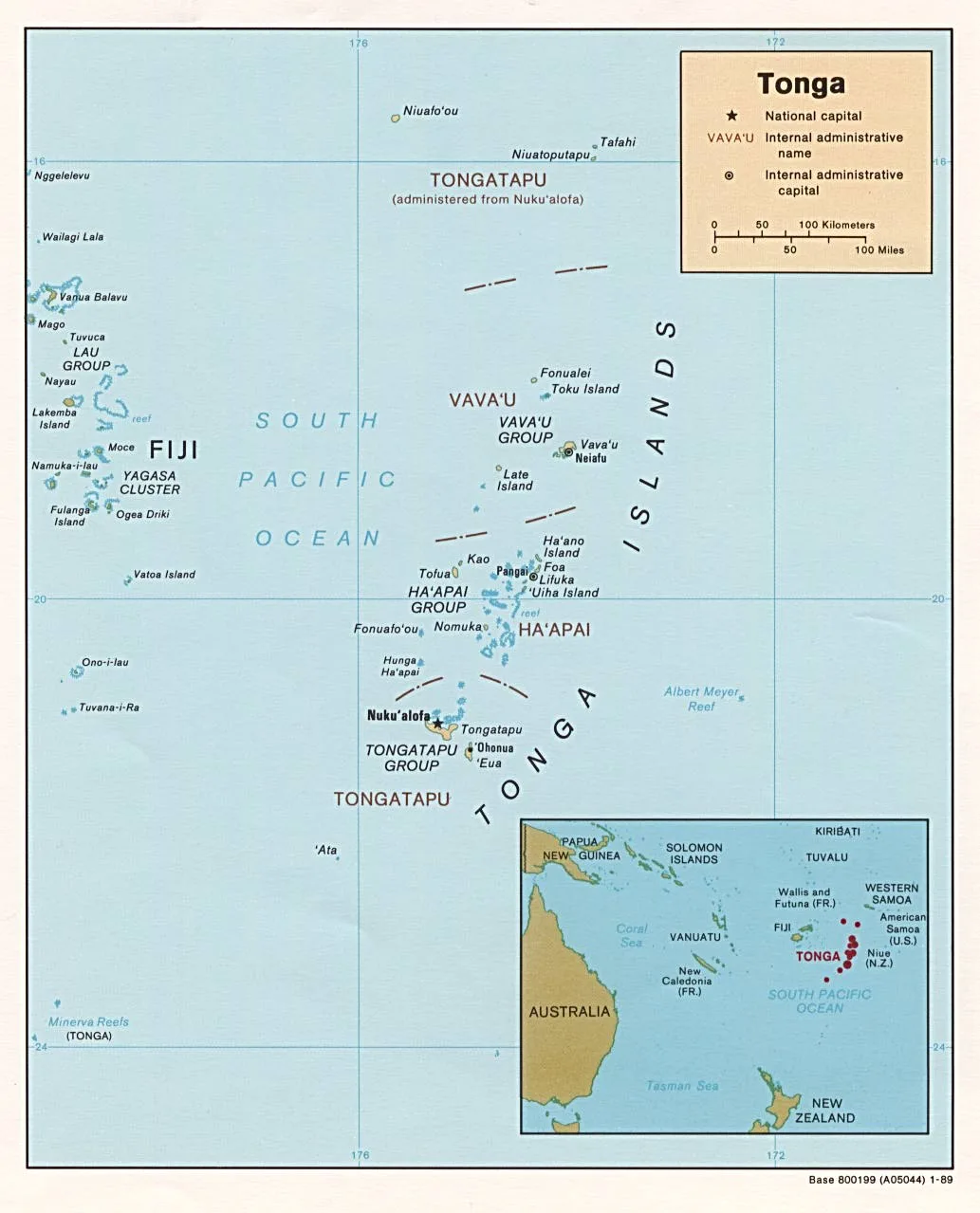
- Location: Tonga
- Nearby: Faleloa (4 km)
- Population: ~2.016 (2022)
Best time to visit & climate
The most pleasant time to visit is Jul–Sep.
| Jan | Feb | Mar | Apr | May | Jun | Jul | Aug | Sep | Oct | Nov | Dec | |
|---|---|---|---|---|---|---|---|---|---|---|---|---|
| Avg °C | 27 | 27 | 27 | 27 | 26 | 25 | 24 | 24 | 24 | 25 | 25 | 26 |
| Rain mm | 220 | 207 | 188 | 177 | 118 | 111 | 55 | 73 | 89 | 107 | 125 | 146 |
Geography
Facts
- Nestled in a sheltered bay on the western coast of Foa.
- The name translates to 'the sandy beach of crabs.'
- A key location for traditional shellfish gathering.
- Renowned for its fertile soil and diverse agriculture.
- Historic limestone quarries are located in the vicinity.
- A hub for communal Christian life and activities.
Explore nearby
Notable places around

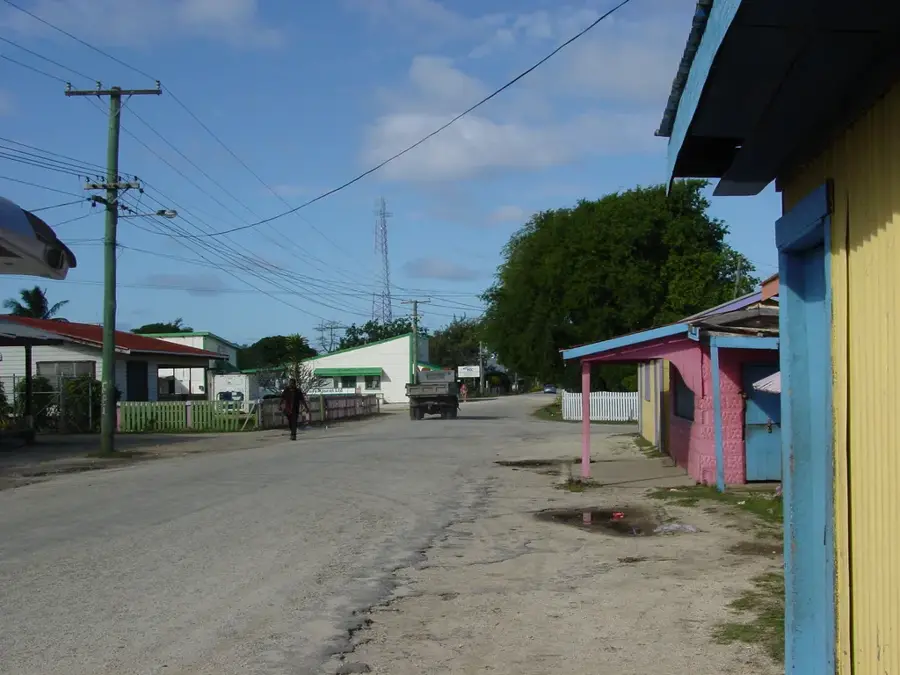

Route planner — Car & Motorhome
Where do you start? We build the route here, with stops and country notes along the way.
© OpenStreetMap contributors · OpenRouteService
Frequently asked questions
How long to stay in Fangaleʻounga?
When is the weather ideal there?
How to reach this place?
Are there local treats here?
Is the place family-friendly?
Fangaleʻounga: where is it located?
Fangaleʻounga: when is the best time to visit?
Fangaleʻounga: why is it worth visiting?

Nearby cities
History & landmarks


Nature


More places