Plizio Visual Lab
Late Island Wilderness
Weather…
Water temperature…
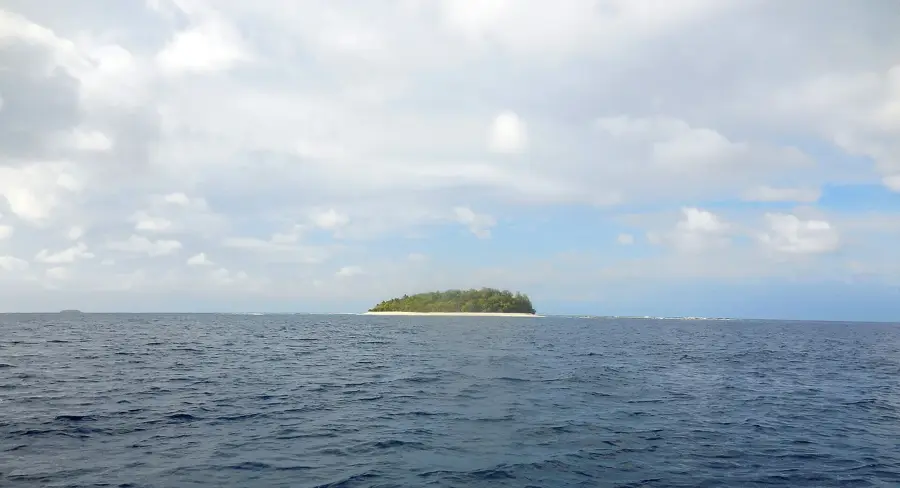
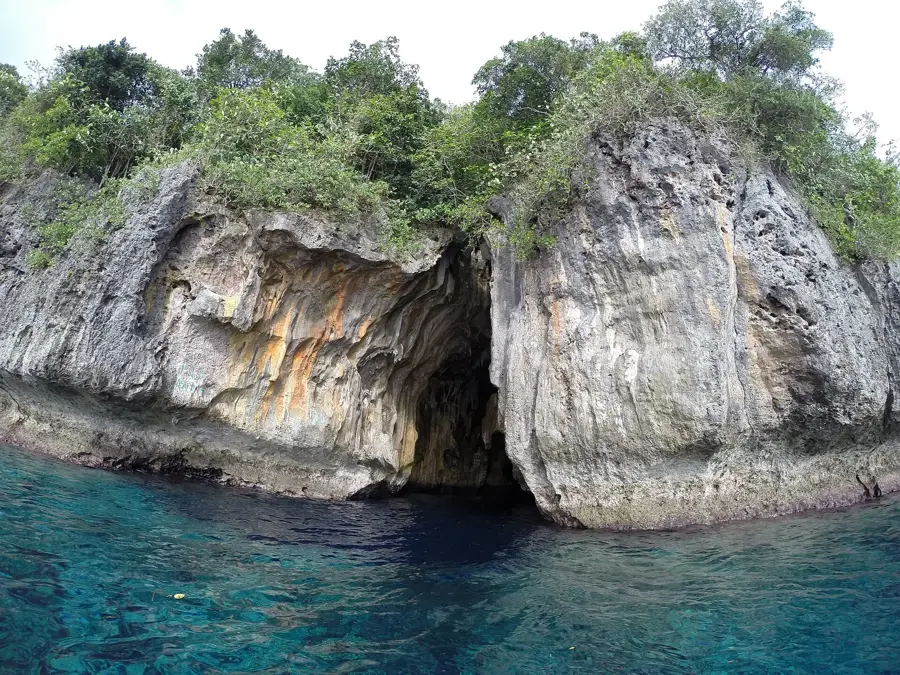
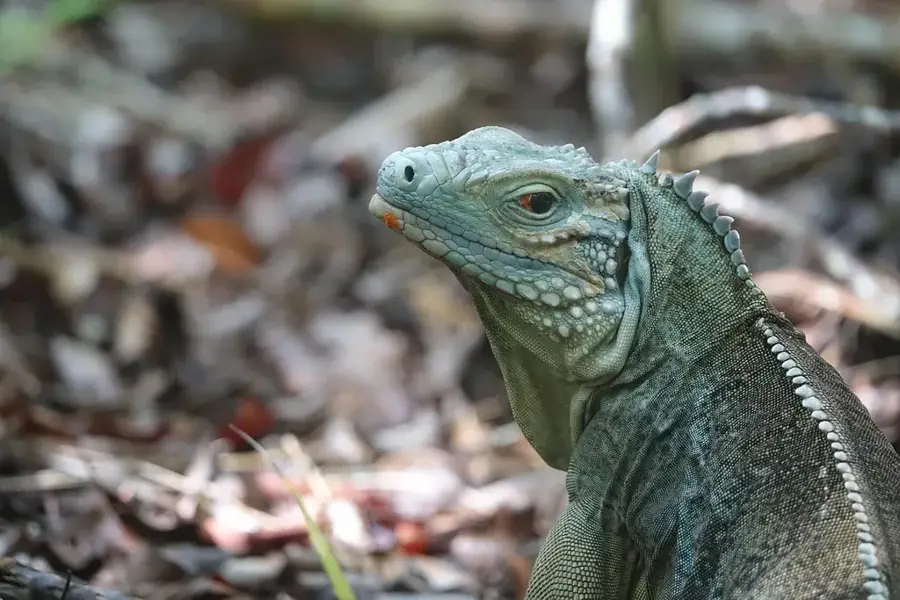
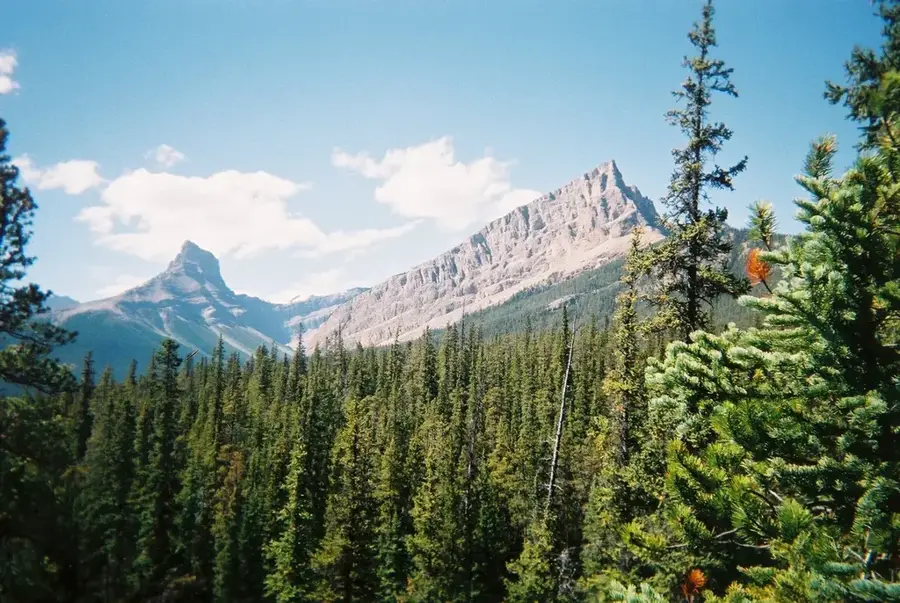
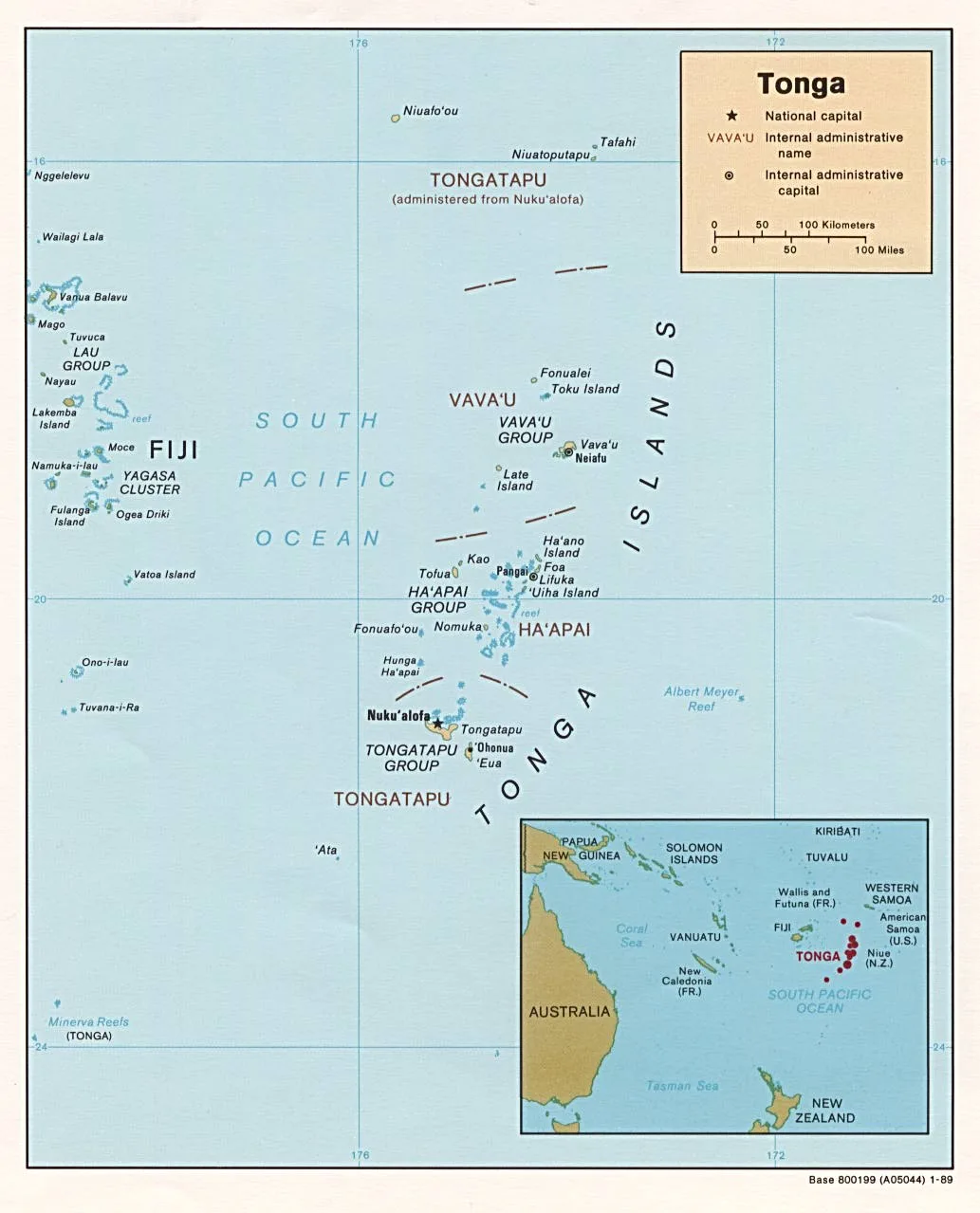
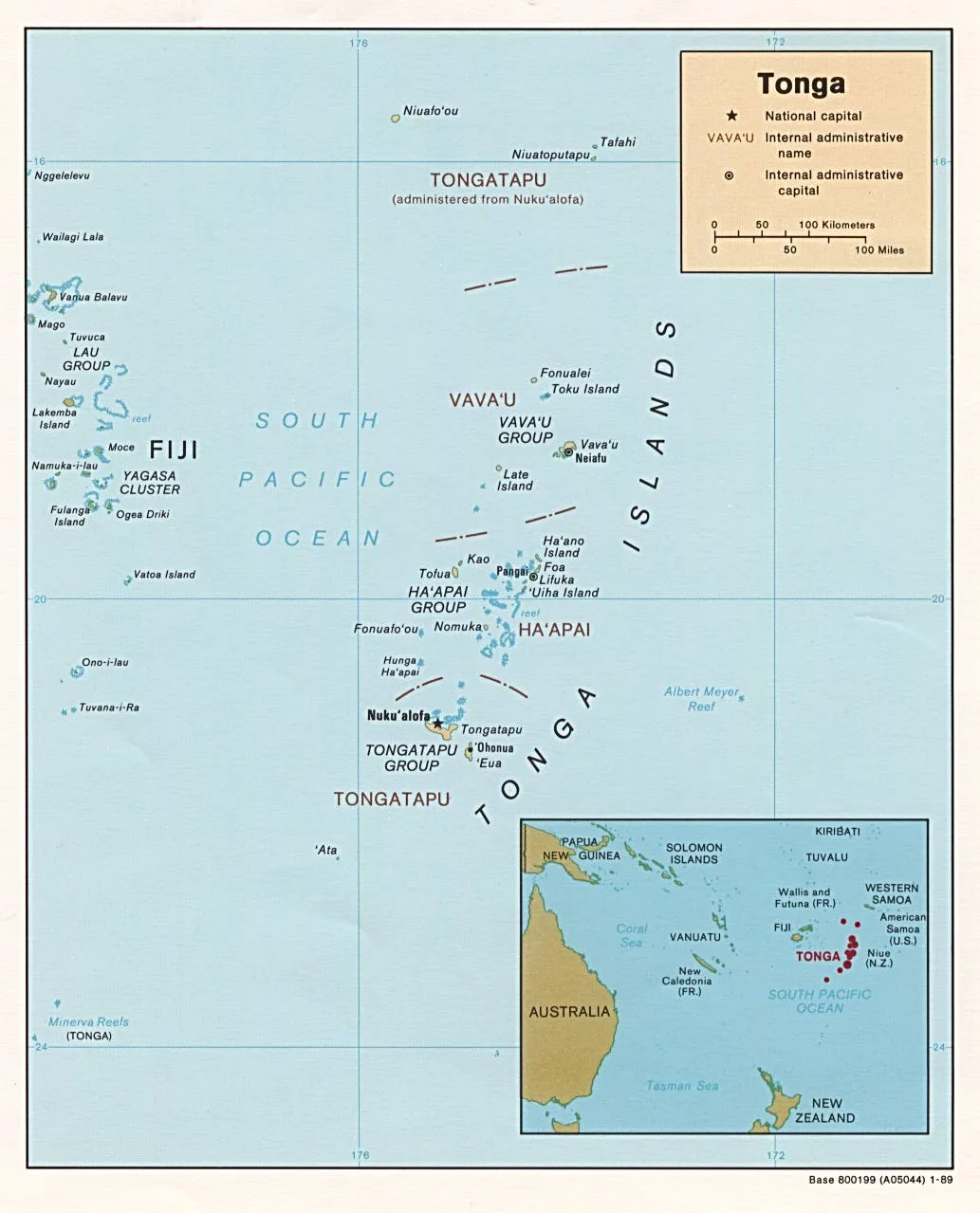
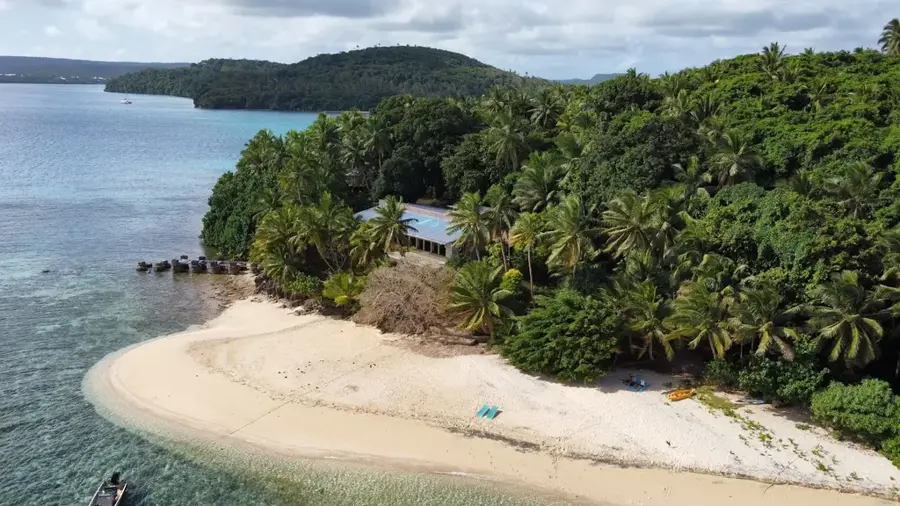
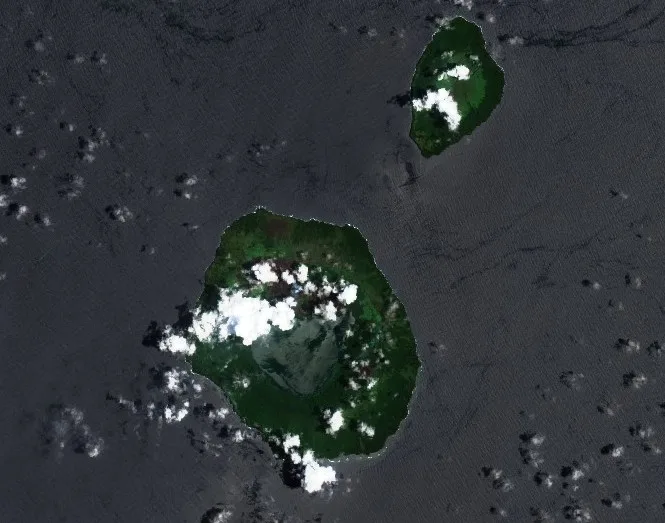
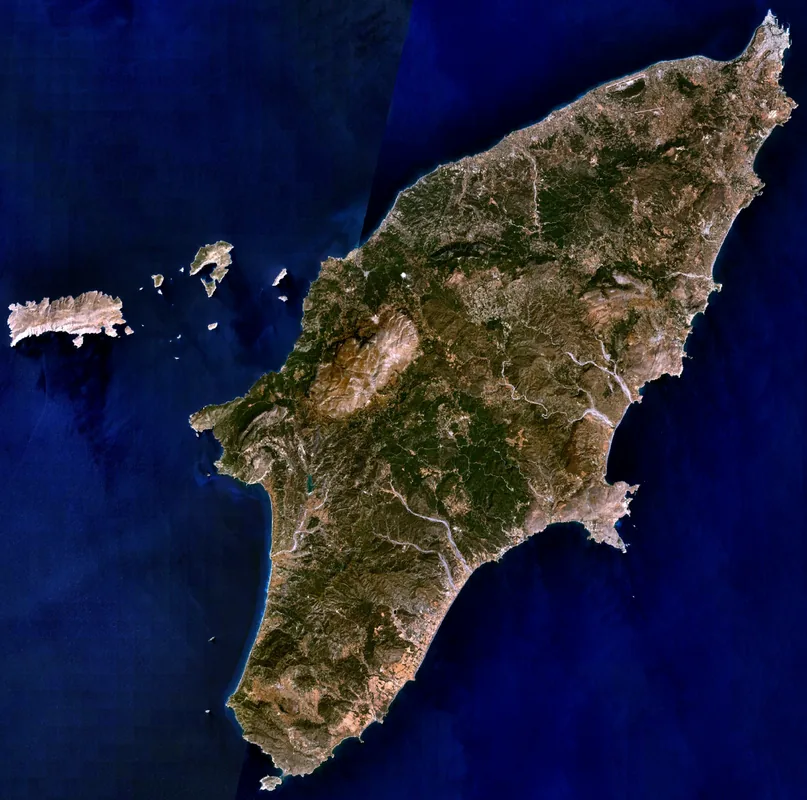
The Late Island Wilderness is one of the most significant uninhabited natural areas in the South Pacific, located approximately 55 kilometers west of the Vava'u group. The entire island is a massive volcanic dome rising to an elevation of 519 meters, covered by some of the most pristine tropical broadleaf forests remaining in Tonga. Uninhabited by permanent human populations since the mid-19th century, Late has allowed its ecosystem to thrive undisturbed, making it a critical site for global biodiversity conservation. The island is a major breeding ground for the endangered Tongan Whistler and supports large colonies of various seabirds and rare reptilian species. Geologically, Late is characterized by its rugged lava coastlines and the absence of a surrounding coral reef, which makes landing difficult and provides a natural barrier against human encroachment. This wilderness serves as a vital ecological reference point, demonstrating the original biological state of Western Polynesian islands prior to significant human impact.
- Location: Tonga
- Nearby: Longomapu (69 km)
Best time to visit & climate
The most pleasant time to visit is Jul–Sep.
| Jan | Feb | Mar | Apr | May | Jun | Jul | Aug | Sep | Oct | Nov | Dec | |
|---|---|---|---|---|---|---|---|---|---|---|---|---|
| Avg °C | 27 | 28 | 28 | 27 | 26 | 25 | 24 | 24 | 24 | 25 | 26 | 27 |
| Rain mm | 231 | 203 | 192 | 188 | 117 | 114 | 58 | 73 | 88 | 115 | 131 | 159 |
📋 Practical info
Geography
Facts
- Uninhabited since approximately 1850
- Highest elevation is 519 meters
- Area of roughly 15 square kilometers
- Critical habitat for the Tongan Whistler
- Lacks a surrounding protective coral reef
- Most significant broadleaf forest in Tonga
Explore nearby
Notable places around


Route planner — Car & Motorhome
Where do you start? We build the route here, with stops and country notes along the way.
© OpenStreetMap contributors · OpenRouteService
Sights in the town Late Island Wilderness (1)
Sights nearby
Frequently asked questions
How challenging is hiking on Late Island?
What gear do I need for Late?
Are there accommodations or toilets on Late?
When is the best time to visit Late?
How do you get to Late Island?
Late Island Wilderness: where is it located?
Late Island Wilderness: when is the best time to visit?
Late Island Wilderness: why is it worth visiting?
Nearby cities
History & landmarks
Nature