Plizio Visual Lab

Oti Basin
Plizio editorial teamData Sources
Relief
—°2
Oti Basin (Togo)

Weather…

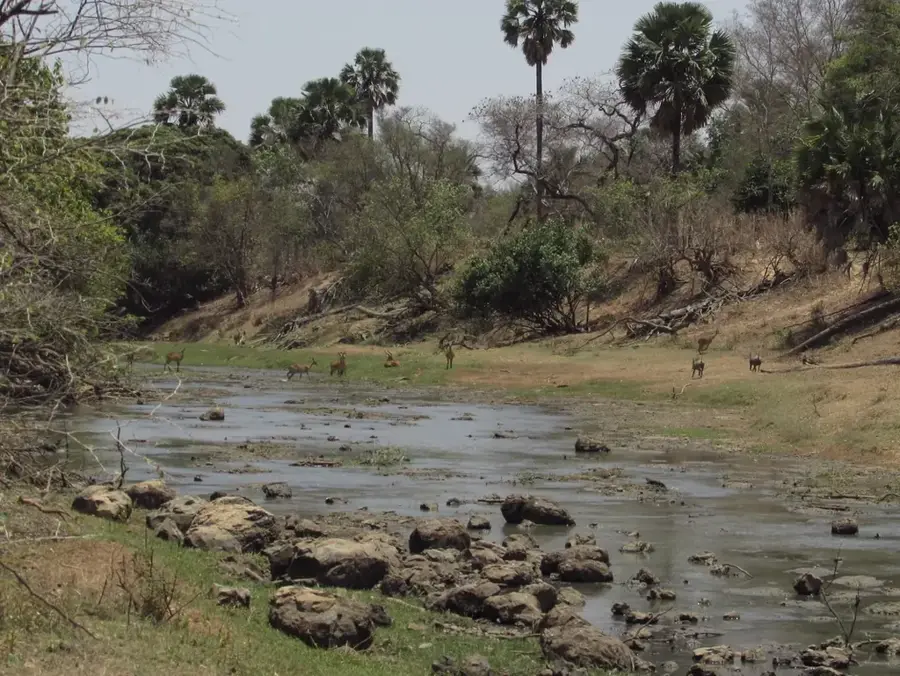
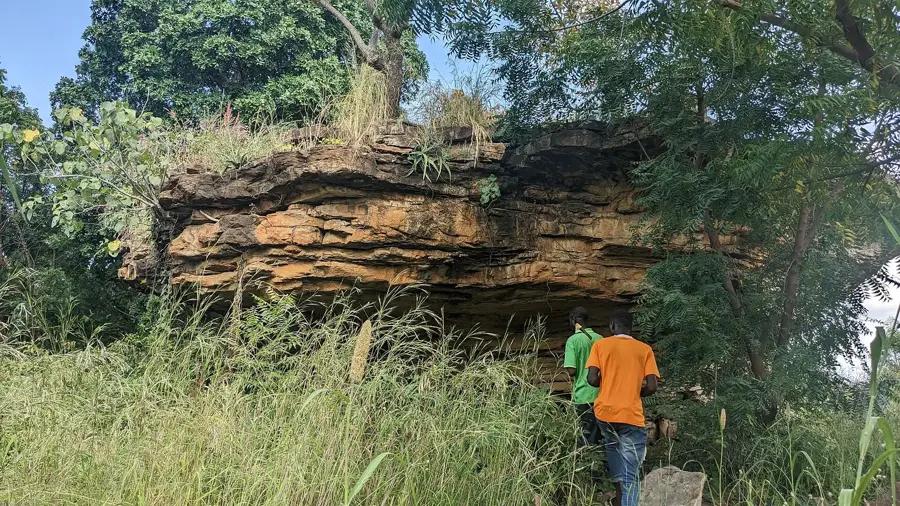
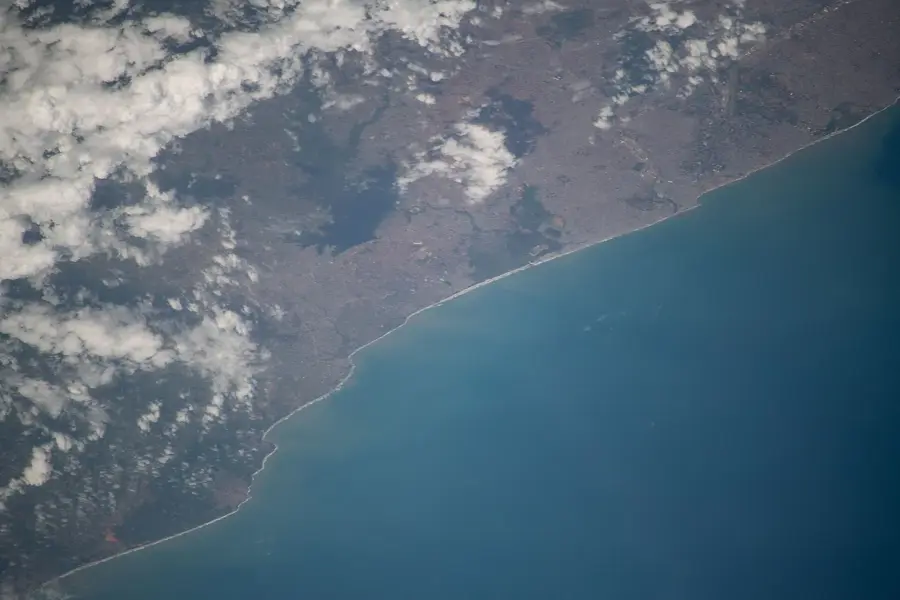
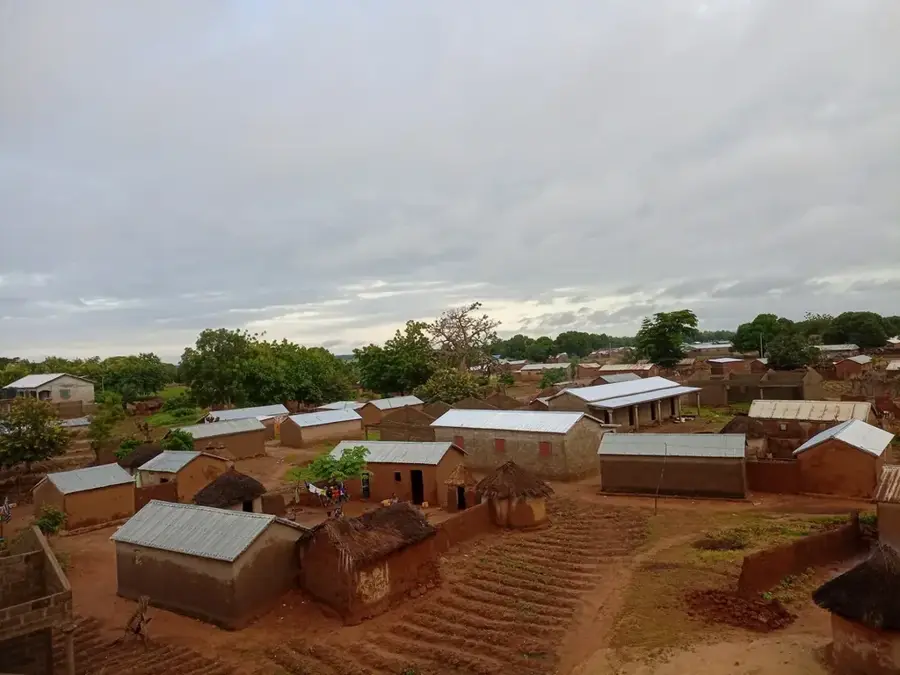
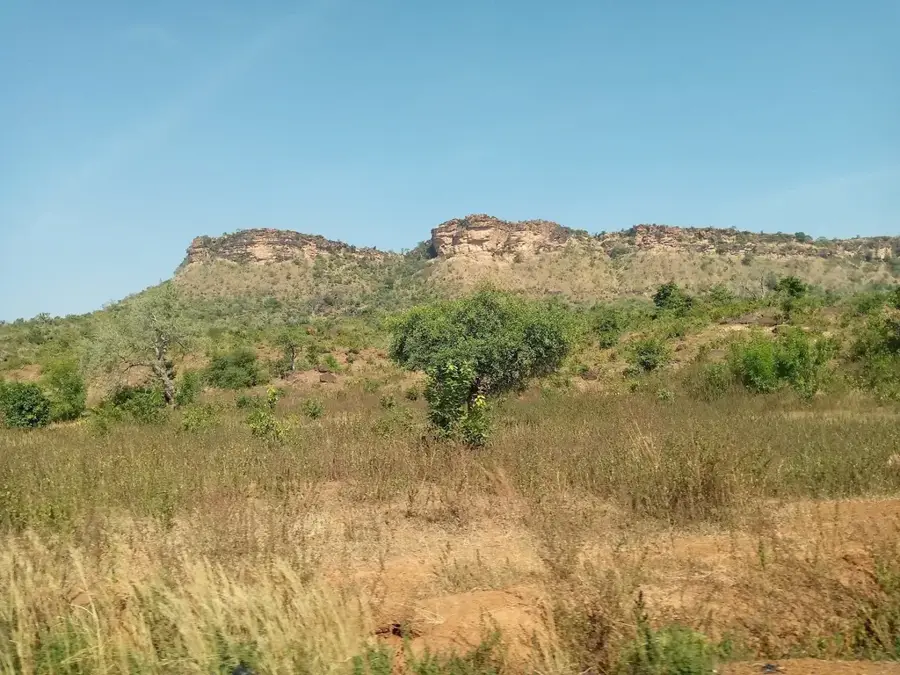
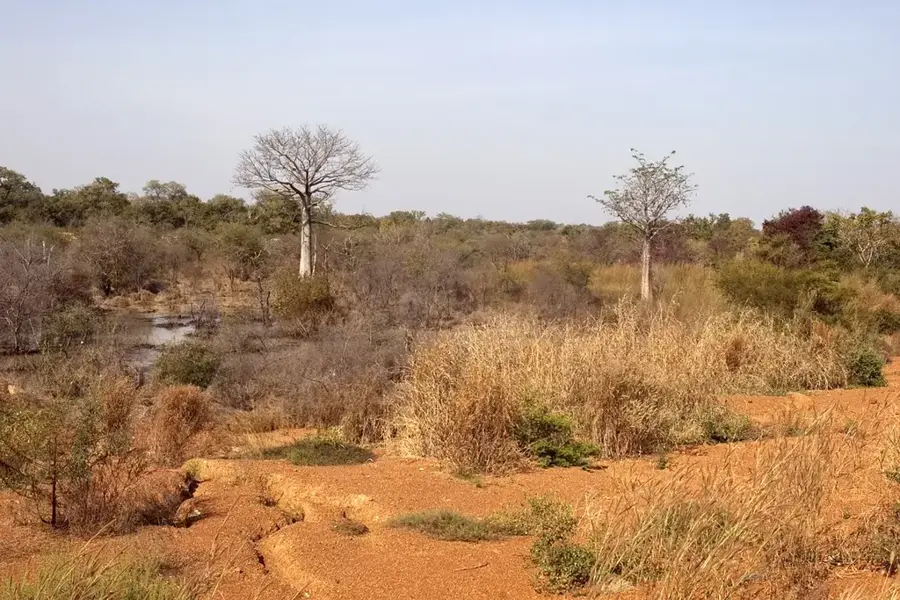
The Oti Basin is a major geographical region in northern Togo, encompassing the drainage area of the Oti River, one of the primary tributaries of the Volta River. The landscape is characterized by vast savanna plains that transition towards the Sahel in the north, bounded by prominent sandstone plateaus like the Bomboaka Plateau. The Oti River itself meanders through the basin, creating fertile riparian zones that are seasonally flooded. These floodplains are ecologically invaluable, housing significant protected areas such as the Kéran National Park and the Oti-Mandouri Reserve, which provide refuge for elephants, antelopes, and hundreds of bird species. Geologically, the basin consists mainly of Paleozoic sedimentary rocks forming part of the larger Volta Basin. The region is sparsely populated, with the economy centered on subsistence farming, livestock herding, and fishing. The extreme seasonal fluctuations in water levels dictate the daily life of the local communities and the migration patterns of wildlife in this remote part of Togo.

Best time to visit & climate

The most pleasant time to visit is Jan, Nov, Dec.

JanFebMarAprMayJunJulAugSepOctNovDec
Avg °C242831312927262626272624
Rain mm15167412918724929123110380

📋 Practical info

🧭
Getting there
Accessing this vast savanna basin primarily requires traveling along the main northern highways of Togo, often using regional buses or private taxis. Getting to specific scenic spots near the river usually involves navigating secondary dirt roads which can be quite rough.
📅
Best season
The dry season, lasting from November to April, is generally considered the best time for travel, featuring dry roads and easier wildlife spotting in the sparse savanna. The wet season brings heavy downpours that can flood large sections of the basin, hindering transportation significantly.
⛰️
Terrain & paths
The landscape is characterized by expansive, flat or gently undulating grassy plains dotted with scattered trees and shrubs. Hiking or walking through this environment means traversing wide, exposed areas that offer little natural shade from the intense regional sun.
🎒
What to bring
Comprehensive sun protection, including high-SPF sunscreen, sunglasses, and a wide-brimmed hat, is absolutely essential in the unshaded savanna. Lightweight, light-colored clothing and sturdy boots are recommended to protect against both the heat and potential thorns or insects in the tall grass.
🅿️
Parking
Designated parking is generally limited to larger roadside settlements or local guesthouses on the fringes of the basin. When stopping in more remote areas, vehicles are typically pulled safely off the dirt tracks onto sturdy, clear ground, ensuring not to block local agricultural traffic.
⚠️
Safety
Carrying an abundance of drinking water is critical due to the heat and limited facilities across the vast plains. Traveling with a knowledgeable local guide is recommended to safely navigate the sprawling landscape and effectively interpret the subtle features of the regional ecosystem.
⏱️
Time needed
Driving through the basin on the main roads can occupy several hours of a broader journey to the country's north. A dedicated visit aiming to explore specific riverbanks or observe the savanna ecology requires planning for at least a full day trip.

Geography

Coordinates
10.40000, 0.45000

Facts

  • The Oti River is known as the Pendjari River in neighboring Benin.
  • The basin forms a key part of the larger Volta River catchment area.
  • Kéran National Park within the basin is home to protected elephants.
  • The relief is dominated by the flat and low-lying Oti Plain.
  • Sandstone ridges define the northern and eastern edges of the basin.
  • Seasonal flooding creates rich, temporary wetlands vital for birds.

Explore nearby

Notable places around

Route planner — Car & Motorhome

Where do you start? We build the route here, with stops and country notes along the way.

Vehicle
Only stops with (optional):

© OpenStreetMap contributors · OpenRouteService

Sights in the town Oti Basin (2)

Hippo Pond📍 landmark

The Hippo Pond is a muddy natural watering hole in the Oti Basin where hippopotamuses frequently gather and submerge themselves.

Barrage de koumbeloti📍 landmark

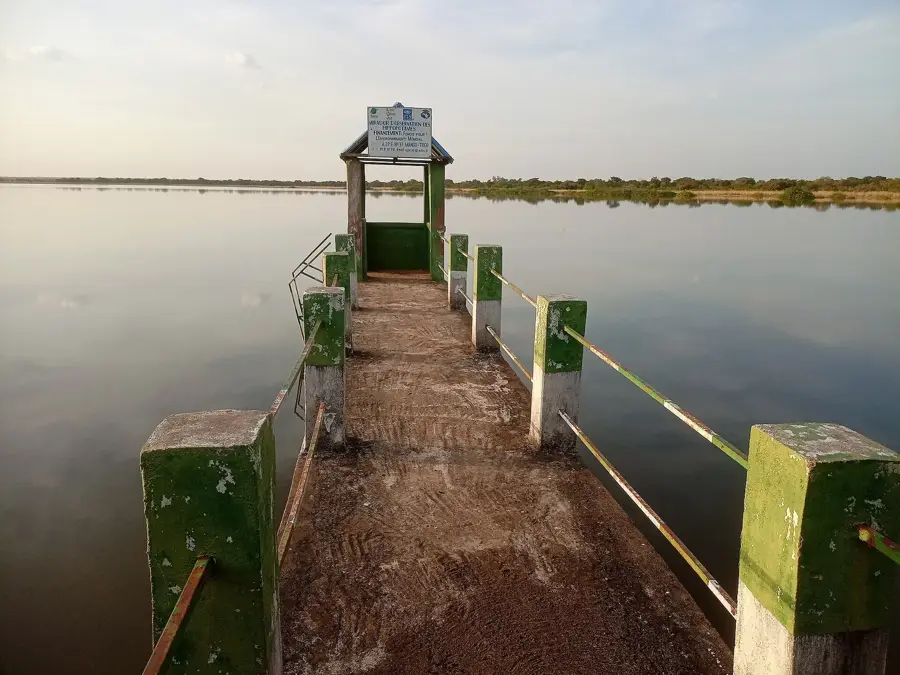
The Barrage de koumbeloti is a concrete dam structure creating a reservoir that serves both the local water supply and the surrounding ecosystem.

Sights nearby

Frequently asked questions

What does the Oti-Basin offer tourists?
Vast savannas and rich wildlife in the protected zones.
Are there safaris?
Yes, organized tours are conducted by local providers.
Best time for safaris?
At the end of the dry season when animals gather at waterholes.
Is it safe to travel?
Always check current government safety advisories.
What should I bring?
Sturdy footwear, sun protection, and insect repellent are mandatory.
Oti Basin: where is it located?
Oti Basin is located in Togo.
Oti Basin: what is there to see?
Highlights include Hippo Pond, Barrage de koumbeloti.
Oti Basin: when is the best time to visit?
The most pleasant time to visit is Jan, Nov, Dec.
Oti Basin: why is it worth visiting?
The Oti Basin is a major geographical region in northern Togo, encompassing the drainage area of the Oti River, one of the primary tributaries of the Volta River.
View on map → The Top 50 Attractions → OpenStreetMap →
Africa
Explore with Plizio Discover more places in Africa
More places in Togo →

Nearby cities

More places