Plizio Visual Lab
Barkoissi
ℹ️Practical info — Barkoissi
▾
🌤 Weather — 5 days
📍 Nearby
Sights nearby
💡 Tips
- The weekly livestock market is an intense and fascinating experience; arrive early in the morning for the best atmosphere.
- Wear closed, dust-proof shoes, especially if visiting the market areas, as the unpaved grounds can be very dusty.
- English is rarely spoken; knowing some basic French or local greetings will help immensely when interacting with vendors.
- Photography at the market should be done discreetly; always ask for permission before taking pictures of people or their animals.
- Cash is king here. Make sure to bring enough West African CFA francs in small denominations.
🍽 Food
Look for small local eateries called 'maquis' near the market center.
Served by street vendors, especially active during market days.
Traditional millet beer, often served in calabashes at local gatherings.
🛍 Shopping · 🧘 Quiet spots
Fresh yams, millet, and beans from the Savanes region.
For locals, but fascinating to observe the trading of cattle, sheep, and goats.
A walk slightly away from the market center gives a view of the vast Sahelian landscape.
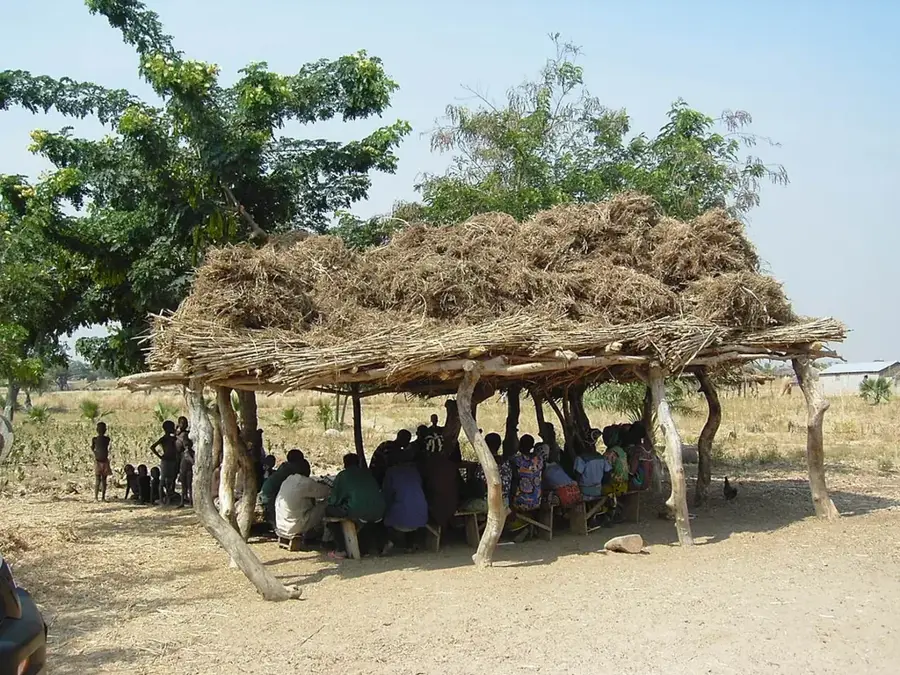
Often quieter spots where locals gather under the shade of large trees.
Water temperature…
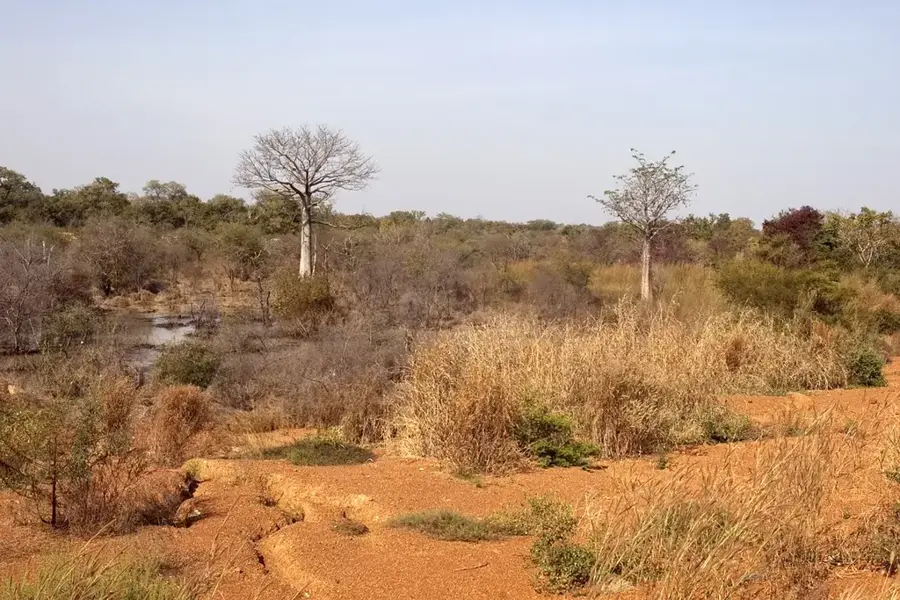
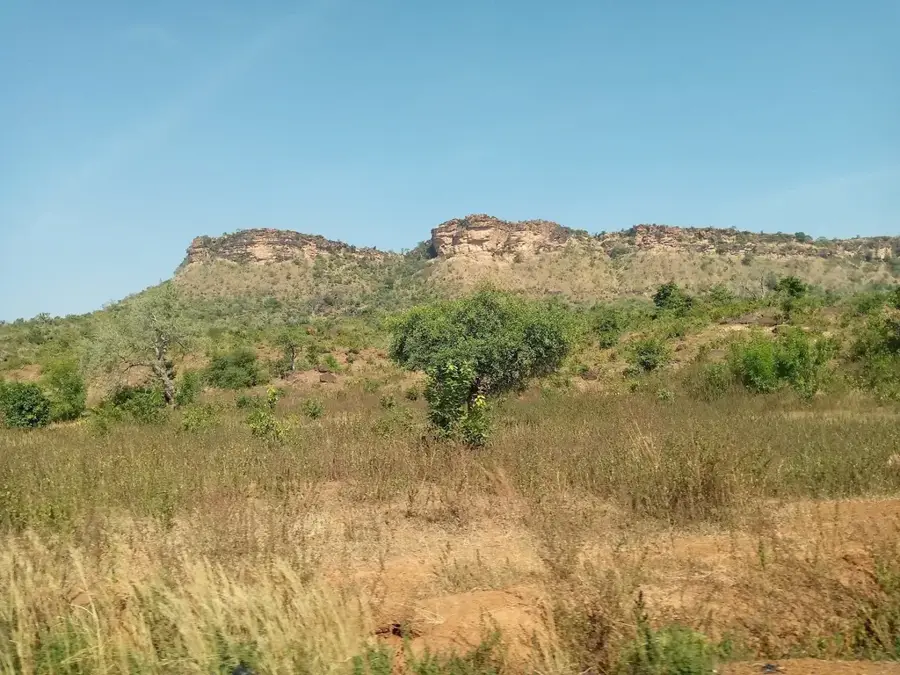
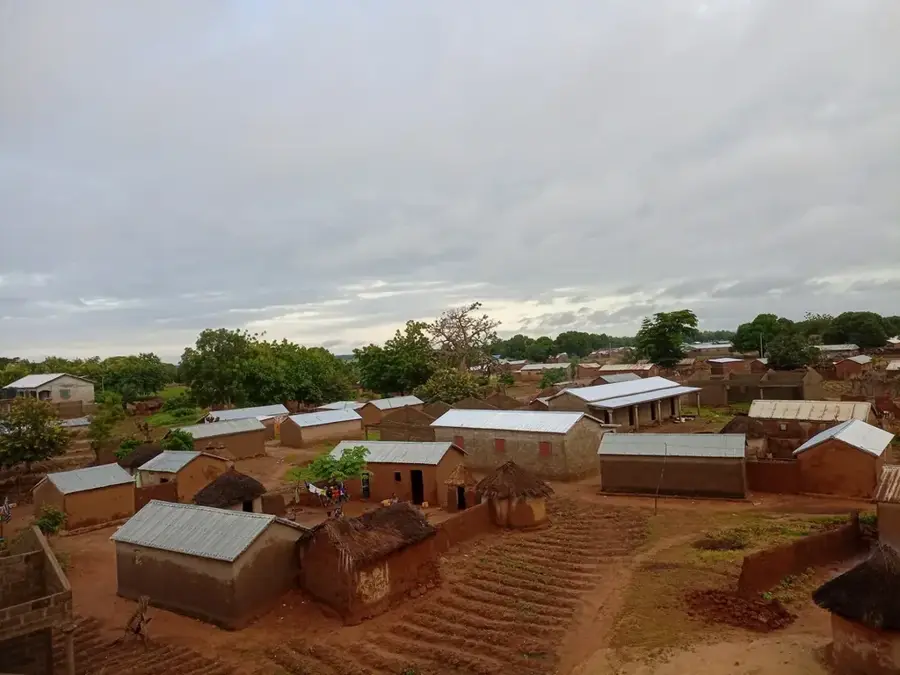
Barkoissi lies in Oti-Sud Prefecture in the southern part of the Savanes Region, on an important connecting road between Dapaong and Mango. The town is famous beyond its size for hosting one of the most significant livestock markets in northern Togo, weekly drawing hundreds of herders and buyers from Burkina Faso, Niger and Benin. Cattle, sheep and goats are mainly traded here, then trucked to consumer centres in the south. The surrounding countryside forms a typical Sudano-Sahelian savanna with broad grasslands, scattered acacias and termite mounds. Economically Barkoissi depends on livestock trading, the cultivation of sorghum, millet and groundnuts, and the processing of shea butter, which is an important source of income for women. Culturally the region is shaped by a mixture of Tchokossi, Moba and Peulh influences; Islam plays a central role in daily life and shapes the festive calendar.
- Location: Togo
- Nearby: Sansanné-Mango (14 km)
Best time to visit & climate
The most pleasant time to visit is Jan, Nov, Dec.
| Jan | Feb | Mar | Apr | May | Jun | Jul | Aug | Sep | Oct | Nov | Dec | |
|---|---|---|---|---|---|---|---|---|---|---|---|---|
| Avg °C | 24 | 28 | 31 | 31 | 29 | 27 | 26 | 26 | 26 | 27 | 26 | 24 |
| Rain mm | 1 | 5 | 16 | 74 | 129 | 187 | 249 | 291 | 231 | 103 | 8 | 0 |
Geography
Facts
- Barkoissi is strategically located between the towns of Mango and Galangashi.
- The weekly market of Barkoissi is traditionally held every Tuesday.
- The region is a major cultivation area for upland rice in Togo.
- Barkoissi is situated approximately 40 kilometers from the Ghanaian border.
- The average annual temperature in Barkoissi is about 28 degrees Celsius.
- The nearby Oti River provides seasonal flooding for the agricultural fields.
Explore nearby
Notable places around


Route planner — Car & Motorhome
Where do you start? We build the route here, with stops and country notes along the way.
© OpenStreetMap contributors · OpenRouteService
Frequently asked questions
What is typical for Barkoissi?
Can I explore the area?
How to behave culturally?
Do I need mosquito protection?
How is the communication?
Barkoissi: where is it located?
Barkoissi: when is the best time to visit?
Barkoissi: why is it worth visiting?

Nearby cities
More places