Plizio Visual Lab
Biankouri
ℹ️Practical info — Biankouri
▾
🌤 Weather — 5 days
📍 Nearby
Sights nearby
💡 Tips
- Biankouri is a major livestock trading hub; visiting on market day features a lively, though chaotic, cultural experience.
- French is the official language, but knowing a few greetings in Moba will be greatly appreciated by the locals.
- The climate is hot and dry; carry plenty of water and wear sun protection when exploring the market.
- Always ask for permission before taking photographs of people or their livestock in the market.
🍽 Food
A dense maize or millet porridge served with a slimy but flavorful okra sauce at market food stalls.
A local specialty, often spiced and roasted, available at informal eateries near the trading areas.
A traditional, slightly sour millet beer brewed locally and often served in calabash gourds in the market.
🛍 Shopping · 🧘 Quiet spots
Even if not buying animals, the market is fascinating for its scale and energy.
Find fresh yams, millet, and regional spices brought in by local farmers.
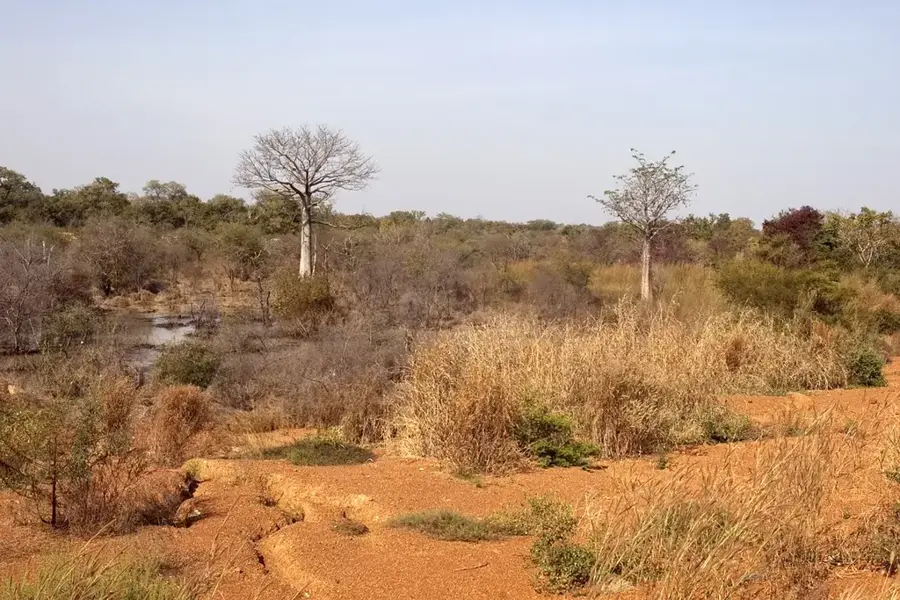
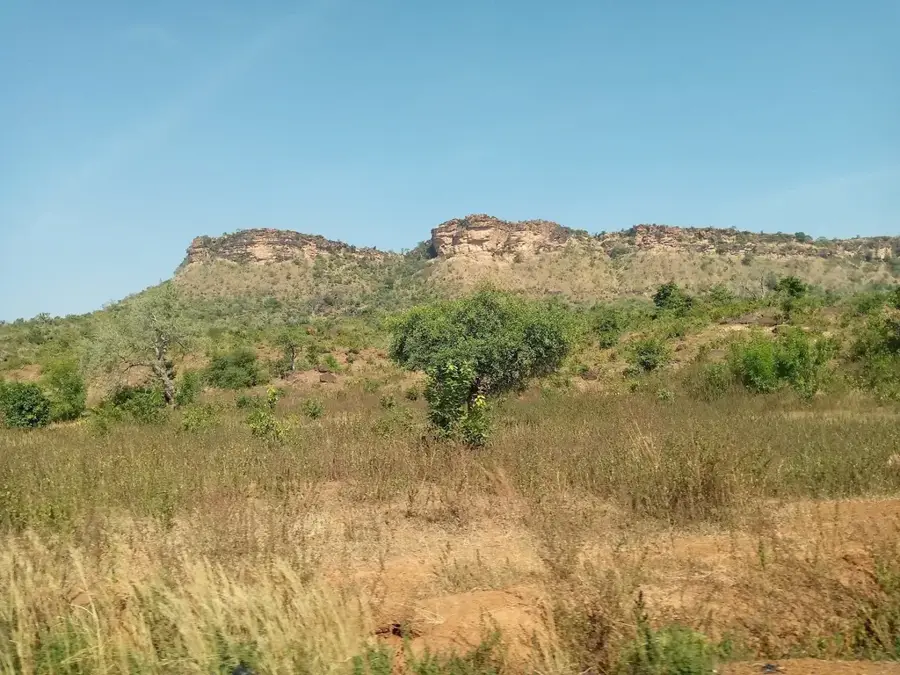
Walk a short distance from the bustling market to enjoy the stark, open savannah landscapes.
Seek out large baobab or mango trees where locals gather for a quiet rest during the midday heat.
Water temperature…
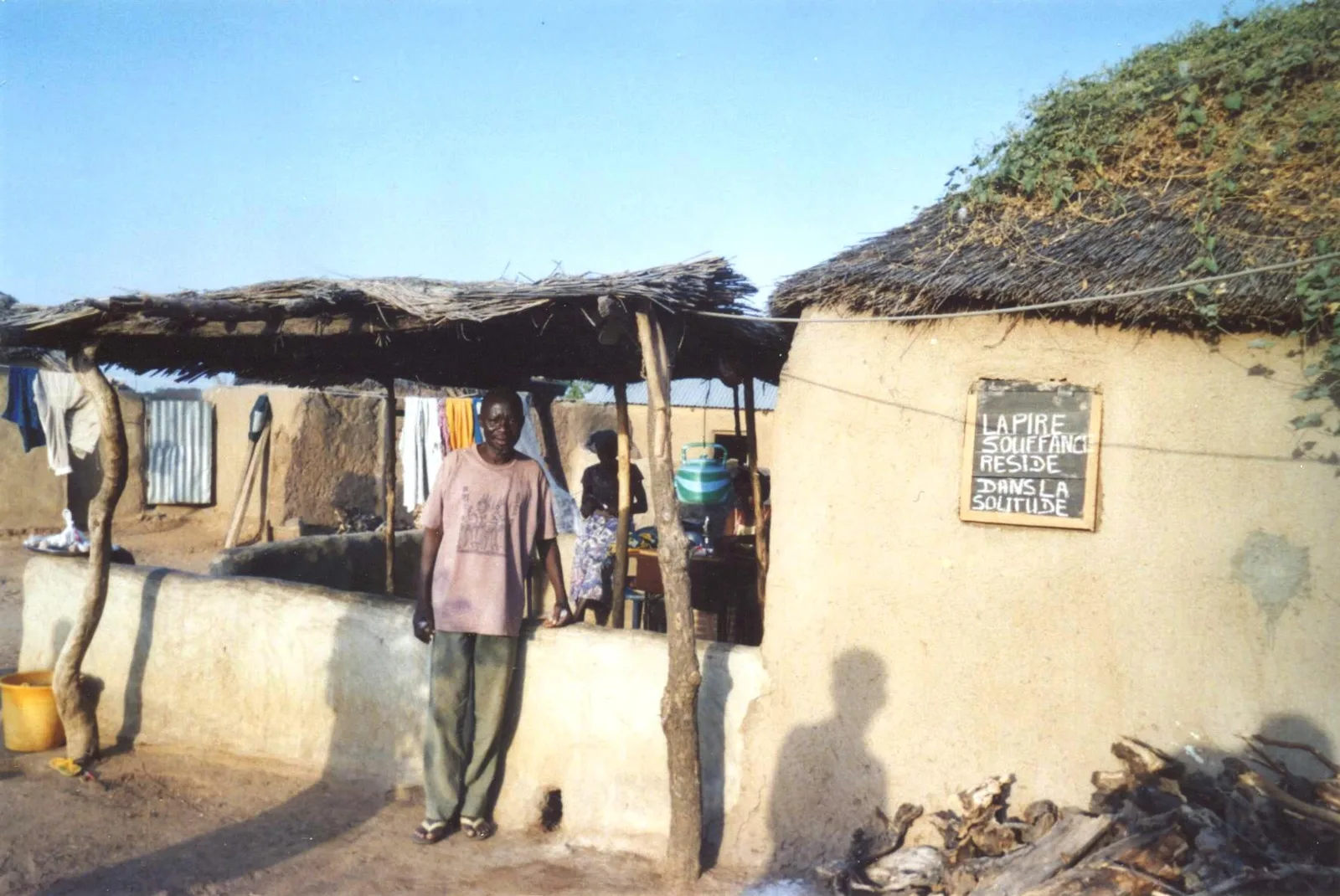
Biankouri lies in the far north of Togo in the Savanes Region, just a few kilometres from the tri-border area where Togo, Ghana and Burkina Faso meet. The town belongs to Tône Prefecture and is a lively centre of cross-border livestock trade: Peulh and Mossi herders meet traders from all three countries here to deal in cattle, sheep and goats, which are then trucked as far as Lomé and Accra. The surrounding country is characterised by dry Sahelian savanna with acacias, baobabs and thorn-bush formations, where rainfall of about 800 millimetres falls only during a short rainy season. Economically, the region rests on livestock husbandry as well as the cultivation of millet, sorghum, groundnuts and sesame. Biankouri is also an important local market for shea butter and the soumbala condiment. The population leads a predominantly Islamic daily life intertwined with traditional African customs.
- Location: Togo
- Nearby: Bombouaka (11 km)
Best time to visit & climate
The most pleasant time to visit is Jan, Nov, Dec.
| Jan | Feb | Mar | Apr | May | Jun | Jul | Aug | Sep | Oct | Nov | Dec | |
|---|---|---|---|---|---|---|---|---|---|---|---|---|
| Avg °C | 24 | 28 | 31 | 31 | 29 | 28 | 26 | 26 | 26 | 27 | 26 | 24 |
| Rain mm | 1 | 5 | 11 | 57 | 104 | 144 | 217 | 268 | 203 | 82 | 5 | 0 |
Geography
Facts
- Biankouri is located just a few kilometers from the border with Burkina Faso.
- The Savanes Region is the driest region in the entire country of Togo.
- Key agricultural products include millet, maize, and cotton.
- The town is a vital transit point for cattle trade coming from the north.
- Biankouri is situated on a plateau at an elevation of about 300 meters.
- The rainy season here typically lasts only from June to September.
Explore nearby
Notable places around


Route planner — Car & Motorhome
Where do you start? We build the route here, with stops and country notes along the way.
© OpenStreetMap contributors · OpenRouteService
Sights in the town Biankouri (1)
Frequently asked questions
Why should I visit Biankouri?
How to get there?
Do I need a guide?
Is there accommodation?
What language is spoken?
Biankouri: where is it located?
Biankouri: when is the best time to visit?
Biankouri: why is it worth visiting?

Nearby cities
More places