Plizio Visual Lab

Serengeti Plains
Plizio editorial teamData Sources
Forest
—°1
Serengeti Plains (Tanzania)

Weather…

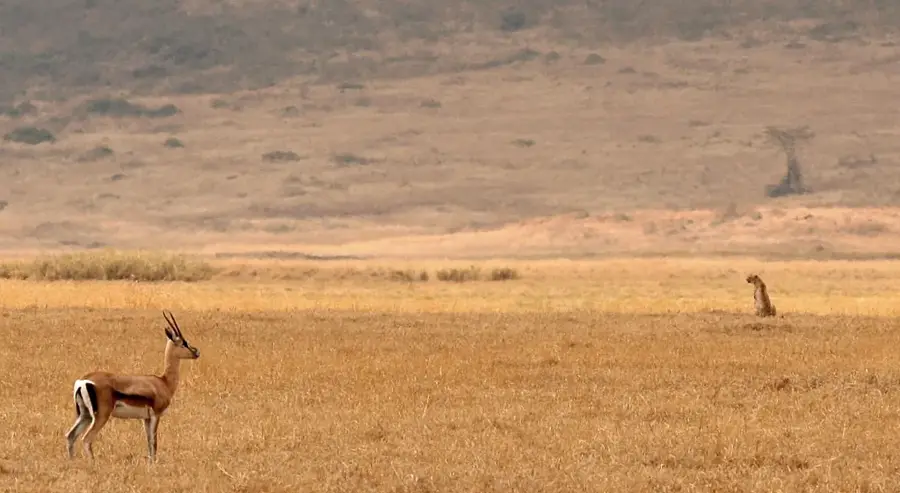
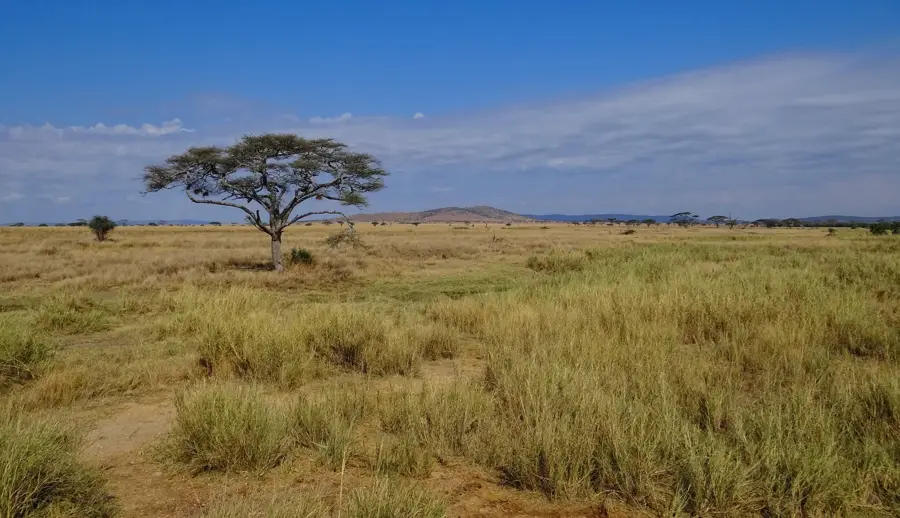
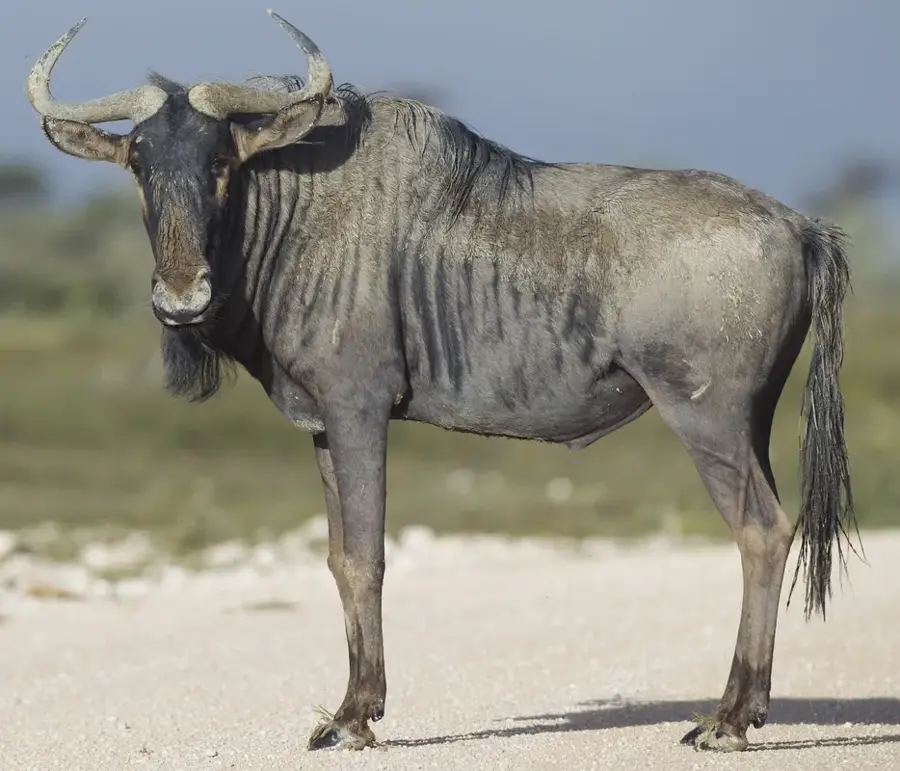
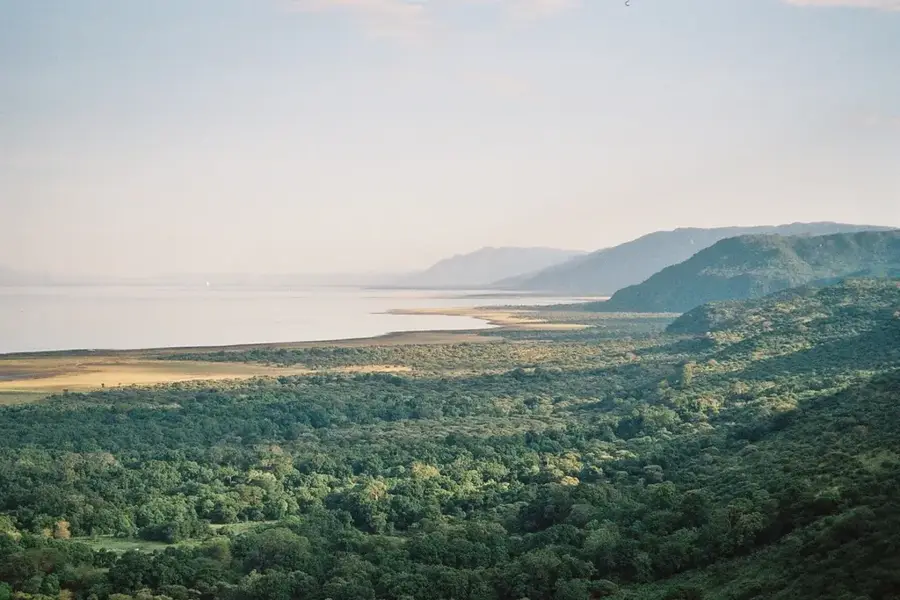
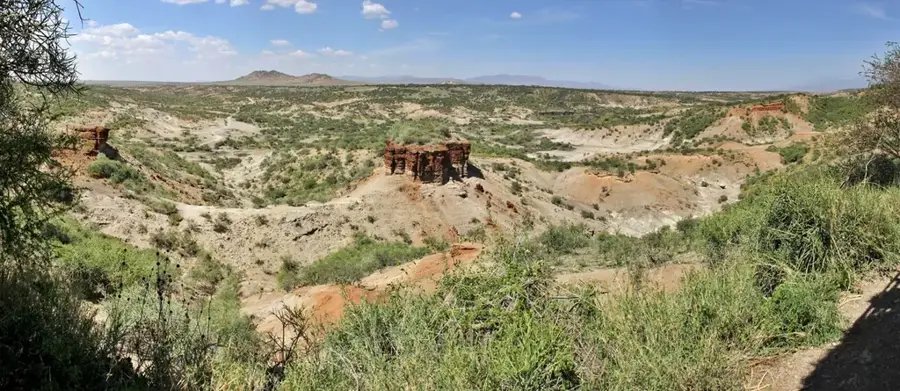
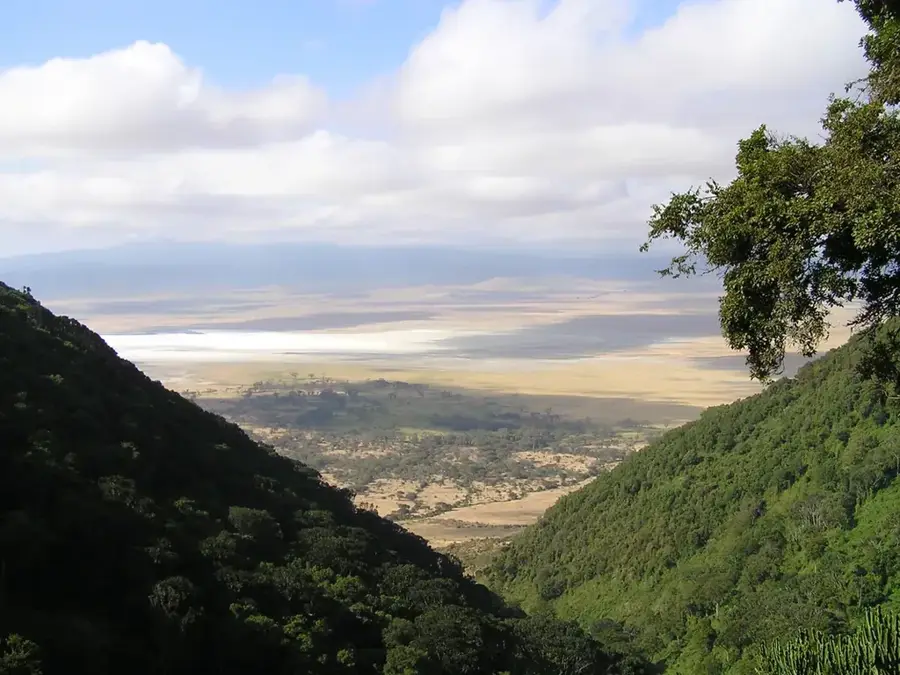
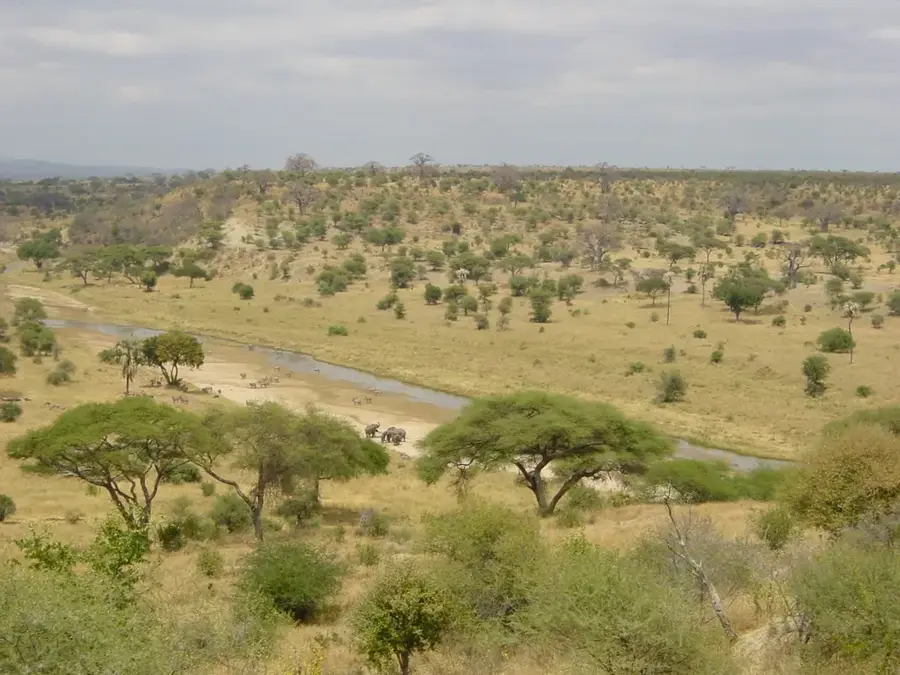
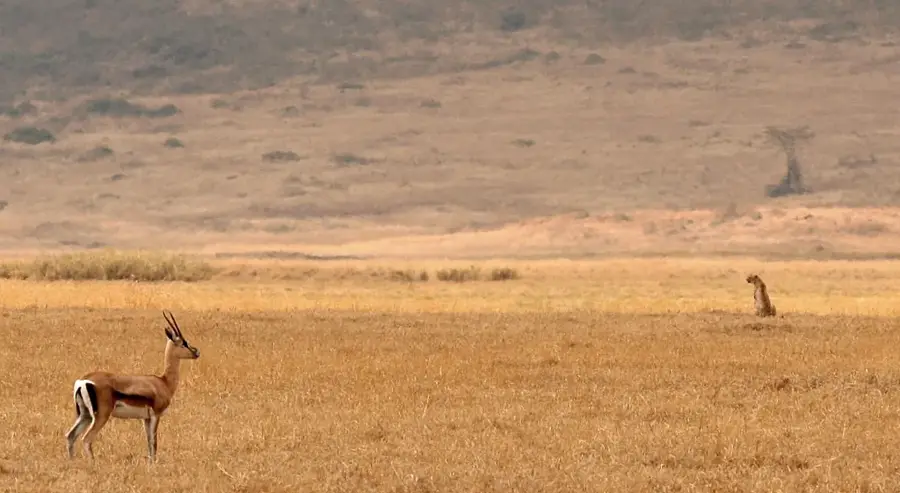
The Serengeti plains are among the most famous and ecologically significant ecosystems in the world. Stretching across northern Tanzania into southern Kenya, they cover an area of approximately 30,000 square kilometers. The centerpiece is Serengeti National Park, a UNESCO World Heritage site renowned for the 'Great Migration.' Every year, over 1.5 million wildebeest, 250,000 zebras, and gazelles traverse the savanna in an eternal cycle searching for fresh grass. The landscape varies from endless, treeless grass plains in the south to hilly acacia woodlands in the north. These plains host the highest concentration of large predators in Africa, including lions, leopards, and cheetahs. Geologically, the region is shaped by volcanic ash from nearby volcanoes, which has made the soil extremely mineral-rich, fostering the rapid growth of grasses.

Best time to visit & climate

The most pleasant time to visit is Jul–Sep.

JanFebMarAprMayJunJulAugSepOctNovDec
Avg °C202121201919192022222120
Rain mm1197914114266179202660140134

📋 Practical info

🧭
Getting there
Access to the varied ecosystems of this massive natural reserve is generally conducted via guided safari tours entering through established gates. Domestic flights to local gravel airstrips are a popular and time-saving alternative to long overland drives.
📅
Best season
The prolonged dry season is optimal for navigation and clear wildlife spotting, drawing the highest number of international tourists. The rainy season turns the terrain lush and green, favored by bird watchers, though many tracks become completely impassable.
⛰️
Terrain & paths
While dominated by open grasslands, the broader ecosystem includes patches of dense acacia woodland, riverine forests, and thorny scrub. Progress relies entirely on rugged dirt tracks, and crossing varied terrain requires high-clearance 4x4 vehicles.
🎒
What to bring
Practical safari clothing with long sleeves is crucial to protect against intense sun exposure and biting insects found near wooded and riverine areas. Photography enthusiasts should bring telephoto lenses, as approaching animals on foot is not permitted.
🅿️
Parking
Overnight parking is strictly limited to enclosed and guarded lodge or campsite perimeters to ensure visitor safety. During daytime game drives, drivers may only stop their vehicles in specifically designated observation areas without blocking the rough tracks.
⚠️
Safety
Adhering to the directives of certified guides is the most critical safety rule in this wild environment. Never feed wildlife, keep vehicle windows closed when passing close to large predators, and always carry anti-malarial medication and insect repellent.
⏱️
Time needed
To truly experience the vastness and diversity of the plains and associated woodlands, a safari spanning four to five days is highly recommended. Quick day trips barely scratch the surface and involve disproportionately long transit times.

Geography

Coordinates
-2.50000, 34.75000

Facts

  • The name Serengeti means 'endless land' in the Maasai language.
  • UNESCO declared the park a World Heritage site in 1981.
  • Approximately 500,000 wildebeest calves are born in the Serengeti each year.
  • Over 3,000 lions inhabit the Serengeti ecosystem.
  • The plains lie at an altitude between 900 and 1,850 meters.
  • The Great Migration covers an annual distance of about 800 km.

Explore nearby

Notable places around

Route planner — Car & Motorhome

Where do you start? We build the route here, with stops and country notes along the way.

Vehicle
Only stops with (optional):

© OpenStreetMap contributors · OpenRouteService

Sights in the town Serengeti Plains (1)

Hippopotame point🌿 nature

Overlooking a muddy river bend in the Serengeti, this popular viewing spot allows safari-goers to safely observe dozens of large hippopotamuses wallowing in the water.

Sights nearby

Frequently asked questions

Is Serengeti a national park?
Yes, it is globally famous for its massive animal migrations.
When is the best time to visit?
From June to October, the Great Migration is best observed.
Can one see the animals well?
Yes, the wide plain gives well-suited views of lions, zebras, and wildebeests.
Is a guide needed?
Yes, organized safaris are essential for success.
Are the camps safe?
Yes, the camps are usually fenced and strictly guarded.
Serengeti Plains: where is it located?
Serengeti Plains is located in Tanzania.
Serengeti Plains: when is the best time to visit?
The most pleasant time to visit is Jul, Sep.
Serengeti Plains: why is it worth visiting?

The Serengeti plains are among the most famous and ecologically significant ecosystems in the world.
View on map → The Top 50 Attractions → OpenStreetMap →
Africa
Explore with Plizio Discover more places in Africa
More places in Tanzania →

Nearby cities

History & landmarks

Nature
More places