Plizio Visual Lab
Katavi Park
Weather…
Water temperature…
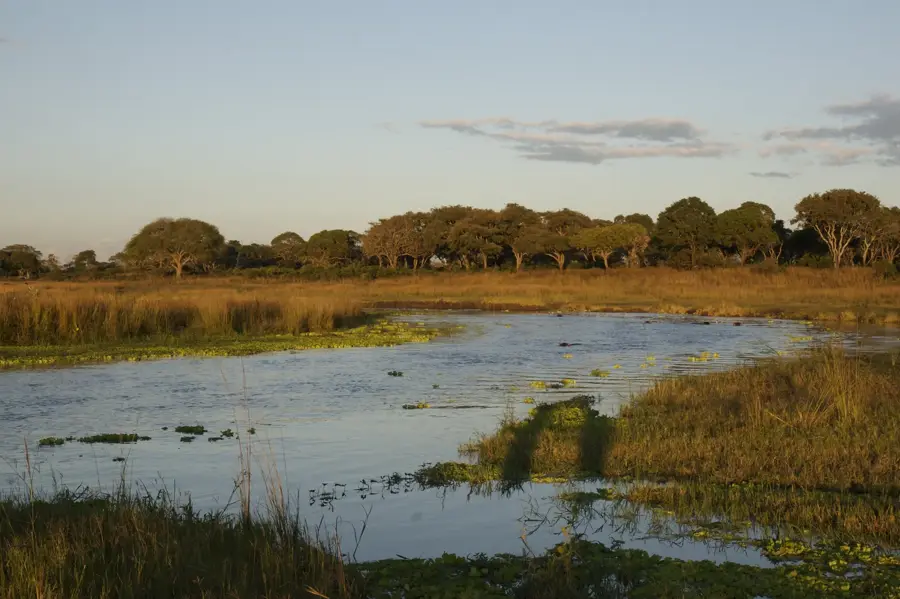
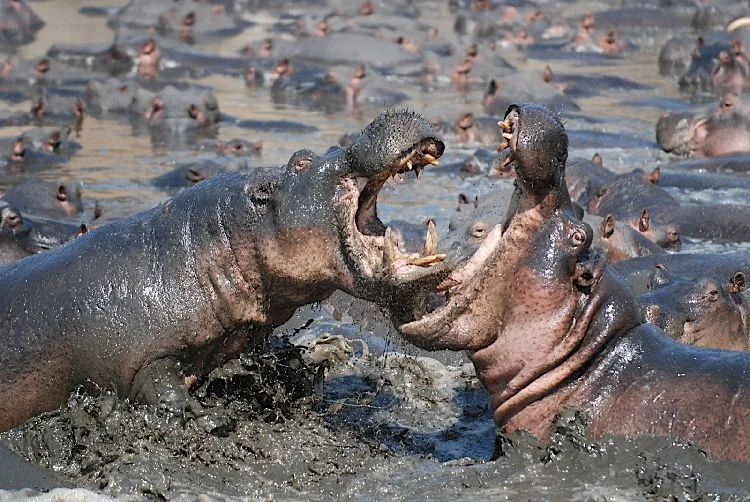
Katavi National Park in remote western Tanzania is one of the country's most pristine and least visited wilderness areas. Covering 4,471 square kilometers, it ranks as the third-largest national park in Tanzania, characterized by the Katuma River and the seasonal floodplains of Katasunga and Chada. During the dry season, Katavi provides an extreme natural spectacle as hundreds of hippos cram into the remaining deep waterholes and massive crocodile pods seek shelter in riverbank caves. Established in 1974, the park is home to some of Africa’s largest buffalo herds, which can number over 1,000 individuals. Due to its isolated location, Katavi remains a premier destination for seasoned travelers seeking an authentic safari experience away from mass tourism. Its largely undisturbed ecosystem supports a full range of African predators, including significant lion and leopard populations.
- Location: Tanzania
- Nearby: Mpanda (18 km)
Best time to visit & climate
The most pleasant time to visit is Jun–Aug.
| Jan | Feb | Mar | Apr | May | Jun | Jul | Aug | Sep | Oct | Nov | Dec | |
|---|---|---|---|---|---|---|---|---|---|---|---|---|
| Avg °C | 22 | 23 | 23 | 23 | 23 | 22 | 21 | 24 | 26 | 27 | 25 | 23 |
| Rain mm | 176 | 136 | 155 | 106 | 21 | 2 | 1 | 1 | 5 | 35 | 163 | 208 |
📋 Practical info
Geography
Facts
- Total area of 4,471 square kilometers
- National park status since 1974
- Tanzania's third-largest national park
- Extreme concentration of hippopotamuses
- Buffalo herds exceeding 1,000 animals
- Katuma River is the primary water source
Explore nearby
Notable places around

Route planner — Car & Motorhome
Where do you start? We build the route here, with stops and country notes along the way.
© OpenStreetMap contributors · OpenRouteService
Sights nearby
Frequently asked questions
What is the best way to get to Katavi-Park?
When is the best time for viewing?
Is the park crowded?
Is there accommodation inside the park?
Is malaria prophylaxis necessary?
Katavi Park: where is it located?
Katavi Park: when is the best time to visit?
Katavi Park: why is it worth visiting?

Nearby cities
History & landmarks
Nature
More places