Plizio Visual Lab

Ngorongoro Crater
Plizio editorial teamData Sources
Relief
—°2
Ngorongoro Crater (Tanzania)

Weather…

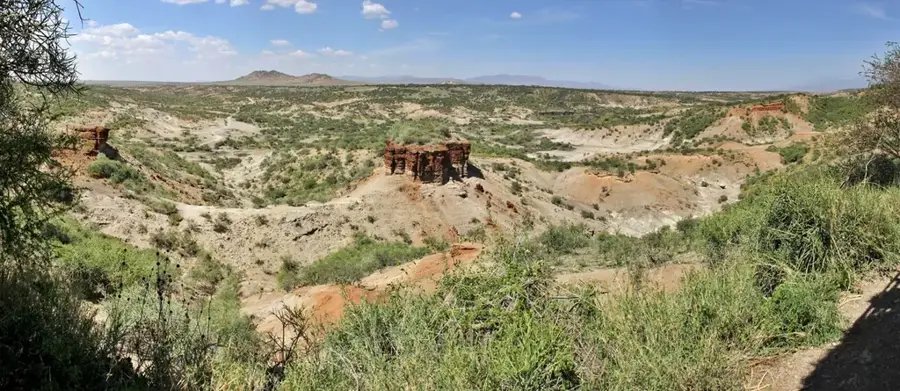
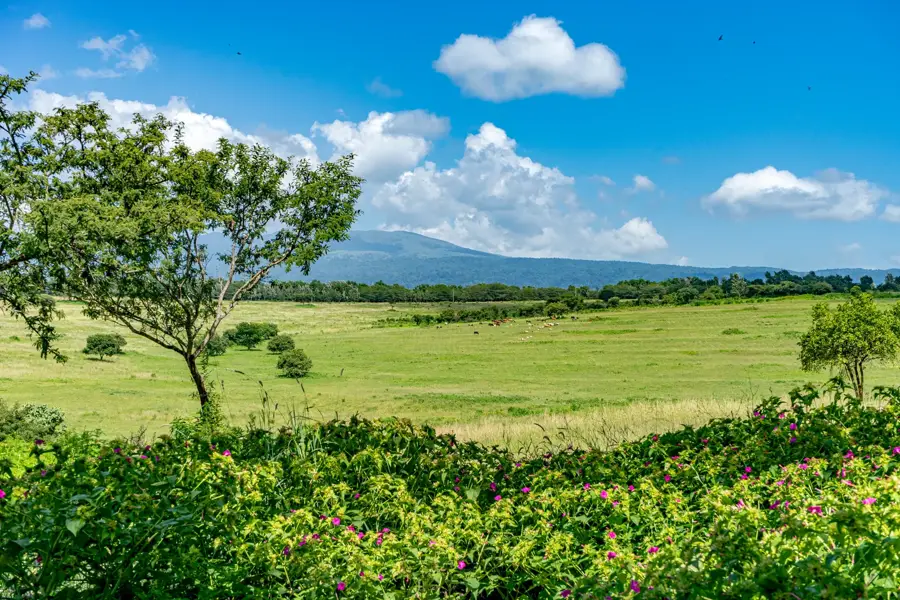
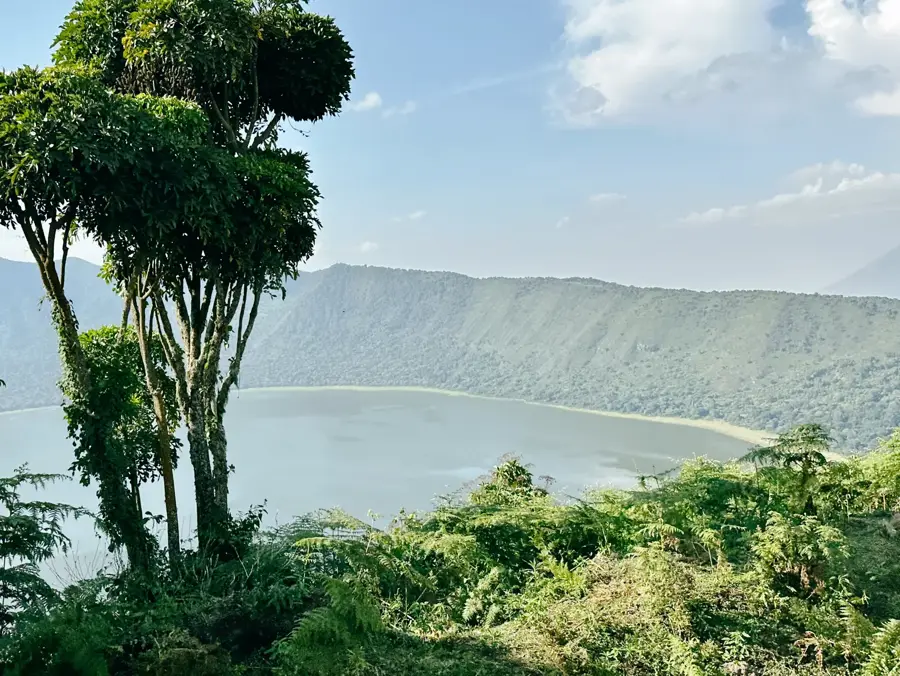
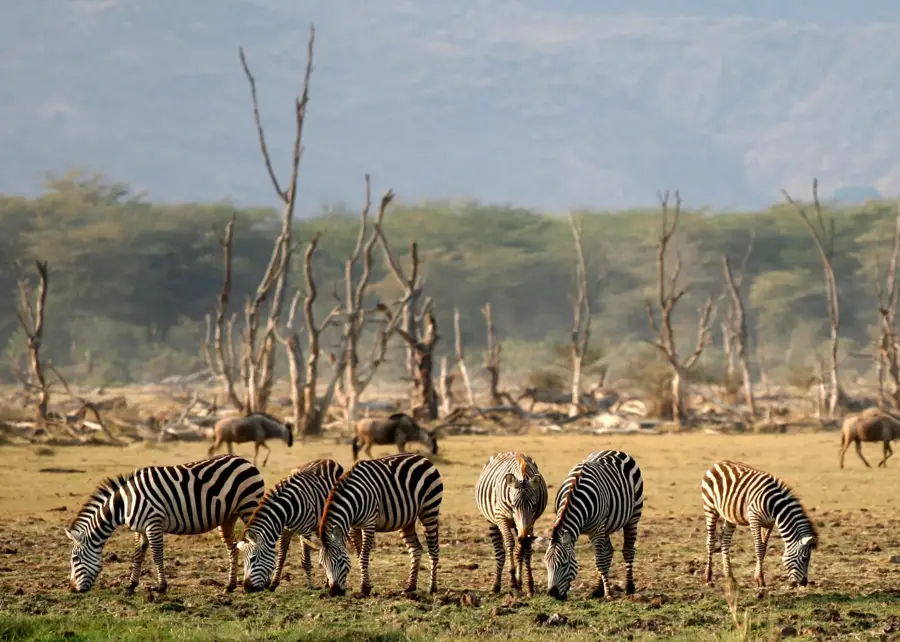
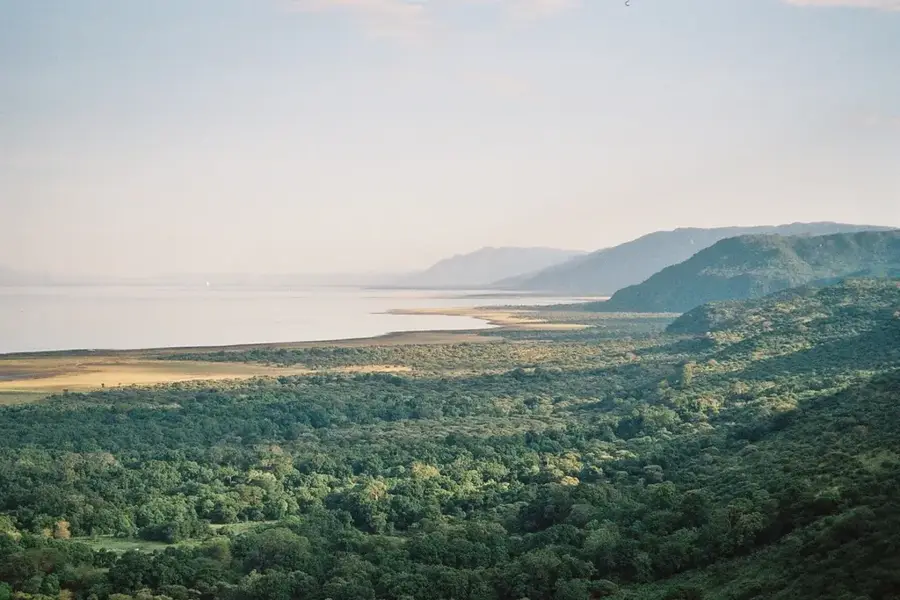
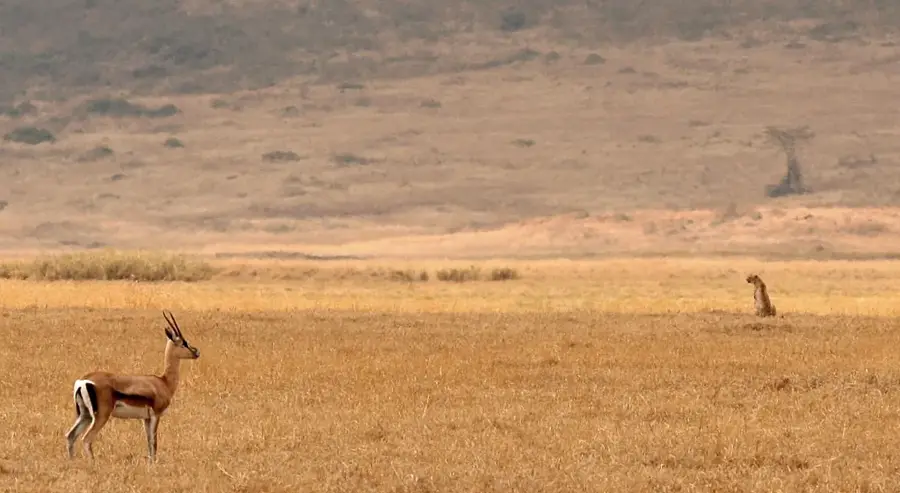
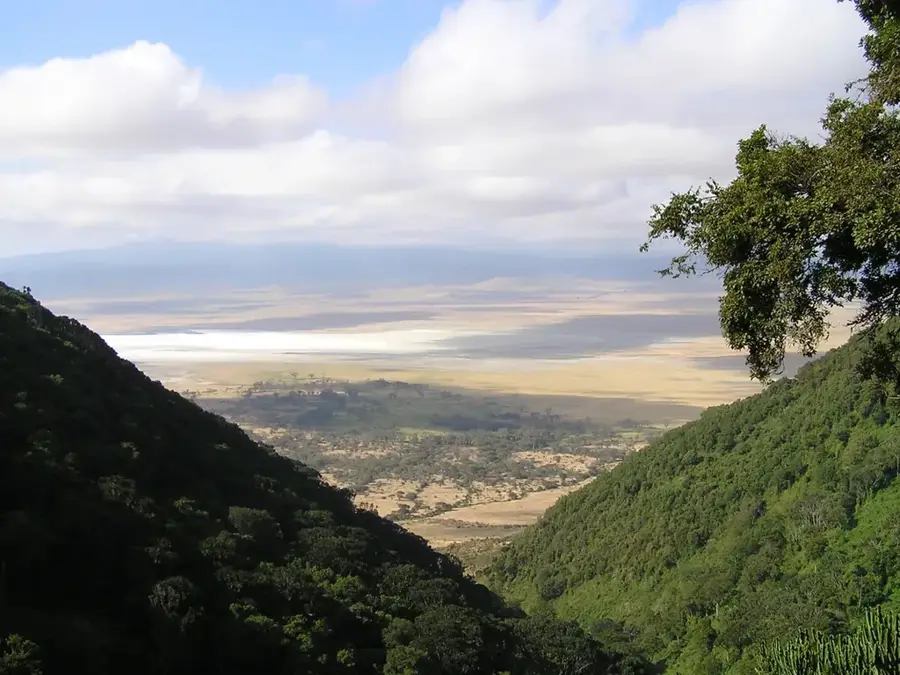
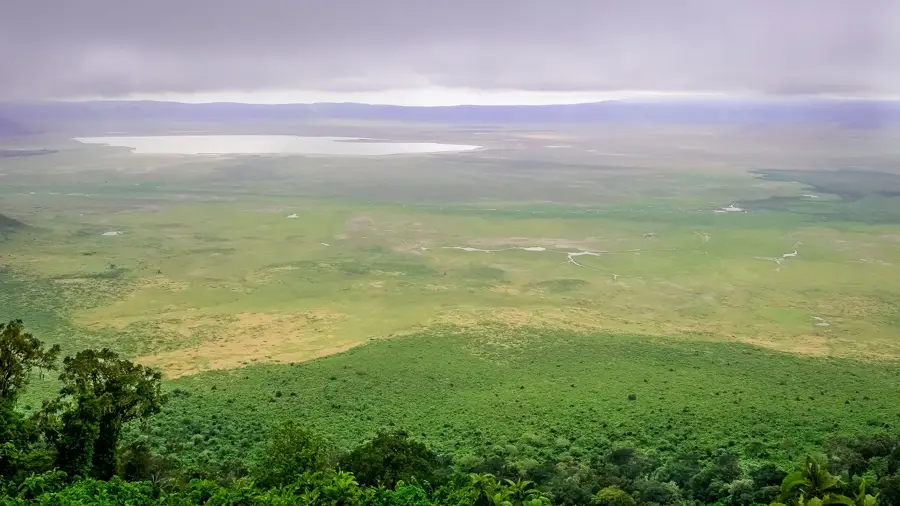
The Ngorongoro Crater in northern Tanzania is the world's largest inactive, intact, and unfilled volcanic caldera, representing a unique natural sanctuary. It was formed approximately two to three million years ago when a massive volcano, which may have been as tall as Kilimanjaro, collapsed in on itself. The crater floor sits at an elevation of about 1,700 meters and spans an area of roughly 260 square kilometers, enclosed by steep walls that rise up to 600 meters high. This geographic barrier has fostered a self-contained ecosystem that is currently home to over 25,000 large animals, including a significant population of the rare black rhinoceros. The area was designated a UNESCO World Heritage site in 1979 and is also recognized as an International Biosphere Reserve. In addition to its wildlife, the region is culturally significant as the traditional grazing grounds for the Maasai people, showcasing a rare coexistence between human pastoralists and nature.

Best time to visit & climate

The most pleasant time to visit is Jul–Sep.

JanFebMarAprMayJunJulAugSepOctNovDec
Avg °C181818171615151618181818
Rain mm14310115319095185131979167151

📋 Practical info

🧭
Getting there
The crater is typically accessed via an authorized safari vehicle starting from the rim and descending into the caldera. All entry requires formal permits and usually must be done through official park gates with a licensed driver-guide.
📅
Best season
The dry season, usually between June and October, is considered the prime time for wildlife viewing as grass is shorter and animals gather near water sources. The green season gives memorable scenery and fewer crowds, though rain is frequent.
⛰️
Terrain & paths
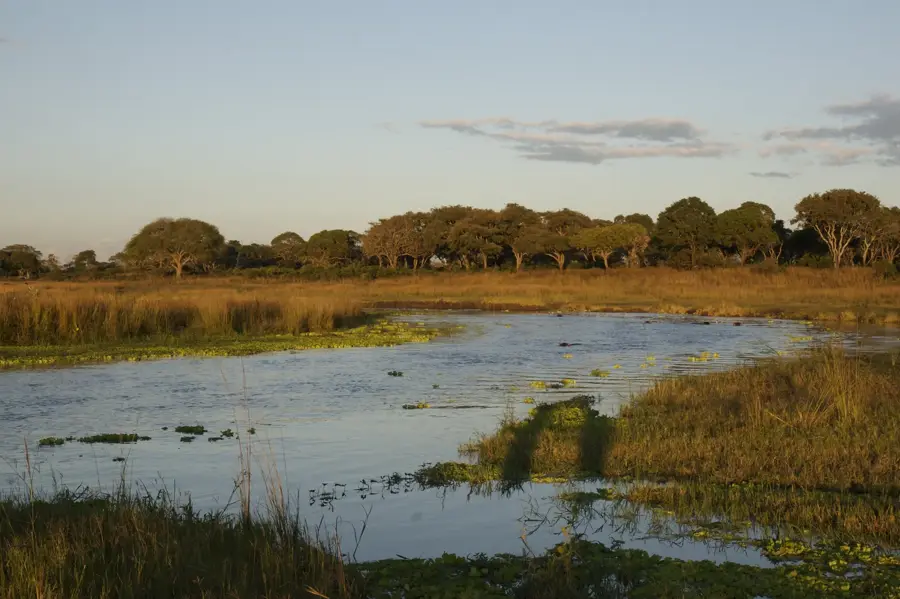
The caldera floor features a diverse mix of flat open grasslands, small woodlands, and seasonal soda lakes. The descent from the rim involves steep, rough dirt roads that only specially equipped 4x4 vehicles can safely navigate.
🎒
What to bring
Layers of clothing are highly recommended, as the crater rim can be very cold early in the morning before warming up significantly on the floor. Binoculars, a good camera, and strict sun protection are essential for this safari experience.
🅿️
Parking
Personal parking is not typically relevant as visitors must be driven by certified operators who park at designated lodges or campsite areas on the rim. Inside the crater, vehicles only stop at specific, designated picnic sites for brief periods.
⚠️
Safety
Visitors are strictly required to remain inside their vehicles at all times unless at an officially designated, secure picnic area. It is vital to respect the rules of the national park to maintain distance from the abundant, wild animals.
⏱️
Time needed
Park regulations usually restrict visitors to a maximum half-day (around six hours) permit down inside the crater to prevent overcrowding. Including travel to and from the rim, the entire excursion typically consumes a full morning or afternoon.

Geography

Coordinates
-3.15000, 35.58000

Facts

  • Crater floor area: 260 square kilometers
  • Caldera depth: approx. 600 meters
  • UNESCO World Heritage site since 1979
  • Animal population: over 25,000 large mammals
  • Age: 2 to 3 million years old
  • Location: Ngorongoro Conservation Area

Explore nearby

Notable places around
Route planner — Car & Motorhome

Where do you start? We build the route here, with stops and country notes along the way.

Vehicle
Only stops with (optional):

© OpenStreetMap contributors · OpenRouteService

Sights in the town Ngorongoro Crater (2)

Lion spot🌿 nature

A renowned vantage point on the Ngorongoro crater floor where local lion prides are frequently observed resting in the grass.

Ruins of Siedentopf's Farm🏺 historical

These stone remains belong to a farming settlement established in the Ngorongoro Crater by the German Siedentopf brothers prior to World War I.

Sights nearby

Frequently asked questions

Is the Ngorongoro Crater a national park?
It is a Conservation Area, not a pure national park.
How many days should I plan?
One or two days are sufficient for a comprehensive crater safari.
Can I see the 'Big Five'?
Yes, the chances are extremely high here.
Is photography allowed?
Yes, it is a paradise for wildlife photographers.
Do I need a special vehicle?
Yes, a 4x4 vehicle is mandatory for driving into the crater.
Ngorongoro Crater: where is it located?
Ngorongoro Crater is located in Tanzania.
Ngorongoro Crater: what is there to see?
Highlights include Lion spot, Ruins of Siedentopf's Farm.
Ngorongoro Crater: when is the best time to visit?
The most pleasant time to visit is Jul, Sep.
Ngorongoro Crater: why is it worth visiting?

The Ngorongoro Crater in northern Tanzania is the world's largest inactive, intact, and unfilled volcanic caldera, representing a unique natural sanctuary.
View on map → The Top 50 Attractions → OpenStreetMap →
Africa
Explore with Plizio Discover more places in Africa
More places in Tanzania →

Nearby cities

History & landmarks

Nature
More places