Näfels Procession (Näfelser Fahrt)
On the first Thursday in April this Glarus custom commemorates the 1388 Battle of Näfels. A procession with music, drummers and choir marches from Glarus to Näfels, followed by a service and speeches.
PlizioGo
Try this traditional flaky pastry filled with almond or plum purée at a bakery along the main street.
Look for this hearty pasta dish made with the strong-smelling local green cheese (Schabziger) in traditional taverns.
Order a fresh pint from the local Glarus brewery, widely available in pubs around the town center.
These colorful paisley bandanas are a historic local export; find them in boutique clothing or souvenir shops.
Pick up a cone of this bright green, herb-infused cheese at a local grocery store or dairy shop to take home.
Walk up the small hill to this historic chapel for a peaceful view over the rooftops of the grid city.
Stroll along the pedestrian paths by the Linth river, connecting Glarus with the neighboring village of Ennenda.
Water temperature…
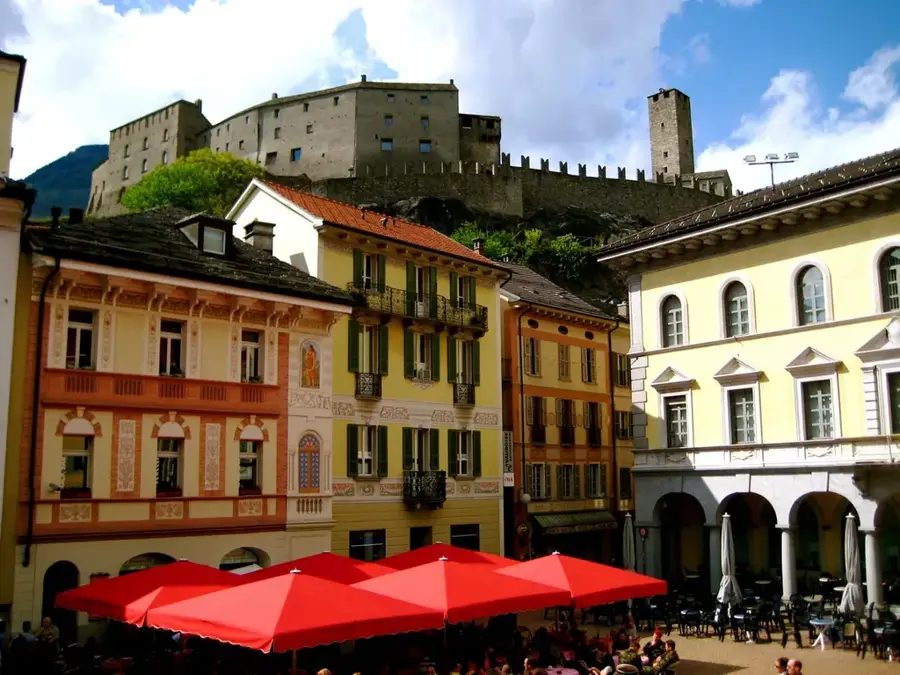
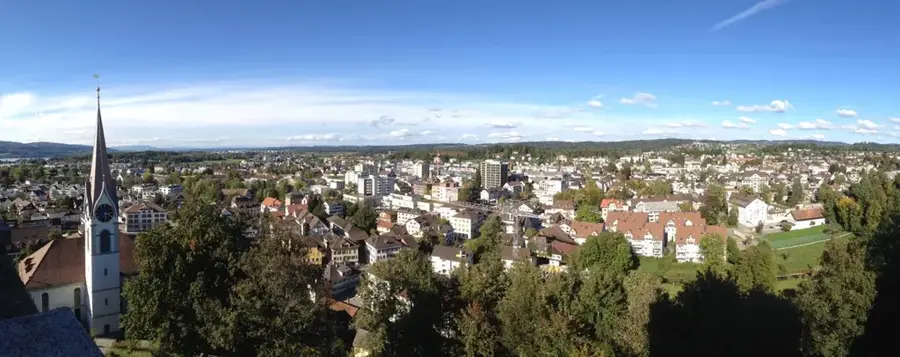
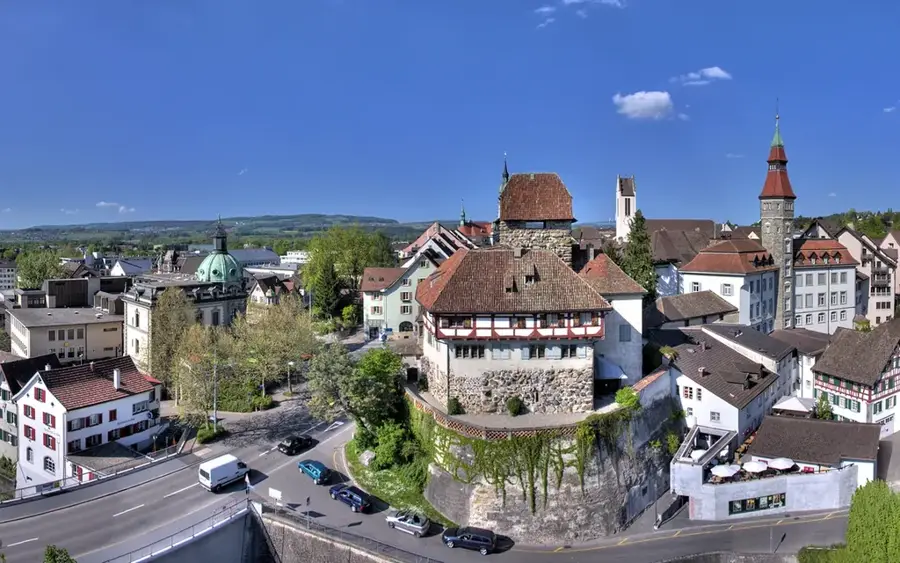
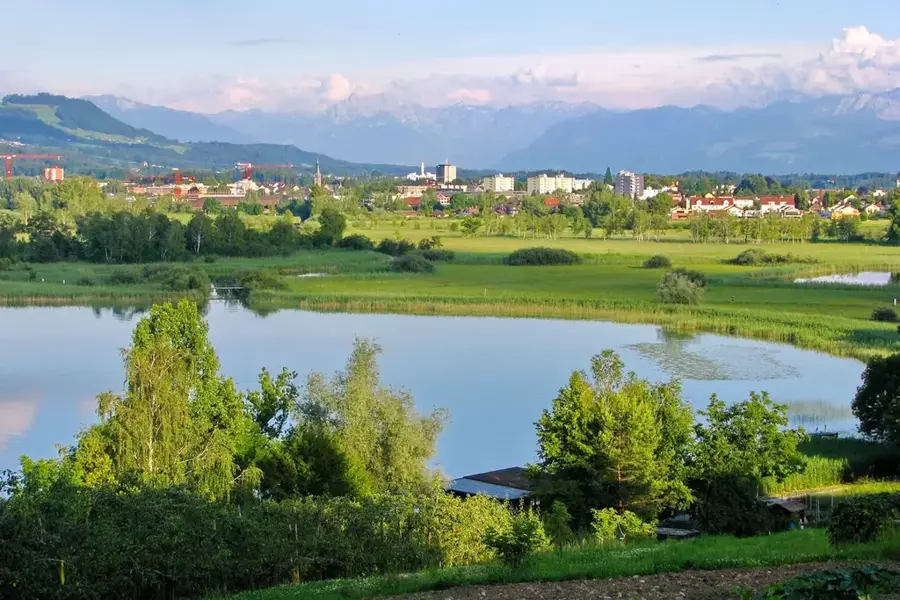
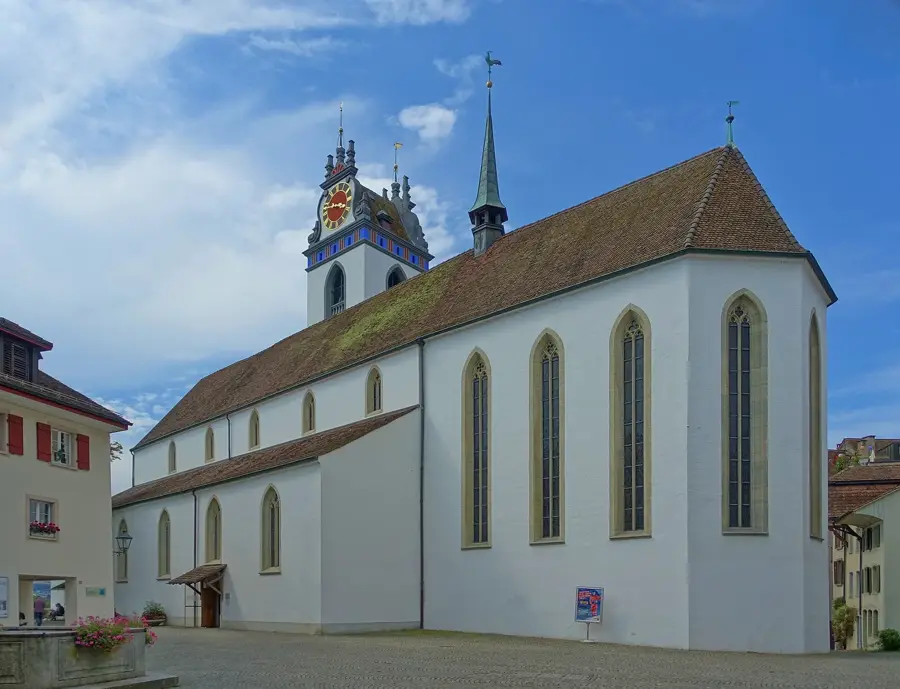
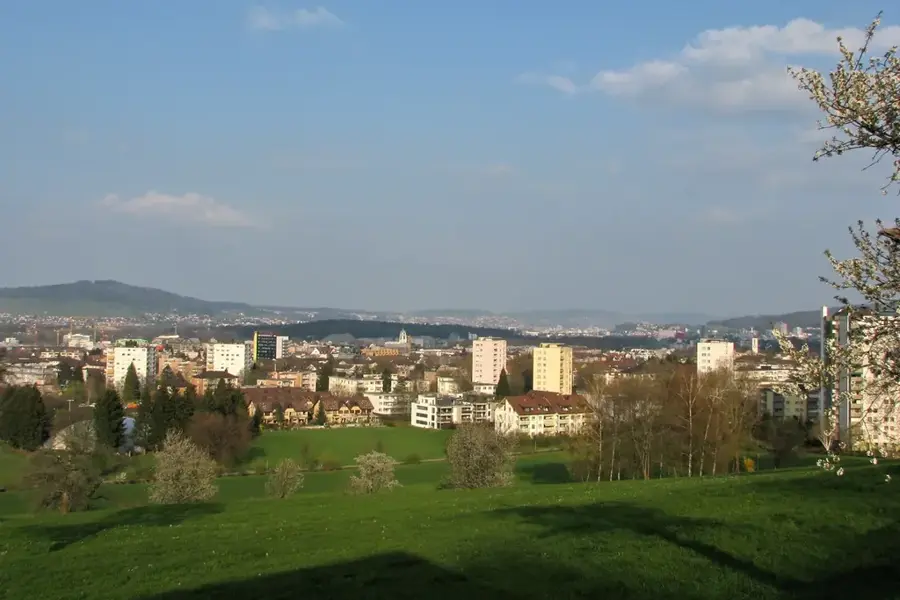
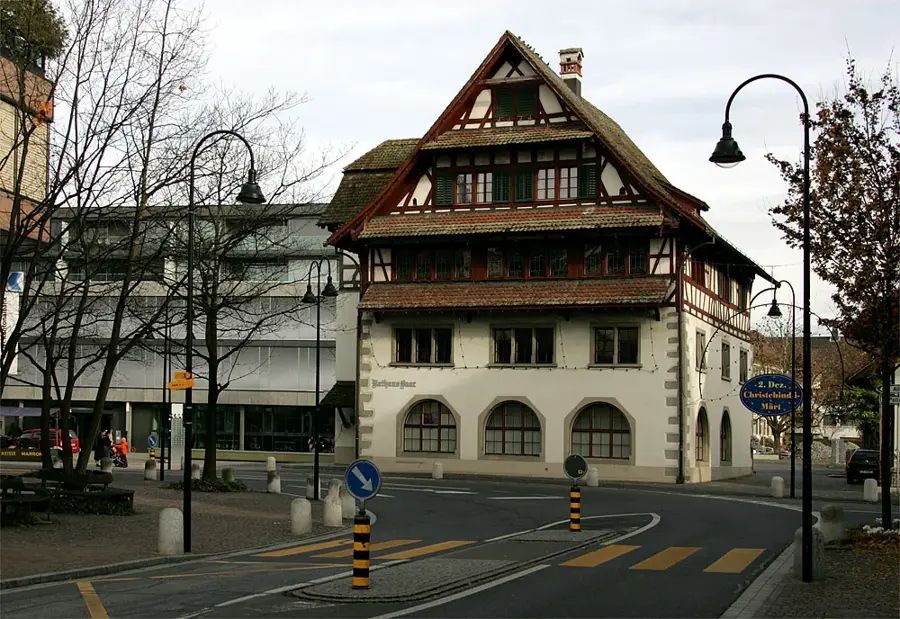
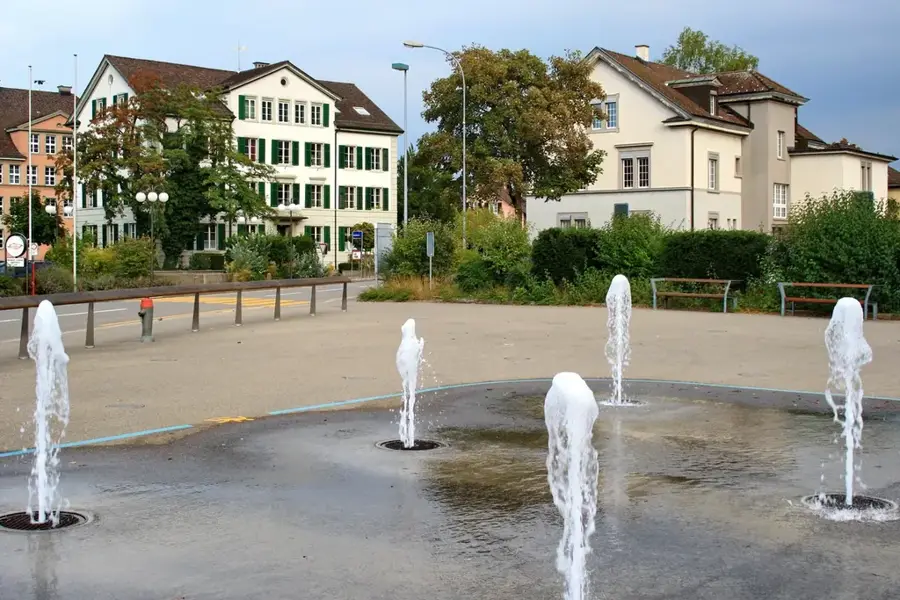
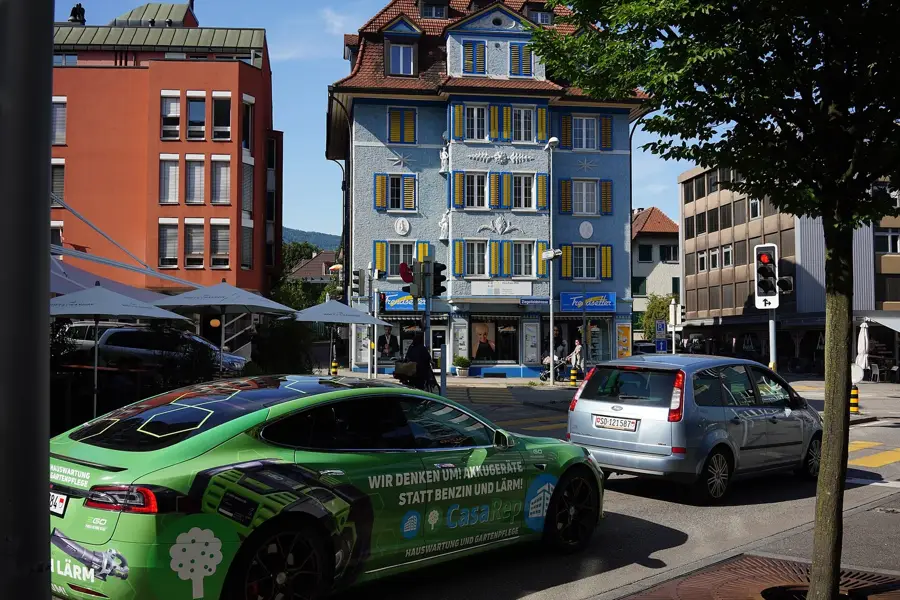
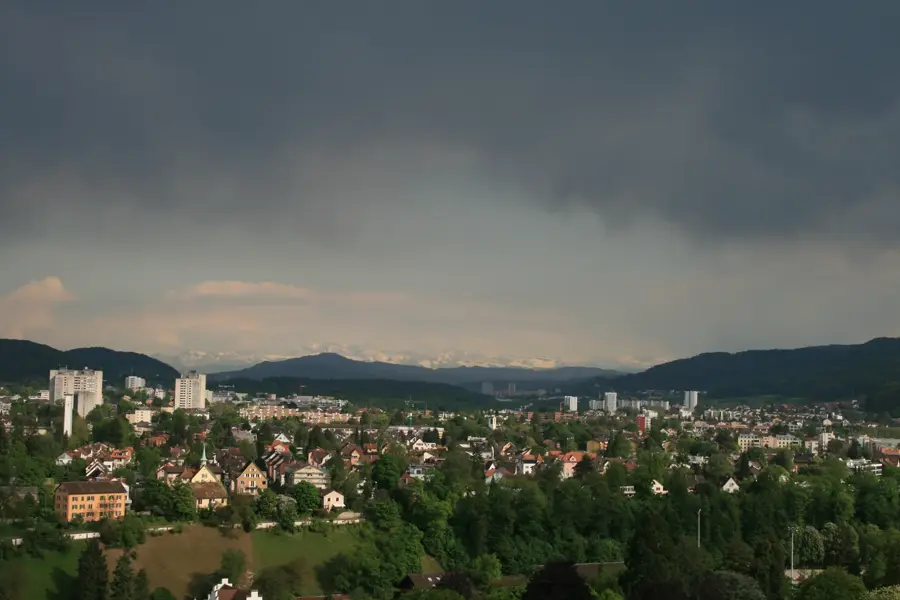
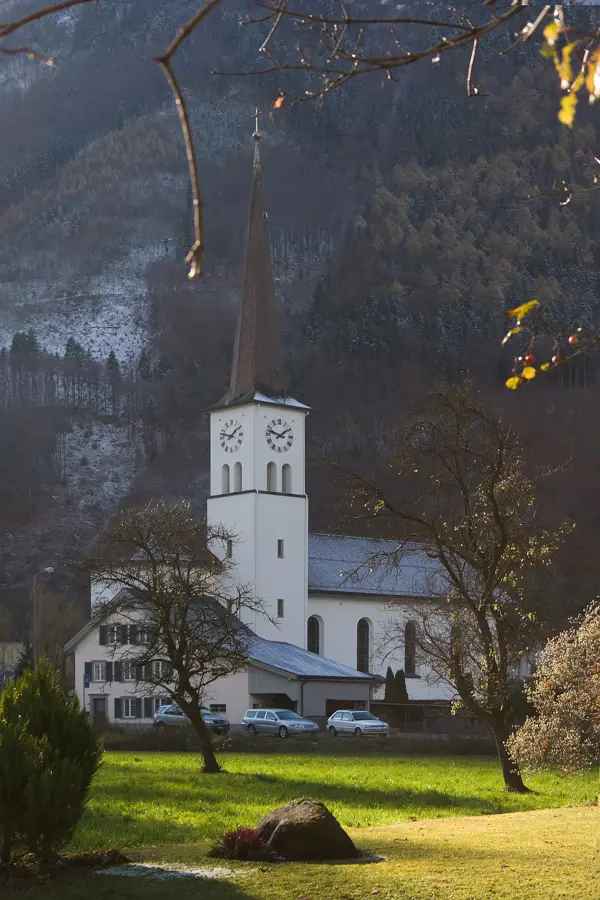
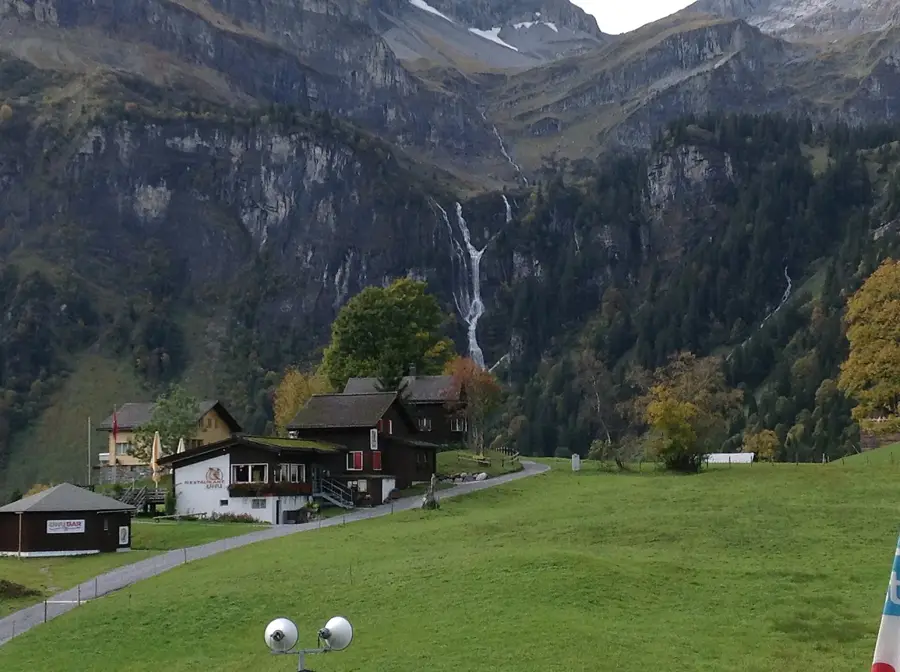
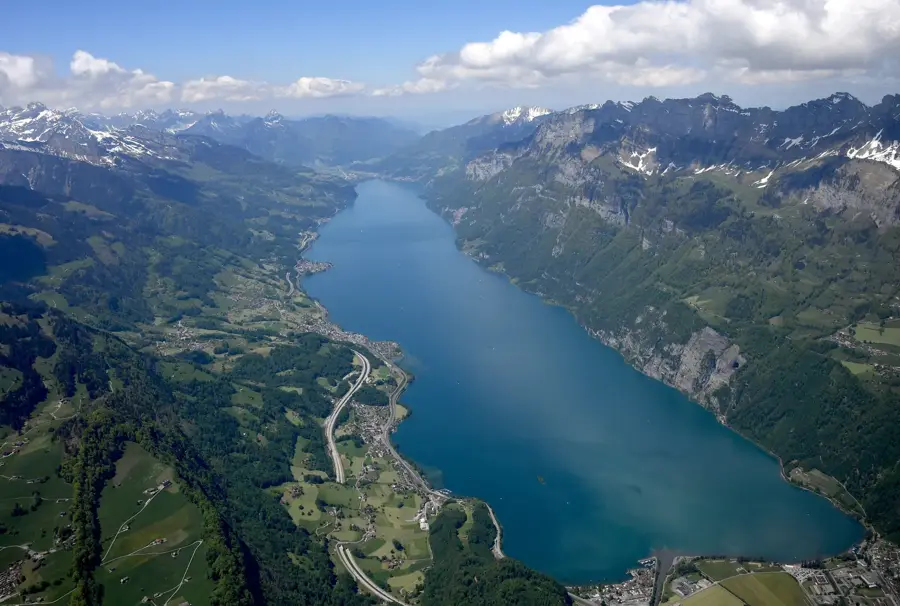
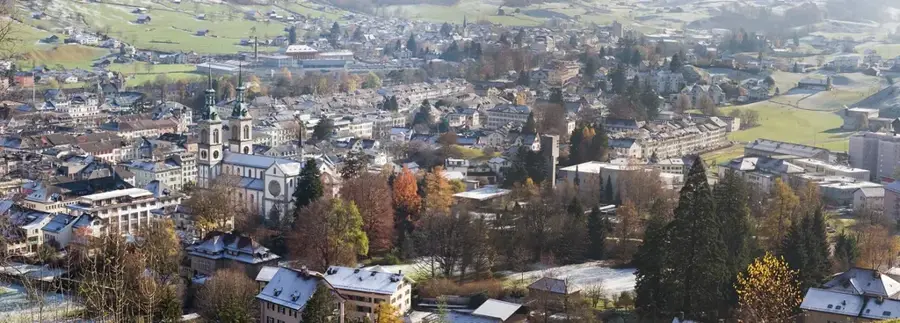
Glarus is the capital of the eponymous canton and is situated in the deep valley of the Linth at the foot of the Glärnisch massif. The city is architecturally unique in Switzerland, as it was rebuilt following a devastating fire in 1861 according to a strict gridiron plan. This modern urban design was intended to prevent future fires and gives the town a spacious, almost metropolitan feel despite its small size. Historically, Glarus was a center for the textile industry, particularly fabric printing, which led to great prosperity in the 19th century. A political curiosity is the Landsgemeinde, one of the oldest forms of direct democracy, which takes place annually in the open air at the town hall square. The Glarus region is also famous for its prominent mountain peaks and the renowned Schabziger cheese. Today, Glarus combines its industrial tradition with modern administration and serves as the cultural center of the region with a significant art museum. The surrounding mountains offer diverse opportunities for alpinism and hiking.
The most pleasant time to visit is Jul–Sep.
| Jan | Feb | Mar | Apr | May | Jun | Jul | Aug | Sep | Oct | Nov | Dec | |
|---|---|---|---|---|---|---|---|---|---|---|---|---|
| Avg °C | -4 | -4 | 1 | 5 | 10 | 14 | 16 | 15 | 11 | 7 | 2 | -3 |
| Rain mm | 101 | 81 | 102 | 107 | 163 | 176 | 173 | 190 | 124 | 110 | 103 | 106 |
See what it looks like near Glarus right now.
Glarus › South-east: Rathausplatz · 0.1 km · Open webcam on Windy · Webcams provided by Windy.com
Notable places around
Where do you start? We build the route here, with stops and country notes along the way.
© OpenStreetMap contributors · OpenRouteService
Your day in Glarus begins at the historic Landsgemeindeplatz, the heart of direct democracy. In the morning, you'll explore the impressive city church, a symbol of reconstruction. At noon, you'll delve into the world of art at the Kunsthaus and the moving history at the Anna Göldi Museum. The afternoon invites you for a relaxing break in the Volksgarten by the river before rounding off the day with a view of the stately Courthouse. A walk full of history and culture.
A rainy day in Glarus starts at the main square, where reflections dance on the wet stones. The city church provides a dry sanctuary and peaceful Neo-Gothic architecture. Spend the afternoon immersed in culture at the Kunsthaus and Anna Göldi Museum, perfect indoor retreats. The walk concludes at the courthouse, showing the town's resilient 19th-century spirit.
Winter magic in Switzerland's smallest cantonal capital starts at the square against a backdrop of snowy peaks. The city church offers a warm, contemplative moment. In the afternoon, dive into history at the museums while snow blankets the Volksgarten outside. The day ends early as dusk falls over the grand, illuminated courthouse.
Get on your bike and start at Landsgemeindeplatz. The morning takes you to the city church and for a break in the Volksgarten. A double dose of culture awaits you at noon at the Kunsthaus and the Anna Göldi Museum. In the afternoon, you'll cycle to architectural highlights like the Cantonal School and the Güterschuppen cultural center before finishing your tour at the imposing Courthouse. An active way to experience the diversity of Glarus.
Cycling through rainy Glarus requires proper gear but rewards you with empty paths. From the square, head to the sheltering church. A long stay at the Kunsthaus and Anna Göldi Museum is perfect for letting your clothes dry. Riding to the Cantonal School and Güterschuppen shows the town's industrial side through the mist.
Winter cycling in Glarus is an adventure set among snow-capped peaks. The flat valley roads are usually well-cleared. After starting at the square, the church offers a quiet moment. The museums are vital warming stations before you continue to the Cantonal School and the cultural hub at Güterschuppen.
Arrive by car, park centrally, and explore Glarus on foot. The morning is dedicated to the political and religious center around Landsgemeindeplatz and the city church. At noon, the Kunsthaus and the Anna Göldi Museum form a dense cultural cluster. In the afternoon, relax in the Volksgarten before strolling back to your car. This tour combines the convenience of a car with the intimacy of a city walk.
Rainy Glarus is easily explored by car. Use central parking lots to keep the walks to the square and church short and dry. The southern cultural cluster provides excellent indoor activities for several hours. A brief walk in the Volksgarten completes the visit before you return to your dry vehicle.
A winter drive to Glarus offers spectacular views of the Glarner Alps. The town is well-prepared for snow. Start near the center at the square and the church. The southern cultural cluster provides a warm retreat while the mountain peaks glow in the winter sun outside. The visit concludes as the city lights twinkle in the early darkness.