Plizio Visual Lab
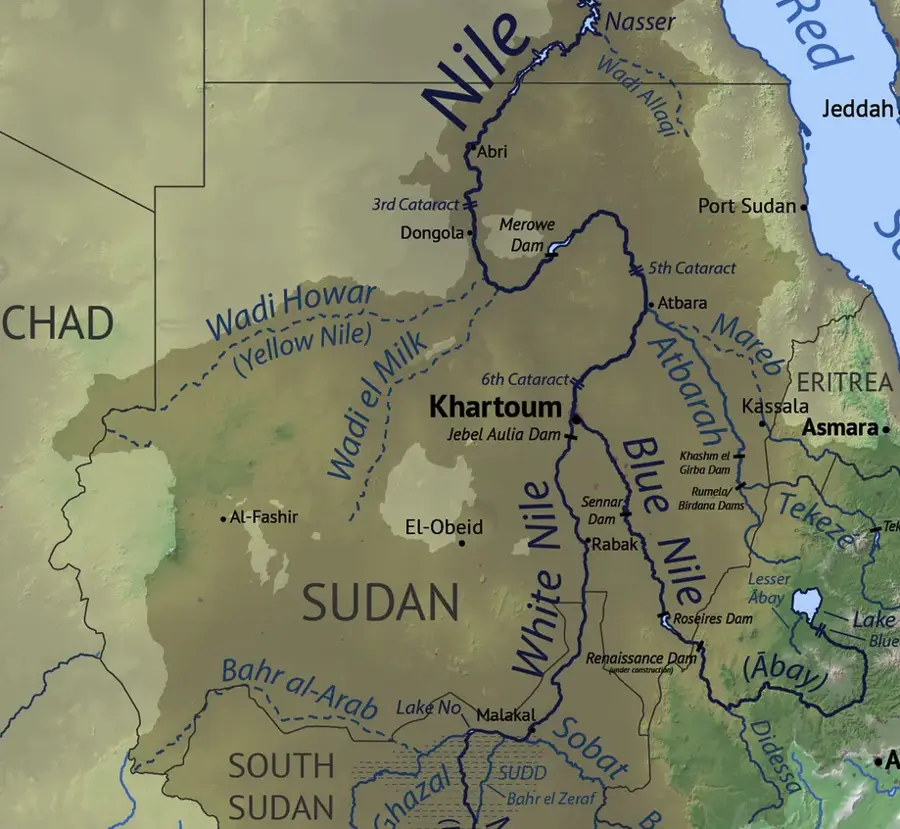
Wadi el-Milk
Weather…
Water temperature…
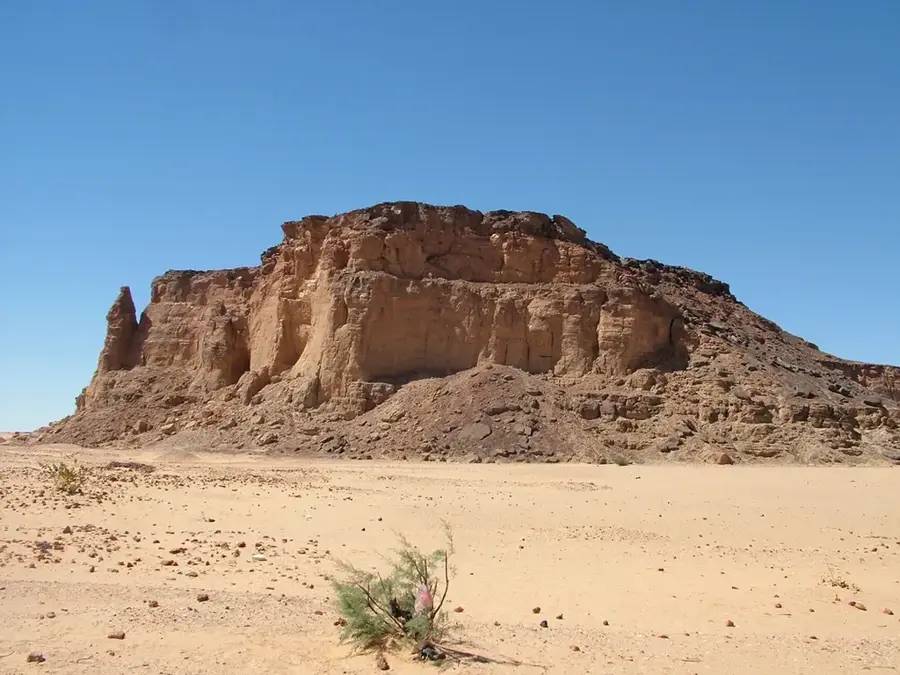
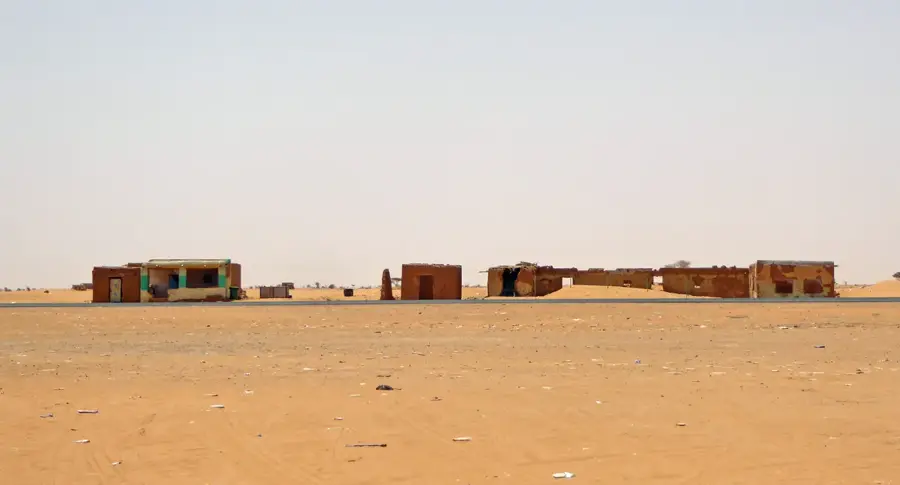
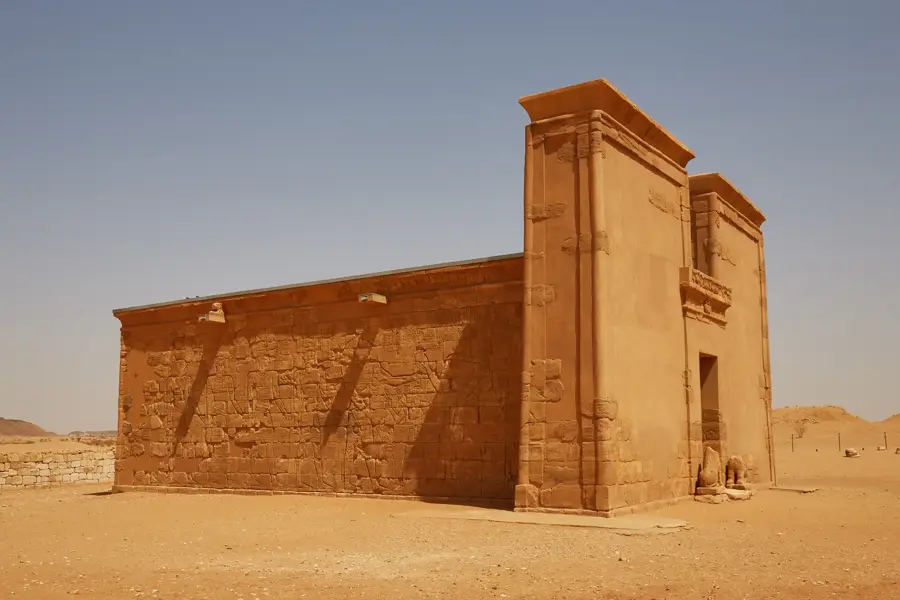
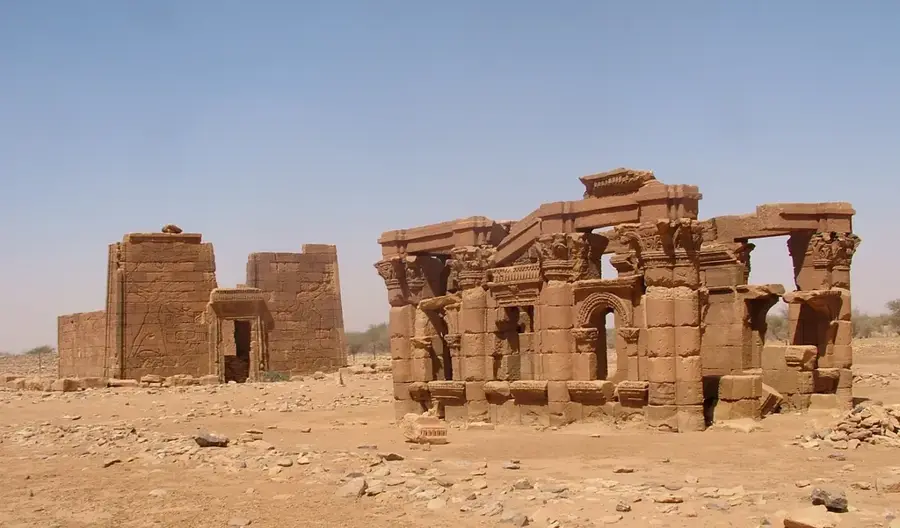
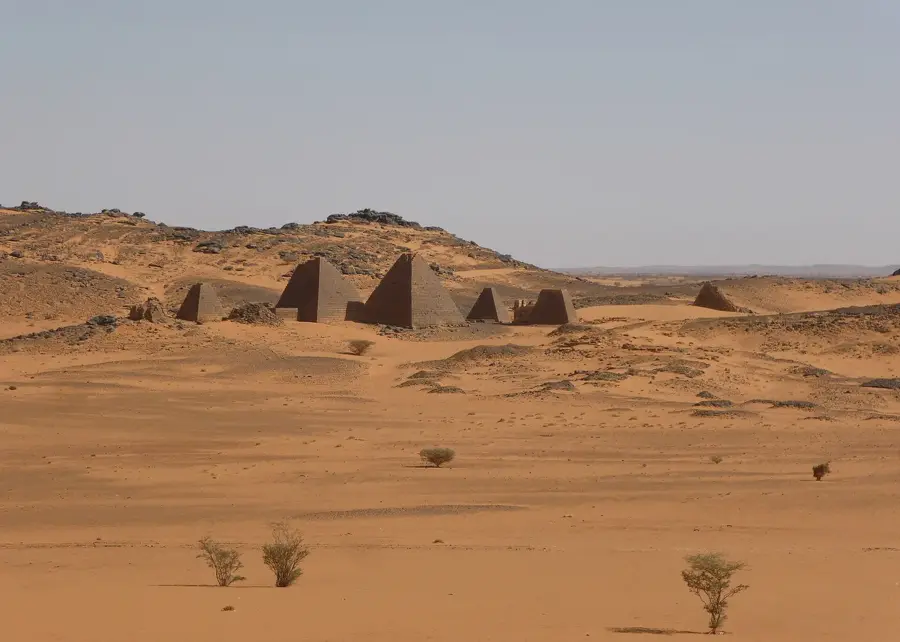
Wadi el-Milk is a massive, mostly dry river valley in northern Sudan, extending over a length of approximately 560 kilometers. It begins at the border between the Darfur and Kordofan regions and flows in a north-northeasterly direction until it enters the Nile near Ed Debba. Geomorphologically, the wadi is a remnant of a once water-rich river system from the early Holocene, when the Sahara was significantly wetter. The relief of the wadi is characterized by broad sandy plains, fossilized tree trunks, and deep sediment layers providing valuable information about past climatic periods. Historically, Wadi el-Milk was one of the most important caravan routes connecting Central Africa with Egypt, known as part of the 'Darb el-Arba'in' or 40 Days Road. Numerous archaeological sites along its course indicate a long history of human presence. Today, the wadi is used seasonally by nomads who lead their herds to the remaining water points and grazing areas. The landscape gives a harsh, almost surreal aesthetic that reflects the dramatic climatic changes of North Africa.
Best time to visit & climate
The most pleasant time to visit is Jan, Feb, Dec.
| Jan | Feb | Mar | Apr | May | Jun | Jul | Aug | Sep | Oct | Nov | Dec | |
|---|---|---|---|---|---|---|---|---|---|---|---|---|
| Avg °C | 19 | 22 | 25 | 29 | 33 | 34 | 34 | 34 | 34 | 31 | 24 | 20 |
| Rain mm | 0 | 0 | 0 | 0 | 2 | 0 | 13 | 25 | 3 | 2 | 0 | 0 |
📋 Practical info
Geography
Facts
- Wadi el-Milk has a total length of approximately 560 kilometers.
- It joins the Nile near Ed Debba, south of the 4th cataract.
- Fossilized wood in the wadi bed proves the existence of ancient forests.
- The wadi was part of the 'Darb el-Arba'in', a route for slave and gold trade.
- Geological studies show that the river flowed permanently 10,000 years ago.
- Neolithic stone tools are often found on the surface in the region.
Explore nearby
Notable places around



Route planner — Car & Motorhome
Where do you start? We build the route here, with stops and country notes along the way.
© OpenStreetMap contributors · OpenRouteService
Sights nearby
Frequently asked questions
What is Wadi el-Milk?
Is the road safe?
Are there wild animals?
When is the best time to come?
Do I need a lot of supplies?
Wadi el-Milk: where is it located?
Wadi el-Milk: when is the best time to visit?
Wadi el-Milk: why is it worth visiting?

Nearby cities
History & landmarks
Nature
More places