Plizio Visual Lab
Berber
ℹ️Practical info — Berber
▾
🌤 Weather — 5 days
📍 Nearby
Sights nearby
💡 Tips
- Berber is a historically significant trading town, but tourist infrastructure is very limited; arrange accommodation and transport well in advance.
- The summer heat is intense; plan your activities for the early morning or late afternoon to avoid the midday sun.
- The local culture is deeply traditional; dress very modestly, keeping shoulders and knees covered at all times.
- English is rarely spoken outside of official settings; having a few basic Arabic phrases or a local guide will immensely improve your experience.
🍽 Food
Slow-cooked fava beans served with oil and bread, a traditional breakfast staple found in small local eateries.
Spiced, grilled meat, usually lamb or beef, cooked over hot coals and available from street side vendors in the evening.
Heavily sweetened black tea, sometimes flavored with mint or spices, central to Sudanese hospitality and found at every cafe.
🛍 Shopping · 🧘 Quiet spots
A dusty, animated hub where locals buy fresh produce, spices, and everyday necessities.
Look around the market edges for traditional woven baskets and simple pottery.
A short distance from the town center, offering a tranquil place to watch local fishing boats and the sunset.
Walk around the agricultural areas near the river for a peaceful, shaded escape from the town's dust.
Water temperature…
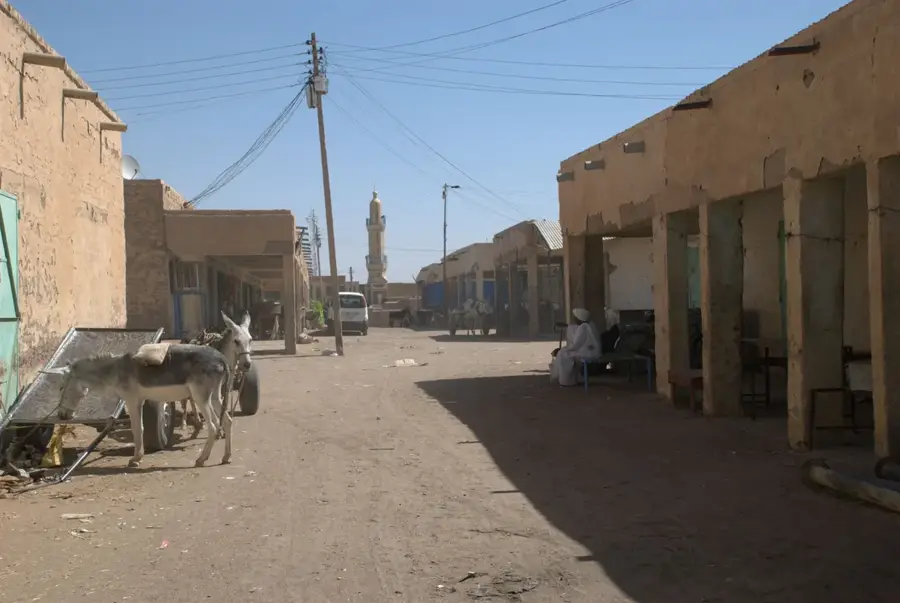
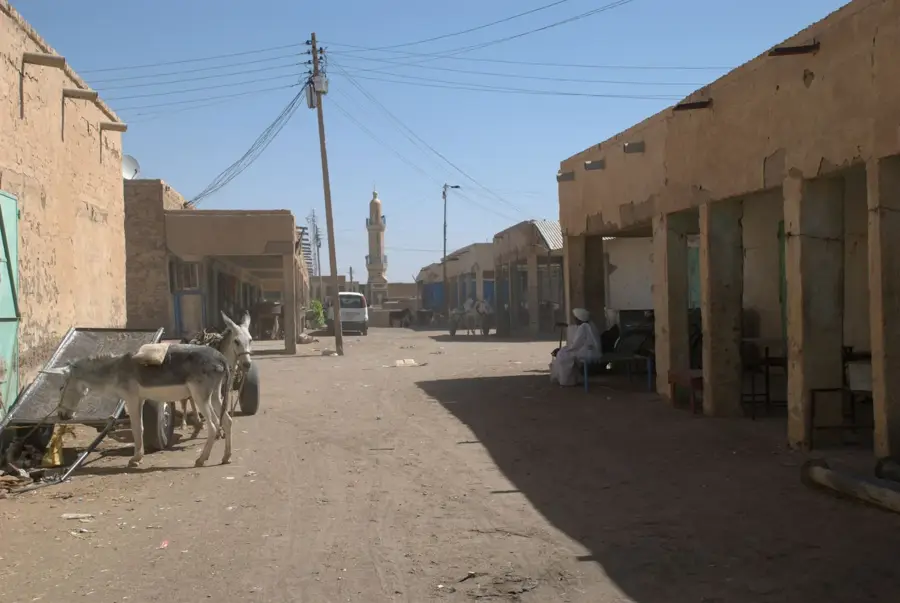
Berber is a historic town in Sudan's River Nile state, positioned on the eastern bank of the Nile north of Atbara. For centuries, Berber served as a pivotal junction for caravan routes connecting the Nile Valley with the Red Sea coast and Egypt. The town attained significant prominence during the 19th-century Ottoman-Egyptian rule as a key administrative and commercial center. Its urban layout is characterized by traditional mud-brick architecture and narrow alleys that evoke its rich trading history. Today, Berber is a notable agricultural hub, where the fertile silt along the river supports the cultivation of wheat, beans, and dates. The town also maintains strong cultural traditions and is well-regarded for its local craftsmanship, particularly in leatherwork. Despite the rise of newer urban centers in the region, Berber retains its unique character as a gateway to the desert and a repository of deeply rooted Sudanese heritage.
- Location: Sudan
- Population: ~26.203 (2024)
Best time to visit & climate
The most pleasant time to visit is Jan, Feb, Dec.
| Jan | Feb | Mar | Apr | May | Jun | Jul | Aug | Sep | Oct | Nov | Dec | |
|---|---|---|---|---|---|---|---|---|---|---|---|---|
| Avg °C | 21 | 23 | 26 | 30 | 34 | 36 | 35 | 35 | 35 | 32 | 26 | 22 |
| Rain mm | 0 | 0 | 0 | 1 | 2 | 0 | 7 | 12 | 3 | 1 | 0 | 0 |
Geography
Facts
- Berber was the primary starting point for caravans heading to Suakin on the coast.
- The town is situated at an elevation of about 345 meters above sea level.
- It was a major strategic site during the Mahdist War in the late 19th century.
- The local economy relies on Nile-fed agriculture, specifically date palms.
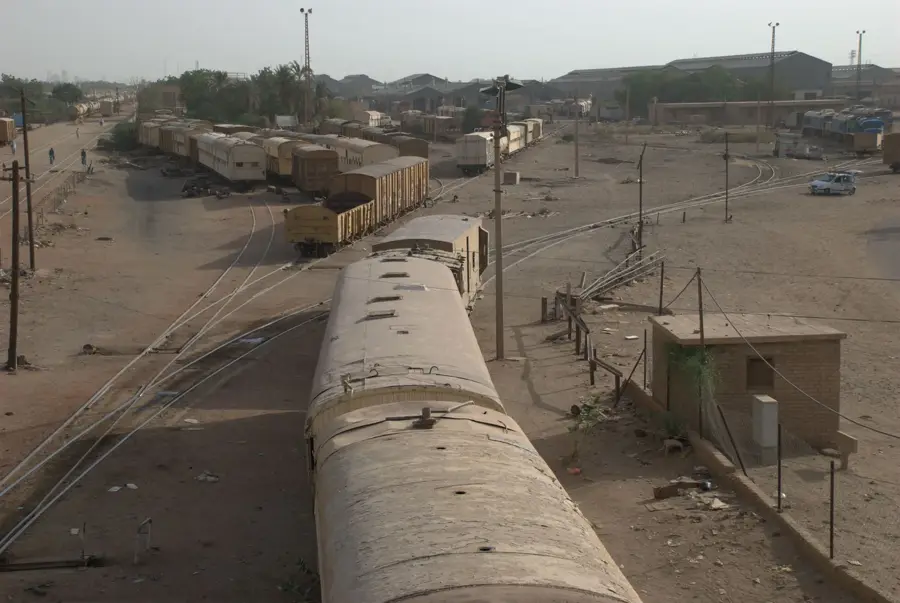
- Berber is located on the main railway line connecting Khartoum to Wadi Halfa.
- The town was historically famous for its markets selling ivory and gold.
Explore nearby
Notable places around




Route planner — Car & Motorhome
Where do you start? We build the route here, with stops and country notes along the way.
© OpenStreetMap contributors · OpenRouteService
Sights in the town Berber (1)
Frequently asked questions
What is the origin of the name Berber?
Is Berber located in a green zone?
Is the city suitable for tourists?
What can you see there?
How is the access?
Berber: where is it located?
Berber: when is the best time to visit?
Berber: why is it worth visiting?

Nearby cities
History & landmarks
Nature
More places