Plizio Visual Lab

Madu Ganga
Plizio editorial teamData Sources
River
—°9
Madu Ganga (Sri Lanka)

Weather…

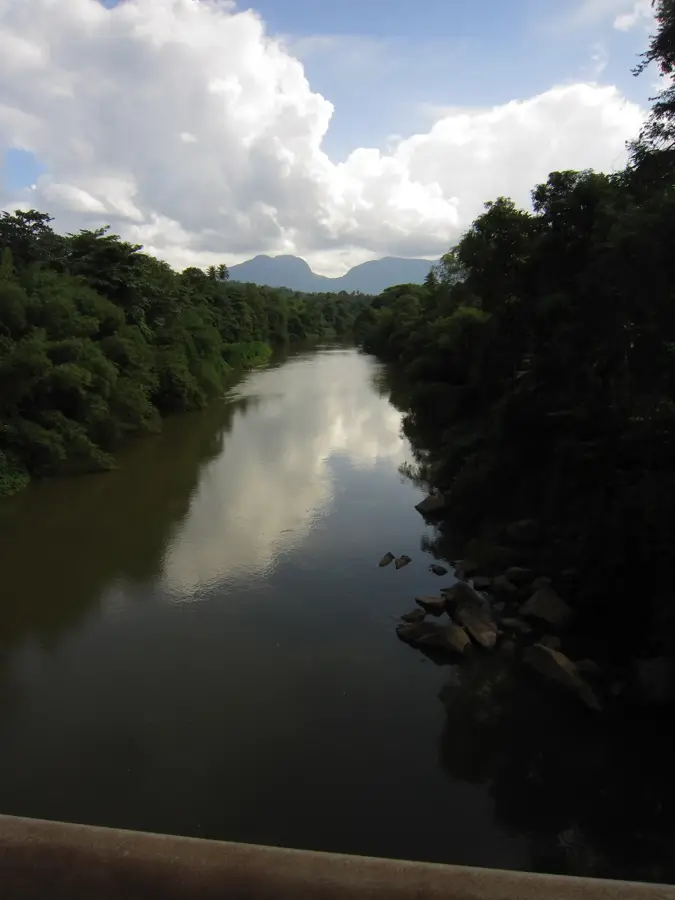
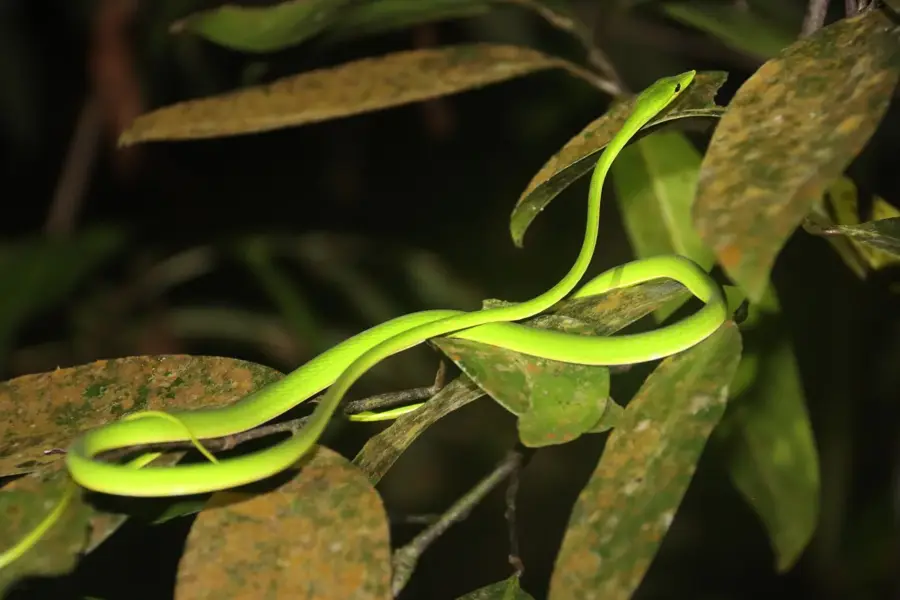
Madu Ganga is a complex estuary landscape in Balapitiya, southwestern Sri Lanka, renowned for its immense biological diversity. The wetland spans over 915 hectares and includes a multitude of islands, about 15 to 25 of which are currently inhabited or accessible to tourists. The region is lined with dense mangrove forests, which provide a vital ecosystem for numerous fish species, birds, and reptiles. One of its cultural highlights is the Kothduwa temple, located on one of the islands, featuring a reclining Buddha statue. Madu Ganga has been designated as a Ramsar wetland due to its global ecological significance, highlighting its status in international conservation. Tourists frequently use the waterways for boat safaris, where they can observe traditional fishing methods and local cinnamon production, which has been practiced on the islands for generations.

Best time to visit & climate

The most pleasant time to visit is Jan, Feb, Jul.

JanFebMarAprMayJunJulAugSepOctNovDec
Avg °C262727282827262627262626
Rain mm8985128239244155114135187302332193

📋 Practical info

🧭
Getting there
The river ecosystem is highly accessible from the coastal town of Balapitiya, located along the main southern highway. Numerous tour operators are situated right next to the main bridge.
📅
Best season
Boat safaris run year-round, but conditions are most favorable from December to March when the weather is consistently sunny. Heavy monsoon rains can make boat rides less enjoyable.
⛰️
Terrain & paths
Exploration is done almost entirely by motorized boats weaving through dense mangrove tunnels and open river waters. Visitors only briefly disembark onto relatively flat, sandy river islands.
🎒
What to bring
A wide-brimmed hat, strong sunscreen, and sunglasses are vital to cope with the intense glare from the water. Bring a waterproof bag or cover to protect your camera from unexpected splashes.
🅿️
Parking
Most boat operators offer free, secure parking at their starting docks right off the main road. The parking areas are generally monitored and safe for tourists leaving their vehicles.
⚠️
Safety
Ensure your boat operator provides appropriately sized life jackets before you leave the dock. Be cautious of low-hanging mangrove branches while passing through the narrow river tunnels.
⏱️
Time needed
A standard boat safari typically lasts between one and a half to two hours. This gives ample time to navigate the mangroves, see local temples, and visit small island communities.

Geography

Coordinates
6.27300, 80.05200

Facts

  • The Madu Ganga estuary covers a total area of approximately 915 hectares.
  • The region was designated as a Ramsar wetland in 2003.
  • Originally there were 64 islands, but only about 25 are visible today.
  • Kothduwa temple is a significant religious site located on one of the islands.
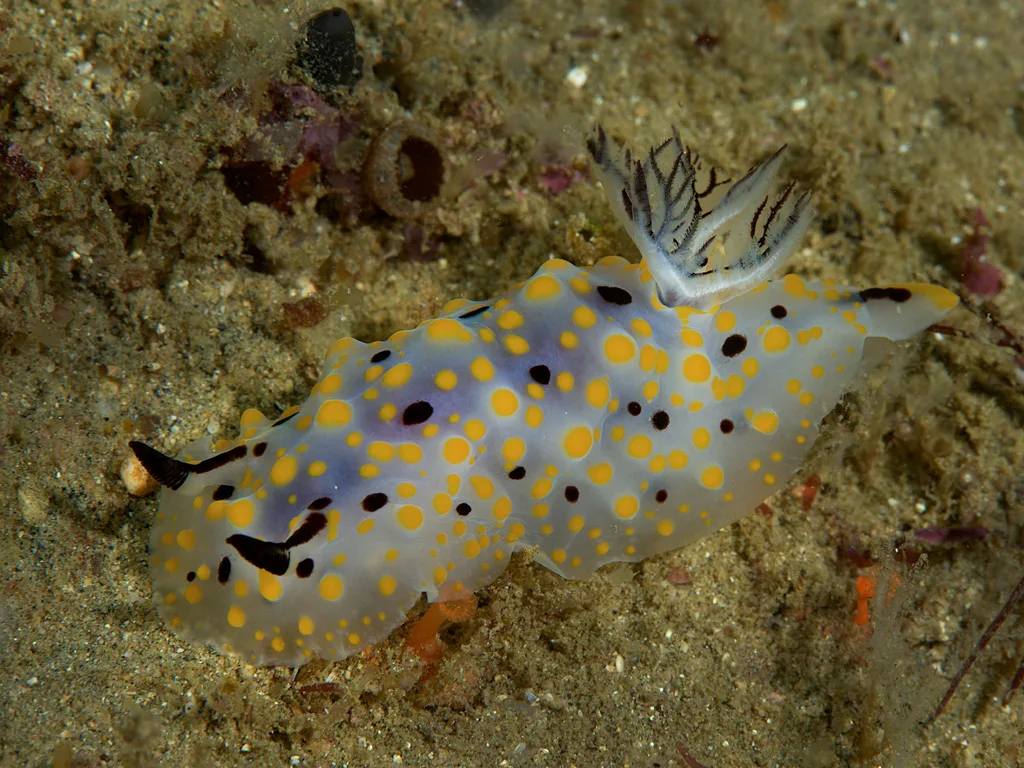
  • The ecosystem supports over 300 species of diverse plants and animals.
  • Traditional cinnamon peeling is a major livelihood for the island residents.

Explore nearby

Notable places around

Route planner — Car & Motorhome

Where do you start? We build the route here, with stops and country notes along the way.

Vehicle
Only stops with (optional):

© OpenStreetMap contributors · OpenRouteService

Sights in the town Madu Ganga (9)

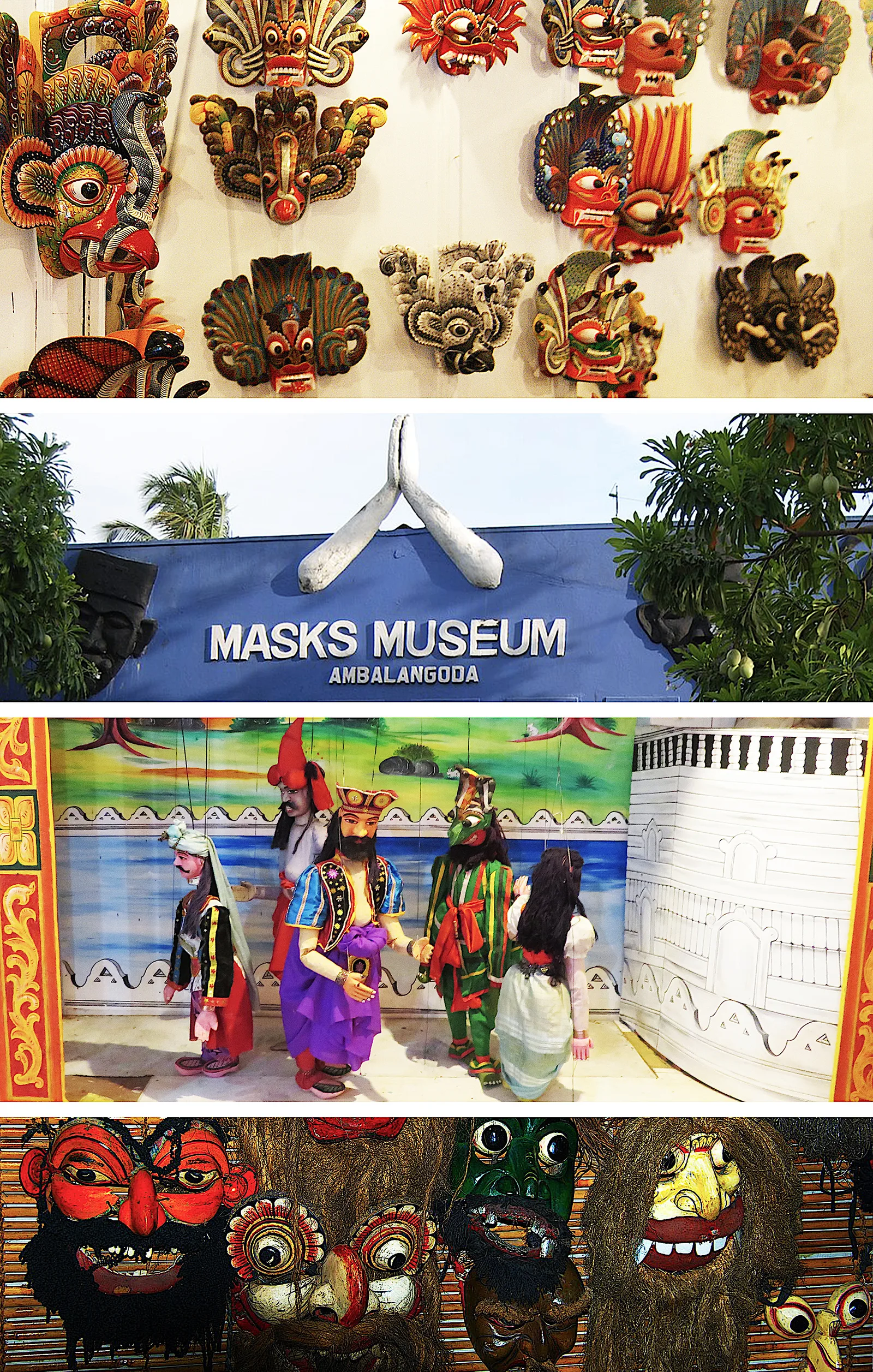
Tukkawadu Mask Museum🏛 museum

This museum by the Madu River is dedicated to the art of traditional Sri Lankan mask carving.

Ariyapala Masks Museum🏛 museum

A renowned museum in Ambalangoda showcasing an extensive collection of ritual Kolam masks.

Puppet Museum🏛 museum

This museum preserves the rare art of traditional Rukada puppetry from the Ambalangoda region.

🕒 Mo-Fr 09:00-18:00

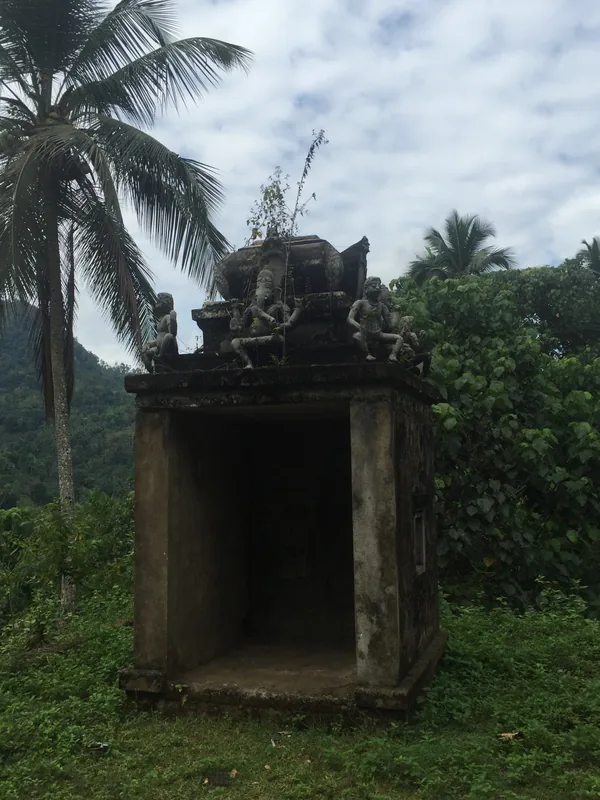
Poramba Paththini Devalaya⛪ religious

A Hindu shrine dedicated to the goddess Paththini, serving as an important religious site along the Madu River.

Firday Fair🎭 culture

A local weekly market held every Friday, supplying the Madu River region with fresh produce.

Wednesday Fair🎭 culture

This Wednesday market is an important trading hub for agricultural products from the Madu River hinterland.

Madu River Safari No 07📍 landmark

A boat safari taking visitors through the mangrove forests and to the cinnamon islands of the Madu Ganga.

Kuleegoda Temple📍 landmark

A peaceful Buddhist temple located near the wetlands of the Madu River.

Rankoth Viharaya Temple📍 landmark

This temple is characterized by its classic white stupa, which is visible from afar in the landscape.

Sights nearby

Frequently asked questions

What is the highlight of a Madu River tour?
The mangrove tunnels, Cinnamon Island, and fish pedicure are the main attractions.
How much does a boat tour cost?
Prices vary depending on group size but are usually between 15 and 30 euros per boat.
Where do the boats start from?
Most tours start from Balapitiya, a town on the southwest coast of Sri Lanka.
Is the fish therapy safe?
Yes, it is a popular experience where tiny fish nibble away dead skin cells from your feet.
Can you see birds on the river?
Yes, the wetland is home to over 100 bird species, including cormorants and kingfishers.
Madu Ganga: where is it located?
Madu Ganga is located in Sri Lanka.
Madu Ganga: what is there to see?
Highlights include Tukkawadu Mask Museum, Ariyapala Masks Museum, Puppet Museum.
Madu Ganga: when is the best time to visit?
The most pleasant time to visit is Jan, Feb, Jul.
Madu Ganga: why is it worth visiting?
Madu Ganga is a complex estuary landscape in Balapitiya, southwestern Sri Lanka, renowned for its immense biological diversity.
View on map → The Top 50 Attractions → OpenStreetMap →
Asia
Explore with Plizio Discover more places in Asia
More places in Sri Lanka →

Nearby cities

History & landmarks
Nature

More places