Plizio Visual Lab
Las Huelgas Monastery
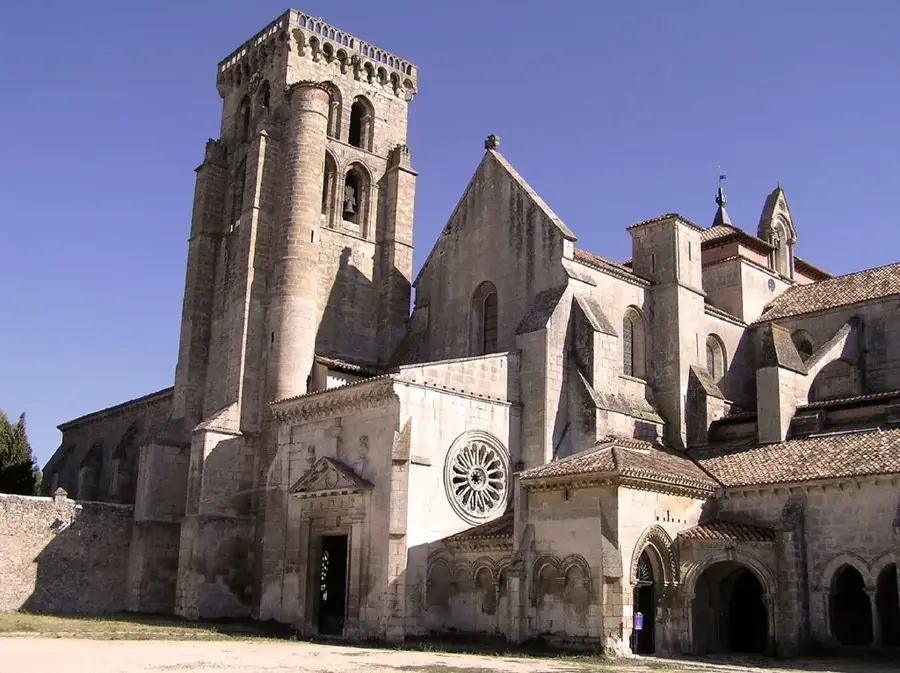
The Royal Monastery of Las Huelgas in Burgos is one of Spain's most historically and artistically significant Cistercian convents. Founded in 1187 by King Alfonso VIII and Eleanor of England, it was intended as a royal pantheon and a prestigious retreat for noble women. For centuries, the abbesses of Las Huelgas wielded extraordinary power, holding civil and ecclesiastical authority that was independent of local bishops and accountable only to the King. The architectural complex is a masterpiece of transition from Romanesque to Gothic, featuring beautiful cloisters and chapels adorned with Mudéjar plasterwork. A highlight for visitors is the 'Museo de Ricas Telas,' which houses a world-renowned collection of medieval textiles and royal garments recovered from the royal tombs. The monastery was the setting for several royal coronations and weddings, emphasizing its central role in the history of the Kingdom of Castile. Today, it is part of the Spanish National Heritage and remains an active cloistered community, preserving its solemn and regal atmosphere.
- Location: Galicia, Spain
- Top sights: Iglesia de San Antonio Abad · Museo de Telas Medievales de Burgos · Arco del Amparo
- Nearby: Ezcaray (58 km)
Best time to visit & climate
The most pleasant time to visit is Jun–Aug.
| Jan | Feb | Mar | Apr | May | Jun | Jul | Aug | Sep | Oct | Nov | Dec | |
|---|---|---|---|---|---|---|---|---|---|---|---|---|
| Avg °C | 3 | 3 | 6 | 9 | 12 | 16 | 19 | 19 | 16 | 12 | 6 | 3 |
| Rain mm | 64 | 51 | 59 | 63 | 55 | 45 | 25 | 25 | 35 | 68 | 78 | 63 |
📋 Practical info
Geography
Facts
- The monastery was officially incorporated into the Cistercian order on June 1, 1187.
- The abbesses held the title of 'Prelate' and exercised authority over 64 villages.
- It serves as the final resting place for Alfonso VIII, Eleanor of England, and their heirs.
- The textile museum holds the only complete set of 13th-century royal clothes in Europe.
- The 'Las Huelgas Codex' is a vital manuscript for studying early European polyphony.
- The chapel of Santiago contains a mechanical statue of the saint used to dub knights.
Explore nearby
Notable places around
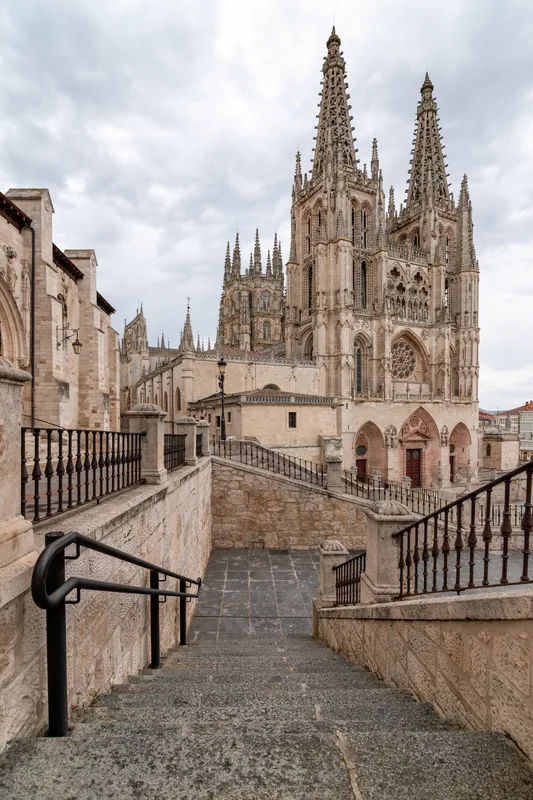
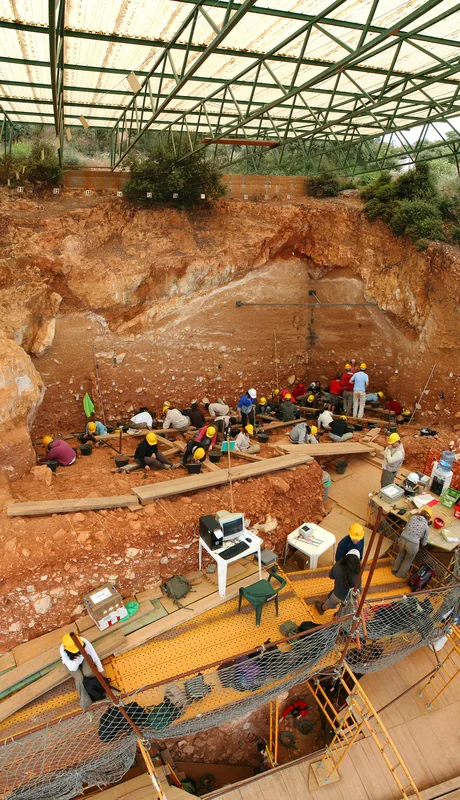
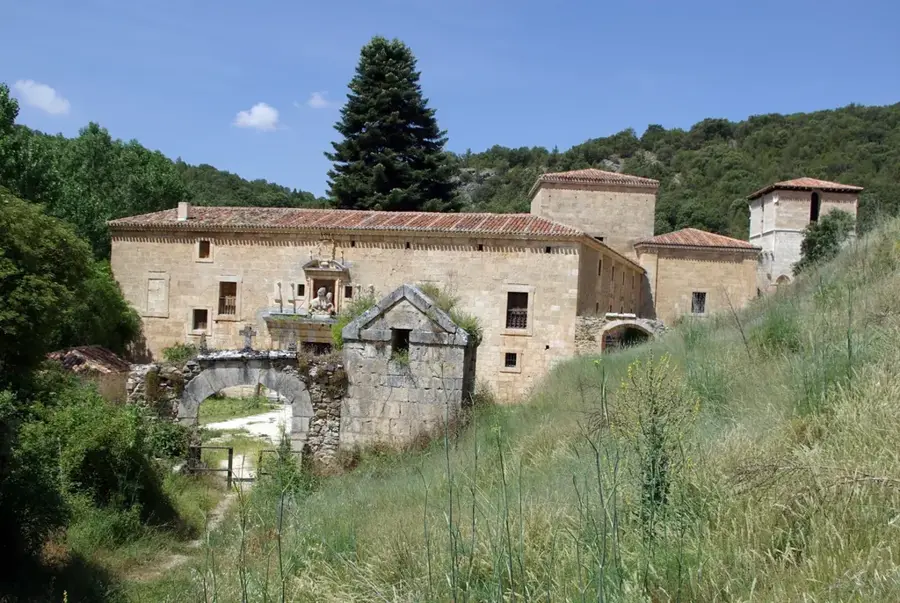
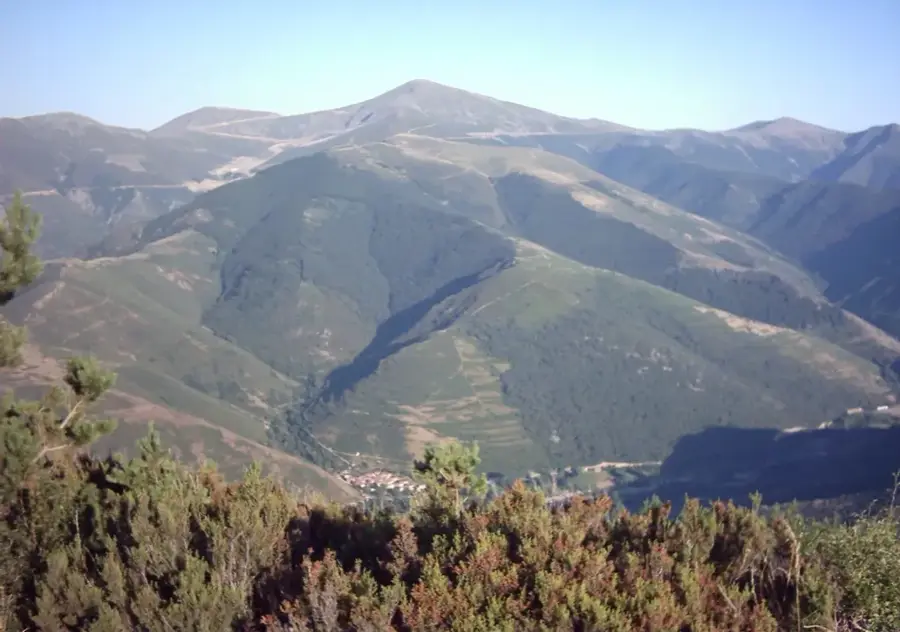
Route planner — Car & Motorhome
Where do you start? We build the route here, with stops and country notes along the way.
© OpenStreetMap contributors · OpenRouteService
Sights in the town Las Huelgas Monastery (10)
Museo de Telas Medievales de Burgos🏛 museum
Cultural property in Burgos, Spain: museum of medieval fabrics.
Iglesia de San Josemaría Escrivá
Church building in Spain, dedicated to Saint Josemaría Escrivá.
Antiguos Polvorines
Former gunpowder magazines, ruins in Burgos.
Arcos de Castilfalé
Arch monument in Burgos, remains of a medieval aqueduct.
Cartela de los Leones
Stone carving with lions, historic monument in Burgos.
Las Adelas
Manor house in Burgos, built in the 16th century.
Puerta de la Judería
City gate in Burgos, entrance to the former Jewish quarter.
Sights nearby
Frequently asked questions
Where is the Las Huelgas Monastery located?
Who is buried here?
What is the Museo de Telas?
Is the monastery still in use?
Are guided tours mandatory?
Las Huelgas Monastery: where is it located?
Las Huelgas Monastery: what is there to see?
Las Huelgas Monastery: when is the best time to visit?
Las Huelgas Monastery: why is it worth visiting?

Nearby cities