Festival of the Virgin Blanca (La Blanca)
Major city festival in early August, beginning with the descent of the Celedon figure and filling the city for five days with concerts and parades.
PlizioGo
Explore the streets of the medieval almond, especially Calle Cuchillería, to hop between bars offering elaborate bite-sized creations.
Look for this traditional layered dessert of sponge cake, cream, and caramelized sugar in pastry shops around Plaza de la Virgen Blanca.
If visiting in spring, look for restaurants offering dishes with these highly prized local mushrooms, often served scrambled with eggs.
A large, modern food market where you can buy excellent regional products like Idiazabal cheese and Txakoli wine.
A bustling commercial street starting near the main square, great for boutique shopping and Spanish fashion.
Part of the Green Ring, this park features wetlands where you can watch deer and diverse bird species from wooden observatories.
A 19th-century botanical garden in the heart of the city, well-suited for a quiet stroll among rare trees and elegant statues.
Water temperature…
Major city festival in early August, beginning with the descent of the Celedon figure and filling the city for five days with concerts and parades.
Renowned jazz festival held every July, bringing international stars to the Basque capital.
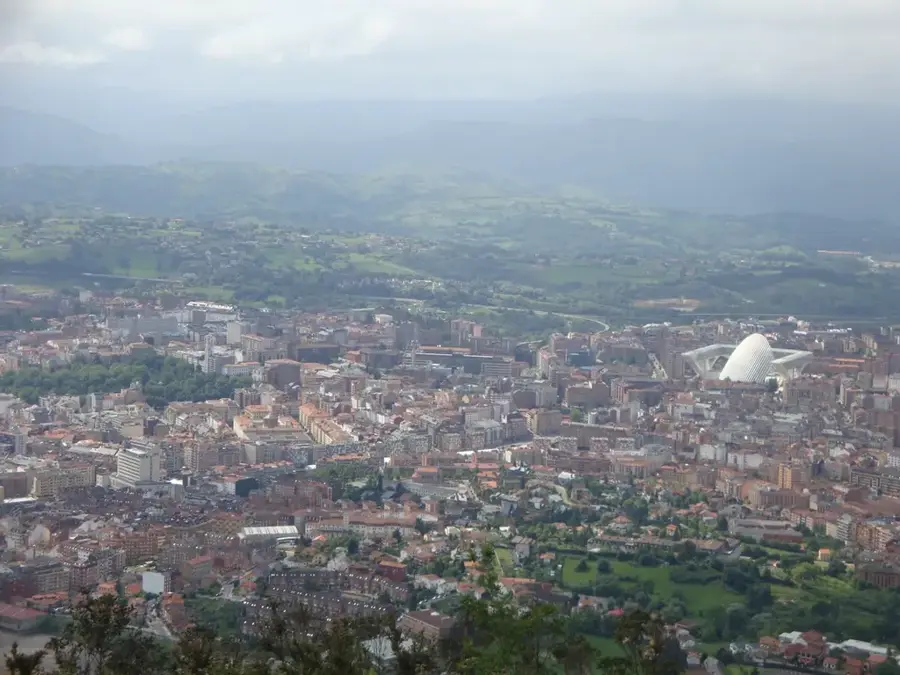
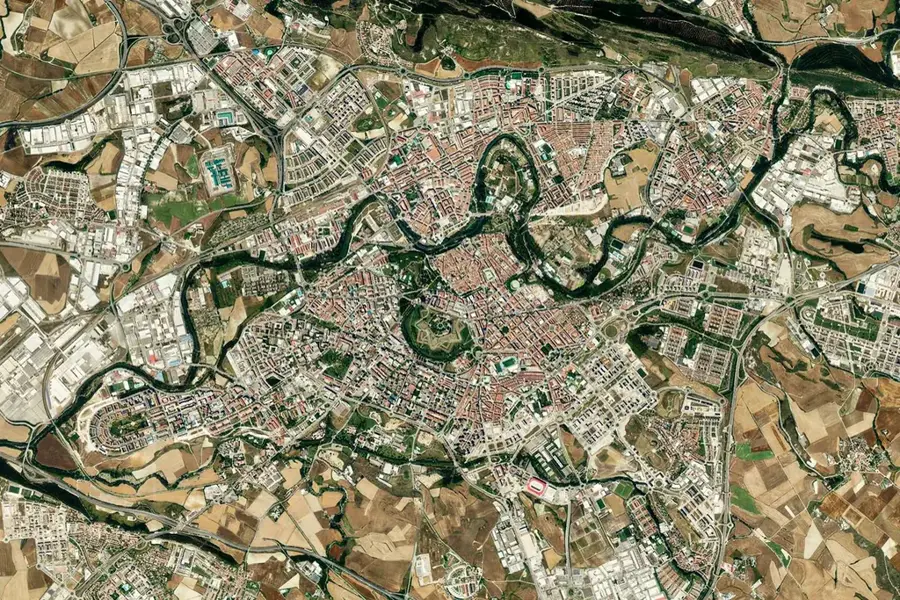
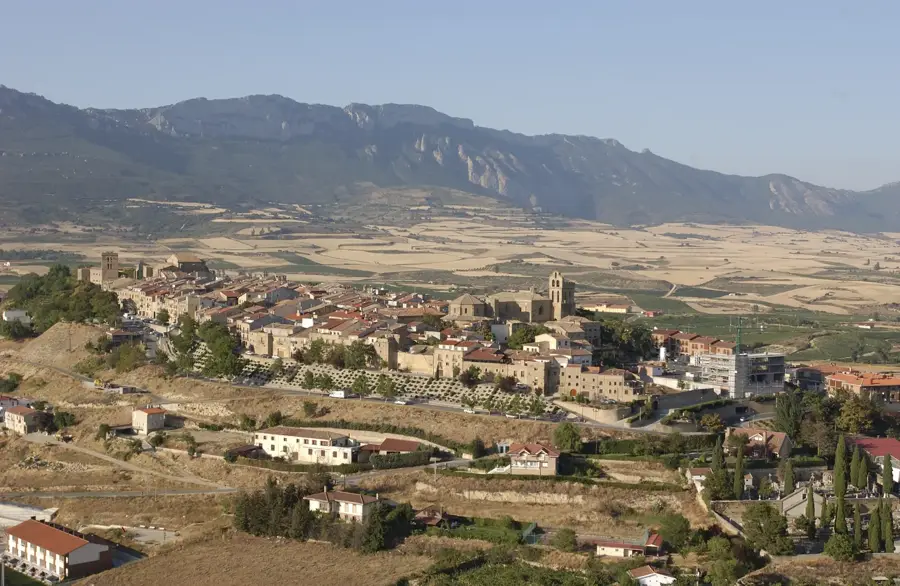
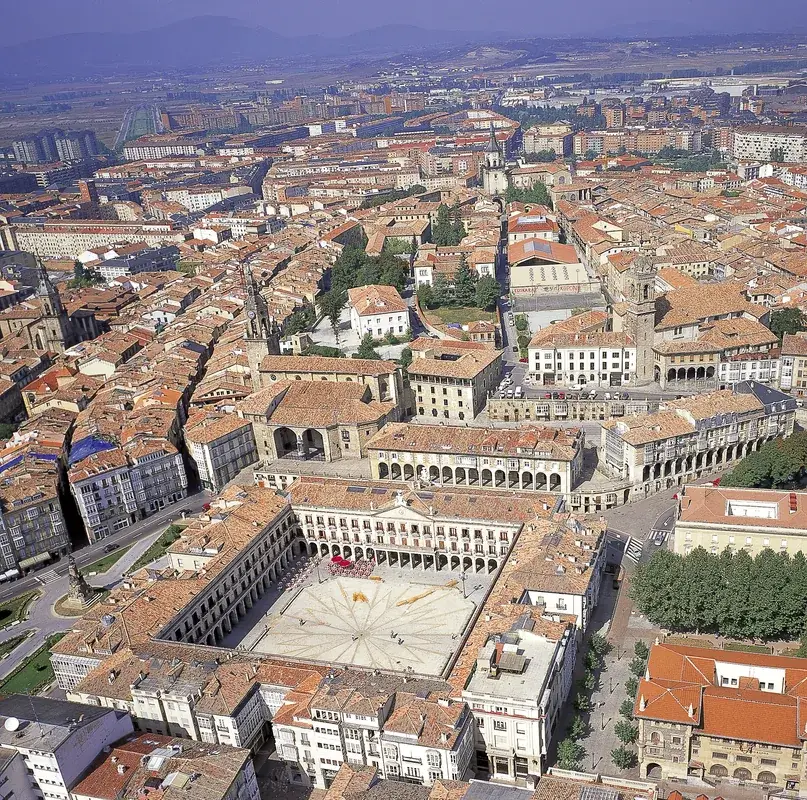
Vitoria-Gasteiz is the capital of the Basque Country and the province of Álava, situated on a central plateau. Founded in 1181 by King Sancho VI of Navarre, the city features a well-preserved medieval quarter shaped like an almond on a strategic hilltop. This historic core is home to the Gothic Santa María Cathedral, famous for its unique 'Open for Works' restoration program, which inspired Ken Follett's 'The Pillars of the Earth' series. Vitoria-Gasteiz is internationally recognized for its urban planning and environmental sustainability, earning the title of European Green Capital in 2012. The city is encircled by the 'Green Belt,' a continuous network of parks and wetlands that protect local biodiversity. Economically, it is a significant industrial hub, notably hosting major production plants for Mercedes-Benz and Michelin, and it consistently ranks high for quality of life in Spain.
The most pleasant time to visit is Jul–Sep.
| Jan | Feb | Mar | Apr | May | Jun | Jul | Aug | Sep | Oct | Nov | Dec | |
|---|---|---|---|---|---|---|---|---|---|---|---|---|
| Avg °C | 5 | 6 | 8 | 10 | 13 | 17 | 19 | 19 | 17 | 14 | 9 | 6 |
| Rain mm | 106 | 88 | 84 | 77 | 73 | 61 | 42 | 42 | 56 | 82 | 125 | 97 |
See what it looks like near Vitoria-Gasteiz right now.
Vitoria-Gasteiz › East: Sierra de Badaya · 6.9 km · Open webcam on Windy · Webcams provided by Windy.com
Notable places around
Where do you start? We build the route here, with stops and country notes along the way.
© OpenStreetMap contributors · OpenRouteService
Start in Plaza de la Virgen Blanca, continue to Plaza del Machete and Palacio de Escoriaza-Esquivel. By noon, Santa María, Catedral Nueva and Artium set the cultural core. In the afternoon, Museo Fournier and Anillo Verde slow the pace. Finish with pintxos in the old town.
Start your morning under the arcades of Plaza de la Virgen Blanca, which provide ideal shelter from the Basque rain. In the old town, we use the narrow streets of the 'Almendra Medieval' as a natural umbrella while walking towards the Palacio de Escoriaza-Esquivel. At noon, we retreat into the Gothic splendor of Santa María Cathedral. Since the tour takes place indoors, you stay dry while exploring the architectural secrets. Afterwards, the Catedral Nueva offers an imposing, weatherproof refuge. In the afternoon, we focus on contemporary art at Artium and the world-unique playing card collection at the Fournier Museum. These museums are perfect for dodging the heaviest showers while diving deep into culture. Afternoon turns to evening in the Anillo Verde. In Salburua Park, the wooden bird-watching hides provide a dry spot to observe the wetlands and deer while the rain drums softly on the water.
A misty winter morning at Plaza de la Virgen Blanca has its own unique charm. The Basque cold is best warded off with a hot coffee in the bars of Calle Dato before exploring the historical facades. At noon, we seek the warmth of Santa María Cathedral. The thick walls keep the frost out, and the guided tour is a fascinating journey through time that takes place entirely indoors. Afterwards, the nearby Catedral Nueva offers a peaceful, sheltered space. In the afternoon, the modern world at the Artium Museum beckons. Here you can forget the cold while strolling through the heated galleries. A short walk leads to the Fournier Museum, where the world of playing cards is presented in a cozy atmosphere. In the evening, the pintxo bars in the old town entice with warmth and local specialties. Since the sun sets early in winter, the Anillo Verde is especially mystical at dusk, but remember warm layers for the walk through the frost.
In the morning you roll gently through Plaza de la Virgen Blanca and Plaza del Machete. By noon, Santa María, Catedral Nueva and Artium connect history with culture. In the afternoon the bike gets you quickly to Museo Fournier and then to Anillo Verde. Evening still leaves room for pintxos and an easy ride back.
Cycling in the rain is safe in Vitoria thanks to excellent bike lanes ('Bidegorris'), but requires caution. Start at Plaza de la Virgen Blanca and use the green paths, often sheltered by trees, to reach the Palacio de Escoriaza-Esquivel. At lunchtime, leave the bikes at the covered racks by the cathedrals. Santa María Cathedral offers a long indoor experience while the rain cleanses the city outside. A quick sprint takes you to the Catedral Nueva. In the afternoon, head to the museums. Artium has secure bike parking nearby. From there, it's a short, flat ride to the Fournier Museum, where you can briefly park your bike while admiring the card collection. The day ends with a ride through the Anillo Verde. In Salburua, trails can be muddy, but the paved sections lead you safely to the Ataria observation points, where you can enjoy the rain over the lagoons.
Cycling on a frosty winter morning requires gloves and motivation. Plaza de la Virgen Blanca is often covered in hoarfrost, which looks beautiful but can be slippery. Roll comfortably through the medieval streets to the Palacio de Escoriaza-Esquivel. Around noon, we park the bikes and dive into the heated history of Santa María Cathedral. The guided tour is the perfect warm-up break. Afterwards, the Catedral Nueva provides a monumental backdrop for a quick winter photo before moving on. In the afternoon, things get cultural and warm. Artium offers not just art but also a welcome refuge from the biting winter wind. A short trip to the Fournier Museum completes the indoor program before the sun starts to set. The tour ends with a ride into the Anillo Verde. In Salburua, the air is icy but clear. The low winter sun reflects off the frozen ponds. Finish the tour early, as temperatures drop drastically after sunset.
In the morning, park once near the old town and walk the short stretches. By noon, the Santa María, Catedral Nueva and Artium core stays compact and low-stress. In the afternoon, use the car only between clusters and skip unnecessary loops. Evening ends quietly at Anillo Verde before dinner.
On a rainy day in Vitoria, the car serves as a comfortable base. Park in the underground garage at Plaza de la Virgen Blanca and enjoy the short walk to the sights. The rain gives the medieval 'Almendra' a shiny, historic look. At noon, drive close to Santa María Cathedral. The tour of the foundations is completely weather-independent and offers deep insights into history. From there, it's just a quick hop back into your dry vehicle. In the afternoon, the museums are perfect. Artium and the Fournier Museum are centrally located and easily accessible. Use the short driving times between stops to stay dry while moving from modern art to antique playing cards. The evening ends at Anillo Verde. In Salburua, you can drive right up to the Ataria information center, located directly by the wetlands. This allows you to observe nature without having to walk long distances in the rain.
On a cold winter morning, heated seats are your best friend. Start at Plaza de la Virgen Blanca; the parking garage ensures your car stays frost-free while you visit the historic core. At noon, Santa María Cathedral offers a fascinating escape into the warmth. The guided tour is designed to make you forget the chill outside. Afterwards, the Catedral Nueva is just a short drive away, where you can admire the monumental architecture. In the afternoon, enjoy art at the Artium Museum. Thanks to its own underground parking, you can go almost directly from your car into the heated exhibition rooms. A quick transfer takes you to the Fournier Museum, where the world of playing cards awaits in a cozy atmosphere. The day concludes with a drive to the Anillo Verde. At dusk, Salburua is especially peaceful. Enjoy the winter landscape from the warm Ataria center. Since it gets dark early, the drive back into the lit-up city is a brilliant end to the day.
Museum of Christian art in Vitoria-Gasteiz, housed in the former San Lorenzo convent.
A museum complex combining the archaeology of Álava and the Fournier museum of playing cards.
A stately palace built in 1920, which currently serves as the official residence of the Basque President.
A magnificent 16th-century Renaissance palace built next to the old city walls of Vitoria.
One of the best-preserved Renaissance palaces in the city, known for its ornate interior courtyard and facade.
A giant sequoia tree planted in 1860, located in the city center of Vitoria.
The archaeological site of a former 13th-century Franciscan convent.
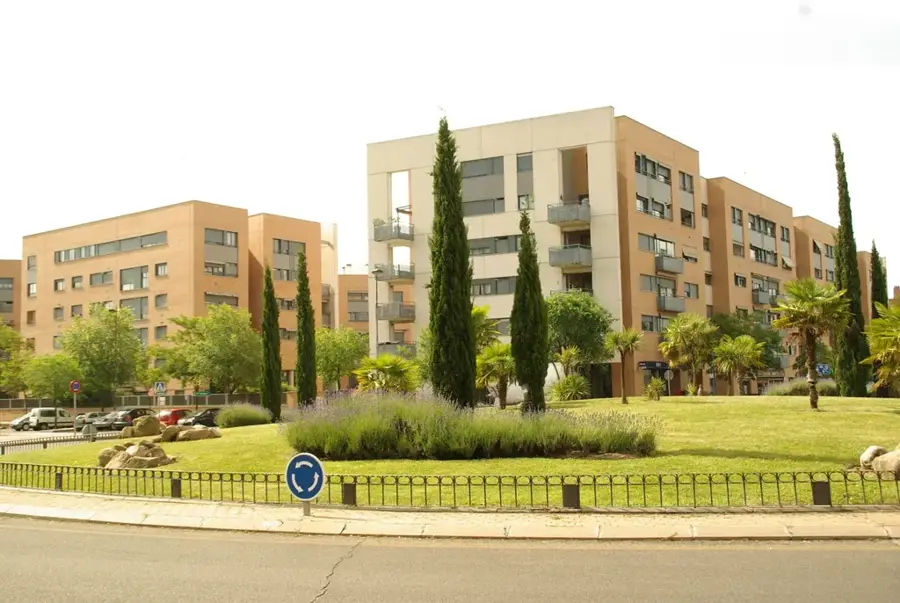
Gerardo Armesto Plaza enriches Vitoria-Gasteiz with its harmonious blend of modern architecture and green accents. This public square has residents and guests an inviting space for encounters in everyday urban life. A short stop during a city tour is well worth it to admire the successful urban planning.
Located in Plaza de la Virgen Blanca, this monument commemorates the 1813 battle against Napoleon's forces.
For the youngest visitors, Vicente Goikoetxea Plaza in Vitoria-Gasteiz is a wonderful place to discover. The square is equipped with various play options that will make children's hearts beat faster. Accompanying parents will find cozy corners to relax here while the little ones play safely.