Fiestas of Santa Teresa
In October, the city celebrates its patron saint, Saint Teresa, with religious events, concerts, and fireworks that last throughout the month.
PlizioGo
A massive veal chop served in the traditional asadores (grill restaurants) of the old town.
A local sweet made from egg yolks, sold in pastry shops near the Plaza de Santa Teresa.
Mashed potatoes with paprika and bacon, a hearty tapas dish found in local bars.
Buy handmade pastries and sweets directly through the revolving window (torno) at local nunneries.
Look for authentic handicrafts in the small streets surrounding the cathedral.
Walk to this shrine outside the city across the Adaja river for a quiet panoramic view.
A small, well-kept park near the Basilica of San Vicente, convenient for a rest.
Stroll through the almost deserted narrow streets in the northern part inside the city walls.
Water temperature…
In October, the city celebrates its patron saint, Saint Teresa, with religious events, concerts, and fireworks that last throughout the month.
In September, Ávila transforms back into a medieval city with markets, tournaments, and locals dressed in period costumes.
A festival of illusions and magic where national and international magicians enliven the streets and squares of the city in August.
Throughout the summer, Ávila offers numerous cultural events such as open-air concerts, theater, and traditional dances.
Another important religious celebration, the streets in the historic center are festively decorated and traditional rituals are maintained.
Ávila's Holy Week is recognized as being of National Tourist Interest for its solemn processions set against the backdrop of the historic city walls.
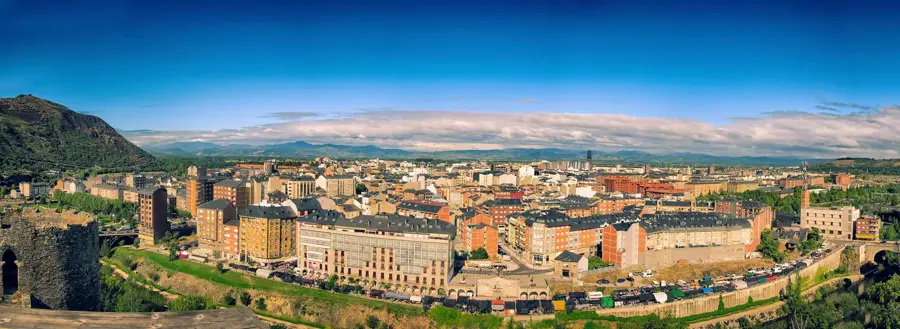
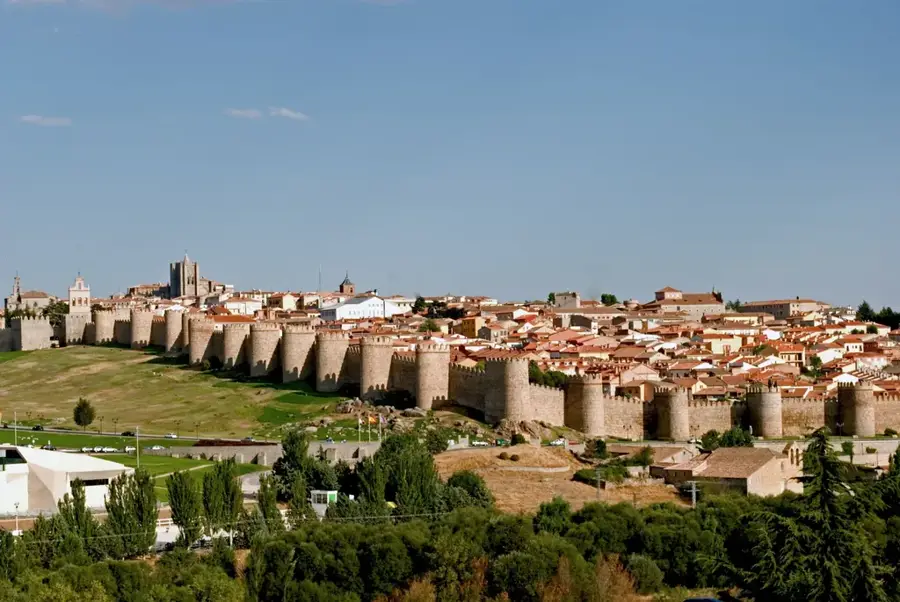
Situated at an elevation of 1132 meters, Ávila is the highest provincial capital in Spain, known for its severe winters and remarkably preserved medieval architecture. The city's defining feature is the Murallas de Ávila, a massive 2.5-kilometer Romanesque city wall built between the 11th and 14th centuries. Featuring 88 robust semicircular towers and nine monumental gates, it is one of the most complete defensive perimeters in Europe. The city is deeply associated with Saint Teresa of Ávila, a prominent 16th-century mystic and reformer whose legacy is celebrated throughout numerous convents and churches. Within the walls, the Cathedral of Ávila seamlessly blends religious function with military fortification, as its apse forms part of the city's defensive structure.
The most pleasant time to visit is Jun, Aug, Sep.
| Jan | Feb | Mar | Apr | May | Jun | Jul | Aug | Sep | Oct | Nov | Dec | |
|---|---|---|---|---|---|---|---|---|---|---|---|---|
| Avg °C | 3 | 4 | 7 | 10 | 15 | 21 | 24 | 24 | 19 | 13 | 7 | 4 |
| Rain mm | 38 | 38 | 44 | 49 | 40 | 21 | 10 | 14 | 24 | 63 | 51 | 40 |
Notable places around
Where do you start? We build the route here, with stops and country notes along the way.
© OpenStreetMap contributors · OpenRouteService
Morning begins at the majestic Walls of Ávila, the best-preserved medieval fortifications in Europe. Walking atop the ramparts offers a unique vantage point. Midday is spent exploring the Gothic Cathedral, uniquely built into the city walls. Afternoon leads to sacred sites like the Basilica of San Vicente. Evening ends at Los Cuatro Postes viewpoint for a stunning illuminated city view.
In the morning, the arcades of Plaza del Mercado Chico offer shelter from the rain. At noon, the massive interior of the Cathedral provides a perfect stone sanctuary. Afternoon walks on the walls might be shorter due to exposure, but the convents offer dry exploration. In the evening, the view from Los Cuatro Postes is dramatic under the rain, best enjoyed with a large umbrella.
Winter mornings in Ávila are frosty, perfect for a hot coffee at Plaza del Mercado Chico. At noon, warm up in the Cathedral before braving the windy walk on the walls. Afternoon visits include the Basilica and Santa Teresa's convent. In the evening, with the early sunset, the golden light at Los Cuatro Postes is unforgettable despite the biting cold.
Explore Ávila dynamically by bike. Start with the market and cathedral in the morning. At midday, ride along the walls towards San Vicente. Afternoon takes you to Santa Teresa and the majestic Santo Tomás monastery. The day ends with a ride to Cuatro Postes for the ultimate sunset photo stop overlooking the fortified city.
A rainy day on the bike starts cautiously at Plaza del Mercado Chico. At noon, cycle to the Cathedral and Torreón, minding the slippery stones. In the afternoon, riding along the walls is refreshing but windy. Finish the day at Santo Tomás Monastery and cycle to Cuatro Postes for a final photo before it gets too wet.
Winter cycling in Ávila requires warm layers. Start at the market and warm up inside the Cathedral. The ride along the frozen city walls offers spectacular views of the surroundings. Visit the convents in the afternoon light. The final sprint to Cuatro Postes rewards you with a clear, cold view of the illuminated fortress city.
A car tour allows you to comfortably reach Ávila's highlights. Start with the panoramic Cuatro Postes before driving into the center. Midday is for the walls and the Velada Palace. Afternoon features San Pedro and Santa Teresa churches. The day concludes at the impressive Santo Tomás monastery, located just outside the city walls.
By car, Ávila is very comfortable to explore during rain. Start at Los Cuatro Postes for a panoramic view from the dry vehicle. Visit the Basilica and Cathedral using nearby parking. Palacio de los Velada offers luxurious shelter. End the day at Santo Tomás Monastery while the rain drums on the car roof.
A winter day in Ávila by car is the warmest option. Admire the snowy city from Los Cuatro Postes. Visit the Basilica and Cathedral while the seat heating keeps you warm between stops. Palacio de los Velada offers a grand winter atmosphere. End the tour at Santo Tomás Monastery in the warm glow of evening lights.
May-June and September are ideal: 15-24°C, with clear views of the city walls. Avila sits at 1130 metres and is always cooler than Madrid — even July and August often peak at just 28°C. Winter can bring snow, and the lit-up walls in snow are magical but freezing.
Very safe small town with almost no crime. Nights are quiet — most restaurants close early (10pm), so don't arrive too late for dinner. On the city walls, take care in wind: some sections lack guardrails.
Avila speaks the clear Castilian of Salamanca — very intelligible. English works in hotels and bigger restaurants, less so in small tapas places. 'Yemas de Santa Teresa' (egg-yolk sweets) are the local specialty — ask for 'una caja, por favor'.
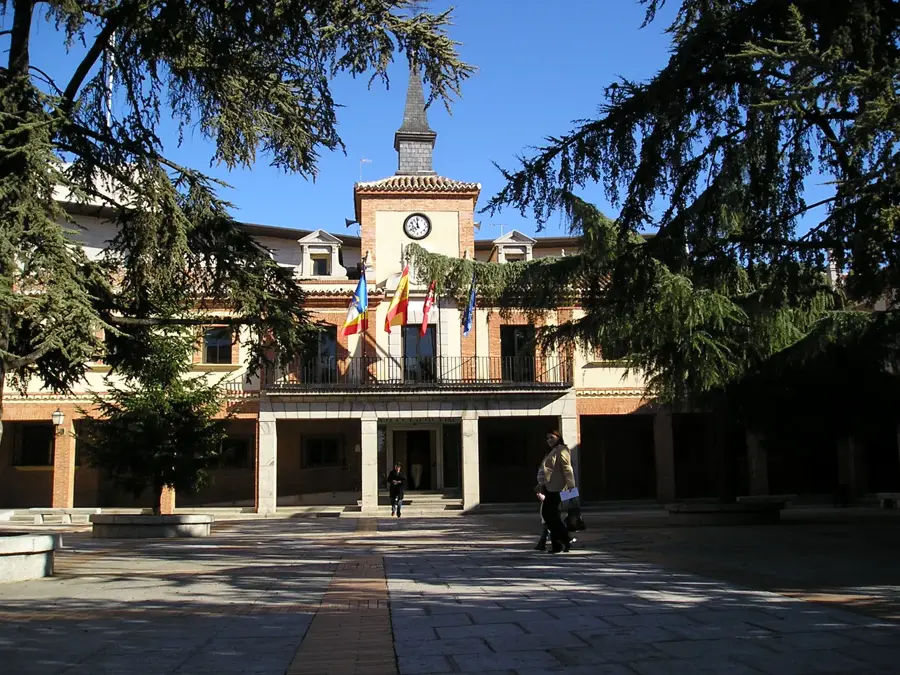
Laid out over the historic stones of an ancient Roman forum in Avila, Plaza del Mercado Chico proudly anchors the city center. This main square, which houses the town hall, is home to a dignified yet remarkably lively atmosphere right in the urban core. Walking across the cobblestones allows visitors to absorb the historic architecture and watch the daily town life unfold. Taking a short break here is especially rewarding when the afternoon sun warms the old facades.