University New Year's Eve
A massive early New Year's Eve party in mid-December, where tens of thousands of students celebrate the end of the year.
PlizioGo
A traditional meat pie filled with pork, chorizo, and hard-boiled eggs. You can find it in almost any local bakery.
Premium locally cured ham. Order a plate at a central tapas bar or buy some at a specialty deli.
A unique regional sausage made with breadcrumbs and pork fat, usually served fried with eggs.
The principal pedestrian thoroughfares packed with fashion retailers and local boutiques.
Located right next to Plaza Mayor, this bustling indoor market is the best place to shop for local hams, cheeses, and fresh produce.
A small, romantic garden located on the old city walls, offering a peaceful atmosphere and great views.
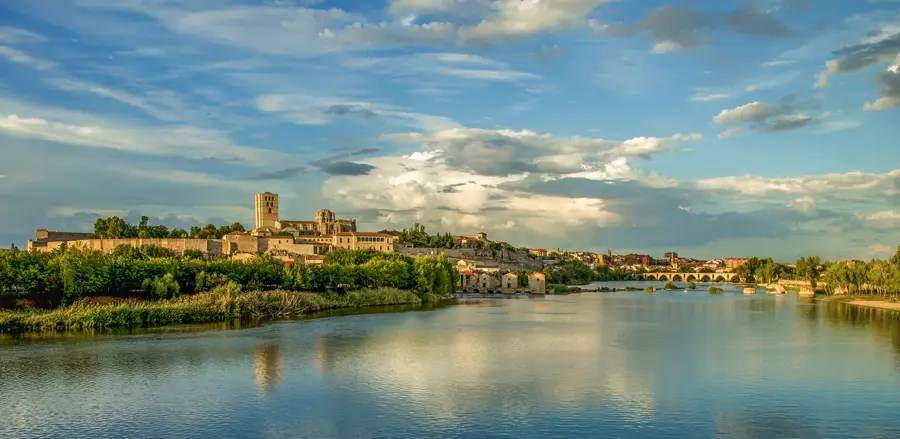
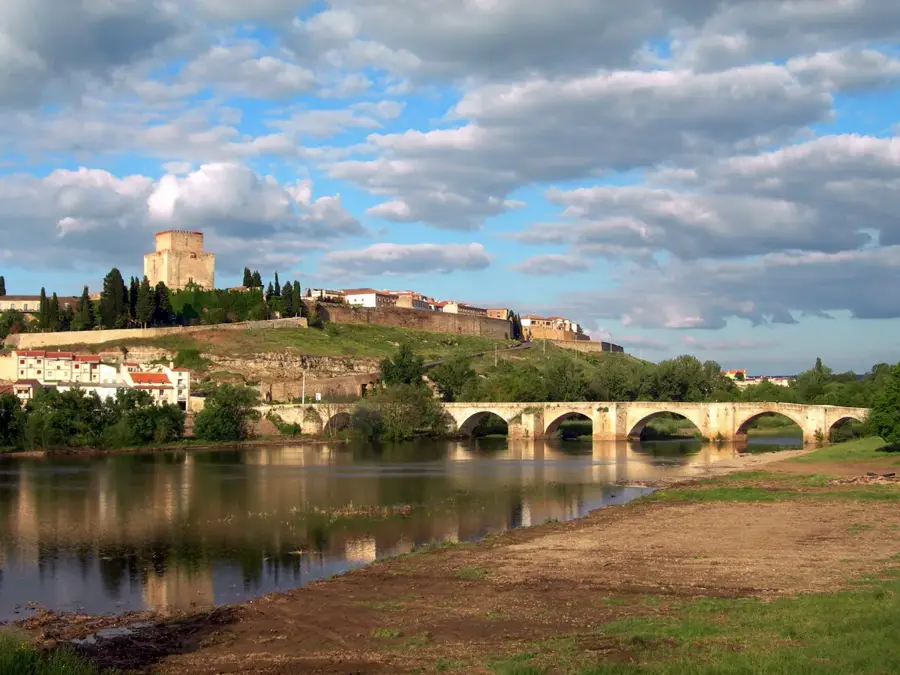
Take a quiet stroll across the Tormes River at dusk for a panoramic view of the illuminated Cathedral.
Water temperature…
A massive early New Year's Eve party in mid-December, where tens of thousands of students celebrate the end of the year.
The most important festival in September, offering traditional floral offerings, street markets, concerts, and the gastronomy fair.
The festival in honor of the city's patron saint, celebrated with music, traditional dances, and a large fireworks display.
A dynamic festival that brings contemporary performing arts, music, and theater to the city's streets.
A cultural event in the Plaza Mayor where booksellers offer rare editions and antique books.
A unique local festival on the Monday after Easter, where families picnic on the riverbanks and eat the traditional hornazo.
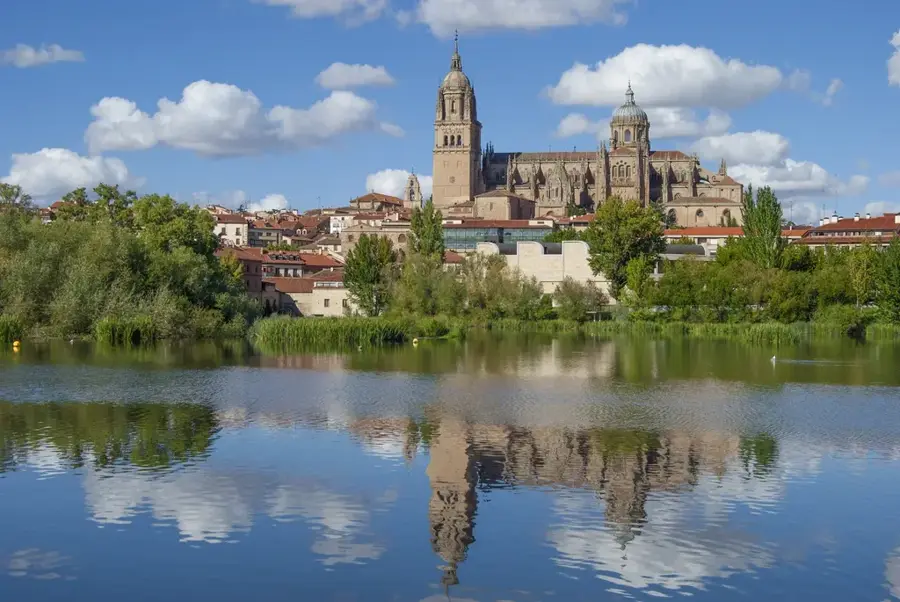
Situated in western Spain along the Tormes River, Salamanca is renowned as one of Europe's oldest university towns. Founded in 1218, the University of Salamanca is the oldest in Spain, and its detailed Plateresque facade is a masterpiece of intricate sandstone carving, where visitors traditionally search for a tiny frog symbol said to bring good luck. The entire old city is built from Villamayor stone, a local sandstone that glows with a golden hue at sunset, earning Salamanca the nickname La Ciudad Dorada. The city has two distinct cathedrals attached to each other: the Romanesque Catedral Vieja from the 12th century and the grand Gothic and Baroque Catedral Nueva built between the 16th and 18th centuries. At the heart of daily life is the Plaza Mayor, widely considered one of the most prominent public squares in Spain. Designed in the 18th century by Alberto Churriguera, this bustling plaza is surrounded by baroque arcades and is the first-rate place to enjoy local cured meats like hornazo, a traditional meat pie. With thousands of international students, the city maintains a youthful and lively nightlife that contrasts with its centuries-old architecture.
The most pleasant time to visit is Jun–Aug.
| Jan | Feb | Mar | Apr | May | Jun | Jul | Aug | Sep | Oct | Nov | Dec | |
|---|---|---|---|---|---|---|---|---|---|---|---|---|
| Avg °C | 4 | 5 | 7 | 10 | 14 | 20 | 23 | 22 | 19 | 13 | 7 | 4 |
| Rain mm | 40 | 32 | 40 | 46 | 38 | 23 | 10 | 13 | 24 | 60 | 47 | 38 |
See what it looks like near Salamanca right now.
Salamanca › South-east: La Clerecía (Iglesia del Espíritu Santo) - Catedral Vieja de Santa María de la Sede de Salamanca · 0.8 km · Open webcam on Windy · Webcams provided by Windy.com
Notable places around
Where do you start? We build the route here, with stops and country notes along the way.
© OpenStreetMap contributors · OpenRouteService
Start your day at the magnificent Plaza Mayor, the heart of the city. Explore the historic center including the House of Shells and the majestic cathedrals. At midday, dive into the academic history of Spain's oldest university. The afternoon is for tranquility in the Calixto garden and the impressive San Esteban convent, before finishing your day at the banks of the Tormes river by the Roman bridge.
Start your day under the protective arcades of Plaza Mayor as the rain hits the cobblestones. The House of Shells offers a quick shelter before you enjoy the spiritual peace of La Clerecia. At noon, dive deep into the history of the University. The thick walls make you forget the world outside while you explore the impressive library and classrooms, staying completely dry. Afternoon belongs to the majestic cathedrals. Since it's raining outside, take more time for the interiors. A short, refreshing detour to the Garden of Calixto and Melibea shows nature in vivid colors. Finally, the path leads to the Convent of San Esteban and then to the Roman Bridge. The reflections of city lights in the puddles on the bridge offer a magical photo opportunity despite the weather.
In the morning, a mystical fog often covers the city. At Plaza Mayor, warm up with a coffee before the winter sun bathes the facade of the House of Shells in golden light. At noon, the cool air is perfect for a brisk walk to the University. The historic rooms offer a cozy silence, ideal for tracing the details of the famous facade. Afternoon in the cathedrals provides a place for inner contemplation. When the sun sets around 17:30, Salamanca's sandstone buildings glow in a deep orange. In the evening, reach the Roman Bridge just in time for the blue hour. The cold from the Tormes river is more than made up for by the sight of the festively lit old town.
Discover Salamanca on two wheels! After starting at Plaza Mayor, we explore the university and the cathedrals. A relaxing ride takes us across the Roman bridge onto the bike path along the Tormes river. In the afternoon, we return to the center to admire the San Esteban convent and the Anaya Palace. A perfect mix of culture and nature.
Cycling in the rain requires caution in Salamanca's old town due to slippery cobblestones. Start carefully at Plaza Mayor, taking advantage of the short distances between monuments. At noon, the University and Cathedral offer dry breaks for both you and your bike. Short distances allow for quick movement between covered areas. Afternoon takes you along the Tormes river. The bike paths may have puddles but offer a refreshing perspective on the rain-soaked city skyline. Finally, pass by the Anaya Palace. Short riding times ensure you see a lot despite the weather without getting completely soaked.
The crisp winter air makes cycling in Salamanca an invigorating experience. Start well-wrapped at Plaza Mayor and enjoy riding through the less crowded streets. At noon, you reach the University. The physical activity keeps you warm while you admire the architecture. The sun stays low, casting long shadows on the pavement. Afternoon by the river is cool, but the view of the Cathedral is especially clear in the winter light. The bike path offers a flat, pleasant route without much traffic. Toward evening, it cools down quickly. Use the last bit of daylight for a look at Anaya Palace before returning the bike and warming up in a bar.
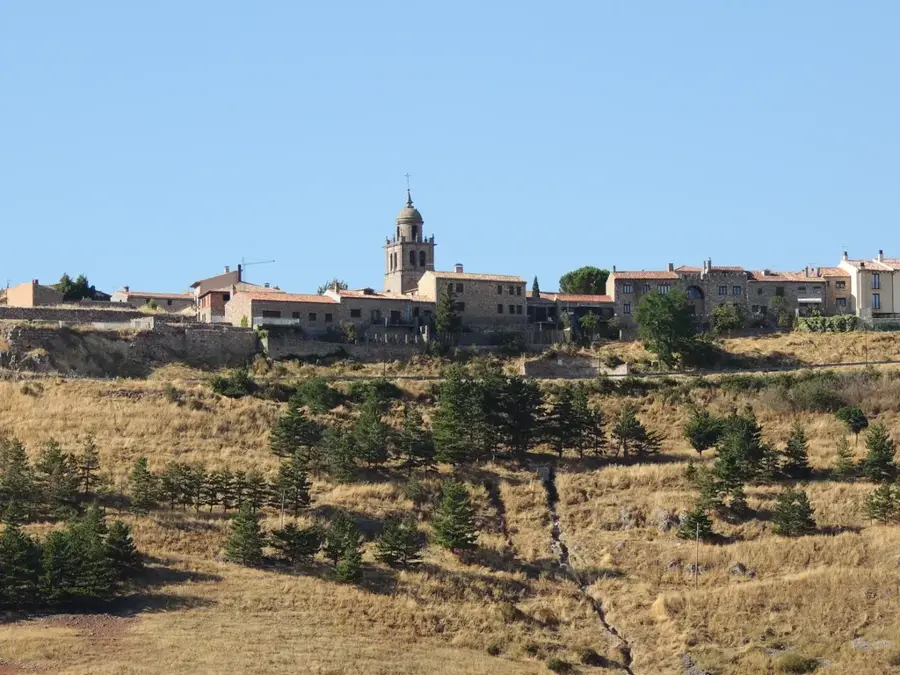
With a car, you can discover not only the center of Salamanca but also its beautiful surroundings. In the morning, we visit highlights like Plaza Mayor and the cathedral. After lunch, we take a trip to the medieval village of Ledesma to enjoy the historic architecture and landscape, returning to the Tormes bridge for sunset.
By car, you are perfectly mobile in Salamanca during rain. Park near Plaza Mayor and enjoy the luxury of a dry vehicle between your sightseeing stops. At noon, drive to the Cathedral and University. No need to worry about the weather as you transition from one monumental highlight to the next. Afternoon is great for an excursion to Ledesma. Driving through the Castilian landscape in the rain has a melancholic charm, and Ledesma's granite walls look imposing. Finally, park near the Roman Bridge. A short sprint to the viewpoint is enough to admire the city in the rain before returning to your warm car.
A winter day in Salamanca is best explored by car if you want to avoid the cold. Start at Plaza Mayor, where festive lighting often lasts into the morning. At noon, the route leads to the University and the Cathedral. The car's heater provides comfortable breaks between the city's architectural wonders. Afternoon is perfect for an excursion to historic Ledesma. The bare winter landscape of Castile offers wide views, and the granite city looks timeless in the clear air. At sunset, return to the Roman Bridge. The sight of the illuminated cathedral from the riverbank is particularly impressive in the clear winter air.
May, June and September are perfect: 18-26°C, golden sandstone glowing in evening light. July and August get hot (35°C), but student life pauses so the city is calmer. Winter is freezing (often below zero), but Plaza Mayor in Christmas lights is postcard-perfect.
One of Spain's safest cities, a student town with strong police presence. Plaza Mayor and Calle Toro are lively and relaxed at night. Only caveat: weekend student parties get loud, so don't book lodging on Plaza Mayor itself if you sleep early.
Salamanca is reputed to speak Spain's purest Spanish — ideal for language learners. Thousands of international students make the city English-friendly, especially in bars and pubs. 'Vamos de tapas?' (let's go for tapas?) is the local lifestyle motto.
Celebrated as one of the most memorable Baroque squares in Spain, the Plaza Mayor in Salamanca is a magnificent architectural triumph from the 18th century. Though completely separated from the seaside, this lively public space is convenient for unhurried walking and soaking in the bustling local atmosphere. Guests can revel in the ornate facades while enjoying a calm break in the city center. Exploring the square as the evening lights turn on gives an unforgettable and deeply romantic experience.