Plizio Visual Lab
Ciudad Rodrigo
ℹ️Practical info — Ciudad Rodrigo
▾
🌤 Weather — 5 days
📍 Nearby
Sights nearby
💡 Tips
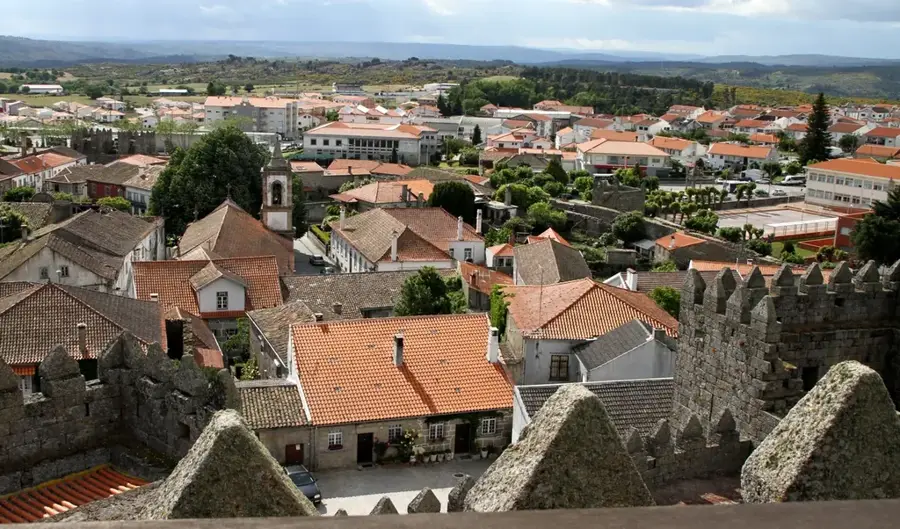
- Walk the entire perimeter of the medieval walls (Murallas) for the best views of the town and the surrounding plains.
- Summer afternoons can be very hot; explore the cathedral and historic center in the morning or late afternoon.
- Parking within the ancient walls is limited; look for public parking areas just outside the fortifications.
- Look out for the stone pigs (Verracos) from the Vettonian period in the Castle square.
🍽 Food
Try this unique paprika and bread sausage served with fried eggs in any plaza mayor tavern.
Buy it from a traditional bakery in the old town.
Enjoy an evening hopping between the tapas bars around the Plaza Mayor.
🛍 Shopping · 🧘 Quiet spots
Shops near the center sell excellent Iberian ham and local sausages.
Browse the craft shops positioned in the historic streets.
Great for a relaxed stroll or a picnic with views of the castle.
A shaded green area just outside the walls, handy for a rest.
Water temperature…
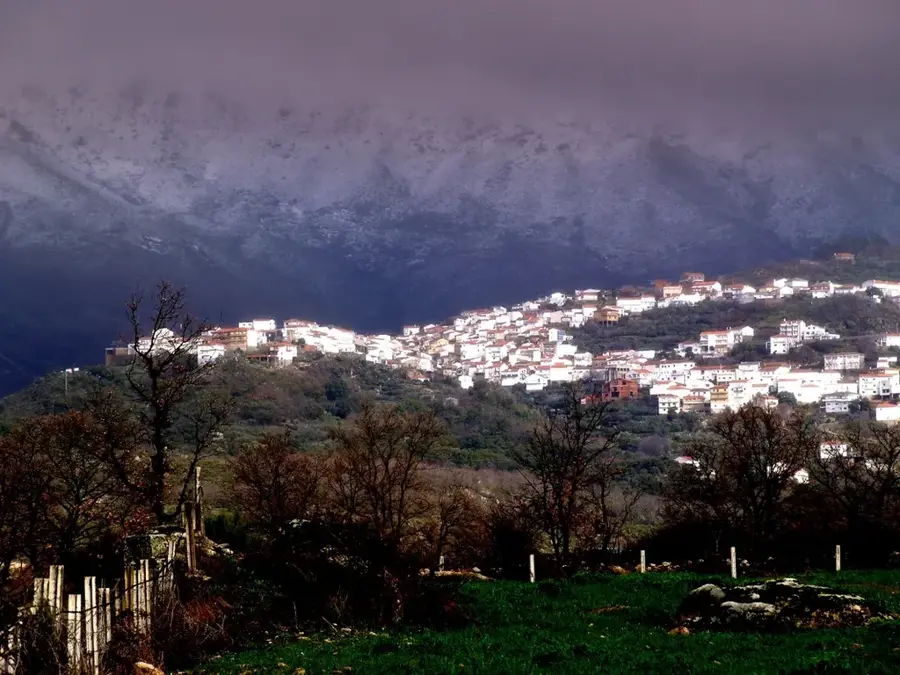
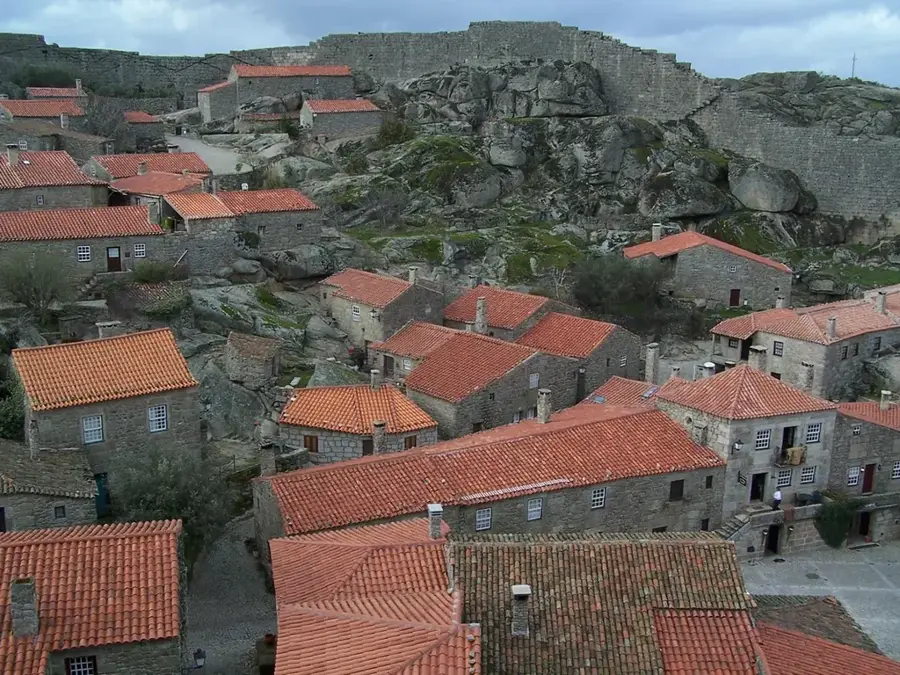
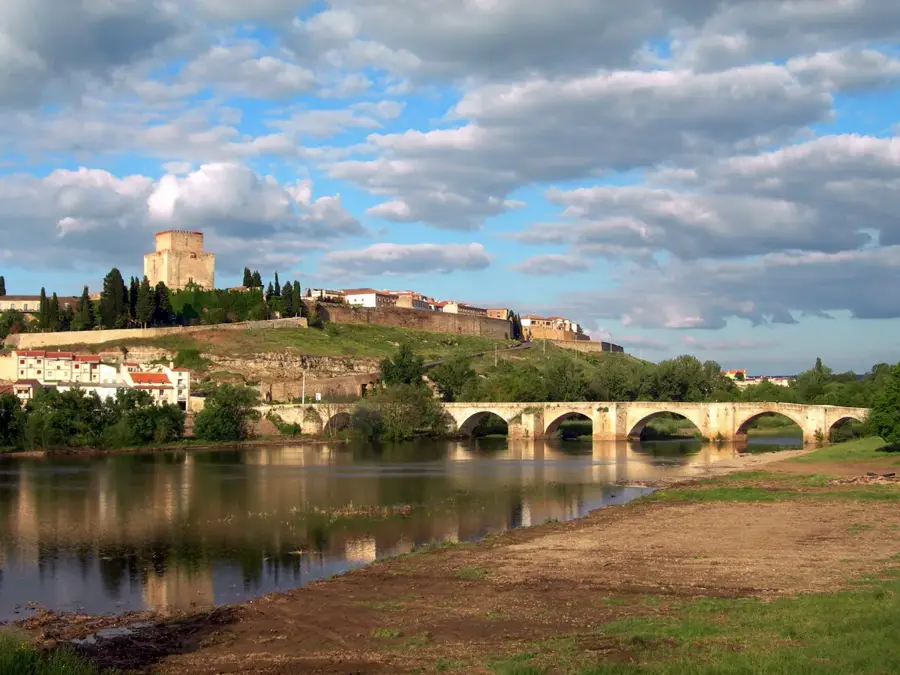
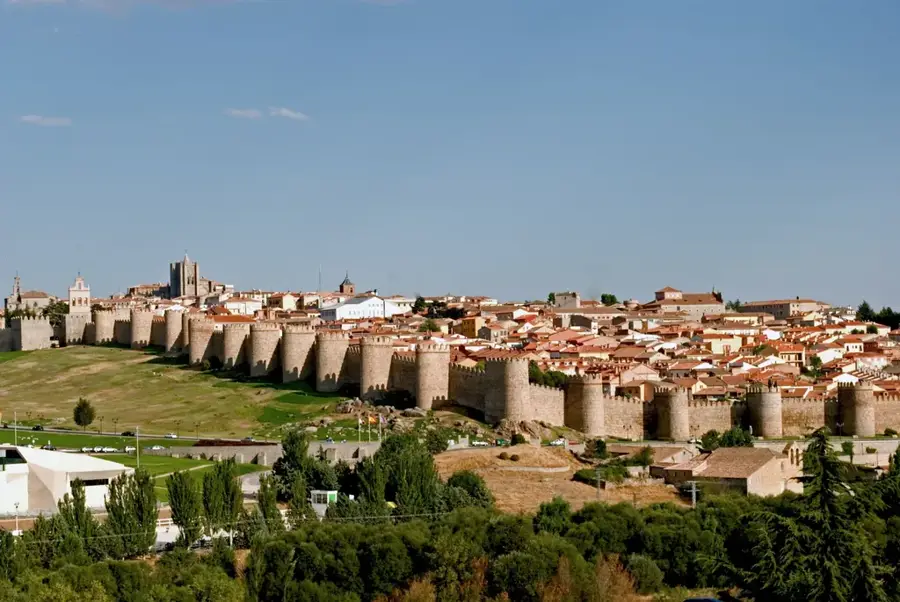
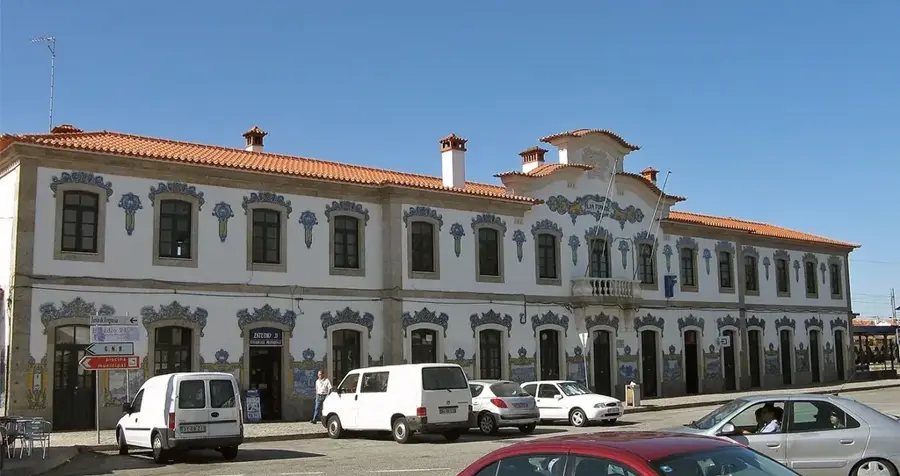
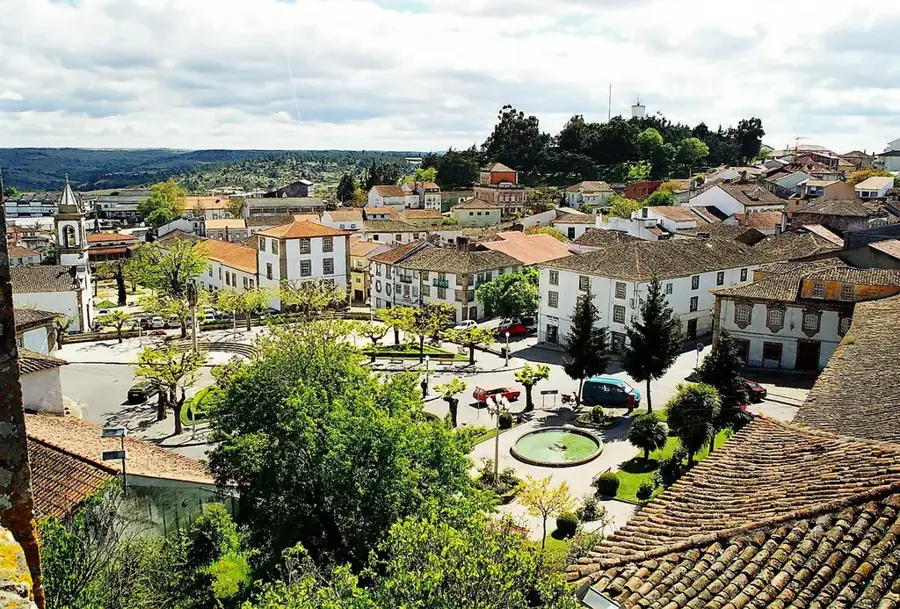
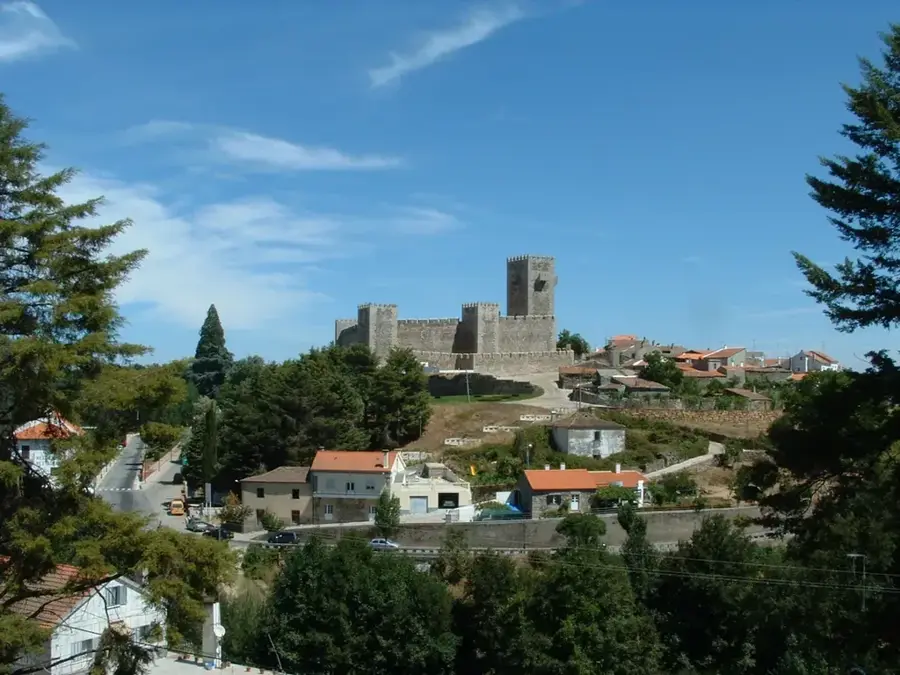
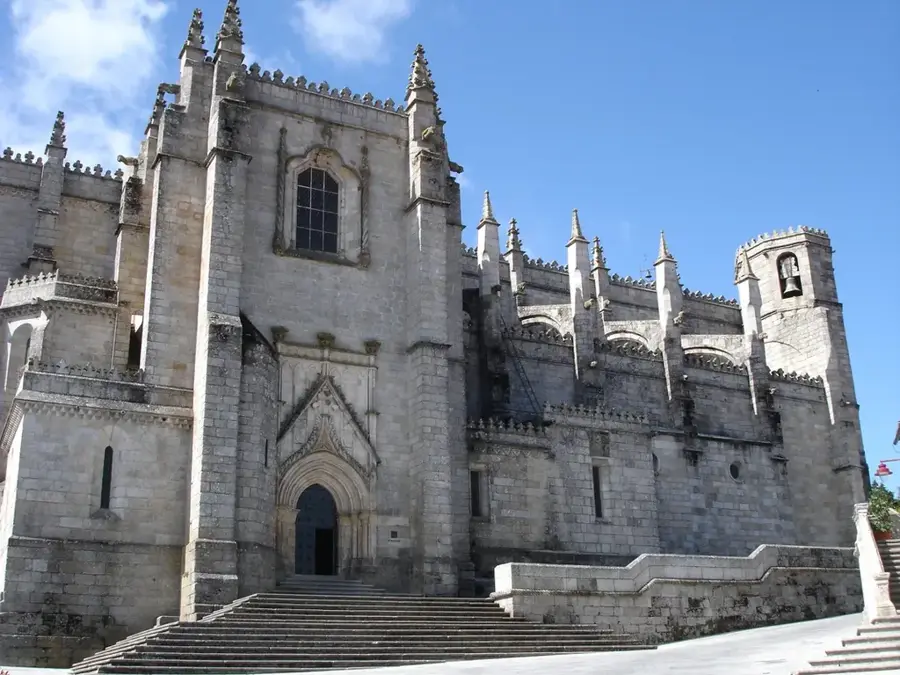
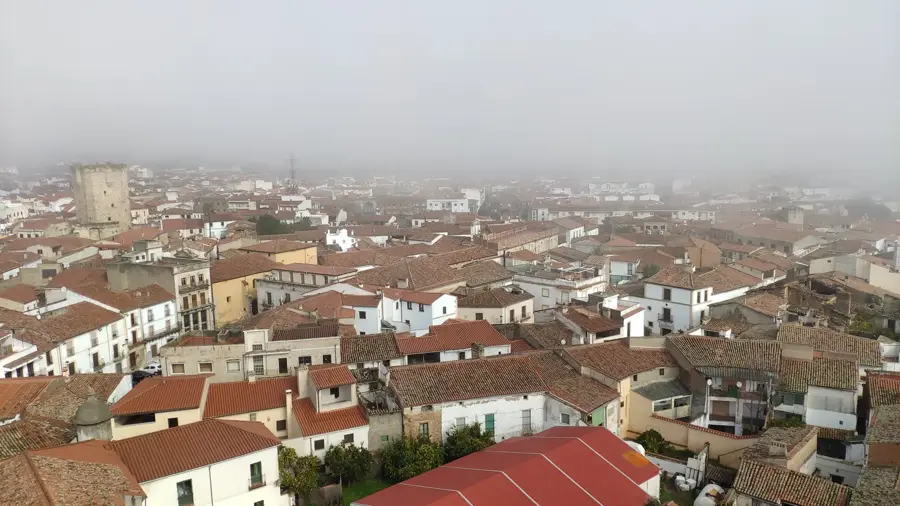
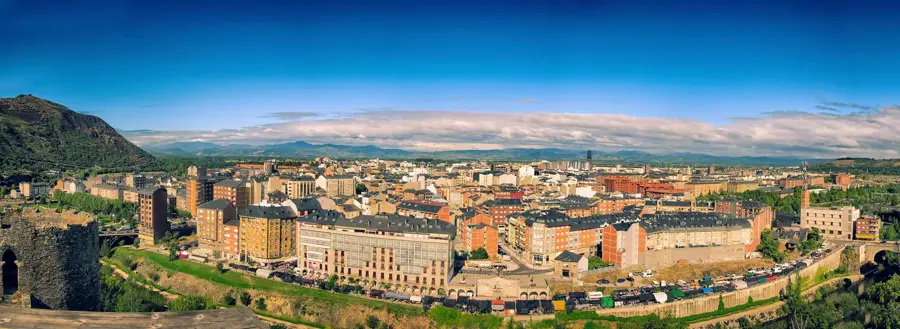
Ciudad Rodrigo, in the province of Salamanca, Castile and León, is a historic jewel classified as a National Historic-Artistic Monument. Its strategic position near the Portuguese border shaped its history, leading to the construction of its most impressive features: the massive medieval walls that still completely encircle the old town. A walk along these two kilometers of walls gives panoramic views of the city and the surrounding countryside of the Águeda River. The heart of the city is dominated by the Cathedral of Santa María, a blend of Romanesque and Gothic styles, and the Castle of Henry II of Castile, now a Parador hotel. The city is also renowned for its pivotal role during the Peninsular War, especially the 1812 Siege of Ciudad Rodrigo, a significant confrontation between Anglo-Portuguese and French forces. Every February, the city comes alive with the Carnaval del Toro, a unique festival that blends traditional carnival merriment with bull running and bullfights. Culinarily, the region is famous for its excellent Iberian cured meats, especially ham, and 'farinato', a local sausage. Getting to Ciudad Rodrigo is easiest by car or bus from Salamanca, located about 89 kilometers away. The best times to visit are spring and autumn to enjoy the pleasant weather and cultural festivities.
- Location: Spain
- Top sights: Museo del Orinal · Museo histórico-militar de la Guerra de la Independencia · Verraco Vetón de Granito
- Nearby: Coria (68 km)
- Population: ~14.080
Geography
Facts
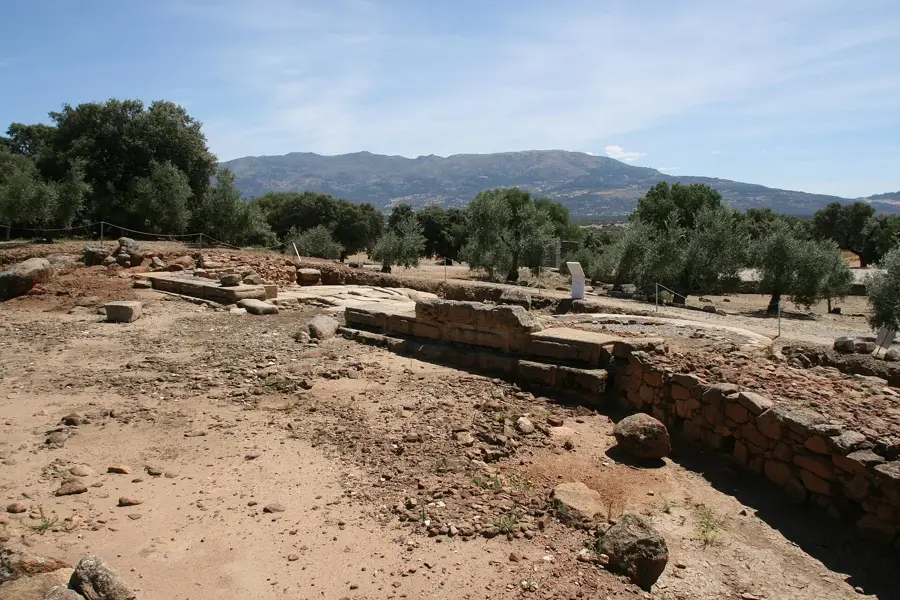
- Founded by the Vettones, a pre-Roman tribe.
- The city walls are over 2 kilometers in length.
- Site of a famous siege during the Peninsular War in 1812.
- The Cathedral of Santa María was started in the 12th century.
- Home to the annual 'Carnaval del Toro' (Carnival of the Bull).
- The Castle of Henry II is now a luxury Parador hotel.
- Classified as a 'Conjunto Histórico-Artístico' (Historic-Artistic Ensemble).
- Famous for 'Farinato', a sausage made with pork fat, bread, and spices.
Explore nearby
Notable places around
Route planner — Car & Motorhome
Where do you start? We build the route here, with stops and country notes along the way.
© OpenStreetMap contributors · OpenRouteService
Morning starts with the charm of the historic center, tracing the elegant noble houses. Midday leads you toward the grand palaces and deeper cultural heritage. In the afternoon, you explore fascinating specialized museums. The evening concludes gracefully near the northern historic monuments.
Casa de los Vázquez
Casa de los Gómez de Silva
Casa del Primer Marqués de Cerralbo
Palacio Episcopal
Museo del Orinal
Palacio de los Castro
The morning starts with rain hitting the cobblestones, giving the old town a shiny, polished glow. At noon, the deep portals of the noble houses provide shelter from the passing showers. In the afternoon, the interiors of palaces and museums invite you for a dry and cultural escape. By evening, city lights reflect in the puddles, creating a melancholic yet beautiful atmosphere throughout.
Casa de los Vázquez
Casa de los Gómez de Silva
Casa del Primer Marqués de Cerralbo
Palacio Episcopal
Museo del Orinal
Palacio de los Castro
Cold winds blow through the stone walls, making warm layers essential for the morning walk. At noon, the low winter sun illuminates the palace facades with a golden hue. In the afternoon, the air cools rapidly, shifting visits to the sheltered indoor spaces. As the sun sets around 5 PM, the early dusk wraps the city in a soft, wintry light.
Casa de los Vázquez
Casa de los Gómez de Silva
Casa del Primer Marqués de Cerralbo
Palacio Episcopal
Museo del Orinal
Palacio de los Castro
Start your morning by cycling to the iconic Roman columns and evocative ruins outside the center. By midday, pedal into the historic core to marvel at Renaissance facades. The afternoon offers a mix of curious museums and noble palaces. Wind down your evening near the ancient Celtic boar sculpture.
Tres columnas
Ruinas del Convento de San Francisco
Palacio de los Castro
Museo del Orinal
Palacio Episcopal
Verraco Vetón de Granito
Be careful on the wet pavement and stones, as tires can easily slip on the smooth surfaces. At noon, it's recommended to take breaks under the city's arcades. In the afternoon, the stops offer plenty of indoor time. By evening, the rain clears the streets, making cycling a private experience despite the damp conditions.
Tres columnas
Ruinas del Convento de San Francisco
Palacio de los Castro
Museo del Orinal
Palacio Episcopal
Verraco Vetón de Granito
The winter wind is piercingly cold while riding, so gloves are a must. At noon, the crisp winter air offers excellent visibility for photographing the monuments. In the afternoon, temperatures drop noticeably, making indoor stops a welcome relief. It gets dark around 5 PM, so having good bike lights is absolutely essential.
Tres columnas
Ruinas del Convento de San Francisco
Palacio de los Castro
Museo del Orinal
Palacio Episcopal
Verraco Vetón de Granito
Your drive begins at the scenic convent ruins and the monumental Roman columns. At midday, park near the historic center to admire elegant residential architecture. The afternoon focuses on engaging military history and majestic episcopal buildings. The evening gracefully wraps up your automotive tour.
Ruinas del Convento de San Francisco
Tres columnas
Casa de los Gómez de Silva
Museo histórico-militar de la Guerra de la Independencia
Palacio Episcopal
Rainy days are ideal for a car tour, as you can travel dry from one monument to another. At noon, look for parking near museums to keep your walk in the rain short. In the afternoon, driving along the city walls offers great views of the wet landscape. By evening, the illuminated city and the reflections on the asphalt are best enjoyed from the warmth of your car.
Ruinas del Convento de San Francisco
Tres columnas
Casa de los Gómez de Silva
Museo histórico-militar de la Guerra de la Independencia
Palacio Episcopal
In winter, a car is the most comfortable way to explore Ciudad Rodrigo, as the heater protects you from the outside frost. At noon, the stones of the city walls glow intensely in the sharp winter light. In the afternoon, the sun sets early, casting golden shadows across the town. From 5 PM, the darkness creates a festive mood as the monument lights come on.
Ruinas del Convento de San Francisco
Tres columnas
Casa de los Gómez de Silva
Museo histórico-militar de la Guerra de la Independencia
Palacio Episcopal
Sights in the town Ciudad Rodrigo (5)
Frequently asked questions
Are the city walls of Ciudad Rodrigo walkable?
What is the culinary specialty?
How many days for a visit?
Is there a castle in the town?
When is the famous carnival festival?
Ciudad Rodrigo: where is it located?
Ciudad Rodrigo: what is there to see?
Ciudad Rodrigo: why is it worth visiting?

Nearby cities
History & landmarks
More places