Plizio Visual Lab

Naejangsan National Park
Plizio editorial teamData Sources
national-park
—°11
Naejangsan National Park (South Korea)

Weather…

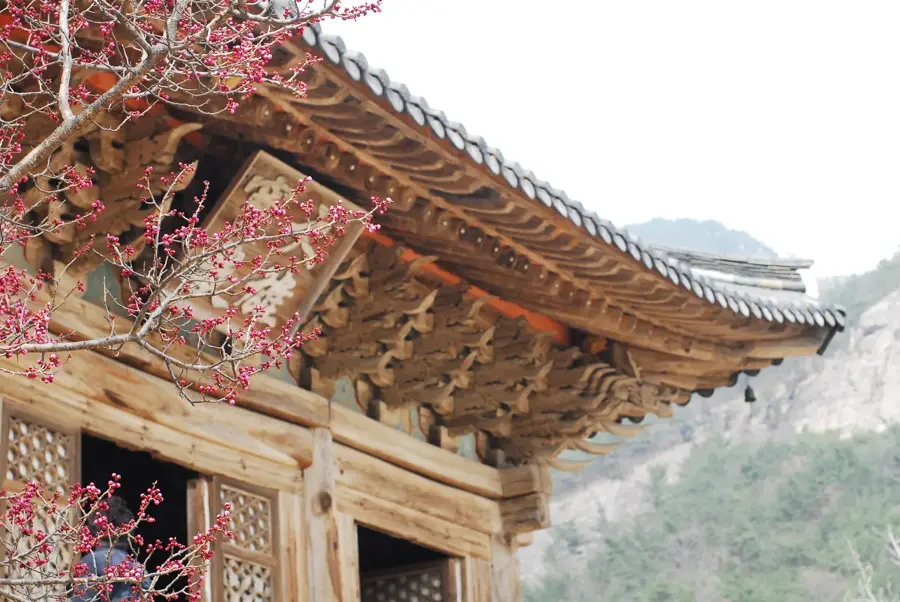
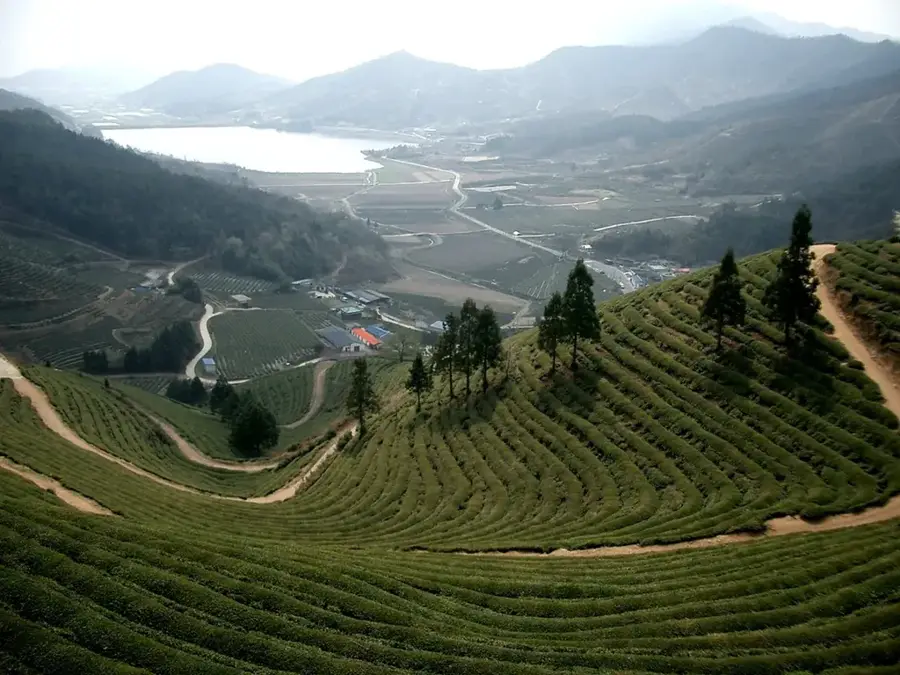
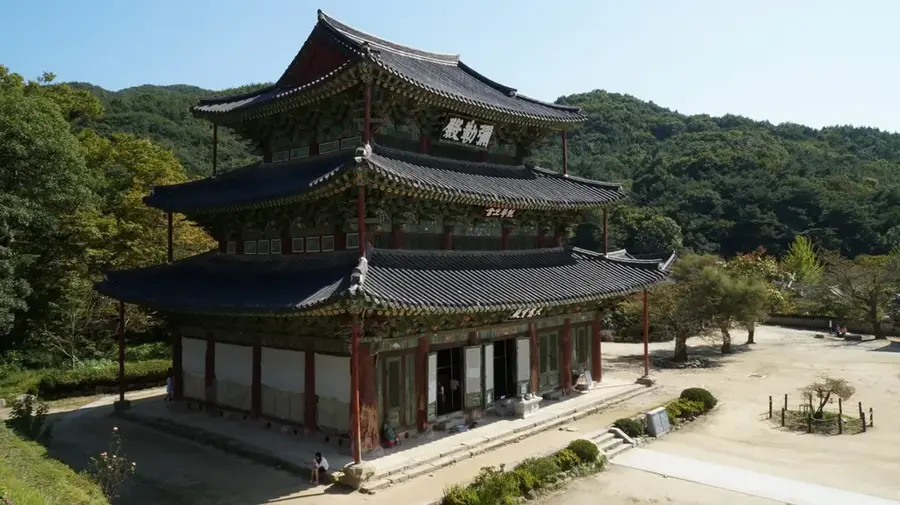
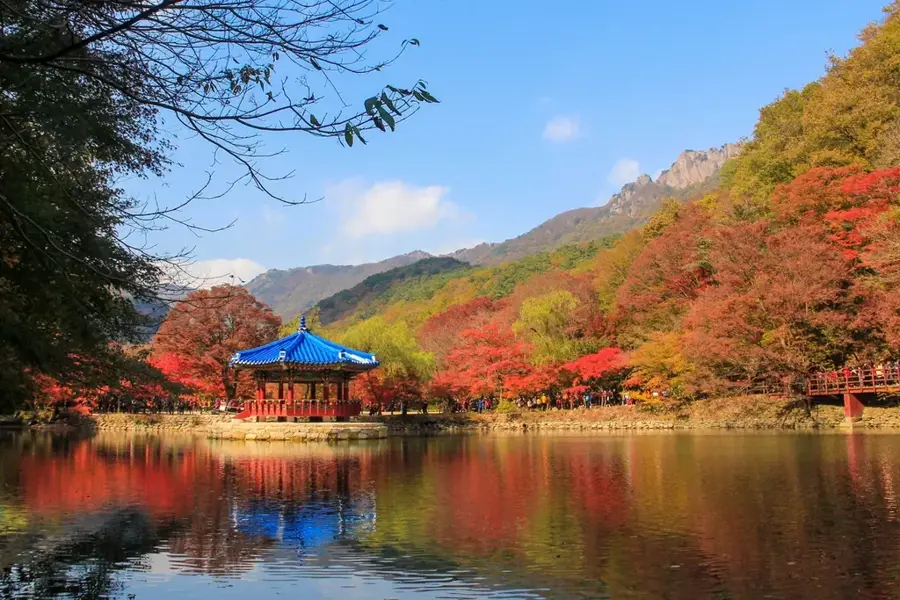
Naejangsan National Park, designated in 1971, is one of South Korea's premier destinations for viewing autumn foliage. The name 'Naejang' means 'many secrets hidden inside,' referring to the park's concealed valleys and peaks. It spans an area of approximately 81.7 square kilometers within Jeollabuk-do province. The park is home to over 760 plant species, including unique maple trees famous for their unusually small and vividly colored leaves. Beyond its natural beauty, the park contains significant historical sites like Naejangsa and Baegyangsa temples, both noted for their architectural and spiritual significance. The highest peak, Sinseonbong, reaches 763 meters, offering panoramic views of the entire range. Another highlight is the Dodeok Waterfall, which plunges over a dramatic cliff side. The park also serves as a protected habitat for the endangered yellow-throated marten.

Best time to visit & climate

The most pleasant time to visit is May, Jun, Sep.

JanFebMarAprMayJunJulAugSepOctNovDec
Avg °C-1051116212425201471
Rain mm2943559193139307269136594735

📋 Practical info

🧭
Getting there
The national park is easily accessible via express buses or KTX trains traveling to Jeongeup Station, followed by a short local bus ride. Well-marked signs direct visitors straight to the main entrance and ticket booths.
📅
Best season
Autumn is the undisputed peak season, typically late October to early November, offering spectacular red foliage views. Spring is also beautiful with blooming cherry blossoms, while winter provides a quiet, snowy landscape.
⛰️
Terrain & paths
The park features a diverse topography with steep, rocky mountain peaks contrasting with gentle, paved paths in the valleys. Many of the popular upper trails involve wooden staircases and some uneven rocky sections.
🎒
What to bring
Comfortable hiking boots with good grip are essential for the mountain trails, along with layered clothing to adapt to changing temperatures. Bring a daypack with water, snacks, and a camera to capture the memorable scenery.
🅿️
Parking
There are several large, paid parking lots located near the main entrance and the visitor center, which are well-organized. However, these parking areas fill up incredibly fast during the peak autumn foliage season.
⚠️
Safety
Always stay on the clearly marked trails to protect both yourself and the local ecosystem. Be cautious of slippery fallen leaves during the autumn months, and ensure you check the local weather forecast before hiking.
⏱️
Time needed
A comprehensive visit to explore the main temples and hike one of the prominent peaks usually takes around four to six hours. Those wishing to simply stroll the lower paths can easily complete their visit in two hours.

Geography

Coordinates
35.47000, 126.85000

Facts

  • National Park status since Nov 17, 1971
  • Highest peak: Sinseonbong (763 m)
  • Total area: 81.715 square kilometers
  • Home to 760 plant species
  • Over 900 animal species recorded
  • Peak foliage occurs in late October

Explore nearby

Notable places around

Route planner — Car & Motorhome

Where do you start? We build the route here, with stops and country notes along the way.

Vehicle
Only stops with (optional):

© OpenStreetMap contributors · OpenRouteService

Sights in the town Naejangsan National Park (11)

Naejangsan Maple Tree Tunnel📍 landmark

A pretty path famous for its lively tunnel of crimson maple leaves in autumn.

Naejang-san Mountain🌿 nature

A prominent mountain peak known for its spectacular autumn foliage and hiking trails.

Naejangsan National Park🌿 nature

A scenic mountain reserve famous across Korea for its impressive fall colors and diverse flora.

Baekyangsa⛪ religious

A historic Buddhist temple at the foot of Baegamsan, renowned for its Ssanggyeru Pavilion reflecting in the pond.

Baekyangsa Museum🏛 museum

Displays a collection of Buddhist art, sutras, and historical artifacts from the Baekyangsa temple.

Jeongeup City Art Museum🏛 museum

A municipal gallery hosting rotating exhibitions of contemporary art and regional Korean works.

Sanggyo-dong Community Service Center🏺 historical

The administrative hub for the Sanggyo-dong district, managing local public services.

Naejangsang-dong Community Service Center🏺 historical

A local government office providing essential administrative services to the Naejangsang neighborhood.

Wondeoksa Temple📍 landmark

A quiet Buddhist sanctuary tucked away in the scenic foothills near Naejangsan.

Naejangsa📍 landmark

An ancient Buddhist temple surrounded by the craggy peaks of Naejangsan, especially beautiful in autumn.

Odaeyang Jjimjilbang Sauna🎡 recreation

A traditional Korean public bathhouse offering hot steam rooms and relaxation areas.

Sights nearby

Frequently asked questions

Why is Naejangsan so popular in autumn?
It is considered the best spot in Korea for autumn foliage, especially famous for its 'maple tunnel' of brilliant red leaves.
Is there a cable car in the park?
Yes, there is a cable car that takes visitors toward the Yeonjabong peak, offering a magnificent panoramic view of the park.
How to get to Naejangsan from Seoul?
Take the KTX train from Yongsan Station to Jeongeup Station, then a local bus or taxi to the park entrance.
Is Naejangsan National Park very crowded?
During the peak autumn season (late October to early November), the park is extremely busy, especially on weekends.
Which temples can I visit in Naejangsan?
Naejangsa Temple and Baekyangsa Temple are the two most significant and beautiful Buddhist temples within the park.
Naejangsan National Park: where is it located?
Naejangsan National Park is located in South Korea.
Naejangsan National Park: what is there to see?
Highlights include Naejangsan Maple Tree Tunnel, Naejang-san Mountain, Naejangsan National Park.
Naejangsan National Park: when is the best time to visit?
The most pleasant time to visit is May, Jun, Sep.
Naejangsan National Park: why is it worth visiting?

Naejangsan National Park, designated in 1971, is one of South Korea's premier destinations for viewing autumn foliage.
View on map → The Top 50 Attractions → OpenStreetMap →
Asia
Explore with Plizio Discover more places in Asia
More places in South Korea →

Nearby cities

History & landmarks
Nature
More places